गीत विंग · गीत-पट्टिका · Song Plate
मैं हूँ वो धरती माँ
Main Hoon Woh Dharti Maa
श्रेया घोषाल मातृभूमि की आवाज़ बन जाती हैं — और 120 वीर आखिरकार घर आते हैं।
भावप्रेरणादायक · उदास · आध्यात्मिक
भाषाHindi · Sanskrit-rooted vocabulary गतिधीमी स्वरूपएकल महिला
श्रेय
The Creditsशब्दकोश
Word Meaningsसूत्र-वाक्य · The Hook
सूत्र-वाक्य
श्रेया घोषाल मातृभूमि की आवाज़ बन जाती हैं — और 120 वीर आखिरकार घर आते हैं।
In EnglishShreya Ghoshal becomes the voice of the Motherland — and 120 soldiers finally come home.
पट्टिका-लेख
The Monographपरिचय Overview
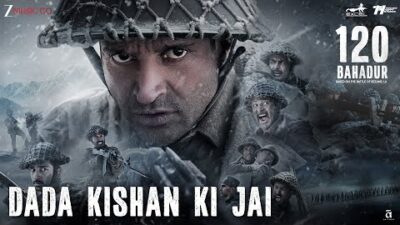
'मैं हूँ वो धरती माँ' 120 बहादुर (2025) के संगीत की शिखर रचना है — अमित त्रिवेदी का संगीत, जावेद अख्तर के बोल और श्रेया घोषाल की विध्वंसक सुंदरता वाली आवाज़। 31 अक्टूबर 2025 को ज़ी म्यूज़िक कंपनी द्वारा जारी यह 4:53 का गीत माँ भारत (धरती माँ) के दृष्टिकोण से लिखा गया है — वह अपने शहीद बेटे को असाधारण काव्यात्मक गहराई के साथ संबोधित करती है। हिंदुस्तानी शास्त्रीय परम्परा में प्रशिक्षित श्रेया घोषाल की आवाज़ इस समकालीन युद्ध-फ़िल्म में सदियों का बोझ लाती है।
अंग्रेज़ी में पढ़ें · Read in English
'Main Hoon Woh Dharti Maa' is the crowning piece of 120 Bahadur's (2025) soundtrack — composed by Amit Trivedi, written by Javed Akhtar, and sung with devastating beauty by Shreya Ghoshal. Released on 31 October 2025 under Zee Music Company, the 4:53 song is written from the perspective of Mother India (Dharti Maa) herself, addressing the fallen soldier with a maternal lament of extraordinary poetic depth. Shreya Ghoshal's voice — trained in classical Hindustani traditions — brings the weight of centuries to this contemporary war film.
संगीत The Music
अमित त्रिवेदी की 120 बहादुर के लिए सबसे विस्तृत रचना है 'मैं हूँ वो धरती माँ' — एक पूर्ण ऑर्केस्ट्रल गीत जो श्रेया घोषाल को 4:53 में व्यक्तिकृत भारत का किरदार जीने देता है। रचना एकल तार-वाद्य से शुरू होती है जो धीरे-धीरे पूर्ण ऑर्केस्ट्रल आधार तक फैलती है। त्रिवेदी भैरवी राग — विदाई और समापन का शास्त्रीय राग — को अपनी हार्मोनिक नींव बनाते हैं। श्रेया की शास्त्रीय तालीम उन्हें नियंत्रित गमकों से धुन को सजाने देती है।
अंग्रेज़ी में पढ़ें · Read in English
Amit Trivedi's most expansive composition for 120 Bahadur is 'Main Hoon Woh Dharti Maa' — a full orchestral song that gives Shreya Ghoshal 4:53 to inhabit the role of personified India. The arrangement opens with solo strings that gradually expand into a full orchestral bed. Trivedi uses Bhairavi — the classical raag of farewell and closure — as his harmonic foundation, a deeply appropriate choice for a song about death and national mourning. Ghoshal's classical training (she studied under Ustad Sultan Khan and others) allows her to ornament the melody with the kind of controlled gamakas that transform a film song into something approaching a classical performance.
काव्य The Poetry
जावेद अख्तर की 'मैं हूँ वो धरती माँ' के बोल देशभक्ति फ़िल्म संगीत में एक दुर्लभ उपलब्धि है: यह राष्ट्र को एक आवाज़ देते हैं। माँ भारत के प्रथम-पुरुष में लिखे ये बोल सामान्य देशभक्ति गीतों की दिशा पलट देते हैं — नागरिक राष्ट्र को नहीं, राष्ट्र अपने मृत पुत्र को संबोधित करता है। यह उलटाव दुख को सांत्वना में बदल देता है।
अंग्रेज़ी में पढ़ें · Read in English
Javed Akhtar's lyric for 'Main Hoon Woh Dharti Maa' achieves something rare in patriotic film music: it gives the nation a voice. Written in the first person as Mother India, the lyric inverts the usual direction of patriotic songs — instead of citizen addressing nation, the nation addresses its dead child. This inversion transforms grief into consolation and renders the song theologically resonant, echoing Sanskrit texts where the earth receives the bodies of the fallen.
कहानी The Story
यह गीत 120 बहादुर की भावनात्मक परिणति के लिए रचा गया था — रेज़ांग ला की लड़ाई के बाद, जब लद्दाख की धरती ने 120 वीर पुत्रों को अपनी गोद में लिया। निर्देशक रजनीश घई ने भैरवी-प्रभावित रचना का उपयोग दर्शकों को ऐतिहासिक पीड़ा से आध्यात्मिक समाधान की ओर ले जाने के लिए किया।
अंग्रेज़ी में पढ़ें · Read in English
The song was composed for the emotional climax of 120 Bahadur — the aftermath of the Battle of Rezang La, when the earth of Ladakh has received the bodies of the 120 brave men. Director Razneesh Ghai used the Bhairavi-inflected composition to guide the audience from historical anguish toward spiritual resolution.
विरासत The Legacy
यह गीत श्रेया घोषाल को मातृभूमि की आवाज़ के रूप में लता मंगेशकर के महान 'ऐ मेरे वतन के लोगों' (1963) की परम्परा में स्थापित करता है। जहाँ लता ने 1962 के उसी युद्ध के सैनिकों के अंतिम संस्कार में गाया था, वहीं घोषाल का गीत — 63 साल बाद — एक उपेक्षित लड़ाई के लिए वही राष्ट्रीय शोक का काम करता है।
अंग्रेज़ी में पढ़ें · Read in English
This song positions Shreya Ghoshal as the voice of the Motherland in the tradition of Lata Mangeshkar's legendary 'Ae Mere Watan Ke Logon' (1963). While Lata sang at the funerals of soldiers from the same 1962 war, Ghoshal's song — 63 years later — performs the same act of national mourning for an overlooked battle.
वर्गीकरण
Classification- Tempo
- Slow
Genre
अन्य विवरण
More Details- YouTube: Main Hoon Woh Dharti Maa, 120 Bahadur, https://www.youtube.com/watch?v=S3YkWH0pMZA
- Spotify: Main Hoon Woh Dharti Maa, https://open.spotify.com/track/0stNevo5DjlKpQnwZLuh8K
- Apple Music: Main Hoon Woh Dharti Maa, https://music.apple.com/us/song/main-hoon-woh-dharti-maa/1850757614
- Shazam: Main Hoon Woh Dharti Maa, https://www.shazam.com/song/1850757614/main-hoon-woh-dharti-maa
- LyricsTranslateZone: Main Hoon Woh Dharti Maa Lyrics Translation, https://lyricstranslatezone.com/main-hoon-woh-dharti-maa-lyrics-translation-120-bahadur/
- Wikipedia: 120 Bahadur (soundtrack), https://en.wikipedia.org/wiki/120_Bahadur_(soundtrack)
References
रोचक तथ्य
Margin Notes4:53 की अवधि के साथ, यह '120 बहादुर' एल्बम का सबसे लंबा गीत है।
अंग्रेज़ी में पढ़ें · Read in English
At 4:53, this is the longest track on the 120 Bahadur album.
यह गीत धरती माँ (मदर इंडिया) के दृष्टिकोण से लिखा गया है, जो अपने शहीद सैनिक को संबोधित करती हैं — देशभक्ति फ़िल्म संगीत में यह एक दुर्लभ भूमिका-उलटफेर है।
अंग्रेज़ी में पढ़ें · Read in English
The song is written from the perspective of Dharti Maa (Mother India) addressing her fallen soldier — a rare inversion in patriotic film music.
भैरवी राग — विदाई का शास्त्रीय राग — इस गीत का सांगीतिक आधार बनाता है, जो एक शोक-गीत के लिए अत्यंत उपयुक्त चुनाव है।
अंग्रेज़ी में पढ़ें · Read in English
Bhairavi raag — the classical raag of farewell — forms the harmonic foundation, a choice deeply appropriate for a mourning song.
श्रेया घोषाल ने पार्श्वगायन के लिए चार राष्ट्रीय फ़िल्म पुरस्कार जीते हैं — किसी भी भारतीय पार्श्वगायक के लिए सर्वाधिक।
अंग्रेज़ी में पढ़ें · Read in English
Shreya Ghoshal has won four National Film Awards for Playback Singing — the most for any Indian playback singer.
यह गीत सीधे लता मंगेशकर के 'ऐ मेरे वतन के लोगो' (1963) से जुड़ता है, जो 1962 के भारत-चीन युद्ध पर आधारित था।
अंग्रेज़ी में पढ़ें · Read in English
The song draws a direct line to Lata Mangeshkar's 'Ae Mere Watan Ke Logon' (1963), also about the 1962 Indo-China war.
नमूना-पट्टी
The Specimen Table| शीर्षक | मैं हूँ वो धरती माँ · Main Hoon Woh Dharti Maa |
|---|---|
| फ़िल्म | 120 बहादुर · 2025 |
| वर्ष · युग | 2025 — Modern (2010+) |
| गायक | Shreya Ghoshal |
| गीतकार | Javed Akhtar |
| संगीतकार | Amit Trivedi |
| स्वरूप | एकल महिला |
| गति | धीमी |
| अवधि | 4:53 |
| भाषा | Hindi · Sanskrit-rooted vocabulary |
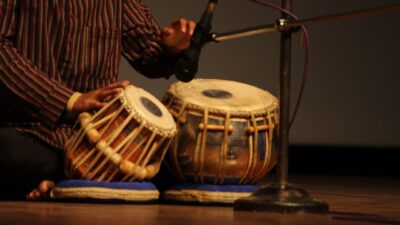
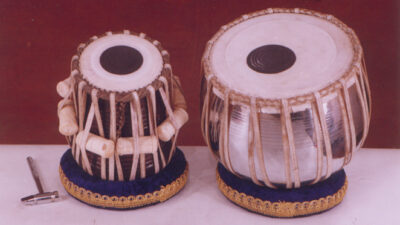
| वाद्य | Strings (full orchestra) · piano · Choir · tabla · bansuri |
| भाव | प्रेरणादायक · उदास · आध्यात्मिक |
| लोकप्रियता | Popular |
| बोल-स्थिति | केवल झलक |
जुड़े हुए पन्ने
Connected Plates · The Graph Made Visibleअटलस में कोई पन्ना अकेला नहीं — इस गीत से जुड़े गीत, कलाकार, फ़िल्म, राग-ताल-विधा, सब यहाँ से खुलते हैं।
मिलते-जुलते गीत · Related Songs
कलाकार · The Artists
फ़िल्म · The Film
साझा कीजिए · Share this Plate
यह पन्ना आगे बढ़ाइए
सवाल-जवाब
Questions & Answers'मैं हूँ वो धरती माँ' किसके बारे में है? · What is Main Hoon Woh Dharti Maa about?
यह गीत माँ भारत (धरती माँ) के दृष्टिकोण से लिखा गया है — मानवीकृत मातृभूमि अपने शहीद पुत्र को अपनी गोद में बुलाती है। अमित त्रिवेदी ने इसे भैरवी राग में रचा और श्रेया घोषाल ने शास्त्रीय भव्यता के साथ गाया।
The song is written from the perspective of Mother India (Dharti Maa) — the personified motherland addressing a fallen soldier, welcoming him into her embrace. Amit Trivedi composed it in Bhairavi raag (raag of farewell) and Shreya Ghoshal sings it with classical grandeur.
'मैं हूँ वो धरती माँ' की तुलना 'ऐ मेरे वतन के लोगों' से कैसे होती है? · How does Main Hoon Woh Dharti Maa compare to Ae Mere Watan Ke Logon?
दोनों गीत 1962 के भारत-चीन युद्ध के सैनिकों का शोक मनाते हैं, एक स्त्री-स्वर को भावनात्मक केंद्र बनाकर। लता का गीत जीवितों को संबोधित था; घोषाल का गीत शहीदों को — मातृभूमि के स्वयं के दृष्टिकोण से।
Both songs mourn the soldiers of the 1962 India-China war, with a woman's voice as the emotional center. Lata Mangeshkar's 'Ae Mere Watan Ke Logon' addressed the living; Ghoshal's song addresses the fallen from the perspective of the motherland herself.
जुड़ी हुई दुनिया
Explore ConnectionsRelated Songs · संबंधित गीत
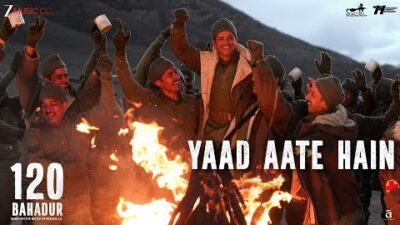
याद आते हैं
Yaad Aate Hain
Subhadeep Das Chowdhury, चिराग कोटवाल, ओबोम तंगु, उत्कर्ष वानखेड़े · 120 Bahadur