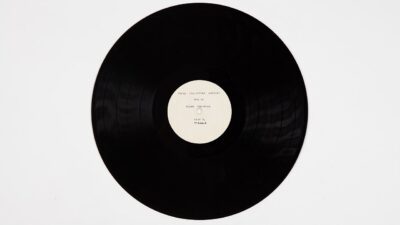
गीत विंग · गीत-पट्टिका · Song Plate
ख़ंजर-ए-नाज़ को पैवस्ते रग-ए-जाँ कर दो
Khanjar-e-Naaz Ko Paivaste Rag-e-Jaan Kar Do
सुहाना गीत (1941) का एक उर्दू-झुकाव वाला ग़ज़ल-शैली का गीत, संगीत वसंत कुमार नायडू।
भावतीव्र · रोमांटिक
भाषाurdu गतिधीमी स्वरूपSolo
श्रेय
The Creditsसूत्र-वाक्य · The Hook
सूत्र-वाक्य
सुहाना गीत (1941) का एक उर्दू-झुकाव वाला ग़ज़ल-शैली का गीत, संगीत वसंत कुमार नायडू।
In EnglishAn Urdu-leaning ghazal-style number from Suhana Geet (1941), composed by Vasant Kumar Naidu.
पट्टिका-लेख
The Monographपरिचय Overview
'ख़ंजर-ए-नाज़ को पैवस्ते रग-ए-जाँ कर दो' 1941 की सामाजिक-संगीतमय फ़िल्म सुहाना गीत के लिए दर्ज गीतों में से एक है, जिसे एम. ए. मिर्ज़ा ने कमला फ़िल्म्स के लिए निर्देशित किया और संगीत वसंत कुमार नायडू का है। शीर्षक की भारी फ़ारसी-मिश्रित उर्दू — 'नाज़ के ख़ंजर' का 'जान की रग' में पैबस्त होना — इसे उस दौर की दरबारी काव्य-शैली में रचे एक ग़ज़ल-रंगी गीत के रूप में चिह्नित करती है। गायक और गीतकार के श्रेय परामर्श किए गए स्रोतों में नहीं बचे हैं।
अंग्रेज़ी में पढ़ें · Read in English
'Khanjar-e-Naaz Ko Paivaste Rag-e-Jaan Kar Do' is among the songs documented for the 1941 social-musical Suhana Geet, directed by M. A. Mirza for Kamala Films with music by Vasant Kumar Naidu. The heavily Persianised Urdu of the title — invoking the 'dagger of coquetry' piercing the 'vein of life' — marks this as a ghazal-flavoured number in the courtly poetic idiom common to the period. Singer and lyricist credits have not survived in the consulted sources.
काव्य The Poetry
शीर्षक की काव्य-छवि शास्त्रीय उर्दू ग़ज़ल के परंपरागत बिंबों से ली गई है: 'ख़ंजर-ए-नाज़' (चुलबुली क्रूरता का ख़ंजर) का 'रग-ए-जाँ' (जीवन की शिरा) में 'पैवस्ते' — धँसा हुआ, दृढ़ता से जुड़ा, स्थायी रूप से गड़ा — होना प्रिय की तड़पाऊ बेपरवाही से उत्पन्न पीड़ा का अतिशयोक्तिपूर्ण रूपक है। 'पैवस्ते' फ़ारसी-उर्दू काव्य का एक सटीक शब्द है जिसका अर्थ है जुड़ा हुआ, संलग्न, रोपित — यह रूपक को शाब्दिक बनाता है: प्रिय की नज़ाकत एक सतही घाव नहीं है बल्कि प्रेमी के रक्त-प्रवाह में ही धँस गई है। यह शास्त्रीय उर्दू काव्य की कामुकता है: पीड़ा और आनंद अविभाज्य, प्रिय की क्रूरता परम मिलन का एक रूप। आज्ञा-रूप 'कर दो' गीत को एक अप्रत्याशित सक्रियता देता है — प्रेमी प्रिय को घाव पूरा करने के लिए आमंत्रित कर रहा है, विलाप नहीं कर रहा। वसंत कुमार नायडू का संगीत-संयोजन संभवतः धीमा और चिंतनशील रहा होगा ताकि प्रत्येक मिसरे की घनी भाषाई बुनावट पूरी तरह सुनी जा सके।
अंग्रेज़ी में पढ़ें · Read in English
The title's imagery is drawn from classical Urdu ghazal conceits: the 'khanjar-e-naaz' (dagger of coquetry or flirtatious cruelty) being 'paivaste' — embedded, fixed, permanently joined — into the 'rag-e-jaan' (vein of life) is a hyperbolic figuration of the pain caused by the beloved's teasing indifference. 'Paivaste' is a precision word from Persian-Urdu poetry meaning joined, attached, grafted into — it literalises the metaphor: the beloved's flirtation is not a surface wound but has been driven into the very bloodstream of the lover. This is the erotics of classical Urdu poetry: pain and pleasure as inseparable, the beloved's cruelty as a form of ultimate union. The command form 'kar do' (make it so, do it) gives the lyric an unexpected agentive quality — it is the lover inviting the beloved to complete the wounding, not lamenting it. Vasant Kumar Naidu's musical setting would have aimed at a slow, brooding tempo to let the dense linguistic texture of each misra unfold fully.
कहानी The Story
सुहाना गीत (1941) — इस शीर्षक का अर्थ ही 'मनोहर गीत' या 'सुंदर धुन' है — एम.ए. मिर्ज़ा द्वारा अपने कमला फ़िल्म्स बैनर के तहत निर्मित और निर्देशित थी। फ़िल्म में मुख्य भूमिकाओं में रमोला देवी और त्रिलोक कपूर थे, और शाकिर तथा नवीन यग्निक सहायक भूमिकाओं में। वसंत कुमार नायडू ने संगीत दिया, शास्त्रीय उर्दू-काव्य परंपरा और विकासशील फ़िल्म-गीत प्रारूप को जोड़ते हुए। 'ख़ंजर-ए-नाज़ को पैवस्ते रग-ए-जाँ कर दो' सुहाना गीत की प्रलेखित गीत-सूची में सबसे अधिक फ़ारसी-मिश्रित शीर्षक है — इसकी शब्दावली (ख़ंजर, पैवस्ते, रग-ए-जाँ) शास्त्रीय शायरी के मुहावरे की है, न कि बोलचाल की हिंदी की, जो सुझाता है कि यह फ़िल्म के भीतर एक ग़ज़ल-शैली की प्रस्तुति के रूप में संकल्पित था। एम.ए. मिर्ज़ा के इस दौर के निर्माण प्रेम और संगीत-विषयों की ओर झुके थे, और इस गीत-शीर्षक का उर्दू-काव्य स्वर प्रारंभिक 1940 के बंबई के मुस्लिम फ़िल्मकारों के सांस्कृतिक परिवेश को दर्शाता है, जिनके लिए शास्त्रीय उर्दू ग़ज़ल और फ़िल्म-गीत एक निरंतर परंपरा के दो अंग थे।
अंग्रेज़ी में पढ़ें · Read in English
Suhana Geet (1941) — its very title meaning 'Pleasant Song' or 'Beautiful Melody' — was produced and directed by M.A. Mirza under his Kamala Films banner. The film starred Ramola Devi and Trilok Kapoor in the lead roles, with Shakir and Navin Yagnik in support. Vasant Kumar Naidu composed the score, working in a musical idiom that bridged the classical Urdu-poetic tradition with the evolving film-song format. 'Khanjar-e-Naaz Ko Paivaste Rag-e-Jaan Kar Do' is the most heavily Persianised title in Suhana Geet's documented song list — its vocabulary (khanjar, paivaste, rag-e-jaan) belongs to the classical shairi idiom rather than colloquial Hindi, suggesting it was conceived as a ghazal-style set piece within the production. M.A. Mirza's productions from this period tended toward romantic and musical subjects, and the Urdu-poetic register of this song title reflects the cultural milieu of Bombay's Muslim filmmaking community in the early 1940s, for whom the classical Urdu ghazal and the film song were part of a continuous tradition.
वर्गीकरण
Classification- Tempo
- Slow
Genre
अन्य विवरण
More Details- https://www.cinestaan.com/movies/suhana-geet-13981
- https://www.bollywoodmdb.com/movies/cast-crew/suhana-geet/11659
- https://www.hindigeetmala.net/movie/suhana_geet.htm
References
रोचक तथ्य
Margin Notesसुहाना गीत (1941) का निर्देशन और निर्माण एम.ए. मिर्ज़ा ने कमला फ़िल्म्स के लिए किया था, जिसमें रामोला देवी और त्रिलोक कपूर मुख्य भूमिकाओं में थे — इस फ़िल्म का शीर्षक ही ('सुहाना गीत') इसकी पहचान में संगीत की केंद्रीयता की घोषणा करता था।
अंग्रेज़ी में पढ़ें · Read in English
Suhana Geet (1941) was directed and produced by M.A. Mirza for Kamala Films, with Ramola Devi and Trilok Kapoor as leads — a film whose very title ('Beautiful Song') declared its commitment to music as central to the production's identity.
'ख़ंजर-ए-नाज़ को पैवस्त रग-ए-जान कर दो' की फ़ारसी-मिश्रित शब्दावली इसे शास्त्रीय उर्दू ग़ज़ल की परंपरा में स्थापित करती है, जो उस दौर के मुख्यधारा हिंदी फ़िल्मी गीतों में प्रचलित अधिक बोलचाल की हिंदुस्तानी से भिन्न है।
अंग्रेज़ी में पढ़ें · Read in English
The Persianised vocabulary of 'Khanjar-e-Naaz Ko Paivaste Rag-e-Jaan Kar Do' places it in the tradition of the classical Urdu ghazal, distinct from the more colloquial Hindustani that dominated mainstream Hindi film songs of the period.
फ़िल्म के संगीत निर्देशक वसंत कुमार नायडू ने हिंदी फ़िल्म वाद्यवृंद के मानकीकरण से पहले के संक्रमण-काल में काम किया — उस दौर में संगीतकार दृश्य के भाव के अनुसार शास्त्रीय भारतीय, मिश्रित और पश्चिमी-भारतीय वाद्य-संयोजन का लचीले ढंग से प्रयोग करते थे।
अंग्रेज़ी में पढ़ें · Read in English
Vasant Kumar Naidu, the film's music director, worked in the transitional period before the standardisation of the Hindi film orchestra — when composers drew flexibly on classical Indian, hybrid and Western-Indian instrumentation depending on the scene's register.
'नाज़ का ख़ंजर' का 'जीवन की रग' में धँस जाना फ़ारसी-उर्दू ग़ज़ल परंपरा की एक बार-बार आने वाली दार्शनिक कल्पना है, जिसमें प्रियतम की चंचल निष्ठुरता को निरंतर एक घातक किंतु स्वागत-योग्य घाव के रूप में चित्रित किया जाता है।
अंग्रेज़ी में पढ़ें · Read in English
The 'dagger of coquetry' (khanjar-e-naaz) embedding itself in the 'vein of life' (rag-e-jaan) is a recurring metaphysical conceit in the Persian-Urdu ghazal tradition, where the beloved's playful cruelty is consistently figured as a lethal but welcomed wound.
नमूना-पट्टी
The Specimen Table| शीर्षक | ख़ंजर-ए-नाज़ को पैवस्ते रग-ए-जाँ कर दो · Khanjar-e-Naaz Ko Paivaste Rag-e-Jaan Kar Do |
|---|---|
| फ़िल्म | सुहाना गीत · 1941 |
| वर्ष · युग | 1941 |
| संगीतकार | Vasant Kumar Naidu |
| स्वरूप | Solo |
| गति | धीमी |
| भाषा | urdu |
| भाव | तीव्र · रोमांटिक |
| बोल-स्थिति | केवल झलक |
जुड़े हुए पन्ने
Connected Plates · The Graph Made Visibleअटलस में कोई पन्ना अकेला नहीं — इस गीत से जुड़े गीत, कलाकार, फ़िल्म, राग-ताल-विधा, सब यहाँ से खुलते हैं।
कलाकार · The Artists
फ़िल्म · The Film
साझा कीजिए · Share this Plate