गीत विंग · गीत-पट्टिका · Song Plate
क़दम बढ़ाओ नारियो
Kadam Badhao Nariyo
क़दम बढ़ाओ नारियो — सामाजिक फ़िल्म आसरा का एक आह्वान-गीत।
भावप्रेरणादायक · विद्रोही
भाषाhindi गतिमध्यम स्वरूपसमूह गान
श्रेय
The Creditsसूत्र-वाक्य · The Hook
सूत्र-वाक्य
क़दम बढ़ाओ नारियो — सामाजिक फ़िल्म आसरा का एक आह्वान-गीत।
In EnglishStep forward, women — a marching, exhortatory number from the social drama Aasra.
पट्टिका-लेख
The Monographपरिचय Overview
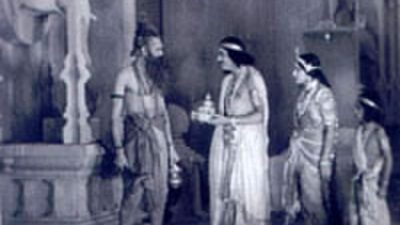
आसरा (1941) का एक आह्वान-गीत, सफ़दर आह के बोलों और अनिल बिस्वास के संगीत के साथ। 'नारियों' को इसका संबोधन और कूच-जैसी लय उस दौर की 'सामाजिक' फ़िल्मों में सामान्य सुधारवादी स्वर के अनुरूप है। उपलब्ध स्रोतों में गायक का उल्लेख नहीं; संभवतः एक समूह/कोरस रचना।
अंग्रेज़ी में पढ़ें · Read in English
An exhortatory song from Aasra (1941), with lyrics by Safdar Aah and music by Anil Biswas. Its address to 'nariyon' (women) and marching cadence suit the reformist register common to 'social' films of the era. Singer not specified in available sources; likely a chorus/ensemble piece.
काव्य The Poetry
मार्च-आदेश "क़दम बढ़ाओ" सफ़दर आह के बोल को उस आह्वान-सुधार परंपरा में रखता है जिसने उत्तर-औपनिवेशिक काल में तीव्रता पाई। आर्य समाज सुधार आंदोलन, अखिल भारतीय महिला सम्मेलन (स्थापना 1927) और प्रगतिशील साहित्यिक मंडलियों ने सभी सामूहिक महिला-प्रगति की भाषा अपनाई थी, और "क़दम बढ़ाओ नारियो" उस परंपरा को चार निर्णायक शब्दों में समेटता है। "नारियों" (नारी का बहुवचन, स्त्री) को संबोधन एक सामूहिक आह्वान है, कोई रोमांटिक पुकार नहीं — यह घोषणा-स्वर में एक गीत है, सुरीला नहीं बल्कि कूच-जैसा रजिस्टर। आज्ञावाचक "बढ़ाओ" (आगे बढ़ो) आकांक्षा नहीं, क्रिया पर बल देता है। 1941 के बंबई फ़िल्म गीत के लिए, यह एक आश्चर्यजनक रूप से सार्वजनिक, राजनीतिक अभिव्यक्ति है — संगीतकार अनिल बिस्वास की अपनी प्रगतिशील प्रतिबद्धताओं और भारत के स्वतंत्रता आंदोलन में उनकी युवा भागीदारी के अनुरूप।
अंग्रेज़ी में पढ़ें · Read in English
The march-command "kadam badhao" (step forward) places Safdar Aah's lyric squarely in the exhortatory-reform tradition that gained urgency through the late-colonial period. The Arya Samaj reform movement, the All-India Women's Conference (founded 1927), and progressive literary circles had all adopted the language of collective female advance, and "kadam badhao nariyon" (step forward, O women) distils that tradition into four decisive words. The address to "nariyon" (the plural of nari, woman) is a collective call, not a romantic appeal — this is a song-as-proclamation, a marching rather than a melodic register. The imperative "badhao" (do step forward) insists on action, not aspiration. For a Bombay film song of 1941, this is a strikingly public, political articulation — consistent with composer Anil Biswas's own progressive commitments and his youthful involvement in India's Independence Movement.
कहानी The Story
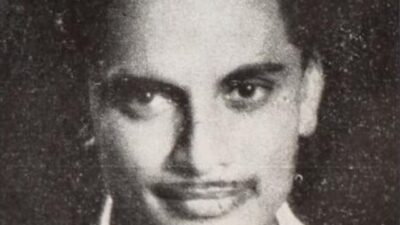
आसरा (1941) अनिल कृष्ण बिस्वास (जन्म 7 जुलाई 1914, बारीसाल ज़िला, पूर्वी बंगाल — अब बांग्लादेश) द्वारा रचित था, जो किशोरावस्था में भारत के स्वतंत्रता आंदोलन में शामिल हो गए थे और फ़िल्म संगीत की ओर मुड़ने से पहले अपनी क्रांतिकारी गतिविधियों के लिए बार-बार जेल गए। 1941 तक, बिस्वास बंबई के सबसे तकनीकी रूप से नवोन्मेषी संगीतकारों में से एक बन चुके थे, जिन्हें हिंदी फ़िल्म संगीत में पहला बारह-वाद्य वाद्यवृंद प्रस्तुत करने और पश्चिमी सिम्फोनिक अभ्यास से ली गई सामूहिक स्वर-प्रभाव और प्रतिधुन तकनीकों का प्रयोग शुरू करने का श्रेय जाता है। फ़िल्म में सरदार अख़्तर, हुस्न बानो, भूदो आडवाणी, वीणा और बिनापाणि मुखर्जी थे — एक मज़बूत समूह। फ़िल्म के अन्य गीत हुस्न बानो, सरदार अख़्तर, बिनापाणि मुखर्जी और वीणा कुमारी ने गाए; अनिल बिस्वास ने स्वयं उसी स्कोर से कम से कम एक गीत गाया। "क़दम बढ़ाओ नारियो" बचे हुए अभिलेख में किसी विशेष गायक से नहीं जुड़ा — यह एक कोरल रचना के रूप में परिकल्पित रही होगी, जो गीत के कोरस वर्गीकरण के अनुरूप है।
अंग्रेज़ी में पढ़ें · Read in English
Aasra (1941) was composed by Anil Krishna Biswas (born 7 July 1914, Barisal District, East Bengal — present-day Bangladesh), who had joined India's Independence Movement as a teenager and was repeatedly jailed for his revolutionary activities before turning to film music. By 1941, Biswas had become one of Bombay's most technically innovative composers, credited with introducing the first twelve-piece orchestra into Hindi film music and pioneering choral effects and counter-melody techniques drawn from Western symphonic practice. The film cast included Sardar Akhtar, Husn Bano, Bhudo Advani, Veena, and Binapani Mukherjee — a strong ensemble. Other tracks in the film were sung by Husn Bano, Sardar Akhtar, Binapani Mukherjee, and Veena Kumari; Anil Biswas himself sang at least one song from the same score. "Kadam Badhao Nariyo" is not attributed to a specific vocalist in the surviving record — it may have been conceived as a choral piece, consistent with the song's chorus classification.
वर्गीकरण
Classification- Tempo
- Medium
Genre
अन्य विवरण
More Details- en.wikipedia.org/wiki/Anil_Biswas_(composer)
- hindigeetmala.net/movie/aasra_1941.htm
- cinemaazi.com/people/anil-biswas
References
रोचक तथ्य
Margin Notesसंगीतकार अनिल विश्वास (1914-2003) को अपना फ़िल्म-करियर स्थापित करने से पहले भारत के स्वतंत्रता आंदोलन में भाग लेने के लिए बार-बार जेल भेजा गया था — जिससे 'कदम बढ़ाओ नारियो' को व्यावसायिकता से परे एक सीधी व्यक्तिगत राजनीतिक प्रतिध्वनि मिलती है।
अंग्रेज़ी में पढ़ें · Read in English
Composer Anil Biswas (1914–2003) had been repeatedly jailed for participating in India's Independence Movement before establishing his film career — giving "Kadam Badhao Nariyo" a direct personal political resonance beyond the commercial.
विश्वास को हिंदी फ़िल्म संगीत में पहला बारह-सदस्यीय वाद्यवृंद लाने का श्रेय दिया जाता है, जिसने इस माध्यम के ध्वनि-आकार को छोटे चैंबर-समूहों से पूर्ण वाद्यवृंद-व्यवस्थाओं में बदल दिया।
अंग्रेज़ी में पढ़ें · Read in English
Biswas is credited with introducing the first twelve-piece orchestra in Hindi film music, transforming the sonic scale of the medium from small chamber ensembles to full orchestral arrangements.
अनिल विश्वास स्वयं भी आसरा के इसी संगीत में पार्श्वगायक के रूप में नज़र आए, और 'सांझ भई बंजारे' गाया — यह उन कई अवसरों में से एक था जब उन्होंने अपनी ही संगीतबद्ध फ़िल्मों में स्वयं गाया।
अंग्रेज़ी में पढ़ें · Read in English
Anil Biswas appeared as a playback singer in the same Aasra score, singing "Shanjh Bhai Banjare" — one of several occasions when he performed in the films he composed.
फ़िल्म के अन्य गीतों के दर्ज गायकों में हुस्न बानो, सरदार अख़्तर और बिनापाणि मुखर्जी शामिल थीं — जो 1940 के दशक की शुरुआत के बॉम्बे फ़िल्म क्षेत्र की सम्मानित आवाज़ें थीं।
अंग्रेज़ी में पढ़ें · Read in English
The film's documented singers for other tracks included Husn Bano and Sardar Akhtar and Binapani Mukherjee — well-regarded voices of the early-1940s Bombay film circuit.
नमूना-पट्टी
The Specimen Table| शीर्षक | क़दम बढ़ाओ नारियो · Kadam Badhao Nariyo |
|---|---|
| फ़िल्म | आसरा · 1941 |
| वर्ष · युग | 1941 |
| गीतकार | Safdar Aah |
| संगीतकार | Anil Biswas |
| स्वरूप | समूह गान |
| गति | मध्यम |
| भाषा | hindi |
| भाव | प्रेरणादायक · विद्रोही |
| लोकप्रियता | Obscure |
| बोल-स्थिति | केवल झलक |
जुड़े हुए पन्ने
Connected Plates · The Graph Made Visibleअटलस में कोई पन्ना अकेला नहीं — इस गीत से जुड़े गीत, कलाकार, फ़िल्म, राग-ताल-विधा, सब यहाँ से खुलते हैं।
कलाकार · The Artists
फ़िल्म · The Film
साझा कीजिए · Share this Plate