गीत विंग · गीत-पट्टिका · Song Plate
काहे को रार मचाई
Kaahe Ko Raar Machai
पियानो न्यू थिएटर्स में प्रवेश करता है — बोराल सहगल की आवाज़ में एक पश्चिमी स्पर्श घोलते हैं।
भावचुलबुला · रोमांटिक
भाषाhindi गतिमध्यम स्वरूपएकल पुरुष
श्रेय
The Creditsसूत्र-वाक्य · The Hook
सूत्र-वाक्य
पियानो न्यू थिएटर्स में प्रवेश करता है — बोराल सहगल की आवाज़ में एक पश्चिमी स्पर्श घोलते हैं।
In EnglishThe piano enters New Theatres — Boral folds a Western touch into Saigal's voice.
पट्टिका-लेख
The Monographपरिचय Overview
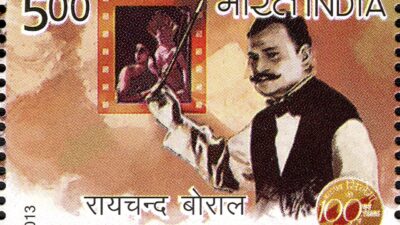
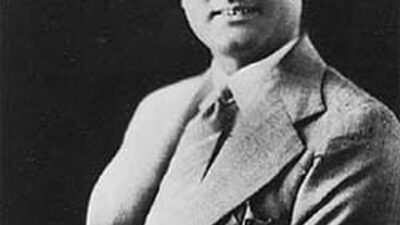
'काहे को रार मचाई' लगन (1941) के सबसे यादगार गीतों में से एक है, जिसे के.एल. सहगल ने न्यू थिएटर्स के अपने अंतिम वर्ष में गाया। आर.सी. बोराल का संयोजन पियानो के प्रयोग के लिए जाना जाता है — कलकत्ता स्टूडियो के मधुर मुहावरे में पिरोया गया एक सोचा-समझा पश्चिमी स्पर्श — जो इसे संगीत के सबसे विशिष्ट गीतों में से एक बनाता है।
अंग्रेज़ी में पढ़ें · Read in English
'Kaahe Ko Raar Machai' is among the best-remembered songs of Lagan (1941), sung by K.L. Saigal in his final New Theatres year. R.C. Boral's arrangement is noted for its use of a piano — a deliberate Western touch threaded through the Calcutta studio's melodic idiom — making it one of the most distinctive numbers of the score.
काव्य The Poetry
'काहे को रार मचाई' — 'क्यों झगड़ा मचाती हो?' — शृंगार-हास्य रजिस्टर में है: प्रेमी की चंचल शिकायत, वह छेड़-छाड़ वाला उलाहना जो क्रोध से अधिक प्रेम का संकेत देता है। डी.एन. माधोक का बोल एक पुरुष का एक स्त्री से सीधा संवाद करता है, लेकिन भावनात्मक तर्क आपसी है: झगड़ा एक खेल है जो दोनों खेल रहे हैं। यह गीत को ब्रज 'खट-खट' गीतों की परंपरा में रखता है — अष्टछाप और बाद की दरबारी संगीत परंपराओं से बहस-रचनाएँ — लेकिन पुराने शब्द-भंडार के बिना समकालीन हिंदुस्तानी में अनूदित। 'रार' (झगड़ा, शोर) के साथ 'काहे को' (क्यों, किस लिए) का प्रयोग — बोलचाल, प्रश्नवाचक — गीत को उसकी विशिष्ट हल्कापन देता है: भारहीनता नहीं, बल्कि उस व्यक्ति की विशिष्ट हल्कापन जो जानता है कि झगड़ा अच्छे से ख़त्म होने वाला है।
अंग्रेज़ी में पढ़ें · Read in English
'Kaahe Ko Raar Machai' — 'Why do you start a quarrel?' — inhabits the shringar-shringara hasya register: the lover's playful complaint, the teasing reproach that signals affection more than anger. D.N. Madhok's lyric uses the direct address of a man to a woman, but the emotional logic is mutual: the quarrel is a game both parties are playing. This puts the song in the tradition of the Braj 'khat-khat' songs — banter compositions from the Ashtachhap and later court music traditions — but translated into contemporary Hindustani without the archaic vocabulary. The use of 'raar' (quarrel, noise, commotion) alongside 'kaahe ko' (why, for what reason) — colloquial, interrogative — gives the lyric its characteristic lightness: not weightlessness but the specific lightness of a man who knows the quarrel is going to end well.
कहानी The Story
लगन (1941) में, 'काहे को रार मचाई' संगीत-पक्ष के भक्ति टुकड़ों के लिए रोमांटिक प्रतिसंतुलन का काम किया। इस नंबर में आर.सी. बोराल का पियानो को प्रमुख हार्मोनिक वाद्य के रूप में उपयोग — द्वितीयक स्रोतों में प्रलेखित और रिकॉर्डिंग में श्रव्य — एक सोचे-समझे शैलीगत वक्तव्य था: बंबई टॉकीज़ प्रस्तुतियों में पियानो 1930 के मध्य से आ रहा था, लेकिन अधिक रूढ़िवादी कलकत्ता स्टूडियो जगत में यह पश्चिमी लहज़ा था जिसे संयम से प्रयोग किया जाता था। न्यू थिएटर्स में सहगल के अंतिम पूर्ण वर्ष के लिए, यह गीत गंभीर (उसी फ़िल्म के भक्ति गीत) और हल्के के बीच सहज रूप से बदलने की उनकी क्षमता दर्शाता है — एक बहुमुखिता जो बंबई में उनकी सेवा करेगी लेकिन जो अपनी अंतिम न्यू थिएटर्स अभिव्यक्ति यहाँ पाती है।
अंग्रेज़ी में पढ़ें · Read in English
In Lagan (1941), 'Kaahe Ko Raar Machai' served as the romantic counterbalance to the soundtrack's devotional pieces. R.C. Boral's use of a piano as the leading harmonic instrument in this number — documented in secondary sources and audible in the recording — was a deliberate stylistic statement: piano had been appearing in Bombay Talkies productions from the mid-1930s, but in the more conservative Calcutta studio world it remained a Western accent used sparingly. For Saigal's last full year at New Theatres, this song represents his ability to shift effortlessly between the grave (the devotional songs in the same film) and the light — a versatility that would serve him in Bombay but that found its final New Theatres expression here. The piano gave the arrangement an intimacy different from the harmonium's sustained warmth: sharper, more conversational, suited to the song's teasing tone.
विरासत The Legacy
लगन (1941) न्यू थिएटर्स और कलकत्ते से सहगल की विदाई थी, और 'काहे को रार मचाई' — स्कोर में उनके योगदान में सबसे हल्का और सबसे चंचल — उनकी कलात्मकता का वह पक्ष पकड़ता है जो बाद के श्रोता, उनकी उदासी की प्रतिष्ठा के आदी, कभी-कभी चूक जाते हैं। आर.सी. बोराल की पियानो व्यवस्था कलकत्ता स्टूडियो संदर्भ में एक नवाचार थी जो 1940 के मध्य के बंबई स्टूडियो ध्वनि की ओर इशारा करती थी। बोराल स्वयं 1960 के दशक तक कलकत्ते में रचना करते रहे, लेकिन लगन स्कोर को आमतौर पर उनके न्यू थिएटर्स काल का अंतिम उत्कर्ष बताया जाता है।
अंग्रेज़ी में पढ़ें · Read in English
Lagan (1941) was Saigal's farewell to New Theatres and to Calcutta, and 'Kaahe Ko Raar Machai' — the lightest and most playful of his contributions to the score — captures a side of his artistry that later listeners, accustomed to his reputation for melancholy, sometimes miss. The song demonstrates that the register of romantic teasing was as available to him as grief. R.C. Boral's piano arrangement was an innovation in the Calcutta studio context that pointed forward to the Bombay studio sound of the mid-1940s, where Western instruments were integrated more fully into the standard orchestral palette. Boral himself would continue composing in Calcutta until the 1960s, but the Lagan score is generally cited as the final peak of his New Theatres period.
वर्गीकरण
Classification- Tempo
- Medium
Genre
अन्य विवरण
More Details- Lagan (1941) — directed A.R. Kardar; Wikipedia EN
- K.L. Saigal — Wikipedia EN; published biography by Pran Nevile
- R.C. Boral — Wikipedia EN; piano in New Theatres score
- D.N. Madhok — Wikipedia EN (lyricist, 1900–1975)
- A.R. Kardar — Wikipedia EN
References
रोचक तथ्य
Margin Notesलगन (1941) कलकत्ता के न्यू थिएटर्स के लिए के.एल. सहगल की आख़िरी फ़िल्म थी; उसी वर्ष के भीतर वे बॉम्बे चले गए, जहां उन्होंने रणजीत मूवीटोन और बाद में फ़िल्मिस्तान के साथ काम किया, और 1947 में अपनी मृत्यु से पहले अपने अंतिम प्रमुख गीत रिकॉर्ड किए।
अंग्रेज़ी में पढ़ें · Read in English
Lagan (1941) was K.L. Saigal's last film for New Theatres Calcutta; within the year he moved to Bombay, where he worked with Ranjit Movietone and later Filmistan, recording his final major songs before his death in 1947.
'काहे को राड़ मचाई' में पियानो का प्रयोग इस दौर के किसी कलकत्ता स्टूडियो गीत के लिए एक असामान्य वाद्यवृंद-चयन था; आर.सी. बोराल ने पहले की फ़िल्मों (चंडीदास, 1934) में पियानो का प्रयोग किया था, लेकिन किसी हल्के प्रेम-गीत में इसे प्रमुख सुरीले वाद्य के रूप में प्रयोग करना कम आम था।
अंग्रेज़ी में पढ़ें · Read in English
The piano in 'Kaahe Ko Raar Machai' was an unusual orchestral choice for a Calcutta studio number of this period; R.C. Boral had experimented with piano in earlier films (Chandidas, 1934) but its use as a lead melodic instrument in a light romantic song was less common.
डी.एन. मधोक (1900-1975) ने लगन में भक्ति और प्रेम, दोनों प्रकार के गीत लिखे — एक ही फ़िल्म में आध्यात्मिक स्वर ('हमारी लाज निभाओ') और चंचल प्रेम-स्वर (यह गीत) के बीच बदलने की उनकी क्षमता, न्यू थिएटर्स के स्टाफ़ गीतकार से अपेक्षित पेशेवर विस्तार को दर्शाती है।
अंग्रेज़ी में पढ़ें · Read in English
D.N. Madhok (1900–1975) wrote lyrics for both the devotional and romantic songs in Lagan — his ability to code-switch between the spiritual register (Hamari Laaj Nibhao) and the playful romantic register (this song) in the same film shows the professional range demanded of a New Theatres staff lyricist.
लगन का निर्देशन करने वाले ए.आर. कारदार ने आगे चलकर दिल्लगी (1949), हलचल (1951) और अन्य बड़ी बॉम्बे फ़िल्मों का निर्देशन किया — लाहौर (1933) से कलकत्ता (1941) होते हुए बॉम्बे (1940 के दशक के अंत) तक का उनका सफ़र, उद्योग के अपने भौगोलिक केंद्रीकरण को प्रतिबिंबित करता है।
अंग्रेज़ी में पढ़ें · Read in English
A.R. Kardar, who directed Lagan, went on to direct Dillagi (1949), Hulchul (1951) and other major Bombay productions — his trajectory from Lahore (1933) to Calcutta (1941) to Bombay (late 1940s) mirrors the industry's own geographic consolidation.
लगन में सहगल की रिकॉर्डिंग्स, ग्रामोफ़ोन कंपनी ऑफ़ इंडिया द्वारा न्यू थिएटर्स कैटलॉग से जारी की गई अंतिम खेप में शामिल थीं, इससे पहले कि द्वितीय विश्व युद्ध ने फ़िल्म-निर्माण की समय-सारणी और डिस्क-निर्माण, दोनों को बाधित कर दिया।
अंग्रेज़ी में पढ़ें · Read in English
Saigal's recordings from Lagan were among the last batch released by Gramophone Company of India from the New Theatres catalogue before the Second World War disrupted both film production schedules and disc manufacturing.
नमूना-पट्टी
The Specimen Table| शीर्षक | काहे को रार मचाई · Kaahe Ko Raar Machai |
|---|---|
| फ़िल्म | लगन · 1941 |
| वर्ष · युग | 1941 |
| गायक | K.L. Saigal |
| गीतकार | D. N. Madhok |
| संगीतकार | Rai Chand Boral |
| स्वरूप | एकल पुरुष |
| गति | मध्यम |
| भाषा | hindi |
| भाव | चुलबुला · रोमांटिक |
| लोकप्रियता | Very_popular |
| बोल-स्थिति | केवल झलक |
जुड़े हुए पन्ने
Connected Plates · The Graph Made Visibleअटलस में कोई पन्ना अकेला नहीं — इस गीत से जुड़े गीत, कलाकार, फ़िल्म, राग-ताल-विधा, सब यहाँ से खुलते हैं।
मिलते-जुलते गीत · Related Songs
कलाकार · The Artists
फ़िल्म · The Film
साझा कीजिए · Share this Plate