गीत विंग · गीत-पट्टिका · Song Plate
गाए जा गीत मिलन के
Gaye Ja Geet Milan Ke
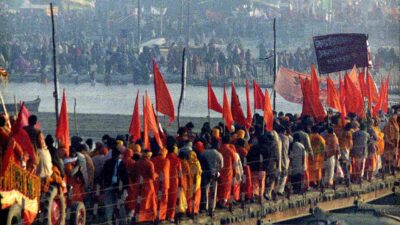
मेले में मुकेश की आवाज़ — नौशाद का लोक, शकील की तड़प, मिलन का दर्द।
भावउत्सव · पुरानी यादें · रोमांटिक
भाषाhindi गतिमध्यम स्वरूपएकल पुरुष
श्रेय
The Creditsबोल · The Lyrics
बोल — झलक · Lyrics Preview
आज की रात ये मेला, कल होगा काम-काजन।
aaj ki raat ye mela, kal hoga kaam-kaajan.
कॉपीराइट के कारण केवल झलक — पूरे बोल आधिकारिक मंचों पर।
सूत्र-वाक्य · The Hook
सूत्र-वाक्य
मेले में मुकेश की आवाज़ — नौशाद का लोक, शकील की तड़प, मिलन का दर्द।
In EnglishMukesh's voice at the fair — the folk of Naushad, the longing of Shakeel, the ache of reunion.
पट्टिका-लेख
The Monographपरिचय Overview
'मेला' (1948) के नौशाद के संगीत में 'गाए जा गीत मिलन के' केंद्रीय रोमांटिक एकल है — एक लोक-अनुरणन वाला नंबर जिसमें मुकेश की विशिष्ट ईमानदार, थोड़ी-सी तड़पती आवाज़ मिलन की धुन को गाँव के मेले की उत्सवी पृष्ठभूमि के सामने रखती है। शकील बदायूँनी का पाठ सरल और प्रत्यक्ष है सर्वोत्तम अर्थ में: यह मिलन-पल की क्षणभंगुरता की बात करता है, वह मेला जो समाप्त हो जाएगा।
अंग्रेज़ी में पढ़ें · Read in English
In Naushad's score for Mela (1948), 'Gaye Ja Geet Milan Ke' is the centrepiece romantic solo — a folk-inflected number in which Mukesh's characteristically earnest, slightly yearning voice sets the melody of reunion against the festive backdrop of the village fair. Shakeel Badayuni's text is simple and direct in the best sense: it speaks to the transience of the meeting-moment, the fair that will end. Naushad's orchestration keeps the arrangement rural — folk percussion, spare strings — and lets Mukesh's voice carry the emotional weight.
संगीत The Music
नौशाद का लोक-वाद्य सुनिश्चित है: ढोल-स्वर वाद्य, ग्रामीण पवन-यंत्र, तार संयमित रूप से उपयोग किए गए। धुन पेंटाटोनिक महसूस होती है — गाने योग्य, चौड़े मुँह वाली, खुले वातावरण के लिए निर्मित।
अंग्रेज़ी में पढ़ें · Read in English
Naushad's folk orchestration is deliberate: dhol-timbre percussion, rustic winds, strings used sparingly. The melody is pentatonic in feel — singable, wide-mouthed, built for open-air.
काव्य The Poetry
शकील उस बिंदु पर लिखते हैं जहाँ उत्सव और बिदाई आपस में मिलते हैं — मेला प्यार के स्थान के रूप में और उसके अंत के रूप में।
अंग्रेज़ी में पढ़ें · Read in English
Shakeel writes at the point where the celebration and the parting overlap — the fair as the site of love and of its ending.
कहानी The Story
मेला (1948) का निर्माण और निर्देशन एस.यू. सन्नी ने वाडिया मूवीटोन के लिए किया और इसमें दिलीप कुमार और नर्गिस ने एक गाँव की दुखद प्रेम-कहानी में अभिनय किया। दिलीप कुमार ने कथित तौर पर यह भूमिका स्वीकार करने में हिचकिचाहट दिखाई जब तक कि वे स्टूडियो नहीं पहुँचे और फ़िल्म का एक मुकेश पार्श्वगायन नहीं सुना — जिसके बाद उन्होंने भाग लेने की सहमति दी। नौशाद ने जो संगीत रचा उसे उन्होंने बाद में अपना 'गोल्डन जुबली मेला' कहा: फ़िल्म ने पचास सप्ताह लगभग अपने संगीत की ताक़त पर चलाई। 'गाए जा गीत मिलन के' केंद्रीय रोमांटिक एकल था, जो पूरी तरह लोक-ध्वनि बनावट से बना था: नौशाद ने जानबूझकर अपने दरबारी-संगीत कार्य की शास्त्रीय औपचारिकता से बचते हुए गाँव का तालवाद्य, विरल तार और खुले वातावरण के गायन के लिए निर्मित पेंटाटोनिक धुन तैनात की। मुकेश ने पूरी फ़िल्म में दिलीप कुमार के लिए पार्श्वगायन किया; यह जोड़ी — मुकेश की ईमानदार, थोड़ी तड़पती आवाज़ दिलीप कुमार के पर्दे पर व्यक्तित्व के लिए — देवदास (1955) सहित आगे की फ़िल्मों में जारी रहेगी।
अंग्रेज़ी में पढ़ें · Read in English
Mela (1948) was produced and directed by S. U. Sunny for Wadia Movietone and starred Dilip Kumar and Nargis in a tragic village love story. Dilip Kumar was reportedly reluctant to accept the role until he arrived at the studios and heard the opening lines of a Mukesh playback number from the film — at which point he agreed to participate. Naushad composed a score that he later described as his 'golden jubilee Mela': the film ran for fifty weeks largely on the strength of its music. 'Gaye Ja Geet Milan Ke' was the centrepiece romantic solo, built entirely from folk sonic textures: Naushad deliberately avoided the classical formality of his court-music work and instead deployed village percussion, sparse strings, and a pentatonic-feeling melody built for open-air singing. Mukesh gave playback for Dilip Kumar throughout the film; this pairing — Mukesh's earnest, slightly yearning timbre standing in for Dilip Kumar's screen persona — would continue in films including Devdas (1955). Mohammed Rafi also contributed one song to the album ('Ye Zindagi Ke Mele'), creating a contrast between the two male voices' different emotional colours.
विरासत The Legacy
नौशाद के लोक-शास्त्रीय संश्लेषण की मूलभूत रिकॉर्डिंग में से एक — 'मदर इंडिया' (1957) में वे जिस दृष्टिकोण को परिपूर्ण करेंगे वह यहाँ भ्रूण रूप में सुनाई देता है।
अंग्रेज़ी में पढ़ें · Read in English
One of the foundational recordings of Naushad's folk-classical synthesis — the approach he would perfect in Mother India (1957) is audible in embryo here.
वर्गीकरण
Classification- Tempo
- Medium
Genre
अन्य विवरण
More Details- https://en.wikipedia.org/wiki/Mela_(1948_film)
- https://madhulikaliddle.com/2025/04/30/mela-1948/
- https://www.hindigeetmala.net/movie/mela.htm
References
रोचक तथ्य
Margin Notesमेला (1948) का निर्देशन एस.यू. सन्नी ने वाडिया मूवीटोन के लिए किया था और इसमें दिलीप कुमार तथा नरगिस एक त्रासद ग्रामीण प्रेम कहानी में मुख्य भूमिकाओं में थे; यह 8 अक्टूबर 1948 को बंबई के एक्सेल्सियर सिनेमा में रिलीज़ हुई थी।
अंग्रेज़ी में पढ़ें · Read in English
Mela (1948) was directed by S. U. Sunny for Wadia Movietone and starred Dilip Kumar and Nargis in a tragic village love story; it was released on 8 October 1948 at Excelsior Cinema, Bombay.
कथित तौर पर दिलीप कुमार मेला में अभिनय करने के लिए अनिच्छुक थे, जब तक कि वे स्टूडियो नहीं पहुँचे और फिल्म के एक मुकेश गीत की शुरुआत नहीं सुनी, जिसने उन्हें भूमिका स्वीकार करने के लिए मना लिया।
अंग्रेज़ी में पढ़ें · Read in English
Dilip Kumar was reportedly reluctant to star in Mela until he arrived at the studios and heard the opening of a Mukesh song from the film, which pers귭 him to accept the role.
नौशाद ने मेला के थिएटर प्रदर्शन को अपना 'स्वर्ण जयंती' कहा — पचास सप्ताह का प्रदर्शन जो काफी हद तक संगीत से प्रेरित था — और इस फिल्म को उनके सबसे व्यावसायिक रूप से सफल लोक-रंजित स्कोरों में से एक के रूप में दस्तावेज़ीकृत किया गया है।
अंग्रेज़ी में पढ़ें · Read in English
Naushad called Mela's theatrical run his 'golden jubilee' — a fifty-week run driven substantially by the music — and the film is documented as one of his most commercially successful folk-flavoured scores.
मुकेश ने पूरे मेला में दिलीप कुमार के लिए पार्श्वगायन किया; उनकी जोड़ी — मुकेश की विरहभरी आवाज़ कुमार के पर्दे के व्यक्तित्व की आवाज़ के रूप में — देवदास (1955) और मधुमती (1958) सहित अभिनेता की कई सबसे प्रतिष्ठित फिल्मों में जारी रही।
अंग्रेज़ी में पढ़ें · Read in English
Mukesh gave playback for Dilip Kumar throughout Mela; their pairing — Mukesh's yearning timbre as the voice of Kumar's screen persona — continued through many of the actor's most iconic films including Devdas (1955) and Madhumati (1958).
मोहम्मद रफ़ी ने मेला एल्बम में एक गीत दिया, 'ये ज़िंदगी के मेले', जो मेले की पृष्ठभूमि में रचा गया था; उनकी अधिक उज्ज्वल आवाज़ और मुकेश की अधिक विषादपूर्ण आवाज़ के बीच का अंतर साउंडट्रैक को दो स्पष्ट रूप से भिन्न भावनात्मक रजिस्टर देता है।
अंग्रेज़ी में पढ़ें · Read in English
Mohammed Rafi contributed one song to the Mela album, 'Ye Zindagi Ke Mele', set in the fairground; the contrast between his brighter timbre and Mukesh's more melancholic tone gave the soundtrack two distinctly different emotional registers.
नमूना-पट्टी
The Specimen Table| शीर्षक | गाए जा गीत मिलन के · Gaye Ja Geet Milan Ke |
|---|---|
| फ़िल्म | मेला · 1948 |
| वर्ष · युग | 1948 — post independence |
| गायक | Mukesh |
| गीतकार | Shakeel Badayuni |
| संगीतकार | Naushad |
| स्वरूप | एकल पुरुष |
| गति | मध्यम |
| भाषा | hindi |
| भाव | उत्सव · पुरानी यादें · रोमांटिक |
| लोकप्रियता | Popular |
| बोल-स्थिति | केवल झलक |
जुड़े हुए पन्ने
Connected Plates · The Graph Made Visibleअटलस में कोई पन्ना अकेला नहीं — इस गीत से जुड़े गीत, कलाकार, फ़िल्म, राग-ताल-विधा, सब यहाँ से खुलते हैं।
मिलते-जुलते गीत · Related Songs
कलाकार · The Artists
फ़िल्म · The Film
साझा कीजिए · Share this Plate