गीत विंग · गीत-पट्टिका · Song Plate
दो नैना मतवारे
Do Naina Matware
सहगल अपनी सबसे मदहोश अवस्था में — प्रिया की आँखें एक ऐसा जादू जो स्वयं को भूला देता है।
भावउदास · दार्शनिक · रोमांटिक
भाषाhindi गतिधीमी स्वरूपएकल पुरुष
श्रेय
The Creditsसूत्र-वाक्य · The Hook
सूत्र-वाक्य
सहगल अपनी सबसे मदहोश अवस्था में — प्रिया की आँखें एक ऐसा जादू जो स्वयं को भूला देता है।
In EnglishSaigal at his most intoxicated — the beloved's eyes as a spell that undoes the self.
पट्टिका-लेख
The Monographपरिचय Overview
1944 तक के.एल. सहगल की आवाज़ अपने उत्तरकाल की पूर्ण शरद-समृद्धि में थी — कंपन अधिक उभरा हुआ, वाक्यांश अधिक अनुत्सुक, भावनात्मक बुद्धिमत्ता अक्षुण्ण पर युवा-उत्कटता से मुक्त। 'माय सिस्टर' का 'दो नैना मतवारे' उत्तरकालीन सहगल का सर्वोत्तम उदाहरण है: एक धीमा, ग़ज़ल-गति का ध्यान प्रिया की दृष्टि की मादक शक्ति पर, जिसे पंकज मलिक ने कलकत्ता स्कूल की संयम-कला से सजाया है।
अंग्रेज़ी में पढ़ें · Read in English
By 1944 K.L. Saigal's voice had settled into the full autumnal richness of its late period — the vibrato more pronounced, the phrasing more unhurried, the emotional intelligence intact but stripped of youthful urgency. 'Do Naina Matware' from New Theatres' My Sister is a quintessential late-Saigal number: a slow, ghazal-paced meditation on the intoxicating power of the beloved's gaze, set by Pankaj Mullick with the restraint of the Calcutta school. Saigal sings as though he is not performing but remembering, and the melancholy is real.
संगीत The Music
मलिक की व्यवस्था चेम्बर-छोटी है: हारमोनियम, सारंगी, तबला। कोई ऑर्केस्ट्रल सहारा नहीं। गाने की संरचना केवल सहगल की है — संगत उनके वाक्यांश के लिए जगह बनाए रखने के लिए है, रंग जोड़ने के लिए नहीं।
अंग्रेज़ी में पढ़ें · Read in English
Mullick's arrangement is chamber-small: harmonium, sarangi, tabla. No orchestral reinforcement. The architecture of the song is Saigal's alone — the accompaniment exists to hold space for his phrasing, not to add colour.
काव्य The Poetry
'मतवारे नैना' का बिम्ब हिंदी-उर्दू प्रेम-कविता का पुराना प्रसंग है, लेकिन गाने का भावनात्मक भार बोलों की मौलिकता से नहीं, सहगल के गायकी से आता है।
अंग्रेज़ी में पढ़ें · Read in English
The image of the 'matware naina' (intoxicating eyes) is a stock trope of Hindi-Urdu romantic poetry, but the song's emotional weight comes from Saigal's delivery rather than the lyric's originality.
कहानी The Story
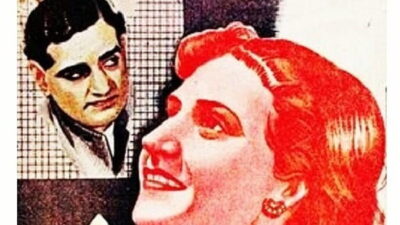
मेरी बहन (1944) वह अंतिम फ़िल्म थी जो के.एल. सहगल ने न्यू थिएटर्स कलकत्ता के लिए बनाई — वह स्टूडियो जिसने 1930 के दशक की शुरुआत से उनका करियर गढ़ा था। फ़िल्म द्वितीय विश्वयुद्ध के कलकत्ता की पृष्ठभूमि पर थी: जापानी वायुसेना ने दिसंबर 1942 में शहर पर बमबारी की थी, और 1943 के बंगाल-अकाल की स्मृति अभी ताज़ी थी। यह सामूहिक चिंता और हानि का संदर्भ फ़िल्म के भावनात्मक स्वर को सूचित करता था। सहगल उस समय तक बंबई जा चुके थे, लेकिन हेमचंद्र चंदर द्वारा निर्देशित इस अंतिम न्यू थिएटर्स प्रोडक्शन के लिए कलकत्ता लौटे। 'दो नैना मतवारे' पंकज मलिक द्वारा पंडित भूषण के बोलों पर रचित वह धीमा, ध्यानमग्न स्वर है जो मलिक ने फ़िल्म के सबसे अंतर्मुखी सहगल गीतों के लिए सुरक्षित रखा था। फ़िल्म 1944 की चौथी सबसे अधिक कमाई करने वाली भारतीय फ़िल्म थी।
अंग्रेज़ी में पढ़ें · Read in English
Meri Bahen (My Sister, 1944) was the last film K.L. Saigal made for New Theatres Calcutta, the studio that had shaped his career from the early 1930s. The film was set against the backdrop of World War II in Calcutta: Japanese aircraft had bombed the city in December 1942, and the city remained under wartime pressure through 1944, with the Bengal Famine of 1943 still in recent memory. This context of collective anxiety and loss informed the film's emotional register. Saigal had moved his professional base to Bombay by this point but returned to Calcutta specifically for this final New Theatres production, directed by Hemchandra Chunder. 'Do Naina Matware' — literally 'Two Intoxicated Eyes' — was composed by Pankaj Mullick with Pandit Bhushan's lyrics in the slow, contemplative mode that Mullick reserved for the film's most introspective Saigal numbers. The film was the fourth highest-grossing Indian film of 1944 and is described as Saigal's best New Theatres production in technical terms.
विरासत The Legacy
उत्तरकालीन सहगल का एक प्रतिनिधि दस्तावेज़ — उनकी पूर्ण रचनात्मक शक्ति के अंतिम उदाहरणों में से एक, उनकी मृत्यु से तीन साल पहले रिकॉर्ड किया गया। पंकज मलिक के लिए यह याद-दिलाना है कि सबसे शांत बंदिशें ही सबसे स्थायी संगीत रच सकती हैं।
अंग्रेज़ी में पढ़ें · Read in English
A representative late-Saigal document — one of the last examples of his full creative power, recorded three years before his death. For Pankaj Mullick, it is a reminder that the quietest settings could produce the most lasting music.
वर्गीकरण
Classification- Tempo
- Slow
Genre
अन्य विवरण
More Details- https://en.wikipedia.org/wiki/Meri_Bahen
- https://www.cinemaazi.com/people/k-l-saigal
- https://myswar.co/album/meri-bahen-1944
References
रोचक तथ्य
Margin Notesमेरी बहन (1944) के.एल. सहगल की अंतिम न्यू थिएटर्स कलकत्ता फ़िल्म थी; वे बॉम्बे जा चुके थे, लेकिन विशेष रूप से इस प्रस्तुति के लिए लौटे थे, जिसे कथित तौर पर वे उस स्टूडियो को दी गई विदाई श्रद्धांजलि मानते थे जिसने उन्हें प्रसिद्ध बनाया था।
अंग्रेज़ी में पढ़ें · Read in English
Meri Bahen (My Sister, 1944) was K.L. Saigal's last New Theatres Calcutta film; he had moved to Bombay but returned specifically for this production, which he reportedly regarded as a parting tribute to the studio that had made him famous.
यह फ़िल्म द्वितीय विश्व युद्ध के दौर के कलकत्ता की पृष्ठभूमि में स्थित थी: जापानी बमवर्षकों ने दिसंबर 1942 में शहर पर हमला किया था, और जब 1944 में फ़िल्मांकन हुआ तब भी शहर 1943 के बंगाल अकाल के प्रभाव से उबर नहीं पाया था।
अंग्रेज़ी में पढ़ें · Read in English
The film was set against WWII Calcutta: Japanese bombers had struck the city in December 1942, and the city was still reeling from the Bengal Famine of 1943 when shooting took place in 1944.
शीर्षक 'दो नैना मतवारे तिहारे' (जैसा कि कुछ सूचियों में दर्ज है) का अर्थ है 'तुम्हारी दो मतवाली आंखें' — स्वामित्वसूचक 'तिहारे' (तुम्हारे) यह दर्शाता है कि यह मादकता गायक पर प्रेयसी की शक्ति में निहित है।
अंग्रेज़ी में पढ़ें · Read in English
The title 'Do Naina Matware Tihare' (as some listings have it) means 'Your Two Intoxicated Eyes' — the possessive 'tihare' (yours) placing the intoxication in the beloved's power over the singer.
सहगल का निधन जनवरी 1947 में, लगभग 42 या 43 वर्ष की आयु में हुआ; 'दो नैना मतवारे' उनके निधन से लगभग तीन वर्ष पहले रिकॉर्ड किया गया था, जिससे यह उनके रचनात्मक शिखर के अंतिम कार्यों में गिना जाता है।
अंग्रेज़ी में पढ़ें · Read in English
Saigal died in January 1947, aged around 42 or 43; 'Do Naina Matware' was recorded approximately three years before his death, placing it among the final body of work from his creative peak.
नमूना-पट्टी
The Specimen Table| शीर्षक | दो नैना मतवारे · Do Naina Matware |
|---|---|
| फ़िल्म | मेरी बहन · 1944 |
| वर्ष · युग | 1944 — pre independence |
| गायक | K.L. Saigal |
| गीतकार | Pandit Bhushan |
| संगीतकार | Pankaj Mullick |
| स्वरूप | एकल पुरुष |
| गति | धीमी |
| भाषा | hindi |
| भाव | उदास · दार्शनिक · रोमांटिक |
| लोकप्रियता | Popular |
| बोल-स्थिति | केवल झलक |
जुड़े हुए पन्ने
Connected Plates · The Graph Made Visibleअटलस में कोई पन्ना अकेला नहीं — इस गीत से जुड़े गीत, कलाकार, फ़िल्म, राग-ताल-विधा, सब यहाँ से खुलते हैं।
मिलते-जुलते गीत · Related Songs
कलाकार · The Artists
फ़िल्म · The Film
साझा कीजिए · Share this Plate