गीत विंग · गीत-पट्टिका · Song Plate
दिवाली फिर आ गई सजनी
Diwali Phir Aa Gayi Sajni
हिंदी सिनेमा के सबसे पुराने दिवाली गीतों में से एक — आज भी त्योहार के गीतों की किसी भी सूची में इसका उल्लेख होता है।
भावउत्सव · पुरानी यादें
भाषाhindi-punjabi गतिमध्यम स्वरूपएकल महिला
श्रेय
The Creditsसूत्र-वाक्य · The Hook
सूत्र-वाक्य
हिंदी सिनेमा के सबसे पुराने दिवाली गीतों में से एक — आज भी त्योहार के गीतों की किसी भी सूची में इसका उल्लेख होता है।
In EnglishOne of Hindi cinema's earliest Diwali songs — still cited in any roll-call of festival numbers.
पट्टिका-लेख
The Monographपरिचय Overview
ख़ज़ानची (1941) से शमशाद बेगम का एकल गीत, और हिंदी सिनेमा के सबसे पुराने तथा सर्वाधिक उद्धृत दिवाली गीतों में से एक। पंचोली पिक्चर्स की फ़िल्म के लिए ग़ुलाम हैदर द्वारा रचित, यह त्योहार के गीतों की सूचियों में एक स्थायी नाम बन गया और हिंदी फ़िल्म संगीत में दिवाली-गीत परंपरा के लिए एक कसौटी बना हुआ है।
अंग्रेज़ी में पढ़ें · Read in English
A Shamshad Begum solo from Khazanchi (1941), and one of the earliest and most frequently cited Diwali songs in Hindi cinema. Composed by Ghulam Haider for the Pancholi Pictures film, it became a fixture in lists of festival songs and remains a touchstone for the Diwali-song tradition in Hindi film music.
काव्य The Poetry
1941 की हिंदी फ़िल्म में दीवाली को समर्पित एक गीत एक सुस्थापित काव्य-परिपाटी में काम करता है: त्योहार समय और विरह के संकेतक के रूप में, प्रकाश की वापसी एक साथ शाब्दिक और भावनात्मक घटना के रूप में। 'सजनी' का संबोधन — प्रिया या घनिष्ठ सखी के लिए एक शब्द — गीत को शृंगार के दायरे में रखता है, भले ही एक सामूहिक उत्सव मनाया जा रहा हो — एक दोहरी स्थिति जो ब्रज भाषा शास्त्रीय कविता और लोक-गीत दोनों में सामान्य है। वली साहब का पाठ, लाहौर के पंचोली स्टूडियो के अनुरूप पंजाबी उत्सव-मुहावरे पर आधारित, दीपों, पटाखों और उत्सव के बिम्बों का उपयोग एक रोमांटिक विषय को लपेटने के लिए करता होगा — त्योहार एक ऐसे क्षण के रूप में जब विरह एक साथ तीव्र (प्रिया अनुपस्थित है) और प्रत्याशित (ऋतु के साथ मिलन आ सकता है)। ढोलक की लय और शमशाद बेगम की मज़बूत, बेझिझक प्रस्तुति गीत को चिंतन के बजाय सीधे संबोधन में बदलती है — जो दीवाली गीतों के कार्य के अनुरूप है: सहभागी, चिंतनशील नहीं।
अंग्रेज़ी में पढ़ें · Read in English
A lyric dedicated to Diwali in a Hindi film of 1941 operates within a well-established poetic convention: the festival as a marker of time and longing, the return of light as both literal and emotional event. The address 'sajni' — a term for beloved or intimate female friend — locates the song within the shringar (romantic) register even while celebrating a communal festival, a dual positioning common in both Braj Bhasha classical poetry and folk song. Wali Sahib's text, drawing on the Punjabi festive idiom natural to Lahore's Pancholi studio, would have used the imagery of lamps, fireworks, and celebration to frame a romantic theme — the festival as a moment when longing is at once sharpened (the beloved is absent) and anticipated (reunion may come with the season). The dholak rhythm and Shamshad Begum's robust, unhesitating delivery make the lyric a direct address rather than a meditation, suited for a large audience to receive communally — which is how Diwali songs function, as participatory rather than contemplative pieces.
कहानी The Story
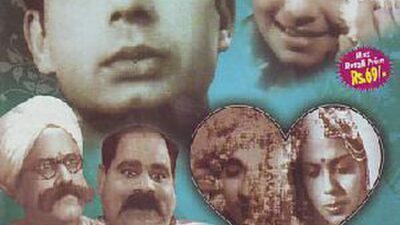
ख़ज़ानची (1941) दलसुख पंचोली की पंचोली आर्ट पिक द्वारा लाहौर में निर्मित थी और 1940 के दशक की शुरुआत की सबसे अधिक व्यावसायिक रूप से सफल हिंदी फ़िल्मों में से एक बनी, जो कुछ सिनेमाघरों में एक वर्ष से अधिक तक चली। फ़िल्म एक संगीतमय अपराध-नाटक था, और इसकी सफलता काफ़ी हद तक ग़ुलाम हैदर के संगीत से प्रेरित थी — एक लोक-प्रभावित, लयबद्ध रूप से सीधी ध्वनि जो कलकत्ता के न्यू थिएटर्स के अधिक शास्त्रीय-उन्मुख दृष्टिकोण के विपरीत थी। 'दिवाली फिर आ गई सजनी' उन कई गीतों में था जिन्होंने शमशाद बेगम को एक नामी गायिका के रूप में स्थापित करने में मदद की। ग़ुलाम हैदर की ढोलक-आधारित लोक-ताल को एक संरचनात्मक नींव के रूप में उपयोग करने की विधि ने ख़ज़ानची के गीतों को पूरे उत्तर भारत में, विशेष रूप से पंजाब में, तुरंत सुलभ बना दिया।
अंग्रेज़ी में पढ़ें · Read in English
Khazanchi (1941) was produced by Dalsukh Pancholi's Pancholi Art Pic in Lahore and became one of the most commercially successful Hindi films of the early 1940s, running in some cinemas for over a year. The film was a musical crime drama, and its success was driven substantially by Ghulam Haider's music — a folk-infused, rhythmically direct sound that contrasted with the more classically oriented approach of Calcutta's New Theatres. 'Diwali Phir Aa Gayi Sajni' was among several songs that helped establish Shamshad Begum as a name singer, having already been active in Lahore's radio and recording circuit before the film. Ghulam Haider's method of using dholak-led folk rhythm as a structural foundation — departing from the more harmonium-centred arrangements dominant in Calcutta productions — made Khazanchi's songs immediately accessible to audiences across North India, particularly Punjab. The film's Lahore provenance and its folk-pop sound placed it in an aesthetic tradition distinct from Bombay or Calcutta, one that influenced the direction of Hindi film music as talent from Lahore moved to Bombay in the years around Partition.
विरासत The Legacy
'दिवाली फिर आ गई सजनी' हिंदी फ़िल्म संगीत के इतिहास में एक विशिष्ट स्थान रखता है — मुख्यधारा सिनेमा के रंगपटल में सबसे पहले पहचाने जाने वाले दीवाली-विषयक गीतों में से एक के रूप में, उस त्योहार-गीत परंपरा से पहले जिसे बॉलीवुड 1950 के दशक से व्यापक रूप से विकसित करेगा। ग़ुलाम हैदर के करियर-प्रक्षेपवक्र को अतिरिक्त महत्त्व देता है: वे विभाजन से कुछ पहले बंबई गए, जहाँ उन्होंने युवा लता मंगेशकर को उनकी आरंभिक फ़िल्म भूमिकाओं के लिए ऑडिशन दिया और उनका समर्थन किया — जिससे वे यहाँ दर्ज लाहौरी लोक-फ़िल्म ध्वनि और उसके बाद आई बंबई स्टूडियो प्रणाली के बीच एक सीधे सेतु बने।
अंग्रेज़ी में पढ़ें · Read in English
"Diwali Phir Aa Gayi Sajni" occupies a specific place in Hindi film music history as one of the earliest identifiable Diwali-themed songs in the mainstream cinema repertoire, predating the festival-song tradition that Bollywood would develop extensively from the 1950s onward. Ghulam Haider's career trajectory gives it additional significance: he moved to Bombay shortly before Partition, where he auditioned and championed a young Lata Mangeshkar for her early film roles — making him a direct bridge between the Lahore folk-film sound documented here and the Bombay studio system that succeeded it. The song is regularly cited in retrospectives of Hindi film festival songs as the founding entry in the Diwali-song tradition.
वर्गीकरण
Classification- Tempo
- Medium
Genre
अन्य विवरण
More Details- Wikipedia: Khazanchi (1941 film)
- Wikipedia: Ghulam Haider
- Wikipedia: Shamshad Begum
- Wikipedia: Pancholi Art Pic
- Ranade, Ashok. Hindi Film Song (2006)
- Barnouw, Erik & Krishnaswamy, S. Indian Film (1963, rev. 1980)
References
रोचक तथ्य
Margin Notesग़ुलाम हैदर (1908–1953) को लता मंगेशकर का समर्थन करने वाले पहले संगीत निर्देशक के रूप में दर्ज किया गया है, जिन्होंने उनका गायन सुनकर निर्माताओं से आग्रहपूर्वक कहा था कि वे एक प्रमुख आवाज़ बनेंगी — यह दावा बाद में कई आत्मकथात्मक विवरणों और संगीत इतिहासों में सत्यापित हुआ।
अंग्रेज़ी में पढ़ें · Read in English
Ghulam Haider (1908–1953) is documented as the first music director to champion Lata Mangeshkar, having heard her sing and insisted to producers that she would become a major voice — a claim later confirmed in multiple autobiographical accounts and music histories.
खज़ांची (1941) इतनी व्यावसायिक रूप से सफल रही कि कहा जाता है यह लाहौर के सिनेमाघरों में एक वर्ष से अधिक समय तक चली, और इसने पांचोली पिक्चर्स को विभाजन-पूर्व लाहौर के प्रमुख स्टूडियो के रूप में स्थापित करने में मदद की, जो राष्ट्रीय पहुंच में बॉम्बे की बॉम्बे टॉकीज़ और कलकत्ता के न्यू थिएटर्स को टक्कर देता था।
अंग्रेज़ी में पढ़ें · Read in English
Khazanchi (1941) was so commercially successful that it reportedly ran for more than a year in Lahore cinemas and helped establish Pancholi Pictures as the dominant studio in pre-Partition Lahore, rivalling Bombay's Bombay Talkies and Calcutta's New Theatres in national reach.
शमशाद बेगम (1919-2013) ने फ़िल्मों में आने से पहले लाहौर में ऑल इंडिया रेडियो के लिए गाकर अपना पेशेवर करियर शुरू किया था; उनकी आवाज़ की शक्ति और प्रक्षेपण — जो गुण उनके खज़ांची गीतों की हर समीक्षा में उल्लेखित हैं — रेडियो के माहौल में विकसित हुए, इससे पहले कि उन्होंने इन्हें स्टूडियो फ़िल्म रिकॉर्डिंग के अनुरूप ढाला।
अंग्रेज़ी में पढ़ें · Read in English
Shamshad Begum (1919–2013) began her professional career singing for All India Radio in Lahore before entering films; her voice's power and projection — qualities noted in all reviews of her Khazanchi songs — were developed in the radio environment before she adapted them for studio film recording.
ग़ुलाम हैदर ने खज़ांची में जिस ढोलक-प्रधान लोक-लयबद्ध ढांचे का प्रयोग किया, उसे बाद में बॉम्बे के पंजाबी मूल के संगीतकारों, विशेष रूप से ओ.पी. नैयर ने सीधे अपनाया, जिससे लाहौर के लोक संगीत से लेकर 1950 के दशक के बॉम्बे के लोकप्रिय गीत तक एक शैलीगत विरासत बनी।
अंग्रेज़ी में पढ़ें · Read in English
The dholak-driven folk rhythmic framework Ghulam Haider used in Khazanchi was directly inherited by later Punjabi-origin composers in Bombay, notably O.P. Nayyar, creating a stylistic lineage from Lahore folk music to 1950s Bombay popular song.
यह गीत डिजिटल संग्रह में मौजूद 1945-पूर्व के उन गिने-चुने हिंदी फ़िल्मी त्योहार-गीतों में से एक है; फ़िल्म-संगीत लेखन में उल्लिखित अधिकांश दीवाली-गीत परंपराएं 1950 के दशक के उदाहरणों से शुरू होती हैं, जिससे 1941 का यह उदाहरण एक ऐतिहासिक रूप से महत्वपूर्ण, पूर्ववर्ती चिह्न बन जाता है।
अंग्रेज़ी में पढ़ें · Read in English
This song is among the small number of pre-1945 Hindi film festival songs in the digitised archive; most Diwali-song traditions cited in film-music writing begin with 1950s examples, making this 1941 instance a historically significant earlier marker.
नमूना-पट्टी
The Specimen Table| शीर्षक | दिवाली फिर आ गई सजनी · Diwali Phir Aa Gayi Sajni |
|---|---|
| फ़िल्म | ख़ज़ानची · 1941 |
| वर्ष · युग | 1941 |
| गायक | Shamshad Begum |
| गीतकार | Wali Saheb |
| संगीतकार | Ghulam Haider |
| स्वरूप | एकल महिला |
| गति | मध्यम |
| भाषा | hindi-punjabi |
| भाव | उत्सव · पुरानी यादें |
| लोकप्रियता | Popular |
| बोल-स्थिति | केवल झलक |
जुड़े हुए पन्ने
Connected Plates · The Graph Made Visibleअटलस में कोई पन्ना अकेला नहीं — इस गीत से जुड़े गीत, कलाकार, फ़िल्म, राग-ताल-विधा, सब यहाँ से खुलते हैं।
मिलते-जुलते गीत · Related Songs
कलाकार · The Artists
फ़िल्म · The Film
साझा कीजिए · Share this Plate