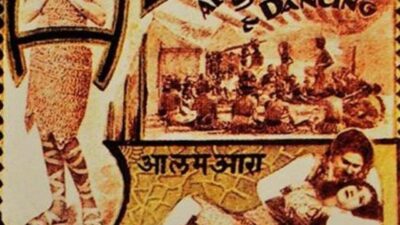
गीत विंग · गीत-पट्टिका · Song Plate
बदला दिलवाएगा या रब तू सितमगरों से
Badla Dilwayega Ya Rab Tu Sitamgaron Se
सितमगरों के विरुद्ध इंसाफ़ की पुकार, जो भारत के पहले बोलते परदे से उठी — और जिसका शीर्षक छोड़ हर शब्द अब खो चुका है।
भावतीव्र · उदास
भाषाUrdu · Hindi
श्रेय
The Creditsबोल · The Lyrics
पूरे बोल · Full Lyrics
शब्दकोश
Word Meaningsसूत्र-वाक्य · The Hook
सूत्र-वाक्य
सितमगरों के विरुद्ध इंसाफ़ की पुकार, जो भारत के पहले बोलते परदे से उठी — और जिसका शीर्षक छोड़ हर शब्द अब खो चुका है।
In EnglishA cry for justice against tyrants, sung on India's first talking screen — every word of it now lost except the title.
पट्टिका-लेख
The Monographपरिचय Overview
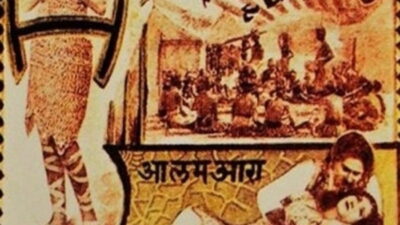
'बदला दिलवाएगा या रब तू सितमगरों से' भारत की पहली सवाक् फ़िल्म आलम आरा (1931) के सात गीतों में से है — पारसी-रंगमंचीय अंदाज़ में ईश्वरीय न्याय की गुहार, जिसका श्रेय परम्परा नायिका ज़ुबैदा की अपनी आवाज़ को देती है। कैमरे के सामने सजीव गाया गया, कभी तवे पर नहीं उतरा — और शीर्षक-पंक्ति के सिवा पूरा गीत खो चुका है।
अंग्रेज़ी में पढ़ें · Read in English
'Badla Dilwayega Ya Rab Tu Sitamgaron Se' is one of the seven songs of Alam Ara (1931), India's first sound film — a plea for divine justice in the Parsi-theatre register, commonly attributed to the heroine Zubeida's own voice. Sung live on camera and never put on disc, it is lost except for its title line.
संगीत The Music
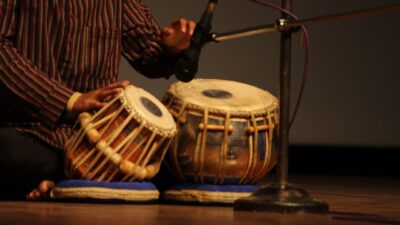
आलम आरा के सातों गीतों की तरह यह भी स्टूडियो के फ़र्श पर, छिपे माइक्रोफ़ोनों के सामने सजीव गाया गया — हारमोनियम-तबला कैमरे की बग़ल में, और टैनार प्रणाली ध्वनि को सीधे फ़िल्म पर उकेरती हुई। इसकी धुन का कोई ब्यौरा दर्ज नहीं — आरंभिक टॉकी प्रचार-सामग्री में न स्वरलिपि छपती थी, न संगीतकार का नाम — सो यह संगीत आज केवल फ़िल्मोग्राफ़ियों की एक पंक्ति में, और पहले दर्शकों की उन स्मृतियों में बसता है जो कभी लिखी नहीं गईं।
अंग्रेज़ी में पढ़ें · Read in English
Like all of Alam Ara's seven songs, this one was performed live on the studio floor into hidden microphones, with harmonium and tabla beside the camera and the Tanar system cutting sound straight onto film. Nothing of its melody is documented — early talkie publicity never printed notation or even composer names — so the music exists today only as an entry in filmographies and in the memories its first audiences left unwritten.
काव्य The Poetry
शीर्षक-पंक्ति ठेठ पारसी-थिएटर उर्दू है: या रब, सितमगर, बदला — 1910–20 के दशकों के उर्दू रंगमंच का वही नाटकीय रजिस्टर जिससे जोसेफ़ डेविड और पूरी आलम आरा की भाषा निकली थी। यह एक बंदी की पुकार है कि हिसाब अब ख़ुद ख़ुदा लेगा — मज़लूम बनाम ज़ालिम का रंगमंचीय महाभाव, नए माध्यम के परदे पर।
अंग्रेज़ी में पढ़ें · Read in English
The title line is pure Parsi-theatre Urdu: ya Rab (O Lord), sitamgar (oppressor), badla (requital) — the melodramatic register of the 1910s–20s Urdu stage from which Joseph David and Alam Ara's whole idiom came. A captive's plea that God himself will exact the reckoning, it carried the stage's grandest emotion — mazloom versus zaalim, the wronged against the tyrant — into the new medium.
कहानी The Story
आलम आरा का कथानक महल के षड्यंत्र पर टिका था — साज़िश रचती रानी दिलबहार, अन्याय का शिकार सेनापति आदिल क़ैद में, उसकी बेटी आलम आरा बंजारों में पलती हुई। सितमगरों से बदले की गुहार लगाता गीत अन्याय और न्याय-प्रतिष्ठा की इस कथा में सहज बैठता है — हालाँकि कोई बचा हुआ स्रोत यह दर्ज नहीं करता कि यह फ़िल्म में कहाँ आता था और परदे पर किसने गाया; परम्परा इसे फ़िल्म की नायिका ज़ुबैदा के नाम करती है, जिन्होंने — हर आरंभिक टॉकी कलाकार की तरह — अपनी ही आवाज़ में गाया होगा।
अंग्रेज़ी में पढ़ें · Read in English
Alam Ara's plot turned on palace intrigue — the scheming queen Dilbahar, the wronged general Adil cast into prison, his daughter Alam Ara raised among nomads. A song pleading for vengeance upon oppressors belongs naturally to this story of injustice and restoration, though no surviving source records exactly where in the film it fell or who sang it on screen; tradition assigns it to Zubeida, the film's heroine, who like all early talkie actors would have sung with her own voice.
विरासत The Legacy
यह गीत फ़िल्मोग्राफ़ियों में एक अकेली पंक्ति के रूप में बचा है — और वही अकेली पंक्ति अमूल्य है: यह आरंभिक प्रमाणों में है कि पहली हिंदी टॉकी आख़िर गाती क्या थी। फ़क़ीर के गीत के साथ मिलकर यह दिखाती है कि आलम आरा का संगीत पहले ही उन दो ध्रुवों को छू रहा था जिनके बीच हिंदी फ़िल्म-संगीत दशकों बसने वाला था: गली का भक्ति-गीत और मज़लूम की ऊँची नाटकीय पुकार।
अंग्रेज़ी में पढ़ें · Read in English
The song survives as a single line in the filmographies — and that single line is precious: it is among the earliest evidence of what the first Hindi talkie actually sang about. Together with the fakir's song, it shows Alam Ara's score already spanning the two poles Hindi film music would inhabit for decades: the devotional street song and the high-melodrama cry of the wronged.
वर्गीकरण
ClassificationGenre
अन्य विवरण
More Details- Alam Ara — Wikipedia (soundtrack listing)
References
रोचक तथ्य
Margin Notesमानक फ़िल्मोग्राफ़ियाँ आलम आरा के सात गीत गिनाती हैं; उनमें से एक भी ऑडियो में नहीं बचा।
अंग्रेज़ी में पढ़ें · Read in English
Standard filmographies list seven songs for Alam Ara; not one of them survives in audio.
आरंभिक टॉकीज़ के टाइटलों में गायकों के नाम नहीं होते थे — जब कलाकार ख़ुद गाते थे, तो 'पार्श्वगायक' को श्रेय देने की कल्पना ही नहीं थी।
अंग्रेज़ी में पढ़ें · Read in English
Early talkie credits named no singers — the very idea of crediting a 'playback singer' did not exist when actors sang for themselves.
नमूना-पट्टी
The Specimen Table| शीर्षक | बदला दिलवाएगा या रब तू सितमगरों से · Badla Dilwayega Ya Rab Tu Sitamgaron Se |
|---|---|
| फ़िल्म | आलम आरा · 1931 |
| वर्ष · युग | 1931 — Early Talkie Era |
| गायक | Zubeida |
| गीतकार | Joseph David |
| संगीतकार | अप्रलेखित |
| भाषा | Urdu · Hindi |
| वाद्य | harmonium · tabla |
| भाव | तीव्र · उदास |
| बोल-स्थिति | सार्वजनिक |
जुड़े हुए पन्ने
Connected Plates · The Graph Made Visibleअटलस में कोई पन्ना अकेला नहीं — इस गीत से जुड़े गीत, कलाकार, फ़िल्म, राग-ताल-विधा, सब यहाँ से खुलते हैं।
मिलते-जुलते गीत · Related Songs
कलाकार · The Artists
फ़िल्म · The Film
साझा कीजिए · Share this Plate