गीत विंग · गीत-पट्टिका · Song Plate
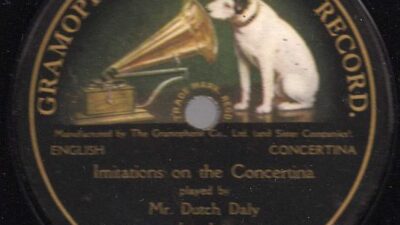
के.सी. डे के भक्ति-तवे, 1933
Devotional Sides of K.C. Dey, 1933
वह दृष्टिहीन गायक जिसने टॉकीज़ को भक्ति की आवाज़ सिखाई।
भावभक्ति · Poignant
भाषाhindi-bengali
श्रेय
The Creditsसूत्र-वाक्य · The Hook
सूत्र-वाक्य
वह दृष्टिहीन गायक जिसने टॉकीज़ को भक्ति की आवाज़ सिखाई।
In EnglishThe blind singer who taught the talkies how devotion sounds.
पट्टिका-लेख
The Monographपरिचय Overview
1933 जितना सहगल का था उतना ही के.सी. डे का: परदे पर 'पूरन भगत' में और तवे-दर-तवे, उनकी ऊँची कीर्तन-पुकार — बिना अलंकार, बिना आड़ — ने आरंभिक फ़िल्म-संगीत को उसका भक्ति-विवेक दिया। जहाँ सहगल फुसफुसाते थे, डे पुकारते थे; दोनों के बीच न्यू थिएटर्स के पास भाव के दोनों ध्रुव थे।
अंग्रेज़ी में पढ़ें · Read in English
1933 was K.C. Dey's year as much as Saigal's: on screen in Puran Bhagat and on disc after disc, his high keertan-cry — unornamented, unguarded — gave early film music its devotional conscience. Where Saigal whispered, Dey called out; between them New Theatres owned both poles of feeling.
संगीत The Music
न्यूनतम संगत पर कीर्तन-जड़ धुन — डे का ऊँचा स्वर, बिना अलंकार की ओट के, भक्ति का समर्पण उठाए हुए।
अंग्रेज़ी में पढ़ें · Read in English
Keertan-rooted melody over minimal accompaniment — Dey's high register carrying devotional surrender without ornament's screen.
काव्य The Poetry
विश्वास और बेबसी के भक्ति-पाठ — उस अंधे संत की वाणी, जिसे डे ने परदे और तवे दोनों पर जिया।
अंग्रेज़ी में पढ़ें · Read in English
Bhakti texts of trust and helplessness — the blind seer's idiom that Dey embodied on screen and disc alike.
कहानी The Story
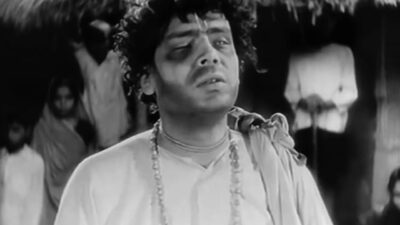
1933 दो एक साथ चलने वाले मोर्चों पर के.सी. डे का निर्णायक वर्ष था: परदे पर 'पूरन भगत' (निर्देशन देबकी बोस, न्यू थिएटर्स) में, जहाँ उन्होंने अंधे भक्त सूरदास की भूमिका निभाई, और एचएमवी के कलकत्ता स्टूडियो में, जहाँ उन्होंने भक्ति-तवे काटे जो उन दर्शकों तक पहुँचे जो सिनेमा नहीं जा सकते थे या उसकी पहुँच नहीं थी। परदे पर उनका अंधे गायक का व्यक्तित्व और परदे के बाहर उनकी वास्तविक दृष्टिहीनता ने एक दुर्लभ अभिसरण बनाया — 'पूरन भगत' देखने वाले दर्शक पहले से ही डे की आवाज़ को प्रामाणिक भक्ति से जोड़ते थे, और ग्रामोफ़ोन-तवों ने घर में उस साहचर्य को दृढ़ किया। 1933 की एचएमवी रिकॉर्डिंग उसी भजन और कीर्तन के रंगपटल पर आधारित थी जिसने 1920 के दशक से उनके पूर्व-फ़िल्म करियर की नींव बनाई थी। समकालीन समीक्षाएँ उनकी आवाज़ को 'बेपर्दा' कहती हैं — एक गुण जो शास्त्रीय प्रशिक्षित कलाकारों के अधिक सँवरे गायन से अलग माना गया, और भक्ति सामग्री के लिए विशेष रूप से उपयुक्त प्रामाणिकता के रूप में समझा गया।
अंग्रेज़ी में पढ़ें · Read in English
1933 was K.C. Dey's defining year on two simultaneous fronts: on screen in Puran Bhagat (dir. Debaki Bose, New Theatres), where he played the blind bhakta Surdas, and in HMV's Calcutta studio, where he cut devotional sides that circulated to audiences who could not afford or access the cinema. His blind singer persona on screen and his actual blindness off it created a rare convergence — audiences watching Puran Bhagat already associated Dey's voice with authentic devotion, and the gramophone sides reinforced that association in the home. The 1933 HMV recordings drew on the same bhajan and kirtan repertoire that had anchored his pre-film career, which dated to the 1920s. New Theatres, where Dey was a contracted artist, maintained an arrangement with HMV that allowed artists' recordings to benefit from the studio's publicity machinery, and Dey's discs were explicitly marketed alongside the Puran Bhagat release. Contemporary reviews describe his voice as 'unguarded' — a quality noted as distinct from the more schooled, decorated singing of classical-trained artists, and understood as an authenticity particularly suited to devotional material. His high register — unusual for a male vocalist — gave his bhajan singing an intensity that resonated with the keertan tradition he had trained in.
विरासत The Legacy
भतीजे मन्ना डे के रास्ते इस आवाज़ का अनुशासन अक्षुण्ण पार्श्वगायन-युग तक पहुँचा।
अंग्रेज़ी में पढ़ें · Read in English
Through his nephew Manna Dey, this voice's discipline reached the playback era intact.
वर्गीकरण
ClassificationGenre
अन्य विवरण
More Details- Wikipedia: K. C. Dey
- Wikipedia: Puran Bhagat (1933 film)
- Wikipedia: Manna Dey
- Ranade, Ashok. Hindi Film Song (2006)
- Barnouw, Erik & Krishnaswamy, S. Indian Film (1963, rev. 1980)
References
रोचक तथ्य
Margin Notesके.सी. डे (कृष्णचंद्र डे, 1893-1981) जन्म से ही दृष्टिहीन थे और फ़िल्मी करियर से पहले बंगाल में कीर्तन गायक के रूप में प्रशिक्षित हुए थे; उनके भतीजे मन्ना डे (1919-2013) स्वर्ण युग के सबसे बहुमुखी पार्श्वगायकों में से एक बने, जिन्होंने परिवार के संगीत अनुशासन को एक नए संदर्भ में आगे बढ़ाया।
अंग्रेज़ी में पढ़ें · Read in English
K.C. Dey (Krishnachandra Dey, 1893–1981) was born blind and trained as a keertan singer in Bengal before his film career; his nephew Manna Dey (1919–2013) became one of the most versatile playback singers of the golden era, carrying the family's musical discipline into a new context.
'पूरन भगत' (1933), न्यू थिएटर्स की वह फ़िल्म जिसमें डे ने अंधे संत सूरदास की भूमिका निभाई थी, देवकी बोस द्वारा निर्देशित थी और इसे प्रारंभिक भारतीय सिनेमा की एक ऐतिहासिक भक्ति फ़िल्मों में गिना जाता है — इसके भक्ति गीतों, जिनमें के.सी. डे के श्रेय वाली रचनाएं भी शामिल हैं, ने संत-फ़िल्म शैली के लिए एक आदर्श ढांचा स्थापित किया।
अंग्रेज़ी में पढ़ें · Read in English
Puran Bhagat (1933), the New Theatres film in which Dey played the blind saint Surdas, was directed by Debaki Bose and is considered one of the landmark devotional films of early Indian cinema — its devotional songs, including compositions credited to K.C. Dey, set the template for the saint-film genre.
के.सी. डे की एचएमवी रिकॉर्डिंग्स स्टूडियो की सूची में असामान्य थीं क्योंकि उनमें उस समय हावी सहज उपशास्त्रीय या फ़िल्मी गीत प्रारूपों के बजाय एक प्रबल कीर्तन प्रभाव (प्रश्नोत्तर शैली का भक्ति गायन) मौजूद था; कंपनी ने इन्हें एक विशेषज्ञ भक्ति श्रेणी के रूप में प्रस्तुत किया।
अंग्रेज़ी में पढ़ें · Read in English
K.C. Dey's HMV recordings were unusual in the studio's catalogue because they carried a strong keertan influence (call-and-response devotional chanting) rather than the smoother light-classical or film-song formats that dominated; the company positioned them as a specialist devotional line.
बंगाल में उनकी उपाधि — 'अंध महाशय' — उनकी दिव्यांगता और उनकी आवाज़ को मिलने वाले सम्मान, दोनों को दर्शाती थी; समकालीन विवरणों में बताया गया है कि उनके मंचीय प्रदर्शनों के दौरान दर्शक मौन खड़े रहते थे।
अंग्रेज़ी में पढ़ें · Read in English
His title in Bengal — 'Andha Mahasaya' (the blind gentleman) — reflected both his disability and the respect his voice commanded; contemporary accounts describe audiences standing in silence during his stage performances.
'देवदास' (1935) का गीत 'दिल का खिलौना हाय टूट गया', जिसे के.सी. डे ने गाया था, 1930 के दशक के हिंदी सिनेमा की सबसे प्रशंसित रिकॉर्डिंग्स में से एक बन गया, जिसने साबित किया कि उनकी गायन शैली भक्ति और शृंगारिक दोनों स्वरूपों में समान रूप से सफल हो सकती थी।
अंग्रेज़ी में पढ़ें · Read in English
The song 'Dil Ka Khilona Haaye Toot Gaya' from Devdas (1935), sung by K.C. Dey, became one of the most celebrated recordings of 1930s Hindi cinema, demonstrating that his vocal style could s쳮d across devotional and romantic registers equally.
नमूना-पट्टी
The Specimen Table| शीर्षक | के.सी. डे के भक्ति-तवे, 1933 · Devotional Sides of K.C. Dey, 1933 |
|---|---|
| वर्ष · युग | 1933 |
| गायक | K.C. Dey |
| गीतकार | पारंपरिक |
| भाषा | hindi-bengali |
| भाव | भक्ति · Poignant |
| लोकप्रियता | Popular |
| बोल-स्थिति | सार्वजनिक |
जुड़े हुए पन्ने
Connected Plates · The Graph Made Visibleअटलस में कोई पन्ना अकेला नहीं — इस गीत से जुड़े गीत, कलाकार, फ़िल्म, राग-ताल-विधा, सब यहाँ से खुलते हैं।
मिलते-जुलते गीत · Related Songs
कलाकार · The Artists
साझा कीजिए · Share this Plate