शास्त्र विंग · वाद्य-पट्टिका · Instrument Plate
तुम्बकनाड़ी
Tumbaknari
अन्य नामतुम्बकनैर · तुम्बक · तुम्बकनाड़ · Tumbaknaer
परिचय
Overviewतुम्बकनाड़ी कश्मीर की मिट्टी से गढ़ी धड़कन है — पके गारे का एक प्याला, ऊपर बकरे की कसी खाल और नीचे एक लंबी खोखली गर्दन जिसमें बास गूँजती है। यह आँगन का वाद्य है, दरबार का नहीं; शादी की मेहँदी-रातों में स्त्रियों के घेरे में 'वनवुन' के साथ बजता, रौफ़ नृत्य और भांड पाथर लोकनाट्य में थिरकता, और नौत के साथ जोड़ी बनाकर घाटी की सबसे पहचानी लोक-ताल रचता।
अंग्रेज़ी में पढ़ें · Read in English
The tumbaknari is Kashmir's heartbeat shaped from clay — a cup of baked earth, a taut goat-skin head above and a long hollow stem below in which the bass resounds. It is an instrument of the courtyard, not the court; sounding with 'wanwun' in circles of women on wedding henna nights, moving through the rouf dance and Bhand Pather folk theatre, and pairing with the nout to make the most recognisable folk groove of the Valley.
वर्गीकरण
ClassificationNatya Shastra Category
अवनद्ध (Avanaddha - covered/membrane percussion instruments)
नाट्यशास्त्र के अवनद्ध वर्ग में तुम्बकनाड़ी एक झिल्ली-वाद्य (मेम्ब्रेनोफ़ोन) है — पकी हुई मिट्टी के प्याले जैसे ढाँचे पर बकरे की खाल मढ़ी जाती है और हथेली-उँगलियों के आघात से ध्वनि उत्पन्न होती है। यह ताल देने वाला वाद्य है, स्वर या राग बजाने वाला नहीं।
In the Avanaddha (covered/membrane) category of the Natya Shastra, the tumbaknari is a membranophone — a goat-skin head stretched over a baked-clay goblet body, sounded by strokes of the palm and fingers. It is a rhythm-keeping drum, not a melodic or raga instrument.
Western Category
Single-headed goblet drum (hand drum)
Western Family
Goblet-drum family (organologically related to the darbuka/doumbek, Persian tombak/zarb, and Central Asian clay hand drums)
Sub Classification
बनावट
PhysicalDescription Hindi
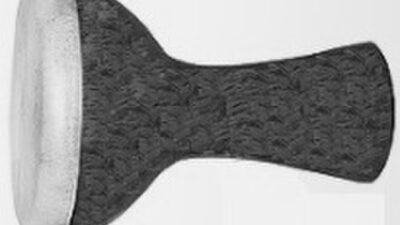
तुम्बकनाड़ी एक इकहरी (सिंगल-हेडेड) प्याले के आकार की ढोलक है जिसका शरीर पकी हुई मिट्टी का बना होता है। ऊपर का मुँह चौड़ा होता है जिस पर बकरे की खाल मढ़ी जाती है, और नीचे एक लंबी, खोखली, सुराही जैसी गर्दन (नाड़) होती है जो नीचे जाकर खुली रहती है। यही खोखली गर्दन प्रतिध्वनि-कक्ष का काम करती है और वाद्य को उसकी गूँजती, गहरी बास ध्वनि देती है।
Description English
The tumbaknari is a single-headed, goblet-shaped drum whose body is made of baked (kiln-fired) clay. The wide upper mouth is covered with stretched goat skin, and below it a long, hollow, pitcher-like stem (the 'naar') tapers down and stays open at the bottom. This hollow stem acts as the resonating chamber, giving the drum its ringing, deep bass voice.
Body
Goblet / chalice shape — wide open drum-head at top, narrowing to a long hollow flared stem, open at the base
प्याले या सुराही जैसा आकार — ऊपर चौड़ा मुँह, नीचे पतली लंबी खोखली गर्दन जो तले पर खुली रहती है
Baked clay (kiln-fired terracotta), thrown on a potter's wheel; some modern makers use wood or metal bodies
पकी हुई मिट्टी (भट्ठी में तपायी गयी टेराकोटा), कुम्हार के चाक पर गढ़ी जाती है; कुछ आधुनिक कारीगर लकड़ी या धातु का शरीर भी बनाते हैं
40-60
The long hollow clay stem itself is the resonance chamber; being open at the bottom it projects a full, booming bass
Head
बकरे (या भेड़) की खाल जो ऊपरी मुँह पर कसकर मढ़ी और चिपकायी/बाँधी जाती है
Goat (or sheep) skin membrane stretched taut and glued/laced over the top mouth
15-22
इसमें कोई पेंच या डोरी-कसाव नहीं होता — बजाने से पहले खाल को आग या अंगीठी के पास कुछ पल तपाकर कस लिया जाता है, जिससे ध्वनि तीखी और खनकती हो जाती है। नमी में खाल ढीली पड़ जाए तो उसे फिर से सेंका जाता है।
There are no tuning screws or lacing tension — before playing, the skin is warmed for a few moments near a fire or brazier to tighten it, sharpening and brightening the tone. If dampness slackens the head, it is re-warmed.
Playing Position
वादक (प्रायः महिलाएँ) तुम्बकनाड़ी को बायीं बग़ल में या गोद/घुटने पर तिरछा रखते हैं, गर्दन को कोहनी व शरीर के बीच थामकर, और दोनों हाथों से ऊपरी खाल पर आघात करते हैं।
The player (traditionally women) holds the tumbaknari tucked under the left arm or across the lap/knee, cradling the stem between the elbow and body, and strikes the top skin with both hands.
Decoration
शादियों के लिए बनी तुम्बकनाड़ियों को रंगों, पिगमेंट और बेल-बूटों से सजाया जाता है ताकि उत्सव की शोभा बढ़े।
Tumbaknaris made for weddings are painted with colours, pigments and floral motifs to add grandeur to the celebration.
ध्वनि-चरित्र
SoundTonal Character Hindi
तुम्बकनाड़ी की आवाज़ खुली, गूँजती और मिट्टी की गरमाहट से भरी होती है — बीच में मारने पर गहरी 'डुम' (बास) और किनारे पर मारने पर तीखी, खनकती 'तक/ना' (ट्रेबल)। यही दो रंग मिलकर कश्मीरी लोकगीतों की धड़कन बनते हैं।
Tonal Character English
The tumbaknari's voice is open, resonant and warm with the earthiness of clay — a deep 'dum' (bass) when struck at the centre and a sharp, ringing 'tak/na' (treble) when struck at the rim. These two colours together form the heartbeat of Kashmiri folk song.
Timbre
Warm, earthen, hollow-bodied resonance with a bright rim snap; softer and rounder than a metal darbuka because of the clay body
Range
Percussive (unpitched); a two-tone bass/treble palette rather than a melodic range
Dynamic Range
Wide for a hand drum — from a soft ceremonial pulse under women's singing to a driving, festive gallop for rouf and dance
Techniques
सुनने का मार्गदर्शन
The Listening Guideतुम्बकनाड़ी सुनते समय सबसे पहले उसकी दो आवाज़ें पहचानिए — बीच की गहरी 'डुम' और किनारे की खनकती 'तक'। फिर सुनिए कैसे यह गायन के नीचे-नीचे बहती है। किसी वनवुन से शुरू कीजिए, फिर नौत के साथ इसकी जुगलबंदी सुनिए — मिट्टी के दो बर्तनों से निकली यह लय ही कश्मीर की धड़कन है।
अंग्रेज़ी में पढ़ें · Read in English
When you listen to the tumbaknari, first learn its two voices — the deep centre 'dum' and the ringing rim 'tak'. Then hear how it flows just beneath the singing, neither rushing ahead nor falling behind. Begin with a wanwun (women's wedding song), then hear its interplay with the nout — this rhythm drawn from two clay vessels is the very soul of Kashmir.
परिचय
Identity- Year Of Origin
- 1300
अन्य विवरण
More DetailsTimbre
Warm, earthen, hollow-bodied resonance with a bright rim snap; softer and rounder than a metal darbuka because of the clay body
रोचक तथ्य
Margin Notesमिट्टी ही वाद्य है — तुम्बकनाड़ी उन दुर्लभ वाद्यों में है जिनका पूरा गूँजता शरीर मिट्टी का बना होता है। कुम्हार इसे चाक पर एक लंबी, खोखली, सुराही जैसी आकृति में गढ़ता है और भट्ठी में पकाता है; इसी पकी मिट्टी की गुणवत्ता वाद्य की बास और गूँज तय करती है।
The tumbaknari is among the rare instruments whose entire resonating body is clay. The potter throws it on the wheel as a long, hollow, pitcher-like form and fires it in a kiln; the quality of that baked clay determines the drum's bass and resonance.
नौत के साथ जोड़ी — कश्मीरी लोक-महफ़िल में तुम्बकनाड़ी अकेली नहीं रहती — इसके साथ 'नौत', यानी मिट्टी का घड़ा, बजता है। एक की गहरी बास और दूसरे की खनकती खनक मिलकर वह ताल बुनती है जिस पर वनवुन और चकरी टिकी होती हैं।
In a Kashmiri folk gathering the tumbaknari is rarely alone — beside it sounds the 'nout', a clay pot. The deep bass of one and the metallic ring of the other weave the groove on which wanwun and chakri rest.
फ़ारस से घाटी तक — 'तुम्बक' नाम उसी फ़ारसी ध्वनि-परंपरा से आता है जिससे ईरानी 'तोम्बक' (ज़र्ब) जुड़ा है। संगीतविद इसे मध्य एशिया-फ़ारस की प्याले-ढोलक परंपरा की कश्मीरी संतान मानते हैं, जो व्यापार और सूफ़ी संस्कृति के रास्ते घाटी पहुँची।
The name 'tumbak' comes from the same Persian sound-tradition as the Iranian 'tombak' (zarb). Scholars regard it as the Kashmiri child of the Central Asian-Persian goblet-drum family, arriving via routes of trade and Sufi culture.
आग के पास सुर — तुम्बकनाड़ी को सुर में लाने का तरीका आग है, पेंच नहीं। नमी में ढीली पड़ी खाल को अंगीठी के पास सेंककर कस लिया जाता है — यही कारण है कि पुरानी महफ़िलों में वाद्य को बार-बार आँच दिखायी जाती थी।
The tumbaknari is brought to pitch by fire, not by screws. A head slackened by damp is warmed near a brazier to tighten it — which is why, at old gatherings, the drum was repeatedly held to the flame.
सवाल-जवाब
Questions & Answersतुम्बकनाड़ी क्या है?
तुम्बकनाड़ी (तुम्बकनैर) जम्मू-कश्मीर का एक इकहरा, प्याले के आकार का ढोल है जिसका शरीर पकी हुई मिट्टी का और ऊपरी मुँह बकरे की खाल का होता है। इसे हाथों से बजाया जाता है और यह कश्मीरी लोक-संगीत, विशेषकर विवाह-गीत 'वनवुन', की मुख्य ताल है।
तुम्बकनाड़ी किस चीज़ से बनी होती है?
इसका पूरा गूँजता शरीर पकी हुई मिट्टी (टेराकोटा) का होता है, जिसे कुम्हार चाक पर एक लंबी खोखली सुराही जैसी आकृति में गढ़कर भट्ठी में पकाते हैं। ऊपरी चौड़े मुँह पर बकरे की खाल कसकर मढ़ी जाती है।
तुम्बकनाड़ी को ट्यून कैसे करते हैं?
इसमें कोई पेंच या कसने की डोरी नहीं होती। बजाने से पहले खाल को आग या अंगीठी के पास कुछ पल सेंककर कस लिया जाता है, जिससे उसकी आवाज़ तीखी और खनकती हो जाती है।
तुम्बकनाड़ी कश्मीरी संस्कृति में क्यों महत्वपूर्ण है?
यह कश्मीरी विवाहों की धड़कन है — स्त्रियाँ घेरा बनाकर 'वनवुन' गाती हैं और तुम्बकनाड़ी उनकी लय थामती है। रौफ़ नृत्य, चकरी महफ़िल और भांड पाथर लोकनाट्य में भी यह केंद्रीय ताल-वाद्य है, इसीलिए इसे 'घाटी की धड़कन' कहा जाता है।
तुम्बकनाड़ी और नौत में क्या संबंध है?
नौत मिट्टी का एक घड़ा है जिसे हाथों या अँगूठी से बजाया जाता है। तुम्बकनाड़ी और नौत अकसर जोड़ी में बजते हैं — एक की गहरी बास और दूसरे की खनकती खनक मिलकर कश्मीरी लोक-संगीत की सबसे पहचानी ताल रचती है।
नमूना-पट्टी
The Specimen Table| नाम | तुम्बकनाड़ी · Tumbaknari |
|---|---|
| अन्य नाम | तुम्बकनैर · तुम्बक · तुम्बकनाड़ · Tumbaknaer · Tumbak · Tumbaknad (regional variants) |
| उद्गम | 1300 |
| प्रकार | वाद्य · Instruments |
साझा कीजिए · Share this Plate