शास्त्र विंग · वाद्य-पट्टिका · Instrument Plate
चेंडा
Chenda
अन्य नामചെണ്ട (Malayalam) · चेण्ड / चेंड · Chande (चंडे — Tulu Nadu, Karnataka variant) · Chenda (also: Ceṇṭa)
परिचय
Overviewचेंडा केरल की गड़गड़ाती धड़कन है — कटहल की लकड़ी से खोखला किया गया बेलनाकार दो-मुखी ढोल, जिसे वादक गले से लटकाकर, खड़े होकर, दो छड़ियों से बजाता है। इसका ऊँचा-स्वर मुख (वलन्थला) चमड़े की कई परतों से बना ऐसी तीखी झनकार देता है जो बिना माइक हज़ारों पर छा जाती है। कथकली के अभिनेता की भाव-भंगिमा से लेकर थेय्यम के देव-आवेश और त्रिशूर पूरम के विराट मेलम तक, चेंडा जहाँ बजता है वहाँ उत्सव जी उठता है।
अंग्रेज़ी में पढ़ें · Read in English
The chenda is the thundering heartbeat of Kerala — a cylindrical double-headed drum hollowed from jackwood, slung from the neck and played standing with two sticks. Its treble face (valanthala), built from many stitched layers of hide, gives a sharp ring that dominates thousands without a microphone. From the expressive gestures of the Kathakali actor to the god-possession of Theyyam and the vast melam of Thrissur Pooram, wherever the chenda sounds, celebration comes alive.
वर्गीकरण
ClassificationNatya Shastra Category
अवनद्ध (Avanaddha - membrane/percussion instruments)
नाट्यशास्त्र के चार वाद्य वर्गों में चेंडा 'अवनद्ध' (चमड़े से मढ़े ताल वाद्य) वर्ग में आता है। यह एक बेलनाकार दो-मुखी ढोल है जिसकी ध्वनि खिंचे हुए चर्म-मुख पर लकड़ी की छड़ियों के प्रहार से उत्पन्न होती है।
Among the four instrument classes of the Natya Shastra, the chenda belongs to the 'avanaddha' (skin-covered percussion) category. It is a cylindrical, double-headed drum whose sound is produced by striking a stretched hide membrane with wooden sticks.
Western Category
Cylindrical two-headed drum (membranophone)
Western Family
Stick-struck cylindrical drum family (related in principle to the dhol and nagara, but uniquely Keralan in construction, tension and vertical playing posture)
Sub Classification
बनावट
PhysicalDescription Hindi
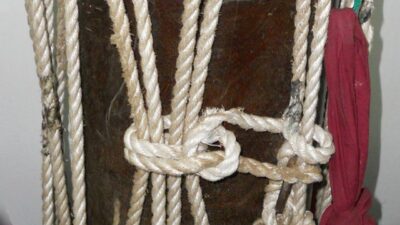
चेंडा एक ऊँचा बेलनाकार दो-मुखी ढोल है जिसे कटहल (वरिक्का प्लावु) की ठोस लकड़ी को खोखला करके बनाया जाता है। इसके दोनों सिरों पर चमड़े के मुख (थला) मढ़े होते हैं जिन्हें बाँस/बेंत के छल्लों (वट्टम) पर कस कर रस्सी से पूरे शरीर की लंबाई में बाँधा जाता है। वादक इसे गले-कंधे से लटकाकर खड़े होकर, दो पतली छड़ियों (कोलु) से बजाता है।
Description English
The chenda is a tall cylindrical double-headed drum, its body hollowed from a solid block of jackwood (varikka plavu). Both ends are covered with hide membranes (thala) mounted on rings (vattam) of bamboo/cane and laced with cord running the full length of the body. The player wears it suspended from the neck and shoulders, stands upright, and strikes it with two thin sticks (kolu).
Body
Long hollow cylinder, open-tube resonator
लंबा खोखला बेलन, दोनों ओर खुला अनुनाद-नाल
Solid jackwood (Artocarpus heterophyllus / varikka plavu), hollowed out
कटहल की ठोस लकड़ी (वरिक्का प्लावु) को खोखला करके बनाया गया
60-65
Open-ended wooden cylinder (~25-30 cm diameter) that projects an extremely loud, hard, ringing tone without amplification
Strings
None — the chenda is a percussion (membrane) instrument, not a stringed one. Its 'voices' are its two hide faces of different pitch.
None. Two struck membranes (heads) instead: the treble 'Valanthala' and the bass 'Edanthala'.
None. Sustained sound comes from rapid stick-rolls (uruttu), not drones.
Bow
कोलु (छड़ी)
Kolu (playing stick)
Two short, thin, springy wooden sticks (~20-25 cm); some styles play the bass 'veekku chenda' with the open palm plus one stick
20-25
The chenda is struck, not bowed. The two sticks fall on the vertical treble face; wrist spring and stick rebound produce dense rolls and sharp accents.
Tuning Pegs
वट्टम (छल्ला) व चरम-रस्सी
Vattam (hoop) and lacing rope
There are no pegs. Pitch and 'ring' are set by the layered hide, the cane hoop, and by tightening or slackening the rope lacing along the body.
Bridge
थला (चर्म-मुख)
Thala (drum head)
The struck hide face itself is the sounding surface; the layered treble face (valanthala) gives the chenda its characteristic hard, penetrating crack
Layered animal hide over a cane/bamboo hoop
Frets
चेंडा में फ्रेट या तार नहीं होते — यह ताल वाद्य है। स्वर एवं गूँज मुख की मोटाई, खिंचाव और छड़ी के प्रहार-कोण से नियंत्रित होती है।
The chenda has neither frets nor strings — it is a percussion instrument. Pitch and resonance are governed by membrane thickness, lacing tension, and the angle and force of the stick strokes.
ध्वनि-चरित्र
SoundTonal Character Hindi
चेंडा की ध्वनि अत्यंत ऊँची, कठोर, धातु-सी झनकार लिए और दूर तक पहुँचने वाली है। बिना किसी विद्युत् प्रवर्धन के यह पूरे मंदिर-प्रांगण और खुले जुलूस पर छा जाती है। इसका स्वर वीर, तीव्र और आवेगपूर्ण है — इसीलिए केरल परंपरा में इसे 'असुर वाद्य' कहा जाता है।
Tonal Character English
The chenda's voice is extremely loud, hard, metallic-ringing and far-carrying. Without any electronic amplification it fills an entire temple courtyard or open procession. Its tone is martial, sharp and driving — which is why Kerala tradition calls it an 'asura vadya' (a fierce, martial instrument).
Timbre
Bright, hard, penetrating crack with a ringing overtone from the layered treble face; the bass face is deep and thudding
Range
Percussive (unpitched in the melodic sense); two distinct registers — high treble (valanthala) and low bass (edanthala)
Dynamic Range
Very loud by design — among the highest-decibel acoustic drums; controlled dynamics come from stroke density and roll speed rather than softness
Techniques
सुनने का मार्गदर्शन
The Listening Guideचेंडा का रस लेना हो तो किसी 'पांचारि मेलम' या 'तायम्बक' से शुरू कीजिए। सुनिए कैसे मेलम धीमी लय से आरम्भ होकर कालम-दर-कालम गति दुगनी करता है और अंतिम 'कलाशम' पर पूरी भीड़ झूम उठती है। इलत्तालम, कोम्बु और कुळल की परतें पहचानिए। फिर मट्टान्नूर शंकरनकुट्टी मारार का एकल तायम्बक सुनिए — वहीं चेंडा की कलात्मक आत्मा खुलती है।
अंग्रेज़ी में पढ़ें · Read in English
To understand the chenda, begin with a 'Panchari melam' or a 'thayambaka'. Notice how the melam starts slow and doubles its tempo tier by tier (kaalam by kaalam), and how the audience surges at the final 'kalasham'. Listen for the layers of ilathalam (cymbals), kombu (horn) and kuzhal (reed pipe). Then hear a solo thayambaka by Mattannur Sankarankutty Marar — there the artistic soul of the chenda opens up.
परिचय
Identity- Year Of Origin
- 1200
अन्य विवरण
More DetailsTimbre
Bright, hard, penetrating crack with a ringing overtone from the layered treble face; the bass face is deep and thudding
रोचक तथ्य
Margin Notesएक वाद्य के अनेक रूप — मेलम में चेंडा एक भूमिका में नहीं बजता — 'उरुट्टु चेंडा' मुख्य लय गढ़ता है, 'वीक्कु चेंडा' गंभीर आधार देता है, और इनके संवाद से मेलम की पूरी संरचना खड़ी होती है।
In a melam the chenda plays more than one role — the 'uruttu chenda' builds the lead rhythm while the 'veekku chenda' provides the deep foundation, and the whole structure of the melam rises from their dialogue.
तुलुनाडु का सहोदर 'चंडे' — कर्नाटक के तुलुनाडु में चेंडा का सहोदर रूप 'चंडे' कहलाता है और यक्षगान नाट्य में प्रयुक्त होता है — यद्यपि इसे प्रायः क्षैतिज रखकर बजाया जाता है, केरल की भाँति खड़ा लटकाकर नहीं।
In Tulu Nadu, Karnataka, the chenda's sibling is called 'chande' and is used in Yakshagana theatre — though it is often played placed horizontally rather than slung vertically as in Kerala.
मारार व पोदुवाल — वंश-परंपरा — पारंपरिक रूप से चेंडा-वादन केरल के 'मारार' और 'पोदुवाल' समुदायों की मंदिर-सेवा वंश-परंपरा रहा है, जो पीढ़ी-दर-पीढ़ी गुरुकुल शैली में यह कला हस्तांतरित करते आए हैं।
Traditionally, chenda playing has been the hereditary temple-service craft of Kerala's 'Marar' and 'Poduval' communities, who have transmitted the art in the gurukula style from one generation to the next.
कालम की गणित — पांचारि मेलम धीमी से आरम्भ होकर कई 'कालम' (लय-स्तर) में गति दुगनी करता जाता है — प्रारंभ और अंत की गति में कई गुना अंतर होता है, फिर भी ताल-चक्र भंग नहीं होता। यह चेंडा-वादकों के अद्भुत लय-अनुशासन का प्रमाण है।
A Panchari melam begins slow and doubles its speed across several 'kaalam' (tempo tiers) — the final tempo is many times the first, yet the tala cycle never breaks. It is a testament to the extraordinary rhythmic discipline of the chenda players.
सवाल-जवाब
Questions & Answersचेंडा क्या है?
चेंडा केरल का एक बेलनाकार दो-मुखी ढोल है जिसे कटहल की लकड़ी से बनाया जाता है और खड़े होकर दो छड़ियों से बजाया जाता है। यह कथकली, थेय्यम, कूडियाट्टम और मंदिर-पूरम के मेलम का प्रमुख ताल वाद्य है।
चेंडा कैसे बजाया जाता है?
वादक चेंडा को गले और कंधे से लटकाकर, खड़े होकर, इसके ऊँचे-स्वर वाले मुख (वलन्थला) पर दो पतली लकड़ी की छड़ियों (कोलु) से प्रहार करता है। तीव्र लोटन-प्रहार (उरुट्टु) से एक अखंड गड़गड़ाहट उत्पन्न होती है।
चेंडा मेलम क्या है?
चेंडा मेलम एक पारंपरिक वाद्य-वृंद है जिसमें कई चेंडा वादक इलत्तालम (झांझ), कोम्बु और कुळल के साथ बजाते हैं। पांचारि, पांडि और शिंकारि मेलम इसके प्रमुख रूप हैं; त्रिशूर पूरम का इलञ्ञिथरा मेलम विश्वप्रसिद्ध है।
चेंडा को 'असुर वाद्य' क्यों कहते हैं?
केरल परंपरा में चेंडा की अत्यंत ऊँची, वीर और आवेगपूर्ण ध्वनि के कारण इसे 'असुर वाद्य' (उग्र वाद्य) कहा जाता है, जबकि मद्दलम और मिळावु को 'देव वाद्य' माना जाता है। फिर भी यही उग्र-स्वर मंदिर-उत्सव में देवता के सम्मुख गूँजता है।
क्या चेंडा और तुलुनाडु का 'चंडे' एक ही हैं?
वे सहोदर वाद्य हैं। कर्नाटक के तुलुनाडु में 'चंडे' यक्षगान में प्रयुक्त होता है और प्रायः क्षैतिज रखकर बजाया जाता है, जबकि केरल का चेंडा खड़ा लटकाकर बजाया जाता है। मूल समान, शैली भिन्न।
नमूना-पट्टी
The Specimen Table| नाम | चेंडा · Chenda |
|---|---|
| अन्य नाम | ചെണ്ട (Malayalam) · चेण्ड / चेंड · Chande (चंडे — Tulu Nadu, Karnataka variant) · Chenda (also: Ceṇṭa) |
| उद्गम | 1200 |
| प्रकार | वाद्य · Instruments |
साझा कीजिए · Share this Plate