शास्त्र विंग · वाद्य-पट्टिका · Instrument Plate
सेलेस्टा
Celesta
अन्य नामसेलेस्ट · सेलेस्टे (Celeste) · Célesta (French) · Celesta / Celeste
परिचय
Overviewसेलेस्टा एक पश्चिमी कीबोर्ड-घन-वाद्य है जो देखने में छोटा पियानो, पर सुनने में दूर बजती घंटियाँ है — इसके भीतर तार नहीं, इस्पात की पट्टियाँ हैं जिन पर फ़ेल्ट-हथौड़े कोमल चोट करते हैं। 1886 में पेरिस में जन्मा यह वाद्य त्चाइकोव्स्की से जॉन विलियम्स तक 'जादू' का ध्वनि-रंग बना। भारतीय शास्त्रीय या लोक-परंपरा का अंग न होकर भी, बॉलीवुड की पश्चिमी-शैली व्यवस्थाओं में इसकी टिमटिमाहट ने कोमल, स्वप्निल क्षणों को तारों-भरी आभा दी।
अंग्रेज़ी में पढ़ें · Read in English
The celesta is a Western keyboard idiophone that looks like a small piano but sounds like distant bells — inside are not strings but steel plates, struck gently by felt hammers. Born in Paris in 1886, it became the sound-colour of 'magic' from Tchaikovsky to John Williams. Though no part of Indian classical or folk tradition, its twinkle within Bollywood's Western-style arrangements lent tender, dreamlike moments a starlit glow.
वर्गीकरण
ClassificationNatya Shastra Category
घन (Ghana - solid/struck idiophones)
नाट्यशास्त्र के चार वाद्य-वर्गों में सेलेस्टा 'घन वाद्य' श्रेणी में आता है — अर्थात ठोस धातु से बना वह वाद्य जो आघात से बजता है, जैसे मंजीरा, घंटी या जलतरंग। सेलेस्टा में हथौड़े इस्पात की पट्टियों पर चोट करके घंटी-सी झंकार उत्पन्न करते हैं, इसलिए यह घन-वाद्य परिवार का कीबोर्ड-रूप है।
In the four-fold classification of the Natya Shastra, the celesta belongs to the 'Ghana' (solid, struck idiophone) category — the same family as manjira, bells and jaltarang, where sound arises from striking a solid resonant body. In the celesta, felt hammers strike tuned steel plates to produce a bell-like shimmer, making it a keyboard-operated member of the Ghana family.
Western Category
Struck idiophone (keyboard percussion)
Western Family
Keyboard idiophone / metallophone family; closely related to the glockenspiel and dulcitone, and sharing the piano-style keyboard and action
Sub Classification
बनावट
PhysicalDescription Hindi
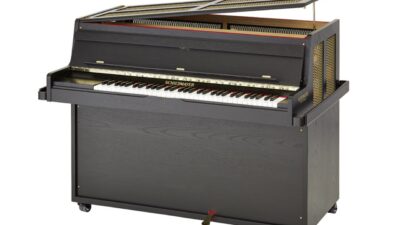
सेलेस्टा देखने में एक छोटे अपराइट पियानो या बड़े हारमोनियम-कैबिनेट जैसा लकड़ी का वाद्य है, पर इसके भीतर तार नहीं होते। पियानो-शैली की चाबियाँ (कीबोर्ड) एक हथौड़ा-प्रणाली से जुड़ी होती हैं; प्रत्येक चाबी दबाने पर एक फ़ेल्ट-मढ़ा हथौड़ा एक क्रमिक रूप से मापी गई इस्पात की पट्टी पर चोट करता है, और वह पट्टी नीचे लगे लकड़ी के अनुनाद-बक्से के ऊपर घंटी-सी मधुर झंकार गूँजाती है।
Description English
The celesta looks like a small upright piano or a large harmonium cabinet made of wood, but it holds no strings. A piano-style keyboard is linked to a hammer action; pressing each key drives a felt-covered hammer that strikes a graduated tempered-steel plate, which rings out a sweet, bell-like tone amplified by a wooden resonator box mounted beneath it.
Body
Upright wooden cabinet resembling a small piano / large harmonium
छोटे पियानो या बड़े हारमोनियम जैसा खड़ा (अपराइट) लकड़ी का कैबिनेट
Wooden cabinet (often maple, walnut or hardwood veneer) enclosing the action, plates and resonators
लकड़ी का कैबिनेट (प्रायः मेपल, अख़रोट या दृढ़-काष्ठ आवरण) जिसके भीतर क्रिया-तंत्र, पट्टियाँ और अनुनाद-बक्से बंद रहते हैं
approximately 90-115 (upright cabinet; varies by model — figure approximate)
Individual wooden resonator boxes tuned to each steel plate, projecting and sustaining the bell-like tone
Keyboard
कीबोर्ड (चाबी-पटल)
Keyboard
typically 49-61 keys (about 4 to 5 octaves depending on model)
पियानो जैसी काली-सफ़ेद चाबियाँ। बजाने की तकनीक पियानो-वादक के लिए तुरंत परिचित होती है, इसलिए ऑर्केस्ट्रा और फ़िल्म-रिकॉर्डिंग में प्रायः कीबोर्ड-वादक ही सेलेस्टा बजाते हैं।
Black-and-white keys just like a piano. The playing technique is instantly familiar to any pianist, so in orchestras and film sessions the celesta is usually played by the keyboardist.
Sound Plates
इस्पात की स्वर-पट्टियाँ
Steel sound plates (bars)
one per key (roughly 49-61)
Graduated tempered/hardened steel
क्रमिक रूप से घटती-बढ़ती लंबाई की इस्पात पट्टियाँ ही सेलेस्टा का असली 'स्वर-स्रोत' हैं — तार नहीं, बल्कि धातु की ये पट्टियाँ चोट खाकर घंटी-सी ध्वनि देती हैं।
The graduated steel plates — not strings — are the celesta's true sound source; struck by the hammers, they ring with a pure, bell-like clarity.
Fixed equal-tempered pitches; the celesta sounds one octave HIGHER than written
Hammers
फ़ेल्ट-हथौड़े
Felt-covered hammers
Wooden hammers faced with soft felt
पियानो की भाँति प्रत्येक चाबी एक हथौड़े से जुड़ी होती है, पर हथौड़े का मुख नरम फ़ेल्ट से मढ़ा होता है ताकि इस्पात पर चोट कठोर न होकर कोमल और गोल हो — यही सेलेस्टा की 'स्वर्गिक' कोमलता का रहस्य है।
As in a piano, each key drives a hammer, but the striking face is soft felt so the blow on the steel is rounded and gentle rather than harsh — the secret of the celesta's 'heavenly' softness.
Resonators
अनुनाद-बक्से
Wooden resonator boxes
Wood
प्रत्येक इस्पात पट्टी के नीचे एक अलग लकड़ी का बक्सा लगा होता है जो उस पट्टी की ध्वनि को गूँजाकर पुष्ट और लम्बा करता है — यही सेलेस्टा को साधारण ग्लॉकेनश्पील से अलग, गर्म और गाढ़ी झंकार देता है।
Beneath each steel plate sits its own wooden box that amplifies and sustains that plate's tone — this is what gives the celesta its warmer, rounder ring compared with a bare glockenspiel.
Pedal
सस्टेन/डैम्पर पेडल
Sustain (damper) pedal
पियानो जैसा एक पेडल, जो दबाने पर डैम्परों को उठाकर स्वरों को अधिक देर तक गूँजने देता है; छोड़ने पर ध्वनि शांत हो जाती है। इससे कोमल, तैरती हुई झंकार या स्पष्ट, कटे हुए स्वर — दोनों संभव होते हैं।
A piano-like pedal that lifts the dampers to let notes ring on when pressed, and stops them when released — allowing both soft, floating shimmer and crisp, detached notes.
Case
आवरण-कैबिनेट
Cabinet / case
Wood
पूरा तंत्र एक बंद लकड़ी के कैबिनेट में सुरक्षित रहता है, जिससे वाद्य दिखने में एक सुरुचिपूर्ण फ़र्नीचर-सा लगता है और मंच पर भी सुंदर प्रतीत होता है।
The whole mechanism is enclosed in a wooden cabinet, giving the instrument the look of elegant furniture and a handsome stage presence.
Strings
सेलेस्टा में कोई तार नहीं होते — यह एक तंत्री-रहित घन वाद्य है; इसका स्वर इस्पात-पट्टियों की चोट से आता है।
The celesta has no strings — it is a stringless idiophone; its tone comes entirely from struck steel plates.
ध्वनि-चरित्र
SoundTonal Character Hindi
सेलेस्टा का स्वर कोमल, स्वच्छ और घंटी-सा उज्ज्वल है — मानो दूर से बजती हुई छोटी-छोटी घंटियाँ या ओस की बूँदें झर रही हों। इसकी ध्वनि में एक जादुई, स्वप्निल और मासूम-सी आभा है, इसलिए संगीतकार इसे कोमलता, आश्चर्य, परी-कथा और तारों-भरी रात के भाव के लिए चुनते हैं।
Tonal Character English
The celesta's tone is soft, clean and bell-bright — like tiny distant bells or falling dewdrops. Its sound carries a magical, dreamlike, innocent glow, which is why composers reach for it to paint tenderness, wonder, fairy-tale enchantment and the feeling of a starlit night.
Timbre
Pure, sweet, ringing metallic tone with a gentle attack and a soft, glassy decay; warmer and rounder than a glockenspiel
Range
About 4 to 5 octaves (commonly written c–c⁴/c⁵); the instrument sounds ONE OCTAVE HIGHER than written
Dynamic Range
Delicate and intimate — naturally quiet; easily covered by loud ensemble, so it is usually featured in soft, exposed passages
Techniques
सुनने का मार्गदर्शन
The Listening Guideसेलेस्टा का रस लेना हो तो पहले त्चाइकोव्स्की का 'शुगर प्लम फ़ेयरी का नृत्य' सुनिए — वहाँ वह अकेला, नंगा, टिमटिमाता बजता है और आप उसकी घंटी-सी पहचान बना लेंगे। फिर 'हेडविग्स थीम' सुनिए। इसके बाद हिंदी गीतों के कोमल अंतरालों और लोरियों में इसे 'मुख्य वाद्य' नहीं, बल्कि बाँसुरी या वायलिन की धुन के पीछे झरती एक चमकीली परत की तरह खोजिए।
अंग्रेज़ी में पढ़ें · Read in English
To learn the celesta's voice, start with Tchaikovsky's 'Dance of the Sugar Plum Fairy' — there it plays alone, exposed and twinkling. Then hear 'Hedwig's Theme' from 'Harry Potter', where that same shimmer becomes shorthand for 'magic'. In Indian songs, don't listen for it as a lead; hunt for it as a bright layer rippling behind a tender interlude or lullaby — a bell-like glitter sitting atop a flute or violin line.
परिचय
Identity- Year Of Origin
- 1886
अन्य विवरण
More DetailsTimbre
Pure, sweet, ringing metallic tone with a gentle attack and a soft, glassy decay; warmer and rounder than a glockenspiel
रोचक तथ्य
Margin Notesनाम का अर्थ — 'स्वर्गिक' — 'सेलेस्टा' नाम फ़्रेंच शब्द 'céleste' से आया है, जिसका अर्थ है 'स्वर्गिक' या 'दिव्य'। आविष्कारक ओगुस्त मुस्तेल ने यह नाम इसलिए चुना क्योंकि वाद्य की ध्वनि किसी और ही लोक की घंटियों-सी सुनाई देती है।
The name 'celesta' comes from the French 'céleste', meaning 'heavenly' or 'celestial'. Inventor Auguste Mustel chose it because the instrument's tone sounds like bells from another world.
पियानो जैसा, पर घन-वाद्य — सेलेस्टा में पियानो जैसी चाबियाँ और हथौड़े तो हैं, पर तार नहीं। हथौड़े इस्पात की पट्टियों पर चोट करते हैं, इसलिए वर्गीकरण की दृष्टि से यह पियानो (तार-वाद्य) नहीं, बल्कि ग्लॉकेनश्पील जैसा घन-वाद्य (idiophone) है — बस कीबोर्ड से बजने वाला।
The celesta has piano-like keys and hammers, but no strings. The hammers strike steel plates, so by classification it is not a piano (a chordophone) but an idiophone like the glockenspiel — only played from a keyboard.
दुनिया का एकमात्र प्रमुख निर्माता — कॉन्सर्ट-स्तर के सेलेस्टा इतने विशिष्ट हैं कि आज पूरी दुनिया में इनका मुख्य (लगभग एकमात्र) निर्माता जर्मनी की 'शीडमायर' कंपनी है, जो 1890 से लगातार इन्हें बना रही है।
Concert-grade celestas are so specialised that today the world's principal (effectively sole) maker is the German firm Schiedmayer, which has been building them continuously since 1890.
मीड नहीं, इसलिए राग नहीं — सेलेस्टा के स्वर स्थिर (fixed) और समान-अनुपात पर बँधे होते हैं, इसलिए यह सारंगी या बाँसुरी की तरह 'मीड' (स्वर-सर्पण) या सूक्ष्म श्रुतियाँ नहीं दे सकता। यही कारण है कि यह राग-प्रस्तुति का वाद्य कभी नहीं बना — पर घंटी-सी चमक और रंग भरने में अद्वितीय रहा।
The celesta's pitches are fixed and equal-tempered, so unlike the sarangi or bansuri it cannot produce 'meend' (pitch-glide) or subtle shruti. That is why it never became a raga-performance instrument — yet it remains unmatched for bell-like sparkle and colour.
सवाल-जवाब
Questions & Answersसेलेस्टा क्या है?
सेलेस्टा एक पश्चिमी कीबोर्ड वाद्य है जो देखने में छोटा पियानो जैसा है, पर इसमें तार नहीं होते। इसकी चाबियाँ फ़ेल्ट-मढ़े हथौड़ों से जुड़ी होती हैं जो इस्पात की पट्टियों पर चोट करके घंटी-सी मधुर, स्वर्गिक ध्वनि उत्पन्न करते हैं। वर्गीकरण की दृष्टि से यह एक 'घन वाद्य' (idiophone) है।
सेलेस्टा का आविष्कार कब और किसने किया?
सेलेस्टा का आविष्कार 1886 में पेरिस के वाद्य-निर्माता ओगुस्त मुस्तेल ने किया। इसका नाम फ़्रेंच शब्द 'céleste' यानी 'स्वर्गिक' से पड़ा।
क्या सेलेस्टा भारतीय शास्त्रीय संगीत का वाद्य है?
नहीं। सेलेस्टा एक पश्चिमी वाद्य है और भारतीय शास्त्रीय या लोक-परंपरा का अंग नहीं है। इसके स्वर स्थिर (समान-अनुपात) होते हैं, इसलिए यह मीड या सूक्ष्म श्रुतियाँ नहीं दे सकता। यह भारतीय फ़िल्म-संगीत में केवल पश्चिमी ऑर्केस्ट्रेशन के रास्ते, कोमल/स्वप्निल प्रसंगों में सजावटी झंकार के रूप में आता है।
सेलेस्टा की सबसे प्रसिद्ध धुन कौन-सी है?
त्चाइकोव्स्की के बैले 'नटक्रैकर' (1892) का 'शुगर प्लम फ़ेयरी का नृत्य' सेलेस्टा की सबसे प्रसिद्ध प्रस्तुति है। आधुनिक श्रोताओं के लिए जॉन विलियम्स की 'हैरी पॉटर' की 'हेडविग्स थीम' (2001) भी उतनी ही प्रसिद्ध है।
सेलेस्टा और ग्लॉकेनश्पील में क्या अंतर है?
दोनों इस्पात की पट्टियों पर चोट से बजते हैं, पर ग्लॉकेनश्पील को हाथ की डंडियों (मैलेट) से बजाया जाता है और उसकी ध्वनि तीखी-चमकीली होती है; सेलेस्टा वही तंत्र कीबोर्ड और लकड़ी के अनुनाद-बक्सों के साथ लाता है, जिससे उसकी झंकार अधिक गर्म, कोमल और गोल हो जाती है।
नमूना-पट्टी
The Specimen Table| नाम | सेलेस्टा · Celesta |
|---|---|
| अन्य नाम | सेलेस्ट · सेलेस्टे (Celeste) · Célesta (French) · Celesta / Celeste |
| उद्गम | 1886 |
| प्रकार | वाद्य · Instruments |
जुड़े हुए पन्ने
Connected Plates · The Graph Made Visibleअटलस में कोई पन्ना अकेला नहीं — इस वाद्य से जुड़े गीत, कलाकार, शास्त्र और कहानियाँ, सब यहाँ से खुलते हैं।
जुड़े गीत · Songs
इस वाद्य के गीत
Songs of this Instruments

साझा कीजिए · Share this Plate