शास्त्र विंग · वाद्य-पट्टिका · Instrument Plate
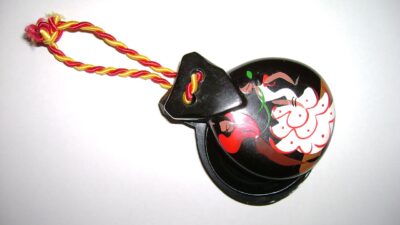
कैस्टनेट
Castanets
अन्य नामकास्टान्युएलास (Castañuelas) · पालिय़ोस (Palillos) · पालमास/करताल-सदृश हस्त-वाद्य · Castanets (also: Castanettes)
परिचय
Overviewकैस्टनेट स्पेन का वह नन्हा हस्त-वाद्य है जिसकी 'खट-खट' पूरी दुनिया के लिए फ़्लामेंको और आन्दालूसिया का पर्याय बन गई — चेस्टनट-सदृश दो अवतल लकड़ी के कटोरे, डोरी से अँगूठे में बँधे, उँगलियों के आघात से बोलते हुए। भारतीय संगीत के लिए यह अतिथि-वाद्य है, जो 1950-60 के दशक के पश्चिमी-प्रभावित बॉलीवुड ऑर्केस्ट्रेशन में 'स्पेनी/लैटिन रंग' भरने के लिए यदा-कदा आता रहा।
अंग्रेज़ी में पढ़ें · Read in English
The castanet is Spain's tiny hand instrument whose 'clack-clack' has become, for the whole world, a synonym for flamenco and Andalusia — two chestnut-shaped concave wooden cups, bound to the thumb by a cord, speaking under the blows of the fingers. For Indian music it is a guest instrument, arriving occasionally in the Western-influenced Bollywood orchestration of the 1950s-60s to lend a 'Spanish/Latin color.'
वर्गीकरण
ClassificationNatya Shastra Category
घन (Ghana - solid/struck idiophones)
यद्यपि कैस्टनेट एक पश्चिमी (स्पेनी) वाद्य है, भारतीय नाट्यशास्त्र-वर्गीकरण में यह 'घन' वर्ग में आता है — वे वाद्य जिनमें ठोस पिंड परस्पर टकराकर ध्वनि उत्पन्न करते हैं, जैसे मंजीरा, करताल और झांझ। कैस्टनेट में दो अवतल लकड़ी के कटोरे हाथ में एक-दूसरे से टकराकर 'क्लिक' ध्वनि देते हैं।
Though castanets are a Western (Spanish) instrument, in the Natya Shastra taxonomy they belong to the 'Ghana' class — solid bodies struck against one another to make sound, the same family as manjira, kartal and jhanjh. In castanets, two concave wooden shells clack together in the hand to produce a sharp click.
Western Category
Percussion — concussion idiophone
Western Family
Clapper/concussion idiophone family (Hornbostel-Sachs 111.141), kin to crotales, spoons and the ancient Greek krotala
Sub Classification
बनावट
PhysicalDescription Hindi
कैस्टनेट दो अवतल, कटोरीनुमा लकड़ी के खोलों (शेल) की एक जोड़ी है जिन्हें ऊपरी किनारे पर एक डोरी (कॉर्दोन) से बाँधा जाता है। यह डोरी अँगूठे में फँसाई जाती है और शेष उँगलियाँ खोलों पर आघात कर उन्हें आपस में टकराती हैं, जिससे 'क्लैक-क्लैक' ध्वनि निकलती है। इसका आकार भुने हुए चेस्टनट (शाहबलूत) जैसा है — स्पेनी शब्द 'कास्ताञा' (chestnut) से ही नाम पड़ा।
Description English
Castanets are a pair of concave, cup-shaped wooden shells joined at the top edge by a cord (cordón). The cord loops over the thumb, and the remaining fingers strike the shells so they clack against each other, producing a sharp 'clack-clack.' Their shape resembles a roasted chestnut — the Spanish word 'castaña' (chestnut) gives the instrument its name.
Body
Two concave shells hinged by a cord; each shell hollowed like a small cup/chestnut
डोरी से जुड़े दो अवतल कटोरे; प्रत्येक खोल भीतर से खोखला, चेस्टनट-सदृश
Traditionally hardwood (chestnut, pomegranate, oleander, rosewood, ebony, granadillo); modern concert castanets often fiberglass/composite for durability and brighter tone
परंपरागत रूप से कठोर लकड़ी (चेस्टनट, अनार, कनेर, शीशम, आबनूस, ग्रानादियो); आधुनिक कॉन्सर्ट कैस्टनेट अक्सर फ़ाइबरग्लास/कम्पोज़िट के, जो अधिक टिकाऊ और अधिक चमकदार स्वर देते हैं
5-7 (each shell)
The hollowed cup of each shell acts as a tiny resonating cavity; the pitch depends on wood, thickness and how deeply the cup is carved
Pair And Pitch
माचो (नर) — बायें हाथ का जोड़ा, थोड़ा बड़ा और नीची पिच का; समय (टाइमकीपिंग) व गहरे आघात के लिए
Macho (male) — the left-hand pair, slightly larger and lower-pitched; used for the deeper beat and time-keeping
एम्ब्रा (मादा) — दायें हाथ का जोड़ा, थोड़ा छोटा और ऊँची पिच का; तेज़ रोल और अलंकरण के लिए
Hembra (female) — the right-hand pair, slightly smaller and higher-pitched; used for the rapid rolls and ornamentation
पारंपरिक स्पेनी वादन में दोनों हाथों में एक-एक जोड़ा होता है — नीची पिच का 'माचो' और ऊँची पिच का 'एम्ब्रा' — जिससे एक ही कलाकार दो-स्वरों की लयात्मक बुनावट रच सकता है।
In traditional Spanish playing a pair is held in each hand — the lower 'macho' and the higher 'hembra' — so a single player can weave a two-voiced rhythmic texture.
Cord
कॉर्दोन (डोरी)
Cordón (cord)
Braided cotton or nylon cord
Loops over the thumb to hold the pair; its tension sets the gap between shells and thus the crispness of the click
Variants
हैंडल कैस्टनेट — एक हत्थे (हैंडल) पर लगे खोल; नर्तक न होने वाले वादकों के लिए हिलाकर या ठोककर बजाए जाते हैं।
Handle castanets — shells mounted on a handle; shaken or tapped, convenient for players who are not dancers.
मशीन/पैडल कैस्टनेट — एक तख्ती पर जोड़े लगे होते हैं जिन्हें ऑर्केस्ट्रा का ताल-वादक उँगलियों से थपथपाता है; रिकॉर्डिंग-स्टूडियो व फ़िल्म-संगीत में यही रूप सबसे व्यावहारिक है।
Machine/paddle castanets — pairs mounted on a board that an orchestral percussionist taps with the fingers; this is the most practical form in recording studios and film music.
Frets
कैस्टनेट में न तार होते हैं न फ्रेट — यह एक अस्वरात्मक (अनिश्चित-पिच) ताल-वाद्य है; इसका काम धुन नहीं, लय और 'रंग' देना है।
Castanets have neither strings nor frets — they are an unpitched (indefinite-pitch) rhythm instrument; their job is not melody but rhythm and 'color.'
ध्वनि-चरित्र
SoundTonal Character Hindi
कैस्टनेट की ध्वनि सूखी, कड़क और तीखी होती है — एक स्पष्ट 'क्लिक' या तेज़ 'खटखट'। धीमे-धीमे गिनी जाए तो यह ठहरी हुई ताल है, पर जब उँगलियाँ लहर की तरह फिसलती हैं तो एक झरझराता 'रोल' बन जाता है जो नृत्य में बिजली-सी चमक भर देता है।
Tonal Character English
The castanet's sound is dry, hard and sharp — a clean 'click' or crackling 'rattle.' Struck singly it is a poised beat; but when the fingers ripple across it becomes a shimmering 'roll' that adds an electric sparkle to dance.
Timbre
Bright, woody, percussive click with a short decay; higher and drier from the hembra, rounder from the macho
Range
Indefinite pitch (unpitched percussion); relative high/low contrast between hembra and macho pairs
Dynamic Range
From a barely-audible fingertip tap to a piercing accent; the redoble roll can swell and fade like a wave
Techniques
सुनने का मार्गदर्शन
The Listening Guideकैस्टनेट को समझने का सबसे अच्छा तरीका है पहले इसे अकेले सुनना। एक शुद्ध फ़्लामेंको-वादन में केवल कैस्टनेट की खटखट पर ध्यान दीजिए — 'रोल' (लगातार झरझराहट) और 'गोल्पे' (एकल कड़क आघात) का फ़र्क़ पकड़िए। फिर गिटार के साथ सुनिए, और अंत में किसी पुराने बॉलीवुड स्पेनी नृत्य-गीत में इसे खोजिए, जहाँ यह पूरे ऑर्केस्ट्रा के बीच एक विदेशी उजास बनकर चमकती है।
अंग्रेज़ी में पढ़ें · Read in English
To understand castanets, first hear a pure flamenco solo where the castanets speak alone without music — then the difference between the 'roll' and the 'golpe' becomes clear. Next hear them with guitar, where they add rhythmic sparkle. Finally, hunt for them in an old Bollywood 'Spanish' dance number — you will find them glinting like a thin streak of lightning amid the full orchestra.
परिचय
Identity- Year Of Origin
- -1000
अन्य विवरण
More DetailsTimbre
Bright, woody, percussive click with a short decay; higher and drier from the hembra, rounder from the macho
रोचक तथ्य
Margin Notesनाम का रहस्य — चेस्टनट — स्पेनी में इसे 'कास्ताञ्युएलास' कहते हैं, जो 'कास्ताञा' (chestnut) से बना है। इसका दूसरा प्रचलित नाम 'पालिय़ोस' (छोटी लकड़ियाँ) है, जो अंदालूसी फ़्लामेंको में अधिक सुना जाता है।
In Spanish it is 'castañuelas', from 'castaña' (chestnut). Its other common name is 'palillos' (little sticks), heard more in Andalusian flamenco.
एम्मा मालेरास और स्वर-लिपि — 20वीं सदी में कातालान संगीतज्ञ एम्मा मालेरास ने कैस्टनेट के लिए एक व्यवस्थित स्वर-लिपि और श्रेणीबद्ध पाठ्यक्रम बनाया, जिससे इसे शास्त्रीय संगीत-विद्यालयों में पढ़ाया जाने लगा — यह अब केवल नृत्य-सहायक नहीं, स्वतंत्र वादन-कला है।
In the 20th century the Catalan musician Emma Maleras created a systematic notation and graded curriculum for castanets, so they could be taught in classical conservatories — it is no longer merely dance-accompaniment but an independent performing art.
ऑर्केस्ट्रा की 'स्पेनी मुहर' — पश्चिमी संगीतकारों के लिए कैस्टनेट किसी दृश्य को तुरंत 'स्पेनी' बना देने का सरलतम उपाय था — बिज़े की 'कार्मेन', रिम्स्की-कोर्साकोव के 'कैप्रिचो एस्पान्योल' और शाब्रिए के 'एस्पान्या' में यही भूमिका है। बॉलीवुड ने यही परिपाटी 'एक्ज़ॉटिक' नृत्य-गीतों के लिए उधार ली।
For Western composers the castanet was the simplest way to make a scene instantly 'Spanish' — this is its role in Bizet's 'Carmen', Rimsky-Korsakov's 'Capriccio Espagnol' and Chabrier's 'España'. Bollywood borrowed exactly this convention for 'exotic' dance songs.
भारतीय समतुल्य — घन वाद्य — यद्यपि कैस्टनेट स्पेनी है, ध्वनि-उत्पत्ति की दृष्टि से यह भारतीय मंजीरा, करताल और खड़ताल का चचेरा भाई है — सभी 'घन' वर्ग के, जहाँ दो ठोस पिंड टकराकर लय देते हैं। अंतर बस पदार्थ और शैली का है: कैस्टनेट लकड़ी के अवतल कटोरे, मंजीरा धातु की तश्तरियाँ।
Though castanets are Spanish, in terms of sound production they are a cousin of India's manjira, kartal and khartal — all of the 'ghana' class, where two solid bodies clash to make rhythm. The difference is only material and style: castanets are concave wooden cups, manjira are metal discs.
सवाल-जवाब
Questions & Answersकैस्टनेट क्या है?
कैस्टनेट दो अवतल लकड़ी के खोलों की एक जोड़ी है जिन्हें डोरी से अँगूठे में बाँधकर उँगलियों के आघात से आपस में टकराया जाता है, जिससे 'खट-खट' ध्वनि निकलती है। यह स्पेन का पारंपरिक नृत्य ताल-वाद्य है, फ़्लामेंको का प्रतीक।
कैस्टनेट किस सामग्री से बनते हैं?
परंपरागत रूप से कठोर लकड़ी (चेस्टनट, अनार, आबनूस, ग्रानादियो) से; आधुनिक कॉन्सर्ट कैस्टनेट अक्सर फ़ाइबरग्लास/कम्पोज़िट के होते हैं, जो अधिक टिकाऊ और चमकदार स्वर देते हैं।
क्या कैस्टनेट भारतीय संगीत का वाद्य है?
नहीं, कैस्टनेट मूलतः स्पेनी वाद्य है। भारतीय संगीत में इसका समतुल्य 'घन' वर्ग के मंजीरा, करताल और खड़ताल हैं। बॉलीवुड में यह 1950-60 के दशक के स्पेनी/लैटिन नृत्य-गीतों में 'रंग' भरने के लिए यदा-कदा प्रयुक्त हुआ।
बॉलीवुड में कैस्टनेट का प्रसिद्ध प्रयोग कौन-सा है?
आर. डी. बर्मन की पहली फ़िल्म 'छोटे नवाब' (1961) के गीत 'मतवाली आँखों वाले' में फ़्लामेंको-शैली की कैस्टनेट सुनाई देती है — भारतीय फ़िल्म-संगीत में इसके यादगार आरंभिक प्रयोगों में से एक।
कैस्टनेट का 'रोल' कैसे बजता है?
ऊँची पिच वाले 'एम्ब्रा' जोड़े पर चारों उँगलियाँ क्रम से एक-एक कर गिरती हैं, जिससे 'र्रर्र' जैसी लगातार लड़ी बनती है — इसे 'कारेतिया' या 'रेदोब्ले' कहते हैं, और यही कैस्टनेट की सबसे पहचानी आवाज़ है।
नमूना-पट्टी
The Specimen Table| नाम | कैस्टनेट · Castanets |
|---|---|
| अन्य नाम | कास्टान्युएलास (Castañuelas) · पालिय़ोस (Palillos) · पालमास/करताल-सदृश हस्त-वाद्य · Castanets (also: Castanettes) |
| उद्गम | -1000 |
| प्रकार | वाद्य · Instruments |
साझा कीजिए · Share this Plate