शास्त्र विंग · वाद्य-पट्टिका · Instrument Plate
भोरिन्दो
Bhorrindo
अन्य नामबोरिन्दो (सिंधी) · बोरेंडो / बोरींडो (Borendo / Boreendo) · बोरिन्दो (Borrindo) · बोरिंदो (Borindo)
परिचय
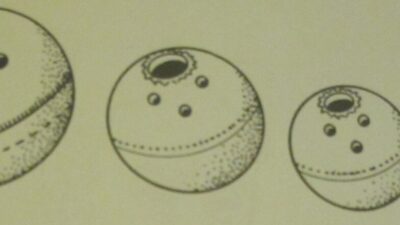
Overviewभोरिन्दो कच्छ और सिंध का एक मिट्टी का पात्र-वंशी (vessel flute / ocarina) है — एक खोखला पका हुआ गोला जिसमें एक फूँकने का बड़ा छेद और तीन-चार छोटे स्वर-छेद होते हैं। सिंधु घाटी सभ्यता से चली आ रही इसकी लगभग 4,000 वर्ष पुरानी परंपरा इसे भारत के प्राचीनतम जीवित वाद्यों में गिनाती है। चरवाहों और बालकों का यह सुलभ साथी आज लुप्ति के कगार पर है, जिसे यूनेस्को ने 2025 में संरक्षण-सूची में दर्ज किया।
अंग्रेज़ी में पढ़ें · Read in English
The bhorrindo is a clay vessel flute (ocarina) of Kutch and Sindh — a hollow fired sphere with one large blowing hole and three-to-four small finger holes. Its roughly 4,000-year lineage from the Indus Valley Civilization ranks it among India's oldest surviving instruments. This accessible companion of shepherds and children now stands at the edge of extinction, and UNESCO inscribed it on its safeguarding list in 2025.
वर्गीकरण
ClassificationNatya Shastra Category
सुषिर (Sushira - wind instruments)
नाट्यशास्त्र के सुषिर वर्ग में भोरिन्दो एक फूँक-आधारित वाद्य है — इसकी ध्वनि खोखले घड़े-नुमा गोले में हवा फूँकने से उत्पन्न होती है। यह वंशी परिवार का 'पात्र-वंशी' (vessel flute / ocarina) प्रकार है, जिसमें नली नहीं बल्कि एक गोलाकार गुहा गूँजती है।
In the Sushira (wind) category of Natya Shastra, the bhorrindo is a breath-activated instrument — its sound arises by blowing air into a hollow pot-like sphere. It belongs to the 'vessel flute' (ocarina) type of the flute family, where a spherical cavity resonates instead of a tube.
Western Category
Vessel flute (globular flute / ocarina family)
Western Family
Aerophone — closed globular flute, cousin of the ocarina; a Helmholtz-resonator wind instrument (unlike the open-tube bansuri or flute)
Sub Classification
बनावट
PhysicalDescription Hindi
भोरिन्दो एक साधारण खोखला मिट्टी का गोला है — अंडे या छोटे घड़े के आकार का — जिसे मुलायम कछारी (जलोढ़) मिट्टी से हाथ से गढ़ा जाता है, धूप में सुखाया जाता है और फिर आँवे में पकाया जाता है। इसमें कोई तार, कोई फ्रेट, कोई नली नहीं होती; केवल एक बड़ा फूँकने का छेद और तीन से चार छोटे स्वर-छेद होते हैं जो प्रायः समद्विबाहु त्रिभुज (isosceles triangle) के आकार में बने होते हैं।
Description English
The bhorrindo is a simple hollow clay ball — shaped like an egg or a small pot — hand-moulded from soft alluvial clay, sun-dried and then kiln-fired. It has no strings, no frets and no tube; only one larger blowing hole and three to four smaller finger holes, usually arranged in an isosceles triangle.
Body
Hollow sphere / egg-shaped (globular)
खोखला गोला / अंडाकार (घड़े जैसा)
Soft alluvial clay, sun-dried and kiln-fired terracotta
मुलायम जलोढ़ (कछारी) मिट्टी, धूप में सुखाकर आँवे में पकाई गई
6-12 (varies; larger spheres give deeper tones, smaller give sharper tones)
The entire hollow clay sphere acts as a single Helmholtz resonance chamber — the enclosed air column vibrates as a whole rather than through a tube
Holes
A larger inlet hole across which the player blows almost horizontally to set the internal air vibrating
Smaller tone holes, of roughly equal size, arranged in an isosceles triangle; covered and uncovered with the fingertips to change the note
No Strings Note
भोरिन्दो में न तार होते हैं, न फ्रेट, न धनुष — यह पूर्णतः फूँक-वाद्य है। स्वर केवल छेदों को ढँकने और मुँह के कोण को झुकाने से बदलते हैं।
The bhorrindo has no strings, no frets and no bow — it is purely a wind instrument. Pitch changes only by covering holes and by tilting the angle of the mouth against the blowing hole.
Construction Process
निर्माण प्रक्रिया
Making process
कुम्हार मुलायम जलोढ़ मिट्टी से एक खोखला गोला गढ़ता है, उसमें फूँकने का बड़ा छेद और तीन-चार छोटे छेद बनाता है, गोले को धूप में सुखाता है और फिर आँवे में पकाता है। पकने के बाद ही उसकी 'सुर' (tuning) स्थिर होती है।
A potter moulds a hollow ball from soft alluvial clay, bores one large blowing hole and three-to-four small holes, sun-dries the ball and then kiln-fires it. Only after firing does its tuning settle.
ध्वनि-चरित्र
SoundTonal Character Hindi
भोरिन्दो की ध्वनि कोमल, धुँधली और साँस भरी (breathy) होती है — मानो हवा किसी मिट्टी के घड़े में गा रही हो। यह गहरी, ध्यानमग्न और उदास-सी गूँज देती है, जो रेगिस्तान की खामोशी और चरवाहे के एकांत को स्वर देती है।
Tonal Character English
The bhorrindo's tone is soft, mellow and breathy — as if the wind itself were singing inside a clay pot. It gives a deep, meditative, faintly mournful resonance that voices the silence of the desert and the solitude of the shepherd.
Timbre
Warm, round, hollow and airy; flute-like but darker and 'earthier' than the bansuri, with a haunting hum characteristic of globular flutes
Range
Narrow — typically only a handful of notes (a small folk scale), determined by the number of finger holes; not a full chromatic or classical raag range
Dynamic Range
Gentle and intimate — a quiet, close-range sound suited to open pastures and small gatherings rather than large concert projection
Techniques
सुनने का मार्गदर्शन
The Listening Guideभोरिन्दो को शास्त्रीय संगीत की तरह मत सुनिए — इसे एक दृश्य की तरह महसूस कीजिए। एक सूनी दोपहर, दूर तक फैला थार, और मिट्टी के गोले में फूँक भरता एक चरवाहा। उस साँस-भरी, धुँधली गूँज पर ध्यान दीजिए, जो कुछ ही स्वरों में अकेलापन और शांति दोनों कह जाती है।
अंग्रेज़ी में पढ़ें · Read in English
Do not listen to the bhorrindo the way you listen to classical music — feel it like a scene. Picture an empty afternoon, the Thar stretching to the horizon, and a shepherd breathing into a ball of clay. Attend to that breathy, misty resonance — how, in just a few notes, it speaks both loneliness and peace. The tunes of Faqir Zulfiqar and the UNESCO documentary are its finest introduction.
परिचय
Identity- Year Of Origin
- -2500
अन्य विवरण
More DetailsTimbre
Warm, round, hollow and airy; flute-like but darker and 'earthier' than the bansuri, with a haunting hum characteristic of globular flutes
रोचक तथ्य
Margin Notesएक नाम, कई किनारे — कच्छ (गुजरात) में इसे 'भोरिन्दो' कहते हैं, तो सिंध (पाकिस्तान) में 'बोरिन्दो', 'बोरेंडो' या 'बोरींडो'। सरहद के दोनों ओर एक ही मिट्टी, एक ही वाद्य, एक ही लोक-संस्कृति — भोरिन्दो सिंध और कच्छ की साझा विरासत का जीवंत प्रमाण है।
In Kutch (Gujarat) it is called 'bhorrindo', while in Sindh (Pakistan) it is 'borindo', 'borendo' or 'boreendo'. The same clay, the same instrument, the same folk culture on both sides of the border — the bhorrindo is living proof of the shared heritage of Sindh and Kutch.
बच्चों का पहला वाद्य — सस्ता, सुलभ और बजाने में आसान होने के कारण भोरिन्दो प्रायः थार के बालकों का पहला वाद्य होता है — मवेशी चराते समय एक मिट्टी के गोले में फूँक भरकर वे संगीत की अपनी पहली भाषा सीखते हैं।
Being cheap, accessible and easy to play, the bhorrindo is often the first instrument of the children of the Thar — while grazing cattle, they learn their first language of music by blowing into a ball of clay.
हेल्महोल्ट्ज़ की गूँज — बाँसुरी जैसी खुली नली के विपरीत, भोरिन्दो एक बंद गोलाकार गुहा है — भौतिकी में इसे 'हेल्महोल्ट्ज़ अनुनादक' (Helmholtz resonator) कहते हैं, वैसा ही सिद्धांत जो किसी बोतल के मुँह पर फूँकने से गूँज पैदा करता है। इसी कारण इसकी ध्वनि नली-वाद्यों से अलग, गोल और गहरी होती है।
Unlike the open tube of a bansuri, the bhorrindo is a closed spherical cavity — in physics a 'Helmholtz resonator', the same principle that hums when you blow across a bottle's mouth. This is why its tone is rounder and deeper than that of tube-flutes.
सवाल-जवाब
Questions & Answersभोरिन्दो क्या है?
भोरिन्दो एक मिट्टी का खोखला गोलाकार वाद्य (पात्र-वंशी / ओकरीना) है, जो कच्छ (गुजरात) और सिंध का लोक-वाद्य है। इसमें एक बड़ा फूँकने का छेद और तीन-चार छोटे स्वर-छेद होते हैं; फूँककर और छेदों को ढँककर स्वर निकाले जाते हैं।
भोरिन्दो और बोरेंडो में क्या अंतर है?
कोई अंतर नहीं — यह एक ही वाद्य के क्षेत्रीय नाम हैं। कच्छ (गुजरात) में इसे 'भोरिन्दो' कहते हैं, तो सिंध (पाकिस्तान) में 'बोरिन्दो', 'बोरेंडो' या 'बोरींडो'।
भोरिन्दो कितना पुराना है?
भोरिन्दो संभवतः लगभग 4,000 वर्ष पुराना है। मोहनजोदड़ो और हड़प्पा (सिंधु घाटी सभ्यता) की खुदाई में ऐसी पकी-मिट्टी की सीटियाँ मिली हैं जो आज के भोरिन्दो से लगभग एक-सी हैं, जिससे यह विश्व के प्राचीनतम जीवित वाद्यों में गिना जाता है।
भोरिन्दो कैसे बजाया जाता है?
बड़े छेद के ऊपर से लगभग क्षैतिज रूप से फूँक मारी जाती है, और उँगलियों की पोरों से छोटे छेदों को खोल-ढँककर स्वर बदले जाते हैं। इसकी गोलाकार बनावट के कारण मुँह के कोण को झुकाकर भी सुर सूक्ष्म रूप से बदला जा सकता है।
क्या भोरिन्दो लुप्तप्राय है?
हाँ, भोरिन्दो गंभीर रूप से लुप्तप्राय है। इसे बनाने और बजाने की परंपरा आज गिनती के ही लोगों में बची है। 2025 में यूनेस्को ने 'बोरेंडो' को 'तत्काल सुरक्षा की आवश्यकता वाली अमूर्त सांस्कृतिक विरासत' की सूची में दर्ज किया।
नमूना-पट्टी
The Specimen Table| नाम | भोरिन्दो · Bhorrindo |
|---|---|
| अन्य नाम | बोरिन्दो (सिंधी) · बोरेंडो / बोरींडो (Borendo / Boreendo) · बोरिन्दो (Borrindo) · बोरिंदो (Borindo) |
| उद्गम | -2500 |
| प्रकार | वाद्य · Instruments |
साझा कीजिए · Share this Plate