सिनेमा विंग · फ़िल्म-पट्टिका · Film Plate
शीरीं फ़रहाद
Shirin Farhad
शैलीRomance · Costume Drama · Musical
भाषाhindi प्रकारकथा-चित्र (फ़ीचर)
गीत7 — नीचे पूरी संगीत-सूची
कथा-सार
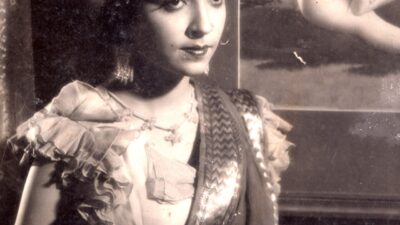
Synopsis'शीरीं फ़रहाद' पंचोली आर्ट पिक्चर्स की लाहौर में बनी वह फ़िल्म है जो उस फ़ारसी-इस्लामी प्रेमकथा को परदे पर लाती है जिसे यह उपमहाद्वीप आठ सदियों से दोहराता आया है — शीरीं, वह अर्मीनियाई राजकुमारी जिससे सासानी बादशाह ख़ुसरो प्रेम करता है, और फ़रहाद, वह संगतराश जो उसे पाने की कोई आशा रखे बिना उससे प्रेम करता है। निज़ामी गंजवी की बारहवीं सदी की मसनवी में बादशाह अपने प्रतिद्वंद्वी को बिसितून पर्वत भेजकर पत्थर काटकर रास्ता बनाने का असंभव काम सौंपता है, और फिर एक झूठ से उसे तोड़ देता है — शीरीं की मृत्यु की झूठी ख़बर लेकर भेजा गया संदेशवाहक, जिसे सुनकर फ़रहाद चट्टान से कूद जाता है। पंजाब की क़िस्सा-परंपरा, जिसमें यह कथा उसी नाम-क्रम से चलती है जो इस फ़िल्म ने अपनाया, बादशाह को हाशिये पर कर देती है और फ़रहाद को केंद्र में ले आती है: पहाड़ वहाँ राजा की क्रूरता का प्रमाण नहीं, प्रेम की सहनशक्ति की कसौटी बन जाता है — और यही कारण है कि लाहौर के स्टूडियो बार-बार इसी कथा पर लौटते रहे। 1945 की अंग्रेज़ी सूचियाँ इसे सीधे 'लेजेंड रोमांस' कहती हैं; पाकिस्तान के विभाजन-पूर्व फ़िल्म-अभिलेख इसे 'लोककथा' के ख़ाने में रखते हैं। प्रह्लाद दत्त की इस फ़िल्म का दृश्य-दर-दृश्य विवरण आज सुलभ किसी भी अभिलेखागार में सुरक्षित नहीं है, और यहाँ उसे गढ़ा नहीं गया है। दस्तावेज़ इतना बताते हैं: 3,322 मीटर की — लगभग दो घंटे की — फ़िल्म, रागिनी और जयंत के नेतृत्व में, दो संगीतकारों द्वारा अलग-अलग स्वरबद्ध, और गायन का भार शमशाद बेगम पर, जिन्हें पाकिस्तान के विभाजन-पूर्व फ़िल्म-अभिलेख इसके सातों दर्ज रिकॉर्डों पर श्रेय देते हैं।
अंग्रेज़ी में पढ़ें · Read in English
Shirin Farhad is Pancholi Art Pictures' Lahore-made version of the Perso-Islamic romance that the subcontinent has been retelling for eight centuries: Shirin, the Armenian princess loved by the Sassanian king Khusrau, and Farhad, the stonecutter who loves her without any hope of possessing her. In Nizami Ganjavi's twelfth-century poem the king removes his rival by sending him to Mount Bisitun with the impossible labour of cutting a passage through the rock, and then breaks him with a lie — a messenger despatched with false news of Shirin's death, on hearing which Farhad throws himself from the cliff. The qissa tradition of the Punjab, in which the tale travels under the title order this film uses, pushes the king to the margins and makes Farhad the centre: the mountain becomes a test of how much love can carry rather than a demonstration of royal cruelty, which is why the Lahore studios kept returning to it. English-language listings of 1945 class the film simply as a legend romance; Pakistan's pre-Partition film records class it as a folk story. No scene-by-scene account of Prahlad Dutt's production survives in any archive accessible today, and none is reconstructed here. What the documentation does establish is the film's shape: a feature of 3,322 metres — about two hours — led by Ragini and Jayant, scored by two composers working separately, and carried vocally by Shamshad Begum, whom Pakistan's pre-Partition film records credit on every one of its seven catalogued sides.
संगीत-सूची
The Soundtrackसात गीत, दो संगीतकारों में बँटे हुए — जिन्होंने जोड़ी बनकर नहीं, समानांतर काम किया। पंडित अमरनाथ — उस पंजाबी संगीतकार-परिवार के वरिष्ठ सदस्य जिससे हुस्नलाल-भगतराम भी आए, और 1940 के दशक के मध्य तक 'हिज़ मास्टर्स वॉइस' के संगीतकार — ने चार गीत रिकॉर्ड किए: 'अंगड़ाई तेरी याद में आई ओ हरजाई', 'शोख़ आँखों में कालिख लगा दो', 'सुन बात किसी मस्ताने की' और 'ये दिल ये मेरे प्यार का घर तेरे लिए है'। बाक़ी तीन रशीद अत्रे ने रिकॉर्ड किए: 'मैं क्या हूँ भला ये बताओ तो जानूँ', 'अरमानों की बस्ती में हम आग लगा बैठे' और 'तू नहीं तो आसरा मुझको है तेरी याद का'। बोल डी. एन. माधोक और नाज़िम पानीपती के हैं, और हिंदी फ़िल्म गीत कोश तथा माईस्वर मिलकर सातों गीतों के गीतकार तय कर देते हैं: माधोक ने 'अंगड़ाई तेरी याद में आई ओ हरजाई', 'शोख़ आँखों में कालिख लगा दो', 'अरमानों की बस्ती में हम आग लगा बैठे' और 'तू नहीं तो आसरा मुझको है तेरी याद का' लिखे; बाक़ी तीन नाज़िम पानीपती के हैं। पाकिस्तान के विभाजन-पूर्व फ़िल्म-अभिलेख शमशाद बेगम को सातों रिकॉर्डों पर श्रेय देते हैं, जबकि गीत कोश पाँच पर उनका नाम लेता है और दो पर गायक का ख़ाना ख़ाली छोड़ देता है। उनके साथ कौन गाता है, इस पर सूचियाँ टकराती हैं: गीत कोश और माईस्वर दो गीतों पर एस. डी. बतीश देते हैं, जबकि pakmag.net एक पर बरकत अली और दूसरे पर पंडित अमरनाथ का नाम देता है। टकराव में यह सूची गीत कोश का अनुसरण करती है। जिस गीत ने इस एलबम को ज़िंदा रखा है, वह है 'अरमानों की बस्ती में हम आग लगा बैठे'।
अंग्रेज़ी में पढ़ें · Read in English
Seven songs, divided between two composers who worked in parallel rather than as a team. Pandit Amarnath — the senior musician of the Punjabi family that also produced Husnlal-Bhagatram, and by the mid-1940s a composer for His Master's Voice — recorded four of them: 'Angdai Teri Yaad Mein Aayi O Harjai', 'Shokh Aankhon Mein Kaalikh Laga Do', 'Sun Baat Kisi Mastane Ki' and 'Yeh Dil Yeh Mere Pyar Ka Ghar Tere Liye Hai'. Rashid Attre recorded the other three: 'Main Kya Hoon Bhala Yeh Batao To Jaanoon', 'Armaanon Ki Basti Mein Hum Aag Laga Baithe' and 'Tu Nahi To Aasra Mujhko Hai Teri Yaad Ka'. The words are by D. N. Madhok and Nazim Panipati, and between them the Hindi Film Geet Kosh and MySwar resolve all seven: Madhok wrote 'Angdai Teri Yaad Mein Aayi O Harjai', 'Shokh Aankhon Mein Kaalikh Laga Do', 'Armaanon Ki Basti Mein Hum Aag Laga Baithe' and 'Tu Nahi To Aasra Mujhko Hai Teri Yaad Ka'; Nazim Panipati wrote the other three. Shamshad Begum is credited on all seven sides by Pakistan's pre-Partition film records, while the Geet Kosh names her on five and leaves the singer blank on the remaining two. The catalogues disagree about who sings with her: the Geet Kosh and MySwar both give S. D. Batish on two numbers, whereas pakmag.net instead names Barkat Ali on one and Pandit Amarnath on another. Where they clash this catalogue follows the Geet Kosh. The number that has kept the album alive is 'Armaanon Ki Basti Mein Hum Aag Laga Baithe'.
- अंगड़ाई तेरी याद में आई ओ हरजाई Angdai Teri Yaad Mein Aayi O Harjai स्वर: Shamshad Begum

- अरमानों की बस्ती में हम आग लगा बैठे Armaanon Ki Basti Mein Hum Aag Laga Baithe स्वर: Shamshad Begum
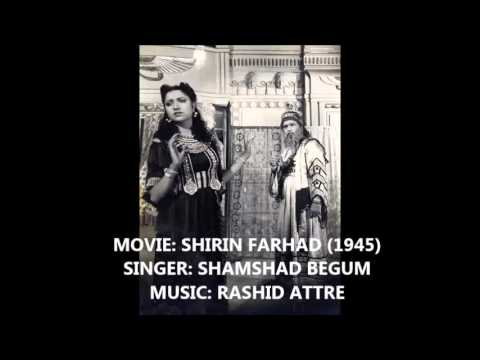
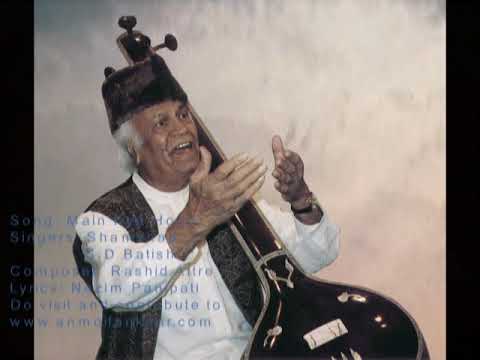
- मैं क्या हूँ भला ये बताओ तो जानूँ Main Kya Hoon Bhala Yeh Batao To Jaanoon स्वर: Shamshad Begum, एस. डी. बतीश
- शोख़ आँखों में कालिख लगा दो Shokh Aankhon Mein Kaalikh Laga Do स्वर: Shamshad Begum
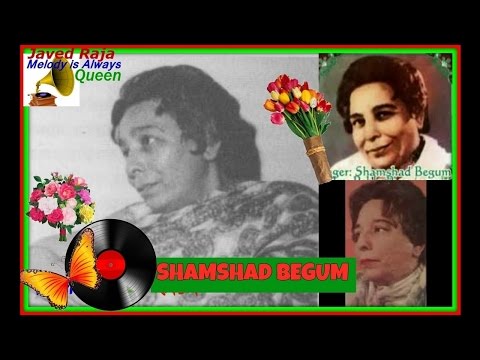
- सुन बात किसी मस्ताने की Sun Baat Kisi Mastane Ki स्वर: Shamshad Begum
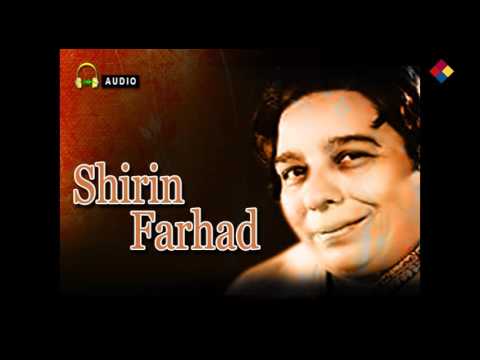
- तू नहीं तो आसरा मुझको है तेरी याद का Tu Nahi To Aasra Mujhko Hai Teri Yaad Ka स्वर: Shamshad Begum
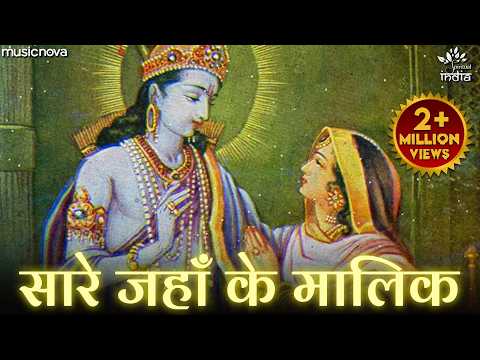
- ये दिल ये मेरे प्यार का घर तेरे लिए है Yeh Dil Yeh Mere Pyar Ka Ghar Tere Liye Hai स्वर: Shamshad Begum, एस. डी. बतीश

पट्टिका-लेख
The Monographपर्दे के पीछे Behind the Scenes
पाकिस्तान के विभाजन-पूर्व फ़िल्म-अभिलेख पटकथा का श्रेय डी. एन. माधोक को देते हैं — जिन्होंने फ़िल्म के कुछ गीत भी लिखे — और संवाद इम्तियाज़ अली ताज तथा शौकत थानवी के बताते हैं, जो लाहौर की एक कॉस्ट्यूम फ़िल्म के लिए असामान्य रूप से साहित्यिक जोड़ी है। ताज 1922 के उर्दू नाटक 'अनारकली' के लेखक थे, वही पाठ जिससे बाद की लगभग हर भारतीय अनारकली निकली; थानवी उर्दू के सबसे प्रसिद्ध हास्य-लेखकों में थे और बाद में पाकिस्तानी प्रसारण का स्थायी चेहरा। फ़िल्म की नायिका का जन्म-नाम शमशाद बेगम था — गुजरांवाला में जन्मी — और परदे का नाम 'रागिनी' उन्हें तब मिला जब फ़िल्मकार रूप के. शोरी ने उन्हें पंजाबी फ़िल्म 'दुल्ला भट्टी' (1940) से पेश किया; नतीजा यह कि परदे पर मौजूद स्त्री और उसके लिए गाने वाली स्त्री — दोनों का नाम एक था, और उस नाम का इस्तेमाल केवल पार्श्वगायिका कर रही थी। रागिनी इन वर्षों की प्रमुख पंचोली नायिका थीं — 'दासी' (1944) और 'कैसे कहूँ' (1945) भी उन्हीं के कंधों पर थीं — और 1945 वही वर्ष था जब उन्होंने लाहौर छोड़कर बंबई का रुख़ किया और ए. आर. कारदार के साथ काम शुरू किया।
अंग्रेज़ी में पढ़ें · Read in English
Pakistan's pre-Partition film records credit the screenplay to D. N. Madhok — who also wrote lyrics for the film — with dialogue by Imtiaz Ali Taj and Shaukat Thanvi, an unusually literary pair for a Lahore costume picture. Taj was the author of the 1922 Urdu play Anarkali, the text from which nearly every subsequent Indian Anarkali derives; Thanvi was one of Urdu's best-known humourists and, later, a fixture of Pakistani broadcasting. The film's leading lady had been born Shamshad Begum in Gujranwala and took the screen name Ragini when the film-maker Roop K. Shorey launched her in the Punjabi film Dulla Bhatti (1940); the result is that the woman on screen and the woman singing for her carried the same name, and only the playback singer was using it. Ragini was the reigning Pancholi heroine of these years — she had also led Daasi (1944) and Kaise Kahoon (1945) — and 1945 was the year she left Lahore for Bombay, where she teamed up with A. R. Kardar.
महत्व Significance
रशीद अत्रे के लिए यह उनके छोटे-से भारतीय दौर का शिखर था। 1942 से 1948 के बीच उन्होंने भारत में केवल आठ फ़िल्मों में संगीत दिया, और उनके जीवन का मानक विवरण 'शीरीं फ़रहाद' को बिना किसी शर्त के उनमें सबसे सफल बताता है — वही फ़िल्म जिस पर कलकत्ता के साउंड विभाग का एक सहायक, जिसे के. एल. सैगल की सलाह पर संगीत की ओर धकेला गया था, आख़िरकार ऐसा संगीतकार बना जिसका नाम रिकॉर्ड बिकवाता था। यह फ़िल्म लाहौर के फ़िल्म-नगर के रूप में अंतिम आत्मविश्वासी क्षण का दस्तावेज़ भी है। विभाजन के समय पंचोली आर्ट पिक्चर्स लाहौर का सबसे बड़ा स्टूडियो था, और यह फ़िल्म ठीक उसी घरेलू शैली पर टिकी है जो उसने गढ़ी थी: पंजाबी रंग वाली धुन, सात गीतों का कसा हुआ एलबम, और शमशाद बेगम — वह आवाज़ जिसे ग़ुलाम हैदर और ख़ुद पंचोली की 'ख़ज़ांची' (1941) ने राष्ट्रीय संपत्ति बना दिया था। रिलीज़ के तीन साल के भीतर स्टूडियो का मालिक बंबई जा चुका था, इसकी नायिका और दो में से एक संगीतकार पाकिस्तान, और दूसरा संगीतकार इस दुनिया में नहीं था। फ़िल्म का प्रिंट कहीं सुरक्षित होने की जानकारी नहीं है। जो बचा है, वह इसके गीत हैं।
अंग्रेज़ी में पढ़ें · Read in English
For Rashid Attre this was the peak of a short Indian career. He composed for only eight films in India between 1942 and 1948, and the standard survey of his life names Shirin Farhad, without qualification, as his most successful of them — the film on which a Calcutta sound-department assistant, pushed towards music on K. L. Saigal's advice, finally became a composer whose name sold a record. The film is also a document of Lahore at its last confident moment as a film city. Pancholi Art Pictures was the largest studio in Lahore when Partition came, and this production rests squarely on the house style it had built: Punjabi-inflected melody, a compact seven-song album, and Shamshad Begum, the voice that Ghulam Haider and Pancholi's own Khazanchi (1941) had turned into a national property. Within three years of the film's release the studio's owner had moved to Bombay, its leading lady and one of its two composers had gone to Pakistan, and the other composer was dead. Almost nothing of the film itself is known to survive. Its songs are what is left of it.
विरासत Legacy
शीरीं और फ़रहाद उन पहले विषयों में थे जिन तक भारतीय सवाक् सिनेमा पहुँचा: 1931 की मदन थिएटर्स की इसी नाम की बोलती फ़िल्म — जे. जे. मदन का निर्देशन, फ़रहाद के रूप में मास्टर निसार, शीरीं के रूप में कज्जनबाई, और सत्रह गीत — भारत की दूसरी सवाक् फ़िल्म थी। पंचोली की 1945 वाली फ़िल्म इस कड़ी के बीच में बैठती है, और आस्पी ईरानी की 1956 की 'शीरीं फ़रहाद' — प्रदीप कुमार और मधुबाला, एस. मोहिंदर का संगीत, 'गुज़रा हुआ ज़माना' — ने इस कड़ी को बंद भी किया और जनस्मृति में अपनी दोनों पूर्ववर्तियों को ढँक भी दिया। तीनों में से 1945 वाली ही वह फ़िल्म है जो लुप्त हो गई: कोई प्रिंट प्रचलन में नहीं है, कोई स्टिल आम उपयोग में नहीं, और उसका पूरा रिकॉर्ड एक गीत-सूची, एक सेंसर नंबर और एक कास्ट-सूची है। जिन कलाकारों को इसने छुआ, उनके सफ़र फ़िल्म से कहीं आगे गए। रशीद अत्रे 1948 में पाकिस्तान चले गए, अपने पूरे कार्यजीवन में लगभग अस्सी फ़िल्मों में संगीत दिया और तीन बार सर्वश्रेष्ठ संगीत का निगार पुरस्कार जीता। रागिनी भी सरहद पार गईं और 1983 तक उर्दू व पंजाबी सिनेमा में काम करती रहीं। पंडित अमरनाथ को यह अवसर नहीं मिला: 1947 में उनका निधन हो गया और 'मिर्ज़ा साहिबाँ' अधूरी छोड़ गए, जिसे उनके कनिष्ठ पारिवारिक संगीतकार हुस्नलाल और भगतराम ने पूरा किया। शमशाद बेगम बंबई में ही रहीं और 1950 के दशक की परिभाषित पार्श्व-आवाज़ों में गिनी गईं।
अंग्रेज़ी में पढ़ें · Read in English
Shirin and Farhad were among the very first subjects Indian sound cinema reached for: the 1931 Madan Theatres talkie of the same name, directed by J. J. Madan with Master Nissar as Farhad and Kajjanbai as Shirin and seventeen songs in it, was the second Indian sound film ever released. Pancholi's 1945 version sits in the middle of that line, and Aspi Irani's Shirin Farhad of 1956 — Pradeep Kumar and Madhubala, S. Mohinder's score, 'Guzra Hua Zamana' — closed it and eclipsed both predecessors in public memory. Of the three, the 1945 film is the one that vanished: no print is known to circulate, no stills are in general use, and the record of it is a song list, a censor number and a cast. The careers it touched went further than the film did. Rashid Attre migrated to Pakistan in 1948, composed for some eighty films across his whole career and won the Nigar Award for best music three times. Ragini crossed too, and worked in Urdu and Punjabi cinema until 1983. Pandit Amarnath did not get the chance: he died in 1947, leaving Mirza Sahiban unfinished for his younger kinsmen Husnlal and Bhagatram to complete. Shamshad Begum stayed in Bombay and became one of the defining playback voices of the 1950s.
अन्य विवरण
More Details- https://en.wikipedia.org/wiki/List_of_Hindi_films_of_1945
- https://www.hindigeetmala.net/movie/shirin_farhad_1945.htm
- https://pakmag.net/film/predetails.php?pid=2669
- https://indiancine.ma/EGC/info
- https://www.millenniumpost.in/sunday-post/beyond-bygone/revered-maestro-rasheed-attre-402129
- https://atulsongaday.me/2016/12/19/armaanon-ki-basti-mein-ham-aag-lagaa-baithhe/
- https://en.wikipedia.org/wiki/Rashid_Attre
- https://en.wikipedia.org/wiki/Ragni_(actress)
- https://en.wikipedia.org/wiki/Dalsukh_M._Pancholi
- https://en.wikipedia.org/wiki/Shirin_Farhad_(1931_film)
- https://en.wikipedia.org/wiki/Shirin_Farhad_(1956_film)
- https://en.wikipedia.org/wiki/Khosrow_and_Shirin
- https://www.hamraaz.org/
- https://myswar.co/album/shirin-farhad-1945
References
नमूना-पट्टी
The Specimen Table| शीर्षक | शीरीं फ़रहाद · Shirin Farhad |
|---|---|
| वर्ष · युग | 1945 — Pre Independence |
| निर्देशक | प्रह्लाद दत्त · Prahlad Dutt |
| संगीत-निर्देशक | पंडित अमरनाथ · Pandit Amarnath · रशीद अत्रे · Rashid Attre |
| गीतकार | डी. एन. माधोक · D. N. Madhok · नाज़िम पानीपती · Nazim Panipati |
| कलाकार-मंडली | रागिनी · Ragini · जयंत · Jayant · ग़ुलाम मोहम्मद · Ghulam Mohammad · ज्ञानी · Gyani · ज़हूर शाह · Zahoor Shah · नफ़ीस बेगम · Nafees Begum · वज़ीर बेगम · Wazir Begum · इसहाक़ · Ishaq · अता · Ata · तारा चौधरी · Tara Chaudhri |
| निर्माता | Dalsukh M. Pancholi |
| निर्माण-गृह | Pancholi Art Pictures, Lahore |
| शैली | Romance · Costume Drama · Musical |
| भाषा | hindi |
| प्रकार | कथा-चित्र (फ़ीचर) |
| गीत | 7 गीत — ऊपर पूरी संगीत-सूची |
जुड़े हुए पन्ने
Connected Plates · The Graph Made Visibleअटलस में कोई पन्ना अकेला नहीं — 'शीरीं फ़रहाद' से उसके गीत, कलाकार, राग और युग, सब जुड़े हैं।
इस फ़िल्म के गीत · Songs of this Film
कलाकार · Cast & Crew
युग · The Era
साझा कीजिए · Share this Plate
यह पन्ना आगे बढ़ाइए
जुड़ी हुई दुनिया
Explore ConnectionsSoundtrack · गीत
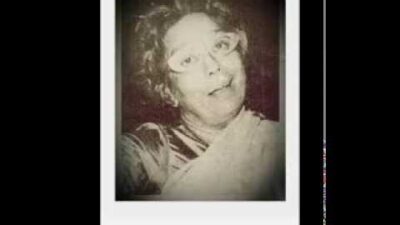
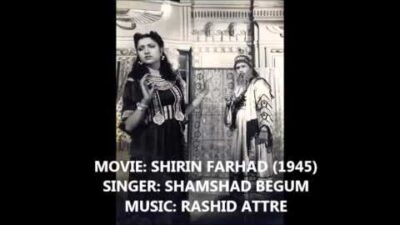
अरमानों की बस्ती में हम आग लगा बैठे
Armaanon Ki Basti Mein Hum Aag Laga Baithe
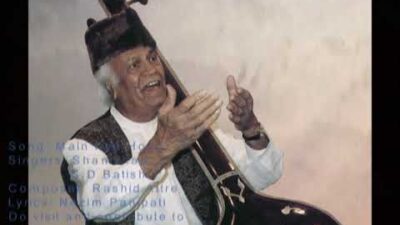
मैं क्या हूँ भला ये बताओ तो जानूँ
Main Kya Hoon Bhala Yeh Batao To Jaanoon
Shamshad Begum, एस. डी. बतीश · Shirin Farhad


तू नहीं तो आसरा मुझको है तेरी याद का
Tu Nahi To Aasra Mujhko Hai Teri Yaad Ka
ये दिल ये मेरे प्यार का घर तेरे लिए है
Yeh Dil Yeh Mere Pyar Ka Ghar Tere Liye Hai
Shamshad Begum, एस. डी. बतीश · Shirin Farhad