दुख्तर-ए-हिंद के गीत — अजंता, 1934
Songs of Dukhtar-e-Hind (Ajanta, 1934)
सिनेमा विंग · फ़िल्म-पट्टिका · Film Plate
Dukhtar-e-Hind
शैलीCostume Drama · Social
भाषाhindi प्रकारकथा-चित्र (फ़ीचर)
गीत2 — नीचे पूरी संगीत-सूची
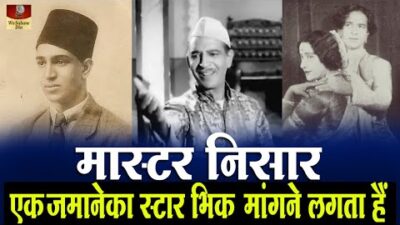
अजंता सिनेटोन की एक सामाजिक-देशभक्तिपूर्ण ड्रामा, 'दुख्तर-ए-हिंद' (हिंद की बेटी) अपने शीर्षक और कथा के माध्यम से युग की राष्ट्रवादी भावना को जगाती है। निर्देशक ए.पी. कपूर ने स्वाधीनता आंदोलन के तेज़ होते दौर की राष्ट्रवादी-विषय फ़िल्म परंपराओं में मास्टर निसार, अमीना और बिब्बो को एकत्र किया।
A social-patriotic drama from Ajanta Cinetone, Dukhtar-e-Hind (Daughter of India) evokes the nationalist sentiment of the era through its title and narrative. Director A.P. Kapoor assembled Master Nissar, Ameena and Bibbo in a cast that mixed established stars with the nationalist-subject film conventions of early 1930s Indian cinema — a genre gaining force as the independence movement intensified.
संगीत-श्रेय दर्ज नहीं; उस दौर की देशभक्ति-सामाजिक फ़िल्में लोकप्रिय लोक और अर्ध-शास्त्रीय धुनों को उत्साहजनक गीत-सामग्री के साथ मिलाती थीं।
Music director not documented; patriotic-social films of the period blended popular folk and semi-classical melodies with rousing lyrical content.
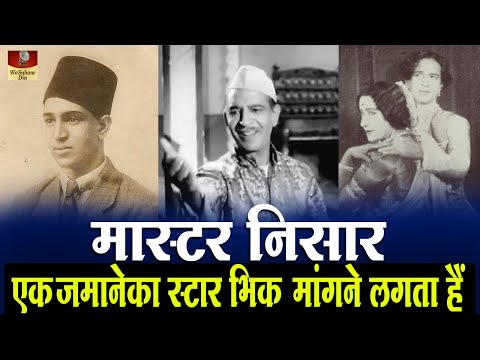
देशभक्ति 'हिंद की बेटी' शीर्षक इस फ़िल्म को 1930 के दशक के बढ़ते राष्ट्रवादी-भावना-सिनेमा में रखता है।
The patriotic 'Daughter of India' title situates this film in the growing nationalist-sentiment cinema of the 1930s; Master Nissar's presence in multiple studios' productions that year shows his popularity across the industry.
| शीर्षक | दुख्तर-ए-हिंद · Dukhtar-e-Hind |
|---|---|
| वर्ष · युग | 1934 — Talkie Dawn |
| निर्देशक | ए.पी. कपूर · A.P. Kapoor |
| कलाकार-मंडली | मास्टर निसार · Master Nissar · अमीना · Ameena · बिब्बो · Bibbo |
| निर्माण-गृह | Ajanta Cinetone |
| शैली | Costume Drama · Social |
| भाषा | hindi |
| प्रकार | कथा-चित्र (फ़ीचर) |
| गीत | 2 गीत — ऊपर पूरी संगीत-सूची |
अटलस में कोई पन्ना अकेला नहीं — 'दुख्तर-ए-हिंद' से उसके गीत, कलाकार, राग और युग, सब जुड़े हैं।
साझा कीजिए · Share this Plate
Songs of Dukhtar-e-Hind (Ajanta, 1934)