गीत विंग · संग्रह-पट्टिका · Collection Plate
The Second Expedition: Darby’s 1904 Recording Sessions
संग्रह-कथा
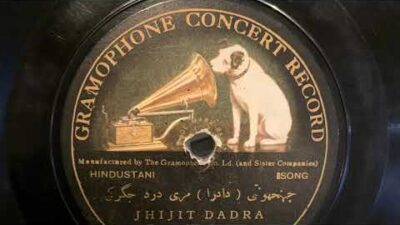
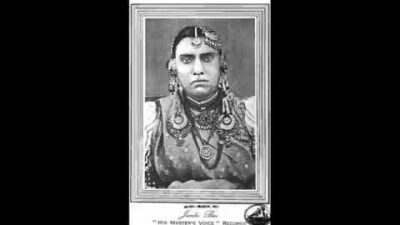
The Curator's NoteIn December 1904, William Sinkler Darby returned to India for the Gramophone Company’s second major recording expedition. This curated collection preserves all eight songs recorded during those historic sessions — a snapshot of Indian classical music at the turn of the 20th century, featuring some of the greatest singers and instrumentalists of the era: Gauhar Jaan, Zohra Bai Agrewali, Ustad Imdad Khan, Peara Saheb, and Janki Bai. From Imdad Khan’s first-ever sitar recording to Zohra Bai’s mystical renderings of Amir Khusro’s verses, these recordings document the breadth of Indian musical tradition — vocal and instrumental, devotional and secular, classical and folk-influenced.
इस संग्रह के गीत
Songs in this Collection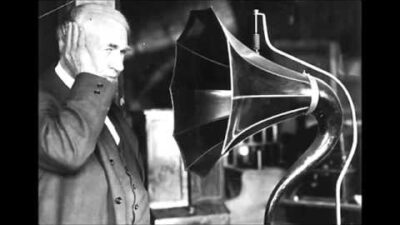
साझा कीजिए · Share this Plate
यह पन्ना आगे बढ़ाइए
अन्य विवरण
More Details- गौहर जान
- उस्ताद इमदाद ख़ान
- ज़ोहरा बाई अग्रेवाली
- जंकी बाई
- पीरा साहब
Description
दिसंबर 1904 में, विलियम सिंकलर डार्बी ग्रामोफ़ोन कंपनी की दूसरी प्रमुख रिकॉर्डिंग यात्रा के लिए भारत लौटे। यह क्यूरेट किया गया संग्रह उन ऐतिहासिक सत्रों के दौरान दर्ज किए गए सभी आठ गीतों को संरक्षित करता है — 20वीं सदी के मोड़ पर भारतीय शास्त्रीय संगीत का एक स्नैपशॉट, जिसमें उस समय के कुछ महानतम गायक और वाद्य संगीतकार हैं: गौहर जान, ज़ोहरा बाई अग्रेवाली, उस्ताद इमदाद ख़ान, पीरा साहब, और जंकी बाई। इमदाद ख़ान की पहली-कभी सितार रिकॉर्डिंग से लेकर ज़ोहरा बाई के अमीर ख़ुसरो की कविताओं की रहस्यमय प्रस्तुतियों तक, ये रिकॉर्डिंग भारतीय संगीत परंपरा की व्यापकता को दस्तावेज़ करती हैं।
In December 1904, William Sinkler Darby returned to India for the Gramophone Company's second major recording expedition. This curated collection preserves all eight songs recorded during those historic sessions — a snapshot of Indian classical music at the turn of the 20th century, featuring some of the greatest singers and instrumentalists of the era: Gauhar Jaan, Zohra Bai Agrewali, Ustad Imdad Khan, Peara Saheb, and Janki Bai. From Imdad Khan's first-ever sitar recording to Zohra Bai's mystical renderings of Amir Khusro's verses, these recordings document the breadth of Indian musical tradition — vocal and instrumental, devotional and secular, classical and folk-influenced.
Curator Notes
This collection tells a story of artistic diversity and technical achievement. The songs range from Imdad Khan's meditative sitar alaps to Zohra Bai's devotional khayals to Gauhar Jaan's seasonal folk-influenced chaiti. Together, they present a comprehensive portrait of the musical landscape of early 20th-century India — a landscape that included some of the finest musicians ever recorded, captured at a moment when their art forms were beginning to be preserved by technology. These 1904 recordings became foundational documents for the history of Indian classical music, influencing generations of musicians who studied these discs and learned from the examples set by Gauhar Jaan, Imdad Khan, and their contemporaries.
Historical Context
The 1904 recordings represent a transformational moment in the history of recorded music. These were among the earliest recordings of classical Indian music made on wax discs. William Sinkler Darby, the Gramophone Company's recording engineer, had traveled to India specifically to capture the voices and instruments of India's greatest musicians. The technical challenges were immense — acoustic recording horns were designed for vocal music, yet Darby successfully recorded sophisticated instrumental pieces. The recordings were made in studio conditions, with artists often recording for the first time in their lives, facing unfamiliar technology and the pressure to fit complete artistic statements into 3-4 minute sessions. Despite these constraints, the recordings capture something essential: the artistry, technical mastery, and spiritual depth of Indian classical musicians at the dawn of the mechanical age.