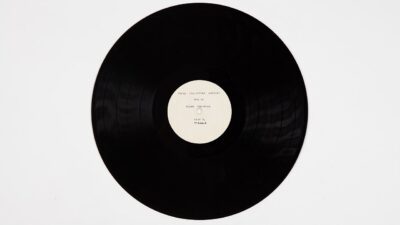
गीत विंग · गीत-पट्टिका · Song Plate
आशा ने दीप जलाये
Asha Ne Deep Jalaye
'आशा ने दीप जलाये' — सुहाना गीत का वसंत कुमार नायडू द्वारा रचित 1941 का गीत।
भावHopeful · प्रेरणादायक
भाषाhindi गतिमध्यम स्वरूपSolo
श्रेय
The Creditsसूत्र-वाक्य · The Hook
सूत्र-वाक्य
'आशा ने दीप जलाये' — सुहाना गीत का वसंत कुमार नायडू द्वारा रचित 1941 का गीत।
In English'Hope has lit a lamp' — a 1941 Vasant Kumar Naidu number from Suhana Geet.
पट्टिका-लेख
The Monographपरिचय Overview
'आशा ने दीप जलाये' 1941 की सामाजिक-संगीतमय फ़िल्म सुहाना गीत के गीतों में से एक है, जिसे एम. ए. मिर्ज़ा ने निर्देशित किया और वसंत कुमार नायडू ने कमला फ़िल्म्स के लिए संगीतबद्ध किया। शीर्षक — 'आशा ने दीप जलाया' — एक आशावादी, उत्साहवर्धक गीत का संकेत देता है। यह फ़िल्म की समकालीन गीत-सूचियों में दर्ज है; गायक और गीतकार के श्रेय परामर्श किए गए स्रोतों में नहीं बचे हैं।
अंग्रेज़ी में पढ़ें · Read in English
'Asha Ne Deep Jalaye' is one of the songs from the 1941 social-musical Suhana Geet, directed by M. A. Mirza and composed by Vasant Kumar Naidu for Kamala Films. The title — 'Hope has lit a lamp' — suggests a hopeful, uplifting number. It is recorded in period song catalogues for the film; singer and lyricist credits have not survived in the consulted sources.
काव्य The Poetry
'आशा ने दीप जलाये' — 'आशा ने दीपक जलाए' — हिंदी साहित्यिक कल्पना के दो सबसे टिकाऊ प्रतीकों को एक साथ लाता है: आशा का सक्रिय कर्ता के रूप में व्यक्तित्वारोपण, और दीप का ज्ञान, दृढ़ता और अंधकार के निवारण के प्रतीक के रूप में प्रयोग। दीप का बिंब संस्कृत और लोकभाषा कविता में प्राचीन है: दीवाली पर अंधकार के बाद प्रकाश के स्वागत में, मंदिर के अनुष्ठान में दिव्य उपस्थिति बनाए रखने के लिए, और कविता में प्रिय के आगमन या कठिनाई में आत्मा की स्थिरता के संकेत के लिए। 1941 की फ़िल्म-गीत में 'आशा ने दीप जलाये' एक आशावादी-प्रेरणादायी स्वर अपनाता है — यह विचार कि आशा स्वयं जो अंधेरा था उसे सक्रिय रूप से प्रकाशित करती है। क्रिया का कर्ता स्वयं आशा है (आशा ने), जो इस अमूर्त गुण को वह क्रियाशीलता देता है जो सामान्य भाषण में दुर्लभ है। फ़िल्म सुहाना गीत — जिसका शीर्षक ही 'सुंदर गीत' है — ने स्पष्टतः अपनी संगीत-पट्टी को काव्यात्मक आशावाद के इर्द-गिर्द बनाया था।
अंग्रेज़ी में पढ़ें · Read in English
The title 'Asha Ne Deep Jalaye' — 'Hope has lit a lamp' — joins two of the most durable symbols in the Hindi literary imagination: āśā (hope) personified as an active agent, and the dīp (lamp) as a signal of knowledge, perseverance, and the dispelling of darkness. The dīpa-imagery is ancient in Sanskrit and vernacular poetry: lamps are lit at Diwali to welcome light after darkness, in temple ritual to sustain the divine presence, and in poetry to signal the arrival of the beloved or the sustaining of the inner spirit through hardship. In the context of a 1941 film song, 'Asha Ne Deep Jalaye' adopts a hopeful-inspirational register — the idea that hope actively illuminates what was dark. The subject of the verb is hope itself (āśā ne), giving the abstract quality an agency it rarely has in ordinary speech: hope does not merely exist but acts, it lights, it sets something burning. Vasant Kumar Naidu's film Suhana Geet, whose title means 'a beautiful song', clearly framed its soundtrack around lyric optimism; this number would have served as one of its uplifting pillars. The lyricist for this specific number is not documented in the available sources; the imagery nonetheless is consistent with the bhajan and social-film uplift traditions of the period.
कहानी The Story
सुहाना गीत (1941) कमला फ़िल्म्स द्वारा निर्मित और एम. ए. मिर्ज़ा द्वारा निर्देशित थी, संगीत वसंत कुमार नायडू का था। फ़िल्म का शीर्षक — 'सुंदर / मनोहर गीत' — एक ऐसी निर्मिति की ओर संकेत करता है जिसने संगीत को अपनी पहचान और विपणन के केंद्र में रखा — उस काल में एक सामान्य रणनीति जब फ़िल्म की गीत-सूची उसकी प्रमुख व्यावसायिक संपत्ति होती थी। कमला फ़िल्म्स 1940 के दशक की बम्बई फ़िल्म-उद्योग प्रणाली के छोटे स्टूडियो में से एक था, जो बॉम्बे टॉकीज़ और रणजीत मूवीटोन जैसे बड़े स्टूडियो की निर्मितियों से मुक़ाबला करते हुए हिंदी सामाजिक-संगीत फ़िल्में बनाता था। एम. ए. मिर्ज़ा ने इस काल में कमला फ़िल्म्स के लिए कई फ़िल्में निर्देशित कीं। सुहाना गीत के संगीत-पट्टी से जुड़ी एक यूट्यूब रिकॉर्डिंग (ID: up5W4QuDY1o) सुझाती है कि इस फ़िल्म का ऑडियो आंशिक रूप से बचा है — 1941 की छोटी निर्मितियों के लिए एक असामान्य परिस्थिति।
अंग्रेज़ी में पढ़ें · Read in English
Suhana Geet (1941) was produced by Kamala Films and directed by M. A. Mirza, with music by Vasant Kumar Naidu. The film's title — 'beautiful/pleasant song' — indicates a production that placed music at the centre of its identity and marketing, a common strategy in this period when a film's song-list was its primary commercial asset. Kamala Films was one of the smaller studios in the Bombay film industry ecosystem of the early 1940s, producing Hindi social-musicals that competed with the output of larger studios like Bombay Talkies and Ranjit Movietone. M. A. Mirza directed several Kamala Films productions in this period. Vasant Kumar Naidu served as the in-house composer, providing scores for the studio's output. A YouTube recording (ID: up5W4QuDY1o) associated with the Suhana Geet soundtrack suggests that audio from this film partially survived, though it is unusual for smaller 1941 productions to have any surviving recordings. The lyricist for 'Asha Ne Deep Jalaye' is not documented; this may reflect incomplete cataloguing in period trade records for Kamala Films releases, which did not always receive the same level of trade-press coverage as the major studio productions.
वर्गीकरण
Classification- Tempo
- Medium
Genre
अन्य विवरण
More Details- hindigeetmala.net — Suhana Geet (1941) song listing
- Hindi Film Geet Kosh Vol. 3 — 1941 entries
- YouTube recording ID up5W4QuDY1o associated with Suhana Geet (1941)
References
रोचक तथ्य
Margin Notesसुहाना गीत (1941) कमला फिल्म्स का निर्माण था—यह बॉम्बे के उन छोटे स्टूडियो में से एक था जो उस दौर के बड़े स्टूडियो के मुक़ाबले हिन्दी सामाजिक-संगीतिकाएँ बनाया करते थे।
अंग्रेज़ी में पढ़ें · Read in English
Suhana Geet (1941) was a Kamala Films production — one of the smaller Bombay studios that produced Hindi social-musicals in competition with the major studios of the period.
सुहाना गीत (1941) के साउंडट्रैक से जुड़ी एक यूट्यूब रिकॉर्डिंग (आईडी: up5W4QuDY1o) आज भी उपलब्ध है—1941 की एक छोटी फ़िल्म के लिए यह ऑडियो का दुर्लभ बचा हुआ अंश है; इस दौर के अधिकांश छोटे स्टूडियो की रिकॉर्डिंग नष्ट हो चुकी हैं।
अंग्रेज़ी में पढ़ें · Read in English
A YouTube recording associated with the Suhana Geet (1941) soundtrack (ID: up5W4QuDY1o) represents a rare survival of audio from a minor 1941 production; most recordings from smaller studios of this era were lost.
आशा के प्रतीक के रूप में दीप/दीपक का बिंब संस्कृत काव्य में, कबीर के भजनों में, मीराबाई की भक्ति रचनाओं में, और 1930-40 के दशक की सामाजिक फ़िल्मों के गीतों में समान रूप से मिलता है—यह हिन्दू और इस्लामी काव्य-परंपराओं में साझा एक निरंतर काव्यात्मक विरासत है।
अंग्रेज़ी में पढ़ें · Read in English
The lamp (dīp/dīpak) as a symbol of hope appears in Sanskrit poetry, in Kabir's bhajans, in Mirabai's devotional verse, and in the social-film songs of the 1930s–40s as a consistent poetic inheritance across Hindu and Islamic lyrical traditions.
निर्देशक एम.ए. मिर्ज़ा ने 1940 के दशक के आरंभ में कमला फिल्म्स की कई फ़िल्मों का निर्देशन किया, जिससे वे उस दौर की मध्यम-स्तरीय बॉम्बे स्टूडियो व्यवस्था के एक महत्वपूर्ण व्यक्तित्व बने।
अंग्रेज़ी में पढ़ें · Read in English
Director M.A. Mirza directed multiple Kamala Films productions in the early 1940s, making him a key figure in the mid-tier Bombay studio system of the period.
नमूना-पट्टी
The Specimen Table| शीर्षक | आशा ने दीप जलाये · Asha Ne Deep Jalaye |
|---|---|
| फ़िल्म | सुहाना गीत · 1941 |
| वर्ष · युग | 1941 |
| संगीतकार | Vasant Kumar Naidu |
| स्वरूप | Solo |
| गति | मध्यम |
| भाषा | hindi |
| भाव | Hopeful · प्रेरणादायक |
| बोल-स्थिति | केवल झलक |
जुड़े हुए पन्ने
Connected Plates · The Graph Made Visibleअटलस में कोई पन्ना अकेला नहीं — इस गीत से जुड़े गीत, कलाकार, फ़िल्म, राग-ताल-विधा, सब यहाँ से खुलते हैं।
कलाकार · The Artists
फ़िल्म · The Film
साझा कीजिए · Share this Plate