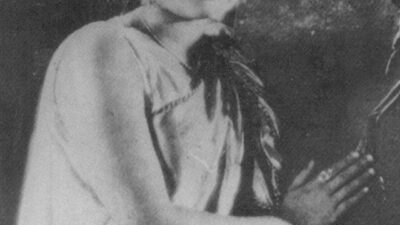
गीत विंग · गीत-पट्टिका · Song Plate
दिए क्या क्या फ़रेब जलवा
Diye Kya Kya Farebe Jalwa
“दिए क्या क्या फ़रेब जलवा” — 1933 की फ़िल्म यहूदी की लड़की का एक गीत। संगीत: पंकज मलिक। बोल: आग़ा हश्र कश्मीरी / मिर्ज़ा ग़ालिब। गायन: अप्रलेखित।
भावरोमांटिक · Tragic
भाषाurdu
श्रेय
The Creditsसूत्र-वाक्य · The Hook
सूत्र-वाक्य
“दिए क्या क्या फ़रेब जलवा” — 1933 की फ़िल्म यहूदी की लड़की का एक गीत। संगीत: पंकज मलिक। बोल: आग़ा हश्र कश्मीरी / मिर्ज़ा ग़ालिब। गायन: अप्रलेखित।
In English“Diye Kya Kya Farebe Jalwa” — a song from the 1933 film Yahudi Ki Ladki. Music: Pankaj Mullick. Lyrics: Agha Hashar Kashmiri / Mirza Ghalib. Sung by Undocumented.
पट्टिका-लेख
The Monographपरिचय Overview
“दिए क्या क्या फ़रेब जलवा” 1933 की फ़िल्म यहूदी की लड़की के गीतों में से एक है। इसका संगीत पंकज मलिक ने दिया। बोल आग़ा हश्र कश्मीरी / मिर्ज़ा ग़ालिब के हैं। इसे अप्रलेखित ने गाया।
अंग्रेज़ी में पढ़ें · Read in English
“Diye Kya Kya Farebe Jalwa” is one of the songs from Yahudi Ki Ladki (1933). The music is by Pankaj Mullick. The lyrics are by Agha Hashar Kashmiri / Mirza Ghalib. It was performed by Undocumented.
संगीत The Music
“दिए क्या क्या फ़रेब जलवा” का संगीत यहूदी की लड़की (1933) के लिए पंकज मलिक ने रचा। स्वर: अप्रलेखित।
अंग्रेज़ी में पढ़ें · Read in English
“Diye Kya Kya Farebe Jalwa” was set to music by Pankaj Mullick for the 1933 film Yahudi Ki Ladki. It is rendered by Undocumented.
काव्य The Poetry
“दिए क्या क्या फ़रेब जलवा” के बोल आग़ा हश्र कश्मीरी / मिर्ज़ा ग़ालिब ने लिखे।
अंग्रेज़ी में पढ़ें · Read in English
The words of “Diye Kya Kya Farebe Jalwa” were written by Agha Hashar Kashmiri / Mirza Ghalib.
कहानी The Story
यहूदी की लड़की (1933) लाहौर में ब्रिटिश डोमिनियन फ़िल्म्स द्वारा निर्मित थी और ए.आर. कर्दार द्वारा निर्देशित — आरंभिक लाहौर फ़िल्म परिदृश्य के सबसे व्यावसायिक रूप से साहसी निर्माता-निर्देशकों में से एक। फ़िल्म में ज़ुबैदा थीं — वह प्रसिद्ध गायिका और अभिनेत्री जिन्होंने ग्रामोफ़ोन कंपनी के लिए रिकॉर्ड किया था और पहली भारतीय बोलती फ़िल्म 'आलम आरा' (1931) में दिखी थीं। कलकत्ता में न्यू थिएटर्स के साथ आधारित पंकज मलिक ने संगीत दिया — उस दौर के लिए एक असामान्य अंतर-शहर सहयोग। गीत-श्रेय दोनों आग़ा हश्र कश्मीरी — युग के सर्वश्रेष्ठ उर्दू नाटककार (1879–1935), जिनकी नाट्य-कविता आरंभिक टॉकी भंडार में गहराई से अंकित थी — और मिर्ज़ा ग़ालिब को स्वीकार करता है, जिनकी ग़ज़लें कई आरंभिक सवाक्-युग उर्दू रचनाओं में रूपांतरित या प्रतिध्वनित की गईं। 'फ़रेब-ए-जलवा' (चमक का छल, दीप्त रूप की भ्रांति) जैसे वाक्यांश ग़ालिब की दार्शनिक शैली के विशिष्ट हैं, जिसमें सौंदर्य स्वयं माया का एक रूप है। सटीक निर्माण-संदर्भ — किसने गाया, किस दृश्य में — जीवित प्रिंटों के आधार पर अप्रमाणित है, जो इसे आरंभिक लाहौर-उद्योग के उन गीतों में से एक बनाता है जिनका ध्वनि-जीवन उनके दृश्य-अभिलेख से आगे निकल गया।
अंग्रेज़ी में पढ़ें · Read in English
Yahudi Ki Ladki (1933) was produced by British Dominion Films in Lahore and directed by A.R. Kardar, one of the most commercially adventurous filmmaker-producers of the early Lahore film scene. The film starred Zubeida — the celebrated singer and actress who had recorded for Gramophone Company and appeared in the first Indian talkie Alam Ara (1931). Pankaj Mullick, then based in Calcutta with New Theatres, provided the music, making this an unusual cross-city collaboration for the period. The lyric credit acknowledges both Agha Hashar Kashmiri — the preeminent Urdu playwright of the era (1879–1935), whose theatrical verse was deeply embedded in the early talkie repertoire — and Mirza Ghalib, whose ghazals were adapted or echoed in many early sound-era Urdu compositions. Phrases like 'farebe jalwa' (the deceit of spectacle, of radiant appearance) are characteristic of Ghalib's philosophical register, in which beauty itself is a form of illusion. The precise production context — who sang, in which scene — remains unverified against surviving prints, which makes this one of the early Lahore-industry songs whose sonic life has outlasted its visual record.
विरासत The Legacy
यहूदी की लड़की का संगीत-पक्ष आरंभिक लाहौर फ़िल्म उद्योग की उस महत्त्वाकांक्षा का प्रतिनिधित्व करता है जो उर्दू साहित्यिक संस्कृति को सवाक् सिनेमा के केंद्र में स्थापित करना चाहती थी। 1933 की एक व्यावसायिक फ़िल्म में ग़ालिब की काव्य-शैली — या उनकी शैली में रचित पद — के प्रयोग ने एक मिसाल क़ायम की जिसे बाद की उर्दू-रंजित फ़िल्में, महबूब ख़ान से लेकर गुरु दत्त तक, आगे लेकर चलीं। इस लाहौर प्रस्तुति में पंकज मलिक का अंतर-शहर योगदान कलकत्ता और लाहौर के बीच आरंभिक टॉकी-युग के उस व्यापक आदान-प्रदान का हिस्सा था जो बंबई के वर्चस्व से पहले था। गीत रिकॉर्डिंग और डिजिटल अभिलेखागारों में 1935-पूर्व लाहौर स्टूडियो ध्वनि के एक नमूने के रूप में जीवित है।
अंग्रेज़ी में पढ़ें · Read in English
Yahudi Ki Ladki's soundtrack represents the early Lahore film industry's ambition to place Urdu literary culture at the centre of sound cinema. The use of Ghalib's poetic idiom — or verse in his style — in a commercial film of 1933 established a precedent that later Urdu-inflected films, from the films of Mehboob Khan to those of Guru Dutt, would carry forward. Pankaj Mullick's cross-city contribution to this Lahore production was part of a broader early-talkie exchange between Calcutta and Lahore that preceded Bombay's dominance. The song survives in recordings and digital archives as a specimen of pre-1935 Lahore studio sound: the acoustic quality, the harmonium-tabla texture, and the formal ghazal structure locate it precisely in the Lahore idiom of its period.
वर्गीकरण
ClassificationGenre
अन्य विवरण
More Details- Yahudi Ki Ladki (1933) — British Dominion Films, Lahore; directed A.R. Kardar
- Agha Hashar Kashmiri — Wikipedia EN (playwright, 1879–1935)
- Pankaj Mullick — Wikipedia EN; New Theatres Calcutta biography
- Zubeida — Wikipedia EN
- Mirza Ghalib — widely documented Urdu poet (1797–1869)
References
रोचक तथ्य
Margin Notes'यहूदी की लड़की' (1933) लाहौर में निर्मित शुरुआती उर्दू-भाषा सवाक् फ़िल्मों में से एक थी — यह वह शहर था जिसने विभाजन से पहले संक्षिप्त समय के लिए भारतीय फ़िल्म निर्माण केंद्र के रूप में बंबई और कलकत्ता को टक्कर दी थी।
अंग्रेज़ी में पढ़ें · Read in English
Yahudi Ki Ladki (1933) was one of the earliest Urdu-language sound films produced in Lahore, a city that briefly rivalled Bombay and Calcutta as an Indian film production centre before Partition.
संगीत देने वाले पंकज मलिक कलकत्ता के न्यू थिएटर्स में कार्यरत थे — जिससे यह उस समय का एक असामान्य अंतर-शहरीय सहयोग बन गया, जब अधिकांश सवाक् फ़िल्में विशिष्ट स्टूडियो की प्रस्तुतियां होती थीं।
अंग्रेज़ी में पढ़ें · Read in English
Pankaj Mullick, who provided the music, was based at New Theatres in Calcutta — making this an unusual inter-city collaboration at a time when most sound films were studio-specific productions.
आग़ा हश्र कश्मीरी (1879-1935), जिन्हें गीत लेखन का श्रेय दिया जाता है, अपने दौर के सबसे प्रमुख उर्दू नाटककार थे, जिन्हें 'उर्दू रंगमंच का शेक्सपियर' कहा जाता था; 1935 में उनके निधन ने एक ऐसे करियर का अंत किया जिसने उर्दू रंगमंच और प्रारंभिक पर्दा-लेखन को परिभाषित किया था।
अंग्रेज़ी में पढ़ें · Read in English
Agha Hashar Kashmiri (1879–1935), one of the lyric credits, was the foremost Urdu playwright of his era, known as the 'Shakespeare of Urdu theatre'; his death in 1935 ended a career that had defined Urdu stage and early screen writing.
मिर्ज़ा ग़ालिब (1797-1869), जिन्हें दूसरा गीत श्रेय दिया जाता है, ने अपनी ग़ज़लें सवाक् फ़िल्मों से लगभग एक सदी पहले लिखी थीं — उनका समावेश दर्शाता है कि प्रारंभिक सवाक् सिनेमा शास्त्रीय उर्दू शायरों को एक अभिलेखीय संसाधन के बजाय एक जीवंत काव्य-स्रोत के रूप में देखता था।
अंग्रेज़ी में पढ़ें · Read in English
Mirza Ghalib (1797–1869), the other lyric credit, wrote his ghazals nearly a century before the talkies — their inclusion signals that early sound cinema treated classic Urdu poets as a living lyric resource rather than an archival one.
नमूना-पट्टी
The Specimen Table| शीर्षक | दिए क्या क्या फ़रेब जलवा · Diye Kya Kya Farebe Jalwa |
|---|---|
| फ़िल्म | यहूदी की लड़की · 1933 |
| वर्ष · युग | 1933 |
| गायक | अप्रलेखित |
| गीतकार | आग़ा हश्र कश्मीरी / मिर्ज़ा ग़ालिब |
| संगीतकार | Pankaj Mullick |
| भाषा | urdu |
| भाव | रोमांटिक · Tragic |
| लोकप्रियता | Very_popular |
| बोल-स्थिति | सार्वजनिक |
जुड़े हुए पन्ने
Connected Plates · The Graph Made Visibleअटलस में कोई पन्ना अकेला नहीं — इस गीत से जुड़े गीत, कलाकार, फ़िल्म, राग-ताल-विधा, सब यहाँ से खुलते हैं।
मिलते-जुलते गीत · Related Songs
कलाकार · The Artists
फ़िल्म · The Film
साझा कीजिए · Share this Plate