कलाकार विंग · कलाकार-पट्टिका · Artist Plate
हफ़ीज़ जालंधरी
Hafeez Jalandhari
जन्मJalandhar, Punjab (British India)
निधन1982 — Lahore, Pakistan
जीवन-पट्टी
The Life Specimen| नाम | हफ़ीज़ जालंधरी · Hafeez Jalandhari |
|---|---|
| जन्म | Jalandhar, Punjab (British India) |
| निधन | 1982 — Lahore, Pakistan |
| भूमिकाएँ | गीतकार · कवि |
| सक्रिय वर्ष | 1920s–1982 |
| विधाएँ | फ़िल्मी · क़व्वाली · Ghazal-Inflected |
| भाषाएँ | urdu |
पट्टिका-लेख
The Monographजीवनी Biography
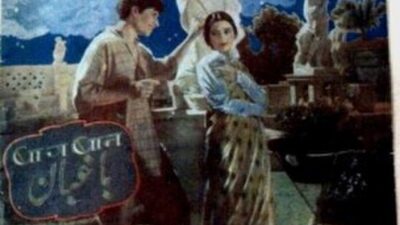
अबुल असर हफ़ीज़ जालंधरी बीसवीं सदी के सबसे प्रसिद्ध उर्दू शायरों और फ़िल्मी गीतकारों में से एक थे — एक ऐसी शख़्सियत जिन्होंने विभाजन-पूर्व बंबई सिनेमा और विभाजनोत्तर पाकिस्तानी राष्ट्रीय संस्कृति दोनों में समान प्रतिष्ठा के साथ काम किया। पाकिस्तान में वे सबसे पहले राष्ट्रगान 'क़ौमी तराना' (1948) के रचयिता के रूप में याद किए जाते हैं, और हिंदी फ़िल्मी संगीत के इतिहास में 1940 के दशक की कई मील-पत्थर बंबई फ़िल्मों — जिनमें 'ज़ीनत' (1945) शामिल है — के गीतकार के रूप में।
अंग्रेज़ी में पढ़ें · Read in English
Abul Asar Hafeez Jalandhari was one of the most celebrated Urdu poets and film lyricists of the twentieth century — a figure who spanned the worlds of pre-Partition Bombay cinema and post-Partition Pakistani national culture with equal distinction. He is remembered in Pakistan above all as the author of the national anthem 'Qaumi Tarana' (composed 1948), and in the history of Hindi film music as the lyricist of several landmark Bombay productions of the 1940s, including Zeenat (1945), for which he wrote the famous all-female qawwali 'Aahen Na Bhareen Shikwe Na Kiye'. His verse moved between the elevated classical Urdu of the ghazal tradition and the plainer registers of popular film song with unusual facility, and his collaboration with composer Ghulam Haider produced some of the most remembered film songs of the pre-Partition decade.
प्रारंभिक जीवन Early Life
1900 में जालंधर, पंजाब में जन्मे, उन्होंने शुरू से ही कविता और उर्दू साहित्य में रुचि दिखाई। 1930 के दशक में बंबई आए और फ़िल्म उद्योग के लिए लिखने लगे।
अंग्रेज़ी में पढ़ें · Read in English
Born in Jalandhar, Punjab, in 1900, he showed early aptitude for poetry and Urdu letters. He came to Bombay in the 1930s and began writing for the film industry, eventually becoming a prominent lyricist in the Lahore-Bombay cultural axis that characterised Punjabi Muslim literary life in the pre-Partition decades.
करियर Career
मुख्यतः 1940 के दशक में फ़िल्मी गीतकार के रूप में सक्रिय — संगीतकार ग़ुलाम हैदर के साथ 'ख़ज़ांची' (1941) और 'ज़ीनत' (1945) सहित कई फ़िल्मों में सहयोग। 1947 में विभाजन के बाद पाकिस्तान में बस गए और मुख्यतः साहित्यिक और राष्ट्रवादी कार्य की ओर मुड़ गए।
अंग्रेज़ी में पढ़ें · Read in English
Active as a film lyricist primarily in the 1940s, collaborating closely with composer Ghulam Haider on films including Khazanchi (1941) and Zeenat (1945). After Partition in 1947 he settled in Pakistan and turned primarily to literary and nationalist work, writing the Pakistani national anthem in 1948. He received the Pride of Performance award from the Pakistani government.
विरासत Legacy
हिंदी फ़िल्मी संगीत के इतिहास में हफ़ीज़ जालंधरी मुख्यतः 1940 के दशक की ग़ुलाम हैदर के साथ जोड़ीदारियों और ख़ासकर 'ज़ीनत' की क़व्वाली के लिए याद किए जाते हैं। पाकिस्तानी सांस्कृतिक स्मृति में वे राष्ट्रगान के जनक हैं।
अंग्रेज़ी में पढ़ें · Read in English
In the history of Hindi film music, Hafeez Jalandhari is remembered primarily for the Ghulam Haider collaborations of the 1940s and specifically for the Zeenat qawwali — one of Hindi cinema's most technically and emotionally ambitious film songs. In Pakistani cultural memory, he is the father of the national anthem, making him one of the few figures with permanent claims on both traditions.
गायन-शैली Musical Style
उनके फ़िल्मी बोलों में शास्त्रीय उर्दू काव्य की उच्च भाषा और लोकप्रिय फ़िल्मी गीत के लिए आवश्यक लयात्मक गति का संयोग था। 'आहें न भरीं' जैसी क़व्वाली रचनाओं में उन्होंने क़व्वाली परंपरा की वाग्मिता-आवृत्ति और बढ़ती तीव्रता से ऐसे भावनात्मक चरमोत्कर्ष रचे जो उस विधा ने फ़िल्म में पहले शायद ही हासिल किए थे।
अंग्रेज़ी में पढ़ें · Read in English
His film lyrics combined the elevated diction of classical Urdu poetry with the rhythmic drive required for popular film song. In qawwali settings like 'Aahen Na Bhareen', he used the rhetorical repetition and building intensity of the qawwali tradition to create emotional climaxes that the form had rarely achieved on film.
सांस्कृतिक प्रभाव Cultural Impact
हफ़ीज़ जालंधरी उन कुछ शख़्सियतों में हैं जिनके भारतीय और पाकिस्तानी दोनों संगीत-परंपराओं पर स्थायी दावे हैं: विभाजन-पूर्व बंबई की मील-पत्थर फ़िल्मों ('ज़ीनत' 1945) के गीतकार और पाकिस्तान के राष्ट्रगान के रचयिता। 'ज़ीनत' की उनकी क़व्वाली ने साबित किया कि शास्त्रीय उर्दू काव्य-वाग्मिता व्यावसायिक रूप से सफल और भावनात्मक रूप से शक्तिशाली फ़िल्मी गाने दे सकती है।
अंग्रेज़ी में पढ़ें · Read in English
Hafeez Jalandhari is one of the few figures with permanent claims on both Indian and Pakistani musical traditions: the lyricist of landmark pre-Partition Bombay films (Zeenat 1945) and the author of Pakistan's national anthem. His qawwali for Zeenat demonstrated that classical Urdu poetic rhetoric could produce commercially successful and emotionally powerful film songs.
तालीम, विधाएँ और भाषाएँ
Training · Genres · Languagesतालीम · Training
उर्दू काव्य और पंजाबी साहित्यिक परंपरा में स्व-शिक्षित; जालंधर की साहित्यिक संस्कृति उनका प्राथमिक विद्यालय थी
फ़िल्मी बोल पर लागू उर्दू ग़ज़ल परंपरा — जन-सुलभता के साथ शास्त्रीय उत्कर्ष
विधाएँ · Genres
भाषाएँ · Languages Sung
जीवन-रेखा
Career Highlights- 1941 'ख़ज़ानची' — प्रमुख लाहौर/बॉम्बे निर्माण, ग़ुलाम हैदर के संगीत के लिए बोल Khazanchi — major Lahore/Bombay production, lyrics for Ghulam Haider score
- 1945 'ज़ीनत' — 'आहें न भरीं शिकवे न किए', मील-पत्थर सर्व-महिला क़व्वाली Zeenat — 'Aahen Na Bhareen Shikwe Na Kiye', the landmark all-female qawwali
-
1948
पाकिस्तान का राष्ट्रगान 'क़ौमी तराना' लिखा — पाकिस्तानी सांस्कृतिक पहचान में निर्णायक योगदान
Wrote Pakistan's national anthem 'Qaumi Tarana' — defining contribution to Pakistani cultural identity
पुरस्कार एवं सम्मान
Awards & Recognition- सम्मान प्राइड ऑफ़ परफ़ॉर्मेंस पुरस्कार — पाकिस्तान सरकार (सर्वोच्च सांस्कृतिक पुरस्कार) Pride of Performance Award — Government of Pakistan (highest cultural award)
अन्य विवरण
More Details- Death Year
- 1982
- Active Years
- 1920s–1982
Early Life
1900 में जालंधर, पंजाब में जन्मे, उन्होंने शुरू से ही कविता और उर्दू साहित्य में रुचि दिखाई। 1930 के दशक में बंबई आए और फ़िल्म उद्योग के लिए लिखने लगे।
Born in Jalandhar, Punjab, in 1900, he showed early aptitude for poetry and Urdu letters. He came to Bombay in the 1930s and began writing for the film industry, eventually becoming a prominent lyricist in the Lahore-Bombay cultural axis that characterised Punjabi Muslim literary life in the pre-Partition decades.
Career
मुख्यतः 1940 के दशक में फ़िल्मी गीतकार के रूप में सक्रिय — संगीतकार ग़ुलाम हैदर के साथ 'ख़ज़ांची' (1941) और 'ज़ीनत' (1945) सहित कई फ़िल्मों में सहयोग। 1947 में विभाजन के बाद पाकिस्तान में बस गए और मुख्यतः साहित्यिक और राष्ट्रवादी कार्य की ओर मुड़ गए।
Active as a film lyricist primarily in the 1940s, collaborating closely with composer Ghulam Haider on films including Khazanchi (1941) and Zeenat (1945). After Partition in 1947 he settled in Pakistan and turned primarily to literary and nationalist work, writing the Pakistani national anthem in 1948. He received the Pride of Performance award from the Pakistani government.
Legacy
हिंदी फ़िल्मी संगीत के इतिहास में हफ़ीज़ जालंधरी मुख्यतः 1940 के दशक की ग़ुलाम हैदर के साथ जोड़ीदारियों और ख़ासकर 'ज़ीनत' की क़व्वाली के लिए याद किए जाते हैं। पाकिस्तानी सांस्कृतिक स्मृति में वे राष्ट्रगान के जनक हैं।
In the history of Hindi film music, Hafeez Jalandhari is remembered primarily for the Ghulam Haider collaborations of the 1940s and specifically for the Zeenat qawwali — one of Hindi cinema's most technically and emotionally ambitious film songs. In Pakistani cultural memory, he is the father of the national anthem, making him one of the few figures with permanent claims on both traditions.
Musical Style
उनके फ़िल्मी बोलों में शास्त्रीय उर्दू काव्य की उच्च भाषा और लोकप्रिय फ़िल्मी गीत के लिए आवश्यक लयात्मक गति का संयोग था। 'आहें न भरीं' जैसी क़व्वाली रचनाओं में उन्होंने क़व्वाली परंपरा की वाग्मिता-आवृत्ति और बढ़ती तीव्रता से ऐसे भावनात्मक चरमोत्कर्ष रचे जो उस विधा ने फ़िल्म में पहले शायद ही हासिल किए थे।
His film lyrics combined the elevated diction of classical Urdu poetry with the rhythmic drive required for popular film song. In qawwali settings like 'Aahen Na Bhareen', he used the rhetorical repetition and building intensity of the qawwali tradition to create emotional climaxes that the form had rarely achieved on film.
अभिलेख-सार
Discography Summary| संग्रह में गीत | 13 — नीचे जुड़े हुए पन्नों में सूचीबद्ध |
|---|---|
| रिकॉर्डिंग-काल | 1920s–1982 |
| प्रमुख भूमिका | गीतकार · कवि |
| नित्य सहयोगी | Ghulam Haider · Noor Jehan · Shamshad Begum |
| हस्ताक्षर-गीत | Aahen Na Bhareen (Zeenat 1945) · Qaumi Tarana — Pakistan national anthem (1948) |
| स्रोत | derived from available film and literary records |
जुड़े हुए पन्ने
Connected Plates · The Graph Made Visibleअटलस में कोई पन्ना अकेला नहीं — हफ़ीज़ जालंधरी से उनके गीत, फ़िल्में, घराना, समकालीन और युग, सब यहाँ से खुलते हैं।
हस्ताक्षर-गीत · Signature Songs
फ़िल्में · The Films
साझा कीजिए · Share this Plate