कहानियाँ विंग · कहानी · Music Theory
हिरण-मोहिनी: जादुई संगीत की थाट
The Deer Charmer: The Scale That Enchants Nature
कोमल रे और तीव्र मध्यम का जादुई संयोजन
प्रकाशित31 March 2026 पाठ७ मिनट का पाठ
आमुख
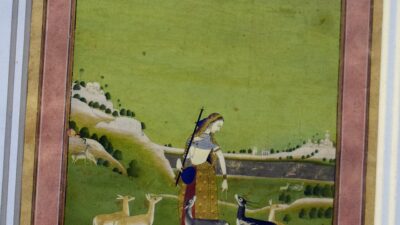
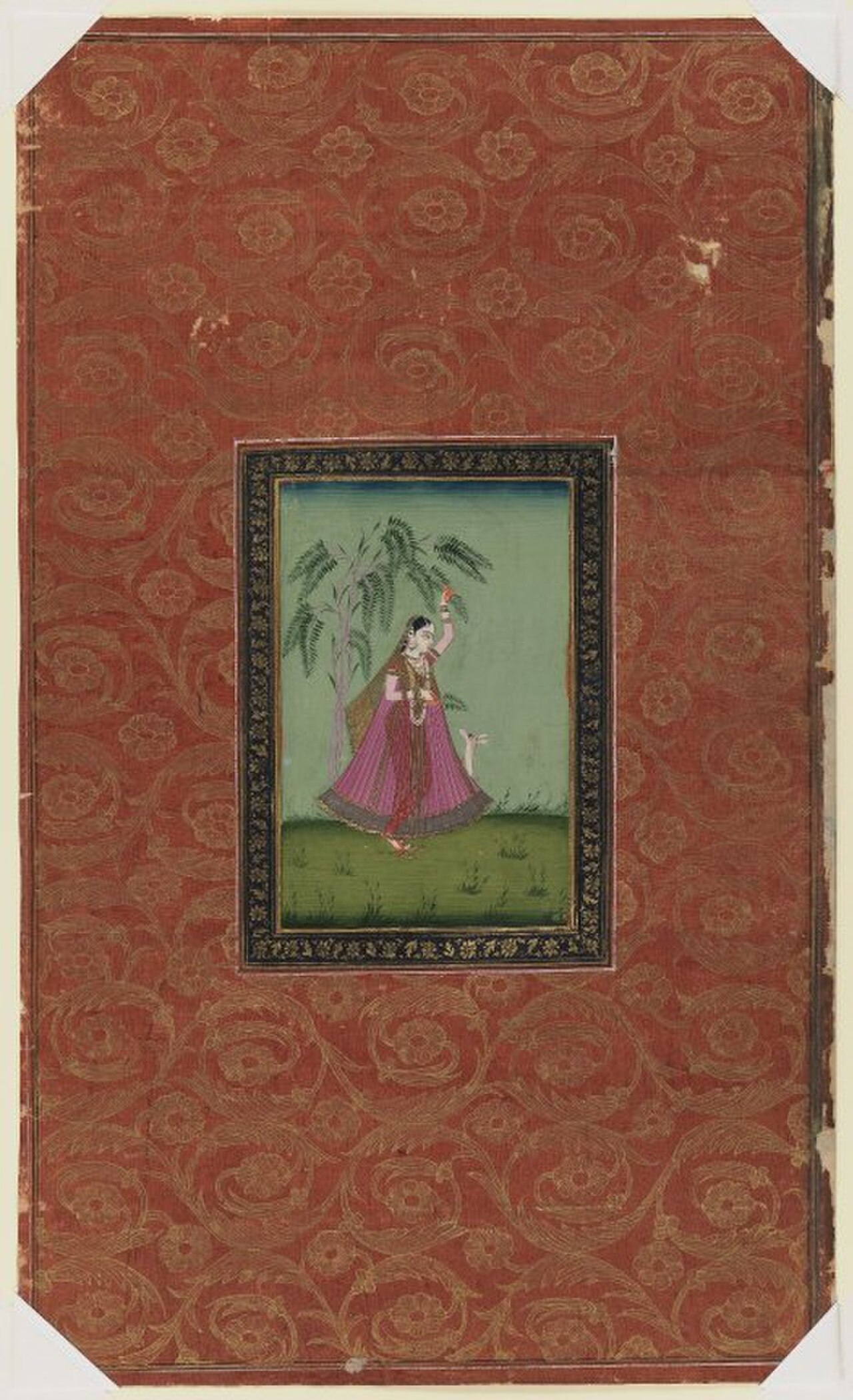
रागमाला चित्रों में—भारतीय राग का दृश्य विश्वकोश—तोड़ी को एक जादुकर के रूप में चित्रित किया जाता है, उसकी वीणा हाथ में, मुग्ध हिरण से घिरा हुआ। यह कलात्मक कल्पना नहीं है; यह तोड़ी के सार को पकड़ता है।
रागमाला कला में हिरण-मोहिनी
The Deer Charmer of Ragamala Artरागमाला चित्रों में—भारतीय राग का दृश्य विश्वकोश—तोड़ी को एक जादुकर के रूप में चित्रित किया जाता है, उसकी वीणा हाथ में, मुग्ध हिरण से घिरा हुआ। यह कलात्मक कल्पना नहीं है; यह तोड़ी के सार को पकड़ता है। पैमाने में एक हिरण-जैसी सुंदरता है—एक हिचकिचाता हुआ, प्रश्नवाचक गुण जो आकर्षक है। कोमल रे—वह निचला दूसरा नोट—तोड़ी को विशिष्ट बनाता है।
अंग्रेज़ी में पढ़ें · Read in English
In the classical Ragamala paintings—the visual encyclopedia of Indian raags—Todi Thaat is always depicted as a enchantress, her veena in hand, surrounded by captivated deer. This imagery is not mere artistic fancy; it captures the essence of what makes Todi so distinctive in Hindustani classical music. The scale carries an almost magical, deer-like grace—a certain hesitant, questioning quality that seems to enchant both listener and performer alike.
The Ragamala tradition, flourishing from the 15th century onward, assigned each raag a visual personality, a time of day, a season, and an emotional mood. Todi's depiction as the deer charmer reveals deep musical insight: the raag possesses a gentle, coaxing quality, as if beckoning something wild into a trance. The frequent use of komal (flat) re—that flatted second note—gives Todi its distinctive character, like a voice slightly questioning, slightly uncertain, yet profoundly alluring.
Todi is one of ten Hindustani thaats, the foundational frameworks that organize all raags. Yet unlike Kharaj or Bilawal, Todi stands apart as a thaat rich with emotional complexity. The combination of komal re, komal ga, tivra ma, and shuddha notes creates a microtonal landscape that feels almost like an intermediate world—neither purely major nor purely minor in Western terms, but something distinctly its own.
जादू की वास्तुकला: कोमल रे + तीव्र म
The Architecture of Enchantment: Komal Re + Tivra Maतोड़ी थाट का सोनिक डीएनए कोमल रे, कोमल ग, शुद्ध म, तीव्र म, शुद्ध प, कोमल ध, और कोमल नी द्वारा परिभाषित है। यह कोमल रे के साथ तीव्र म का संयोजन बनाता है एक सोनिक विरोधाभास—उदास फिर भी ड्राइविंग, प्रश्नवाचक फिर भी आकर्षक। यह तोड़ी राग को भक्ति और फिल्म संगीत में समान रूप से काम करता है।
अंग्रेज़ी में पढ़ें · Read in English
The sonic DNA of Todi Thaat is defined by a deceptively simple combination: komal re (flatted second), komal ga (flatted third), shuddha ma (natural fourth), tivra ma (sharp/augmented fourth), shuddha pa (natural fifth), komal dha (flatted sixth), and komal ni (flatted seventh). This creates a scale with not one but two versions of ma—a rarity that gives Todi its emotional ambiguity.
When a vocalist or instrumentalist plays komal re followed by the tivra ma (often called vivadi swar, or 'dissonant' note in Indian musical terms), the result is startling: that flatted second note creates an immediate sense of yearning, followed by the raised fourth which adds tension and restlessness. Together, they form a sonic paradox—melancholic yet driving, questioning yet compelling. This is precisely why Todi raags work so well for devotional contexts (morning riyaaz or worship) and also for emotional narratives in film music.
The thaat's flexibility comes from which ma you emphasize: choose shuddha ma, and you approach the gentler, more meditative raags like Madhuwanti; choose tivra ma, and you enter the darker, more introspective territories of Todi raga proper or Multani. This single architectural choice transforms the emotional landscape entirely, which is why teaching Todi to a new student requires immense care and sensitivity.
तोड़ी के प्रसिद्ध राग: मुल्तानी, बिलासखनी
Famous Raags of Todi: Multani's Restlessness, Bilaskhani Todi's Sweetnessतोड़ी परिवार में, राग तोड़ी स्वयं एक गहरा आंतरिक राग है। राग मुल्तानी मॉनसून और अलगाववादी भावना के साथ जुड़ा हुआ है। राग माधुवती एक भक्ति संदर्भ में तोड़ी को नरम करता है। बिलासखानी तोड़ी रोमांटिक नर्मता के साथ तोड़ी के कठोर किनारों को जोड़ता है।
अंग्रेज़ी में पढ़ें · Read in English
Within the Todi Thaat family, several raags have achieved legendary status in both classical performance and film music. Raag Todi itself—the thaat's namesake—is a deeply introspective raga, typically performed in slow alaap and khayal. It demands a performer who understands pathos; singers like Bhimsen Joshi and Prabha Atre elevated it to profound emotional depths. Raag Todi's journey typically moves from a questioning komal re through the middle register, gathering emotional weight until the climax on the tonic, where all the ambiguity resolves.
Raag Multani, by contrast, is restless and searching. Associated with monsoon rains and separation (viraha bhav), Multani uses komal re and tivra ma to create an almost agitated quality. In Hindustani classical concerts, Multani is often performed in vilambit khayal (slow tempo), allowing the performer to luxuriate in the raga's emotional landscape. Bilaskhani Todi, on the other hand, softens the thaat's harsher edges, prioritizing shuddha ma over tivra ma, creating a more romantic, lyrical feel. This is the Todi raag most suited to romantic narratives.
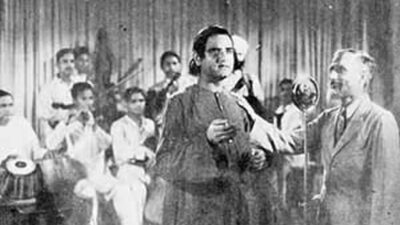
In Hindi film music, the Todi thaat's raags appear frequently, though often not labeled explicitly. The 1980 film song 'Haan Kah Do' from a lesser-known film uses Multani's characteristic komal re and tivra ma structure. Raag Madhuwanti appears in several devotional contexts, while Bilaskhani Todi's gentler cousin shows up in romantic film compositions where a director wants gravitas without heaviness.
तोड़ी शाश्वत रहता है: मंदिर से हॉल तक
Why Todi Remains Timeless: From Temple Bells to Cinema Hallsतोड़ी की स्थायी अपील इसकी भावनात्मक बहुमुखিता में निहित है। यह न तो आशावादी है न ही निराशावादी, बल्कि आत्मविश्लेषी—प्रश्नों का पैमाना, लालसा का, सत्य की खोज का। मंदिर में प्रातःकाल एक संगीतकार और रात में एक फिल्म गीत में एक अभिनेता एक ही भावनात्मक नींव का कार्य करता है।
अंग्रेज़ी में पढ़ें · Read in English
Todi's enduring appeal lies in its emotional versatility. It is neither optimistic nor pessimistic, but rather introspective—the scale of questioning, of longing, of seeking truth. This is why it works equally well for morning devotional recitations and for tragic, romantic film narratives. A musician performing Todi in a temple at dawn is engaging with the same emotional architecture as a playback singer recording a film song about loss and separation at night.
The Ragamala tradition recognized this transcendence, placing Todi in its own category—not purely devotional like Bhairav, not purely romantic like Bhairavi, but a scale that bridges multiple emotional territories. In contemporary times, as Hindustani classical music adapts to new contexts—concert halls, streaming platforms, fusion experiments—Todi remains a favorite precisely because it speaks to our modern condition: uncertainty, searching, the tension between what we hope for and what we fear.
For students of Hindustani classical music, learning Todi is a rite of passage. Its komal re teaches patience; its tivra ma teaches boldness; its dual ma teaches the wisdom of duality. In the hands of a skilled performer, Todi becomes a conversation between deer and charmer, between listener and raga, between the material world and something transcendent beyond.
परिचय
Identity- Epithet
- कोमल रे और तीव्र मध्यम का जादुई संयोजन · Komal Re and Tivra Ma create haunting beauty in Todi
कहानी-नमूना
The Story Specimen| शीर्षक | हिरण-मोहिनी: जादुई संगीत की थाट · The Deer Charmer: The Scale That Enchants Nature |
|---|---|
| श्रेणी | Music Theory |
| प्रकार | विशेष लेख |
| पाठ-समय | ७ मिनट का पाठ |
| प्रकाशित | 31 March 2026 — admin |
| टैग | thaat · raag · hindustani-classical · music-theory · raga-classification |
इस कहानी में
In This Story · The Cast & Its Platesकहानी में आए नामों के अटलस में अपने पन्ने हैं — यहीं से यात्रा जारी रखिए।
शब्दकोश-सूत्र · Glossary
और कहानियाँ
More Stories from the Atlas
साझा कीजिए · Share this Plate
यह पन्ना आगे बढ़ाइए
सवाल-जवाब
Questions & Answerstodi-thaat-the-deer-charmer — यह कथा किस बारे में है? · What is this story about?
रागमाला चित्रों में—भारतीय राग का दृश्य विश्वकोश—तोड़ी को एक जादुकर के रूप में चित्रित किया जाता है, उसकी वीणा हाथ में, मुग्ध हिरण से घिरा हुआ। यह कलात्मक कल्पना नहीं है; यह तोड़ी के सार को पकड़ता है।