कहानियाँ विंग · कहानी
जुगलबंदी: दो उस्तादों का संगीतीय संवाद
The Art of Jugalbandi: A Musical Dialogue Between Two Masters
दो महान संगीतकारों के बीच संगीत का अद्भुत संवाद
प्रकाशित31 March 2026
आमुख
जुगलबंदी भारतीय शास्त्रीय संगीत की सबसे रोचक परंपराओं में से एक है, जहाँ दो संगीतकार एक-दूसरे के साथ संगीतीय संवाद करते हैं। यह न केवल तकनीकी कौशल का प्रदर्शन है, बल्कि दो आत्माओं के बीच संगीतीय मिलन की अद्भुत कला है। पंडित रवि शंकर और अली अक्बर खान की किंवदंती जुगलबंदी आज भी संगीत प्रेमियों के दिलों में जीवंत है।
अंग्रेज़ी में पढ़ें · Read in English
Jugalbandi is one of the most fascinating traditions of Indian classical music, where two musicians engage in a musical dialogue with each other. It is not just a display of technical skill, but an extraordinary art of musical union between two souls. The legendary jugalbandi of Pandit Ravi Shankar and Ali Akbar Khan remains alive in the hearts of music lovers today.
जुगलबंदी की उत्पत्ति और दर्शन
The Origins and Philosophy of Jugalbandiजुगलबंदी, जिसका अर्थ है 'एक साथ बजाने वाली जोड़ी', भारतीय शास्त्रीय संगीत में सदियों पहले से एक औपचारिक परंपरा के रूप में उभरी है। पश्चिमी शास्त्रीय संगीत के विपरीत जहाँ संगीतकार एक लिखे हुए स्कोर से बजाते हैं, जुगलबंदी पूर्णतः तात्कालिक है। दो संगीतकार बिना किसी पूर्व निर्धारित पैटर्न के एक संगीतीय संवाद स्थापित करते हैं, वास्तविक समय में एक-दूसरे की प्रतिक्रिया देते हैं। यह रूप न केवल अपने वाद्य यंत्र या कंठ में महारत की माँग करता है, बल्कि दूसरे कलाकार के कलात्मक इरादे की सहज समझ भी चाहता है। जुगलबंदी की सुंदरता उसकी अप्रत्याशितता में है—कोई भी दो प्रदर्शन कभी समान नहीं होते। प्रत्येक जुगलबंदी एक राग की एक अद्वितीय खोज बन जाती है, जहाँ दोनों संगीतकार रचनात्मक प्रक्रिया में समान रूप से योगदान देते हैं।
अंग्रेज़ी में पढ़ें · Read in English
Jugalbandi, literally meaning 'a pair playing together,' emerged as a formal practice in Indian classical music centuries ago. Unlike Western classical music where musicians perform from a score, jugalbandi is entirely improvisational. Two musicians establish a musical conversation without predetermined patterns, responding to each other in real-time. The form requires not just mastery of one's instrument or voice, but also an intuitive understanding of the other performer's artistic intent. The beauty of jugalbandi lies in its unpredictability—no two performances are ever identical. Each jugalbandi becomes a unique exploration of a raag, with both musicians contributing equally to the creative process. The practice reflects the deeper philosophy of Indian aesthetics where 'samvad' (dialogue) is considered a fundamental principle of artistic expression.
किंवदंती जोड़ियाँ: रवि शंकर और अली अक्बर खान
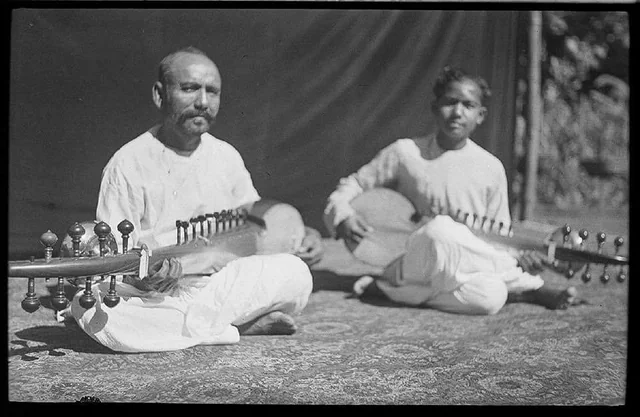
The Legendary Pairs: Ravi Shankar and Ali Akbar Khanआधुनिक भारतीय शास्त्रीय संगीत में सबसे प्रतिष्ठित जुगलबंदी निश्चित रूप से पंडित रवि शंकर (सितार) और अली अक्बर खान (सारोद) की है। हालाँकि वे अलग-अलग घरानों का प्रतिनिधित्व करते थे—रवि शंकर बनारस परंपरा से और अली अक्बर मैहर घराने से—उनका संगीतीय तालमेल असाधारण था। 1967 में मॉन्टेरी पॉप फेस्टिवल में उनका किंवदंती प्रदर्शन, हालाँकि एक पारंपरिक जुगलबंदी नहीं था, लेकिन संगीतात्मक रूप से एक-दूसरे को पढ़ने और प्रतिक्रिया देने की उनकी क्षमता को प्रदर्शित करता है। उनकी स्टूडियो रिकॉर्डिंग जैसे 'राग मांझ खमाज' उनके बीच गहरी समझदारी को दर्शाती है। उनके सहयोग को विशेष बनाने वाली बात केवल उनकी तकनीकी कुशलता नहीं थी, बल्कि एक-दूसरे की संगीतीय खोज को समर्थन देने की उनकी इच्छा थी। रवि शंकर अक्सर अली अक्बर खान को आख्यान का नेतृत्व करने देते थे, और इसके विपरीत भी, जिससे संगीतीय देन-देन का एक परिपूर्ण संतुलन बनता था।
अंग्रेज़ी में पढ़ें · Read in English
The most iconic jugalbandi in modern Indian classical music is undoubtedly that of Pandit Ravi Shankar (sitar) and Ali Akbar Khan (sarod). Though they represented different gharanas—Ravi Shankar from the Benares tradition and Ali Akbar from the Maihar gharana—their musical synergy was remarkable. Their legendary performance at the Monterey Pop Festival in 1967, though not a traditional jugalbandi, demonstrated their ability to read and respond to each other musically. Their studio recordings like 'Raga Manjh Khamaj' showcase the deep understanding between them. What made their collaboration special was not just their technical prowess but their willingness to support each other's musical exploration. Ravi Shankar would often let Ali Akbar Khan lead the narrative, and vice versa, creating a perfect balance of musical give-and-take. Their jugalbandis influenced generations of musicians and set the standard for how two masters should interact on stage.
जुगलबंदी के प्रकार: वाद्य और कंठ संगीत
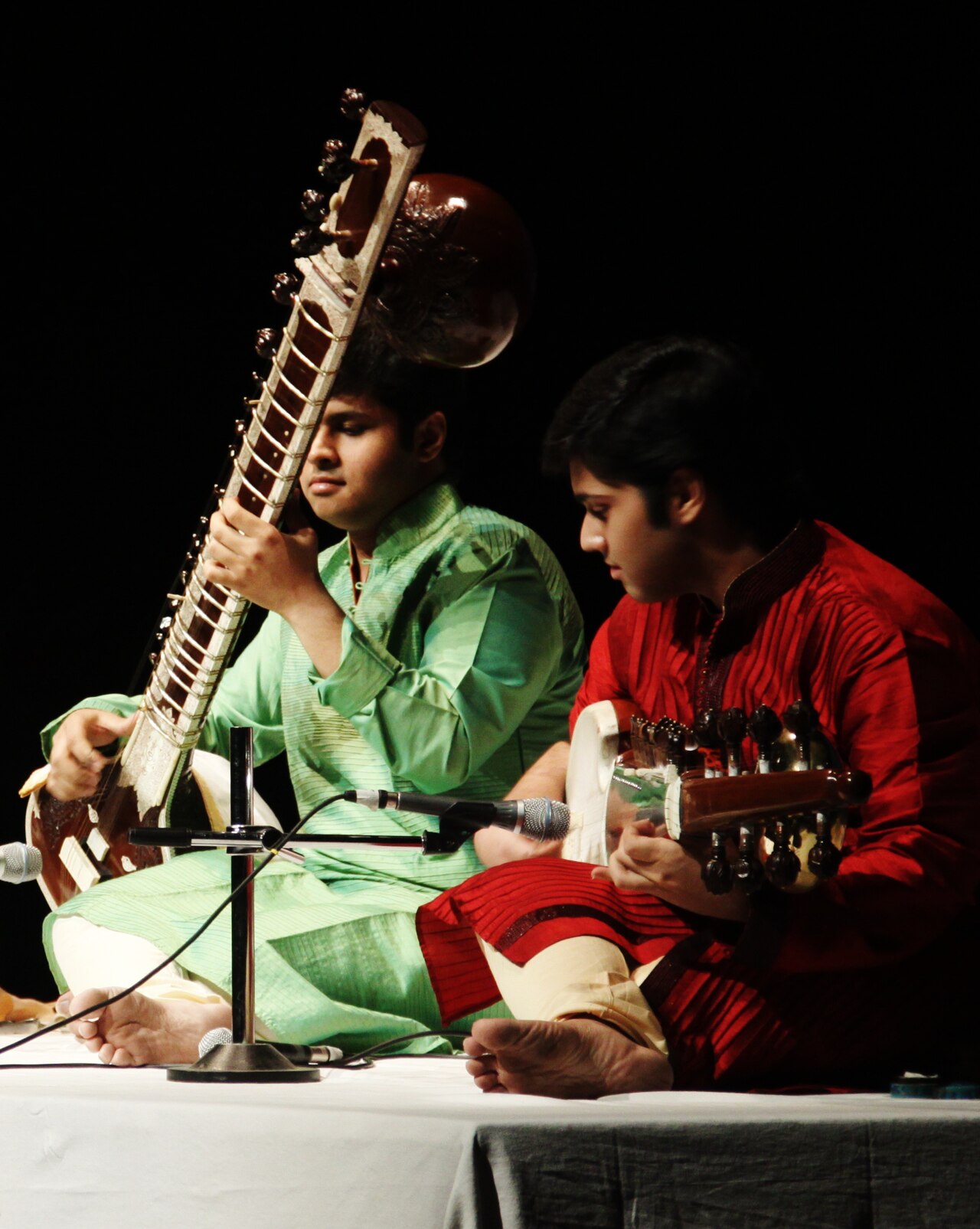
Types of Jugalbandi: Instrumental and Vocalजुगलबंदी को व्यापक रूप से वाद्य और कंठ संगीत के रूपों में वर्गीकृत किया जा सकता है, प्रत्येक के अपने विशेषताएँ और चुनौतियाँ हैं। दो सितारों, दो सारोदों, या मिश्रित वाद्य यंत्रों जैसे सितार-सारोद, सितार-बाँसुरी के बीच वाद्य जुगलबंदी अनन्य ध्वनि परिदृश्य बनाती है। हरिप्रसाद चौरसिया और शिवकुमार शर्मा की जुगलबंदी बाँसुरी और संतूर के बीच एक उत्तम उदाहरण है कि कैसे विभिन्न सुरों का एक समृद्ध संवाद बन सकता है। दूसरी ओर, कंठ जुगलबंदी को दोनों गायकों को एक ही राग की जटिलताओं को नेविगेट करते हुए अपनी व्यक्तिगत पहचान बनाए रखनी चाहिए। खयाल रूप आमतौर पर कंठ जुगलबंदी के लिए सबसे अधिक उपयोग किया जाता है, जहाँ दो गायक रचना के विभिन्न पहलुओं की खोज में बारी-बारी से भाग लेते हैं। कुछ जुगलबंदियों में मिश्रित समूह भी होते हैं जहाँ एक गायक सितारी या सारोदी के साथ प्रदर्शन करता है, कंठ और वाद्य यंत्र के बीच एक दिलचस्प खेल बनाता है।
अंग्रेज़ी में पढ़ें · Read in English
Jugalbandi can be broadly categorized into instrumental and vocal forms, each with its own characteristics and challenges. Instrumental jugalbandi between two sitarists, two sarodists, or mixed instruments like sitar-sarod, sitar-flute creates unique sonic landscapes. The Hariprasad Chaurasia and Shivkumar Sharma jugalbandi between flute and santoor is a perfect example of how different timbres can create a harmonious dialogue. Vocal jugalbandi, on the other hand, requires both singers to navigate the complexities of the same raag while maintaining their individual identity. The khyal form is most commonly used for vocal jugalbandi, where two singers take turns exploring different aspects of the composition. Some jugalbandis also feature mixed ensembles where a vocalist might perform with a sitarist or sarodist, creating an interesting interplay between voice and instrument. The key to a successful jugalbandi, regardless of type, is the willingness of performers to listen, adapt, and build upon each other's musical ideas.
जुगलबंदी के लिए आवश्यक तकनीकी कौशल
The Technical Mastery Required for Jugalbandiएक जुगलबंदी का प्रदर्शन दोनों संगीतकारों से असाधारण तकनीकी कौशल की माँग करता है। पहले, प्रत्येक कलाकार के पास अपने वाद्य यंत्र या कंठ पर पूर्ण महारत होनी चाहिए, जिसमें जटिल राग ज्ञान, उच्च गति पर जटिल पैटर्न की तुरंत रचना करने की क्षमता, और सटीक स्वर सही होना शामिल है। दूसरा, उन्हें अपने साथी के साथ लगभग दूरदर्शी संबंध विकसित करना चाहिए, संगीतीय संकेतों को समझना जो स्पष्ट के बजाय निहित हो सकते हैं। यह वर्षों के अभ्यास की माँग करता है और अक्सर, एक साथ प्रदर्शन करने के वर्षों की माँग करता है। संगीतकारों को सामंजस्यपूर्ण जटिलताओं को नेविगेट करने, लयात्मक सटीकता को बनाए रखने के दौरान तुरंत रचना करने, और अपनी मात्रा और तीव्रता को संतुलित करने में सक्षम होना चाहिए ताकि कोई भी दूसरे को प्रभावशाली न करे। ताल रखने वाला (तबला वादक) महत्वपूर्ण भूमिका निभाता है, एक स्थिर आधार प्रदान करते हुए दोनों एकल कलाकारों को उनकी संगीतीय खोज की स्वतंत्रता देता है।
अंग्रेज़ी में पढ़ें · Read in English
Performing a jugalbandi demands extraordinary technical prowess from both musicians. First, each performer must have complete mastery over their instrument or voice, including intricate raag knowledge, the ability to improvise complex patterns at high speeds, and precise intonation. Second, they must develop an almost telepathic connection with their partner, understanding musical cues that may be implicit rather than explicit. This requires years of practice and often, years of performing together. Musicians must be able to navigate harmonic complexities, maintain rhythmic precision while improvising, and balance their volume and intensity so neither overwhelms the other. The rhythm keeper (tabla player) plays a crucial role, providing a steady foundation while allowing both soloists freedom for their musical exploration. Advanced jugalbandi performers can switch between leading and supporting roles seamlessly, often doing so multiple times within a single performance. The coordination required is similar to a perfectly choreographed dance, but entirely improvised.
संगीत इतिहास में प्रसिद्ध जुगलबंदियाँ
Famous Jugalbandis in Concert Historyभारतीय शास्त्रीय संगीत का इतिहास किंवदंती जुगलबंदी प्रदर्शनों से भरा है जिन्होंने दर्शकों पर अमिट प्रभाव डाला है। रवि शंकर और अली अक्बर खान के अलावा, भीमसेन जोशी और शिवकुमार शर्मा जैसे उल्लेखनीय सहयोग हुए हैं, दो अलग-अलग परंपराओं के मास्टर एक साथ जादू बनाने के लिए। हरिप्रसाद चौरसिया और शिवकुमार शर्मा की बाँसुरी-संतूर जुगलबंदी ने लोगों की इन दोनों वाद्य यंत्रों के संयोजन के बारे में धारणा को क्रांतिकारी बदल दिया। हाल ही में, अनुष्का शंकर और हरि प्रसाद चौरसिया जैसे समकालीन संगीतकारों ने इस परंपरा को आधुनिक संवेदनशीलता के साथ आगे बढ़ाया है। इंडिया टुडे कॉनक्लेव में दो किंवदंती हिंदुस्तानी गायकों के बीच 2013 की जुगलबंदी ने दिखाया कि परंपरा कैसे विकसित होती रहती है। ये जुगलबंदियाँ केवल संगीत प्रदर्शन नहीं हैं; वे भारतीय शास्त्रीय संगीत की गहराई और लचीलेपन का उत्सव हैं।
अंग्रेज़ी में पढ़ें · Read in English
Indian classical music history is replete with legendary jugalbandi performances that have left indelible marks on audiences. Beyond Ravi Shankar and Ali Akbar Khan, there have been remarkable collaborations like Bhimsen Joshi and Shivkumar Sharma, two masters of different traditions coming together to create magic. The flute-santoor jugalbandi of Hariprasad Chaurasia and Shivkumar Sharma revolutionized how people perceived the combination of these two instruments. More recently, contemporary musicians like Anoushka Shankar and Hari Prasad Chaurasia have carried forward this tradition with modern sensibilities. The 2013 jugalbandi between two legendary Hindustani vocalists at the India Today Conclave showcased how the tradition continues to evolve. Each of these performances tells a story of mutual respect, shared artistic vision, and the willingness to push boundaries while honoring classical traditions. These jugalbandis are not merely musical performances; they are celebrations of the depth and flexibility of Indian classical music.
आधुनिक जुगलबंदी और समकालीन विकास
Modern Jugalbandi and Contemporary Evolutionजुगलबंदी की परंपरा 21वीं सदी में विकसित होती रह रही है, युवा संगीतकार शास्त्रीय कठोरता को बनाए रखते हुए नई दृष्टिकोण ला रहे हैं। समकालीन जुगलबंदियाँ अक्सर शास्त्रीय को अर्ध-शास्त्रीय रूपों के साथ मिलाती हैं, संलयन संभावनाओं की खोज करती हैं, और डिजिटल प्लेटफॉर्म के माध्यम से नए दर्शकों तक पहुँचती हैं। कुछ आधुनिक कलाकारों ने यहाँ तक कि भौगोलिक सीमाओं के पार जुगलबंदी के साथ प्रयोग किया है, विभिन्न देशों में संगीतकारों के बीच वास्तविक समय में संगीतीय विनिमय बनाने के लिए प्रौद्योगिकी का उपयोग करते हुए। COVID-19 महामारी ने ऑनलाइन जुगलबंदी प्रदर्शनों में वृद्धि देखी, जिससे साबित होता है कि परंपरा आधुनिक वितरण विधियों के अनुकूल हो सकती है। हालाँकि, शास्त्रीय कठोरवादी तर्क देते हैं कि सच्ची जुगलबंदी को संगीतकारों की भौतिक उपस्थिति, साझा ध्वनिक स्थान, और लाइव प्रदर्शन ऊर्जा की तत्काल प्रतिक्रिया की आवश्यकता होती है।
अंग्रेज़ी में पढ़ें · Read in English
The tradition of jugalbandi continues to evolve in the 21st century, with younger musicians bringing fresh perspectives while maintaining classical rigor. Contemporary jugalbandis often blend classical with semi-classical forms, explore fusion possibilities, and reach new audiences through digital platforms. Some modern performers have even experimented with jugalbandi across geographical boundaries, using technology to create real-time musical exchanges between musicians in different countries. The COVID-19 pandemic saw a surge in online jugalbandi performances, proving that the tradition could adapt to modern delivery methods without losing its essence. However, classical purists argue that true jugalbandi requires the physical presence of musicians, the shared acoustic space, and the spontaneous response to live performance energy. Regardless of the format, what remains constant is the fundamental principle: two musicians engaged in a mutual artistic dialogue, respecting each other's artistry while pushing the boundaries of their tradition.
जुगलबंदी सीखना: एक आजीवन यात्रा
Learning Jugalbandi: A Lifelong Journeyजुगलबंदी का प्रदर्शन करने की आकांक्षा रखने वाले संगीतकारों के लिए, यह यात्रा दशकों के समर्पित अभ्यास और सलाह-मशविरे की माँग करती है। पहले अपने स्वयं के वाद्य यंत्र या कंठ में महारत आती है—उँगलियों का कौशल, स्वरगत शुद्धता, और गहरा राग ज्ञान विकसित करना। फिर सहयोगी प्रशिक्षण आता है, अक्सर ऐसे गुरु के साथ जिनके पास जुगलबंदी प्रदर्शन का अनुभव है। युवा संगीतकार आमतौर पर सरल दोहरों का प्रदर्शन करके शुरू करते हैं इससे पहले कि वे पूर्ण जुगलबंदी में स्नातक हों। सही जुगलबंदी साथी खोजना महत्वपूर्ण है; कलाकारों के बीच रसायन विज्ञान अक्सर उनके सहयोग की सफलता निर्धारित करता है। कई जुगलबंदी जोड़ियाँ अनौपचारिक सेटिंग्स में एक-दूसरे के साथ प्रयोग करके शुरू करती हैं, धीरे-धीरे अपनी संगीतीय समझ बनाती हैं।
अंग्रेज़ी में पढ़ें · Read in English
For musicians aspiring to perform jugalbandi, the journey requires decades of dedicated practice and mentorship. First comes the mastery of one's own instrument or voice—developing finger dexterity, tonal purity, and deep raag knowledge. Then comes collaborative training, often with a guru who has experience in jugalbandi performance. Young musicians typically start by performing simpler duets before graduating to full jugalbandi. Finding the right jugalbandi partner is crucial; the chemistry between performers often determines the success of their collaboration. Many jugalbandi pairs begin by experimenting with each other in informal settings, gradually building their musical understanding. Recording sessions become laboratories for experimentation, where musicians can listen to playback and refine their interaction. The best jugalbandi partners often spend years together, performing regularly at festivals and concert halls, constantly evolving their musical dialogue. This gradual, organic development ensures that the jugalbandi has depth, spontaneity, and the refinement that audiences find captivating.
परिचय
IdentityEpithet
दो महान संगीतकारों के बीच संगीत का अद्भुत संवाद
When two great musicians engage in an extraordinary musical conversation
श्रवण-कक्ष · The Listening Room
इस कहानी के वीडियो
राग मांझ खमाज: रवि शंकर और अली अक्बर खान
महेश काले की जुगलबंदी प्रस्तुति
कहानी-नमूना
The Story Specimen| शीर्षक | जुगलबंदी: दो उस्तादों का संगीतीय संवाद · The Art of Jugalbandi: A Musical Dialogue Between Two Masters |
|---|---|
| प्रकाशित | 31 March 2026 — admin |
और कहानियाँ
More Stories from the Atlas

साझा कीजिए · Share this Plate