कहानियाँ विंग · कहानी
गुरु-शिष्य परंपरा: संगीत सीखने की शाश्वत विधि
The Eternal Way of Learning Music: Guru-Shishya Parampara
परंपरा का हृदय जहाँ ज्ञान आत्मा से आत्मा तक पहुँचता है
प्रकाशित31 March 2026
आमुख
गुरु-शिष्य परंपरा भारतीय शास्त्रीय संगीत की रीढ़ है। यह केवल तकनीक सिखाना नहीं है, बल्कि एक संपूर्ण जीवन दर्शन, मूल्य प्रणाली, और कलात्मक दृष्टिकोण का हस्तांतरण है। किताबों से नहीं, जीवन से सीखना—यह भारतीय संगीत शिक्षा का मूल सिद्धांत है।
अंग्रेज़ी में पढ़ें · Read in English
Guru-shishya parampara is the backbone of Indian classical music. It is not merely teaching technique, but the transmission of a complete philosophy of life, value system, and artistic approach. Learning from life, not from books—this is the fundamental principle of Indian music education.
नींव: गुरु-शिष्य परंपरा क्या है
The Foundation: What is Guru-Shishya Paramparaगुरु-शिष्य परंपरा (शाब्दिक रूप से 'शिक्षक और शिष्य की परंपरा') ज्ञान हस्तांतरण की एक प्राचीन प्रणाली है जो वैदिक काल में उत्पन्न हुई है और सहस्राब्दियों तक परिष्कृत हुई है। औपचारिक शैक्षणिक प्रणालियों के विपरीत जहाँ ज्ञान मानकीकृत और प्रलेखित है, गुरु-शिष्य प्रणाली गहराई से व्यक्तिगत, संदर्भगत है, और केवल जानकारी नहीं बल्कि बुद्धिमत्ता, मूल्य, और कलात्मक संवेदनशीलता का संचरण करता है।
अंग्रेज़ी में पढ़ें · Read in English
Guru-shishya parampara (literally 'tradition of teacher and disciple') is an ancient system of knowledge transmission that originated in the Vedic period and has been refined over millennia. Unlike formal educational systems where knowledge is standardized and documented, the guru-shishya system is deeply personal, contextual, and transmits not just information but wisdom, values, and artistic sensibility. The relationship begins with a student seeking out a guru—typically someone recognized as a master of their craft. The student doesn't simply enroll in classes; there is often a period of observation and evaluation, with the guru assessing whether the student has the aptitude, dedication, and right temperament for serious study. Once accepted, the student becomes part of the guru's household or close circle, sometimes living with the guru for years. This extended proximity allows for learning that transcends formal instruction. A student learns by observation—watching the guru practice, watching the guru teach others, witnessing the guru's artistic choices and personal disciplined. The guru imparts not just 'how to do' but 'why to do' and 'when to do.' This holistic transmission is what distinguishes guru-shishya learning from other educational models. The relationship carries profound spiritual significance; it is considered a sacred bond with mutual obligations. The guru is responsible not just for teaching musical technique but for developing the student as a complete human being.
दायित्व: गुरु और शिष्य दोनों
The Responsibilities: Guru and Shishya Bothगुरु-शिष्य संबंध मौलिक रूप से पारस्परिक है, दोनों दिशाओं में दायित्व बहते हैं। गुरु की प्राथमिक जिम्मेदारी 'तालीम' है—व्यापक शिक्षण जिसमें तकनीकी कौशल, कलात्मक व्याख्या, राग दर्शन, और व्यक्तिगत चरित्र विकास शामिल है। गुरु को केवल जानकारीपूर्ण नहीं बल्कि उन मूल्यों का जीवंत उदाहरण भी होना चाहिए जो वे सिखाते हैं।
अंग्रेज़ी में पढ़ें · Read in English
The guru-shishya relationship is fundamentally reciprocal, with obligations flowing both directions. The guru's primary responsibility is 'taleem'—comprehensive teaching that includes technical skill, artistic interpretation, raag philosophy, and personal character development. The guru must be not just knowledgeable but also a living example of the values they teach. Many gurus forbid their students from learning from other teachers during the primary training period, believing that each teacher's approach should be absorbed completely before encountering other influences. This exclusivity is a form of respect for the teaching method and ensures coherence in the student's development. The guru also bears responsibility for timing the introduction of advanced concepts. A premature introduction to complex techniques can create confusion, while delayed introduction can limit a student's potential. Great gurus develop the intuitive sense to know exactly when a student is ready for the next level. The shishya's responsibilities are equally demanding. The student must demonstrate absolute dedication, practicing for hours daily regardless of progress or setback. The student must be humble and receptive, willing to accept criticism without defensiveness. In traditional systems, the student would also perform service (seva) for the guru—handling household duties, assisting in performances, doing whatever helps the guru. This was not mere labor but part of the learning process, as it developed character qualities necessary for musical mastery. In return, the guru expects loyalty; the shishya should not seek other gurus unless explicitly permitted. This creates an exclusive channel for learning and prevents the fragmentation of knowledge.
तालीम प्रक्रिया: ज्ञान कैसे खुलता है
The Taleem Process: How Knowledge Unfoldsगुरु-शिष्य प्रणाली में तालीम (शिक्षण) प्रक्रिया आमतौर पर चरणों में खुलती है, हालाँकि कोई निश्चित समय सीमा नहीं हैं। प्रारंभिक चरण मौलिक आधार पर केंद्रित है—मूल ताल (लयात्मक चक्र) सीखना, प्रणाली के दार्शनिक आधारों को समझना, और छात्र की सुनने की क्षमता को विकसित करना।
अंग्रेज़ी में पढ़ें · Read in English
The taleem (teaching) process in the guru-shishya system typically unfolds in stages, though there are no fixed timelines. The initial phase focuses on fundamental grounding—learning the basic tala (rhythmic cycle), understanding the system's philosophical foundations, and developing the student's listening capacity. The student might spend months or even years on this foundation before attempting to produce sound on the instrument or attempting any raag. This patience distinguishes traditional learning from modern approaches. As the student progresses, simple raags are introduced—often raags with fewer notes and simpler structures. The student learns to understand the raag from the inside, through oral transmission from the guru, rather than from written descriptions. The guru sings or plays the raag, the student listens intently, and gradually through repetition and minute adjustments, the student begins to grasp the raag's essence. The guru might say very little—perhaps just 'higher' or 'lower' or 'more feeling here'—but through this sparse direction, the student learns to develop sensitivity to nuance. Intermediate students are introduced to compositions (bandish) and learn how compositions embody and express raag principles. Advanced students receive instruction in alaap—the free, unmetered exploration of raag—which requires such deep understanding that it can only be taught to those with sufficient foundation. Throughout this progression, the guru remains attentive to the student's individual characteristics, adapting teaching methods to suit different learning styles and personality types. Some students learn best through demonstration, others through detailed explanation, still others through challenge and problem-solving.
प्रसिद्ध गुरु-शिष्य परंपराएँ
Famous Guru-Shishya Lineagesभारतीय संगीत इतिहास किंवदंती गुरु-शिष्य संबंधों से भरा है जिन्होंने कला रूप के विकास को आकार दिया। किराना घराना (कंठ परंपरा) अब्दुलकरीम खान द्वारा स्थापित किया गया था, जिनके छात्रों में किंवदंती उस्ताद फैयाज़ खान शामिल थे। मैहर घराना एक अन्य शक्तिशाली परंपरा का प्रतिनिधित्व करता है, जहाँ उस्ताद अलाउद्दीन खान ने अली अक्बर खान और अन्नपूर्णा देवी को सिखाया, दोनों भारतीय संगीत में विशाल आकार बन गए।
अंग्रेज़ी में पढ़ें · Read in English
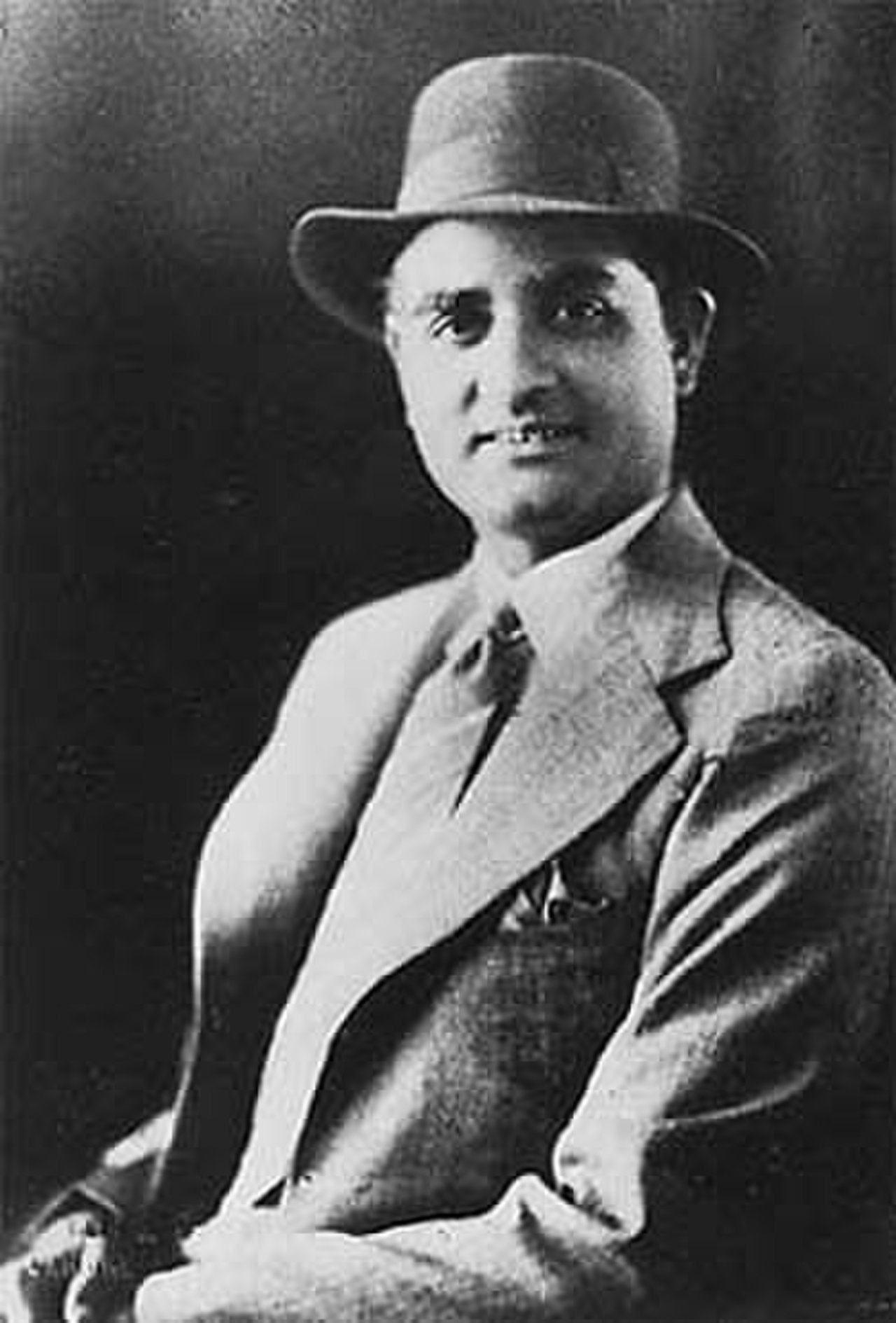
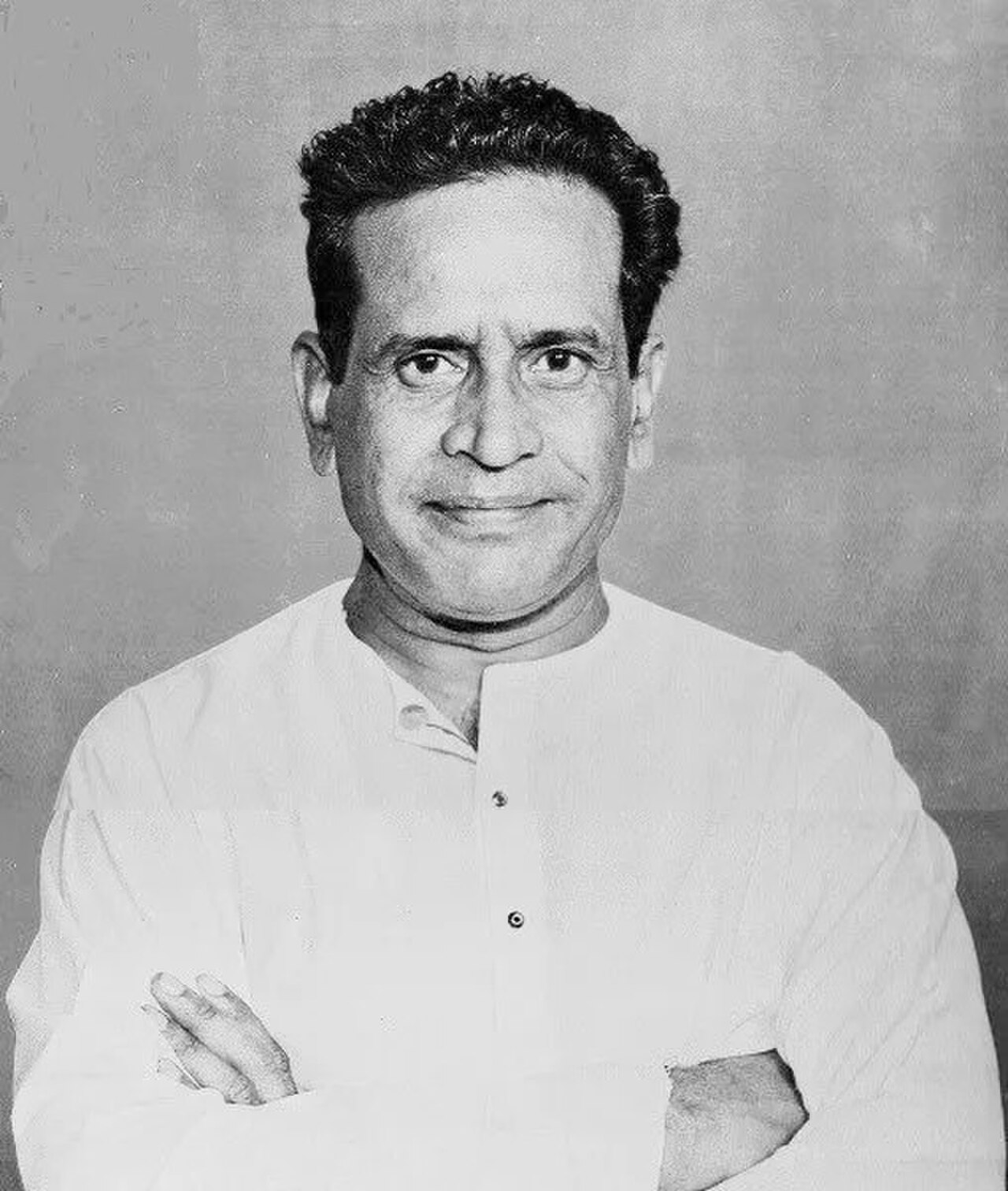
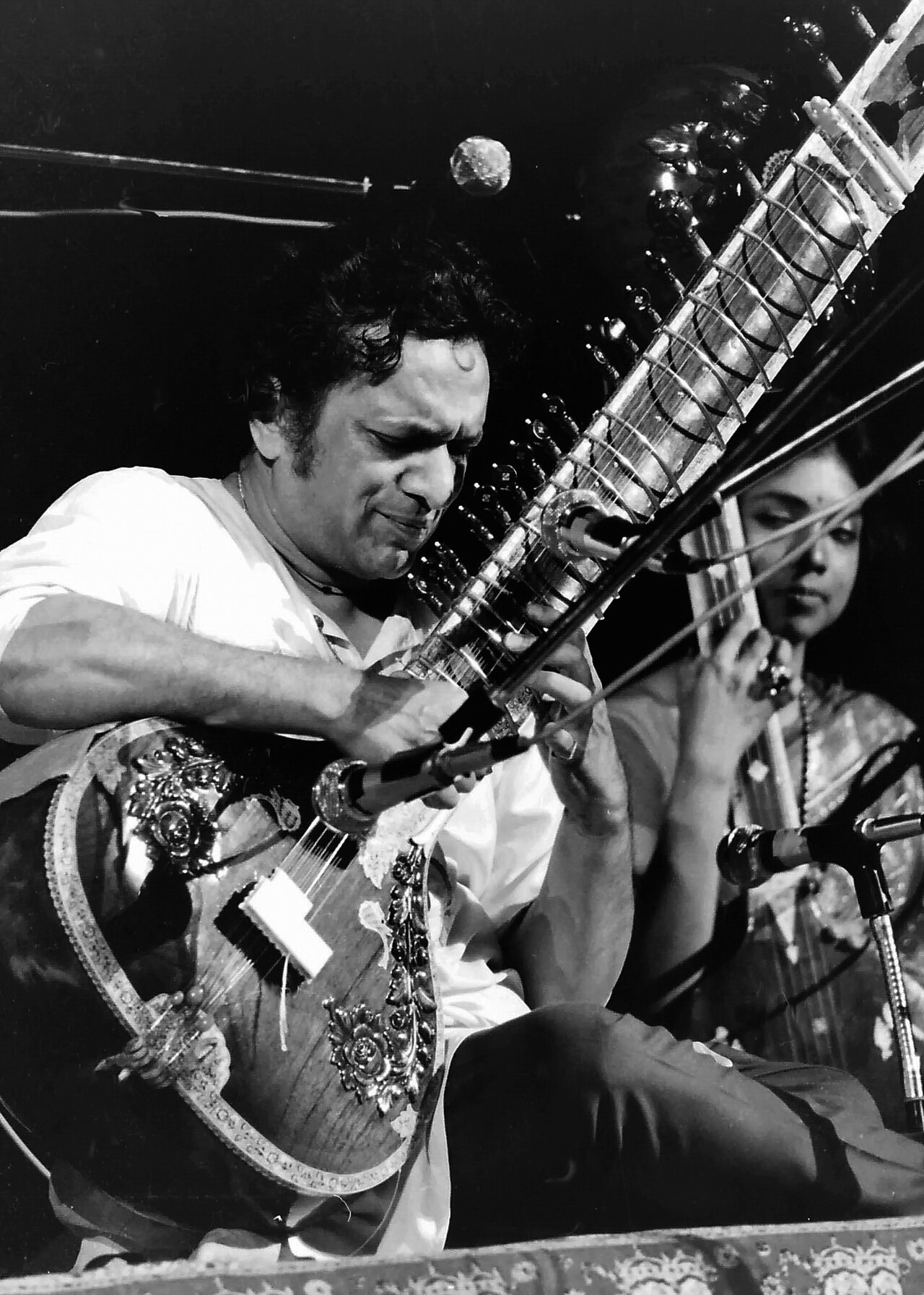
Indian music history is dotted with legendary guru-shishya relationships that shaped the evolution of the art form. The Kirana Gharana (vocal tradition) was established by Abdulkarim Khan, whose students included the legendary Ustad Faiyaz Khan. The Maihar Gharana represents another powerful lineage, where Ustad Allauddin Khan taught Ali Akbar Khan and Annapurna Devi, both of whom became towering figures in Indian music. Perhaps one of the most significant relationships was between Ravi Shankar and his guru Allauddin Khan. Ravi Shankar studied under Khan for several years, and the guru-shishya relationship profoundly shaped Shankar's approach to sitar and to teaching. Later, Ravi Shankar himself became a guru to many students, including his own son Anoushka Shankar, continuing the parampara tradition. In vocal music, the relationship between Bhimsen Joshi and his guru Sawai Gandharva exemplifies how a teacher's influence can persist throughout a student's entire career. Even after becoming a master musician in his own right, Bhimsen Joshi credited his guru's teachings as the foundation for all his artistry. These lineages are not merely chains of individual students; they represent distinct artistic philosophies, characteristic styles, and specific approaches to raag that are transmitted through the parampara and define the identity of different gharanas.
आधुनिक समय में परंपरा की चुनौतियाँ
The Challenges of Parampara in Modern Timesगुरु-शिष्य परंपरा समकालीन दुनिया में महत्वपूर्ण चुनौतियों का सामना करती है। आधुनिक जीवन की तेज़ गति आसानी से शास्त्रीय संगीत के लिए आवश्यक धीमी, धैर्यवान सीख के साथ नहीं बैठती है। छात्र अक्सर प्रभावशाली ध्वनि बनाने से पहले वर्षों के मौलिक अध्ययन में संलग्न होने के लिए समय या इच्छा की कमी करते हैं।
अंग्रेज़ी में पढ़ें · Read in English
The guru-shishya parampara faces significant challenges in the contemporary world. Modern life's fast pace doesn't easily accommodate the slow, patient learning that traditional music requires. Students often lack the time or willingness to engage in years of foundational study before producing impressive sounds. Additionally, the globalization of knowledge means that students can now access information from multiple sources—instructional videos, online tutorials, books—which can fragment their learning experience. Some traditional gurus resist these changes, insisting on exclusive relationships and limited outside input. However, contemporary masters are finding ways to adapt the parampara while maintaining its essential spirit. Some now use technology to facilitate learning—video calls allow students to study with renowned gurus regardless of geography. Others have adapted teaching methods while preserving the core principle of direct, personalized transmission of knowledge. The challenge is maintaining the intimate, holistic nature of guru-shishya learning in an age of democratized information. What becomes clear is that while the delivery method might change, the fundamental principle remains vital: the transformation that occurs when a student opens themselves completely to a teacher's guidance, and the teacher reciprocates with complete commitment to the student's development.
आध्यात्मिक और दार्शनिक आधार
The Spiritual and Philosophical Foundationअपने सबसे गहरे स्तर पर, गुरु-शिष्य परंपरा विशिष्ट आध्यात्मिक और दार्शनिक सिद्धांतों में निहित है। संबंध प्राचीन हिंदू अवधारणा 'गुरुसेवा'—गुरु की सेवा को प्रतिबिंबित करता है—जिसे एक आध्यात्मिक अभ्यास माना जाता है। गुरु की सेवा करके और गुरु के मार्गदर्शन को पूर्ण समर्पण के साथ अनुसरण करके (अपने अहंकार और पूर्वधारणाओं को समर्पित करके), छात्र विश्वास करता है कि वह केवल संगीतात्मक नहीं बल्कि आध्यात्मिक रूप से भी प्रगति करता है।
अंग्रेज़ी में पढ़ें · Read in English
At its deepest level, the guru-shishya parampara is grounded in specific spiritual and philosophical principles. The relationship reflects the ancient Hindu concept of 'guruseva'—service to the guru—which is considered a spiritual practice itself. By serving the guru and following the guru's guidance with complete surrender (surrendering one's ego and preconceptions), the student believes they progress not just musically but spiritually. The guru, in turn, sees teaching not as a commercial transaction but as a sacred responsibility. This philosophical foundation means that the relationship cannot be reduced to the purchase of a service or the exchange of money. While contemporary gurus do accept payment from students, the essence of the relationship transcends economic value. Students in traditional settings often report that the most transformative moments of their training were not in formal lessons but in informal exchanges—a casual observation by the guru that suddenly clarified years of confusion, or an example of the guru's personal discipline that inspired a shift in the student's commitment. These transformative moments emerge from the depth of relationship that only continuous, intimate engagement can create. The guru-shishya parampara ultimately rests on the belief that human transformation is possible through dedicated practice (sadhana) under the guidance of an enlightened teacher. This belief has sustained the tradition for millennia and continues to motivate serious students to seek out gurus and commit themselves fully to the learning process.
विरासत: परंपरा को संरक्षित और विकसित करना
The Legacy: Preserving and Evolving the Traditionआज के युवा पीढ़ी के संगीतकार गुरु-शिष्य परंपरा को सम्मानित करने और समकालीन वास्तविकताओं को नेविगेट करने का सवाल का सामना करते हैं। कुछ पूरी तरह से पारंपरिक पथ चुनते हैं, एकांतवासी गुरु को खोजते हैं और विशेष अध्ययन के लिए वर्षों को समर्पित करते हैं। अन्य मध्य मार्ग खोजते हैं—गुरु के साथ प्राथमिक संबंध बनाए रखते हुए आधुनिक सीखने के उपकरणों को शामिल करते हैं।
अंग्रेज़ी में पढ़ें · Read in English
Younger generation musicians today face the question of how to honor the guru-shishya parampara while navigating contemporary realities. Some choose the traditional path completely, seeking out reclusive gurus and dedicating years to exclusive study. Others find middle paths—maintaining primary relationships with gurus while incorporating modern learning tools. What becomes essential is the principle: the belief that certain knowledge, certain refinement of taste and sensitivity, can only be transmitted through prolonged, intimate engagement with someone who has already achieved mastery. The guru-shishya parampara, despite its challenges, represents a profound wisdom about learning and human development. In an age of online courses and instant information access, it stands as a reminder that some transformations cannot be expedited, some skills cannot be downloaded, and some knowledge can only be awakened through the patient guidance of those who have walked the path before. The continuation of this tradition—even in adapted forms—suggests that humanity continues to recognize the value of direct human connection, mentorship, and the transmission of wisdom from generation to generation. As long as serious students seek out dedicated teachers, and teachers commit themselves to the complete development of their students, the guru-shishya parampara will endure.
परिचय
IdentityEpithet
परंपरा का हृदय जहाँ ज्ञान आत्मा से आत्मा तक पहुँचता है
The heart of tradition where knowledge flows from soul to soul
श्रवण-कक्ष · The Listening Room
इस कहानी के वीडियो
इंडिया टुडे कॉनक्लेव - गुरु शिष्य चर्चा
गुरु शिष्य परंपरा
कहानी-नमूना
The Story Specimen| शीर्षक | गुरु-शिष्य परंपरा: संगीत सीखने की शाश्वत विधि · The Eternal Way of Learning Music: Guru-Shishya Parampara |
|---|---|
| प्रकाशित | 31 March 2026 — admin |
और कहानियाँ
More Stories from the Atlas

साझा कीजिए · Share this Plate