कहानियाँ विंग · कहानी
गमक और आंदोलन: शक्ति और शांति का रहस्य
Gamak vs Andolan: Power and Peace
दो विरोधाभासी तकनीकें जो राग को जीवंत करती हैं
प्रकाशित31 March 2026
आमुख
गमक और आंदोलन भारतीय शास्त्रीय संगीत की दो सबसे महत्वपूर्ण अलंकार तकनीकें हैं। गमक एक तेज़, बलपूर्ण तरीके से नोट को हिलाना है, जबकि आंदोलन एक धीमा, सूक्ष्म कंपन है। दोनों राग की भावनाओं को व्यक्त करने के लिए महत्वपूर्ण हैं, लेकिन बिल्कुल विपरीत प्रभाव पैदा करते हैं।
अंग्रेज़ी में पढ़ें · Read in English
Gamak and andolan are two of the most essential ornamental techniques in Indian classical music. Gamak is a rapid, forceful oscillation of a note, while andolan is a slow, subtle vibration. Both are crucial for expressing the emotions of a raag, yet produce completely opposite effects.
गमक को परिभाषित करना: शक्तिशाली कंपन
Defining Gamak: The Powerful Oscillationगमक (संस्कृत 'गम' से जिसका अर्थ है हिलना) एक नोट और उसके पड़ोसी के बीच तेज़, बलपूर्ण कंपन है। चिकने स्लाइड (मीड़) के विपरीत जो दो नोटों को जोड़ता है, गमक एक ही नोट पर रहता है जबकि इसे तीव्रता से कँपकँपाता है। कंपन आमतौर पर एक नोट और उसके तत्काल ऊपरी पड़ोसी के बीच किया जाता है, एक चमकती, ऊर्जावान प्रभाव बनाता है। सितार या सारोद जैसे तारदार वाद्य यंत्रों पर, गमक फ्रेटबोर्ड पर उँगली की तीव्र बग़ल की गतिविधि के माध्यम से निष्पादित किया जाता है। कंठ पर, इसे बहुत तेज़ी के साथ मुख्य नोट और उसके ऊपरी पड़ोसी के बीच वैकल्पिक करके बनाया जाता है। गमक का चरित्र साहसी, आत्मविश्वासी, लगभग आक्रामक है—यह एक तकनीक है जिसका उपयोग तब किया जाता है जब राग शक्ति और जीवंतता की माँग करता है।
अंग्रेज़ी में पढ़ें · Read in English
Gamak (from Sanskrit 'gam' meaning to move) is a rapid, forceful oscillation between a note and its neighbor. Unlike the smooth glide (meend) that connects two notes, gamak stays on the same note while vibrating it intensely. The oscillation is typically performed between a note and its immediate upper neighbor, creating a shimmering, energetic effect. On stringed instruments like sitar or sarod, gamak is executed through rapid side-to-side movements of the finger on the fingerboard. On voice, it's created by alternating between the main note and its upper neighbor with great speed. The character of gamak is bold, assertive, almost aggressive—it's a technique used when the raga demands power and vitality. Gamak is particularly prominent in ragas like Bhairavi, where it serves to emphasize the raga's intense, dramatic character. The speed and intensity of gamak can vary: sometimes it's just a few rapid oscillations, sometimes it can sustain for several seconds, building in intensity. A well-executed gamak can make a single note sound alive with energy, transforming what could be a static moment into something dynamic and compelling.
आंदोलन को समझना: सूक्ष्म कंपन
Understanding Andolan: The Subtle Vibrationआंदोलन (संस्कृत 'अंदोल' से जिसका अर्थ है हल्के से झूलना) गमक का विलोम है। यह एक नोट पर धीमा, सूक्ष्म कंपन है—लगभग जैसे नोट धीरे-धीरे झूल रहा हो। गमक की बलपूर्ण, तेज़ कंपन के बजाय, आंदोलन नाज़ुक और ध्यानमग्न है। तार वाद्य यंत्रों पर, आंदोलन उँगली की सूक्ष्म, नियंत्रित गतिविधियों के माध्यम से प्राप्त किया जाता है, पर्याप्त कंपन बनाते हुए बनावट जोड़ने के लिए बिना तीव्रता को नाटकीय रूप से बदले। कंठ पर, यह एक नाज़ुक ट्रेमोलो प्रभाव है जहाँ गायक एक नोट को बनाए रखता है जबकि पिच के बजाय चौड़ाई में एक हल्की लहराहट की अनुमति देता है। आंदोलन का प्रयोग राग में किया जाता है जो आत्मचिंतन और कोमलता की माँग करते हैं—राग जैसे यमन या अहीर भैरव, जो नरम, रोमांटिक, या आध्यात्मिक प्रकृति के हैं।
अंग्रेज़ी में पढ़ें · Read in English
Andolan (from Sanskrit 'andol' meaning to swing gently) is the antithesis of gamak. It is a slow, subtle vibration on a note—almost like the note is gently swaying. Rather than the forceful, rapid oscillation of gamak, andolan is delicate and contemplative. On string instruments, andolan is achieved through subtle, controlled movements of the finger, creating just enough vibration to add texture without changing the pitch dramatically. On voice, it's a gentle tremolo effect where the singer sustains a note while allowing a slight wavering in amplitude rather than pitch. Andolan is used in ragas that demand introspection and tenderness—ragas like Yaman or Ahir Bhairav, which are soft, romantic, or spiritual in nature. The beauty of andolan lies in its restraint. A master musician can convey profound emotion through barely perceptible andolan, making the note seem to breathe and live. Andolan is often used at important structural points in a raga, like resting points or emotional peaks, where a single sustained note with subtle vibration can communicate deep feeling. The difference in execution is striking: while gamak might use 8-12 oscillations per second, andolan might use just 2-3 gentle swings per second, creating a completely different aesthetic experience.
सांस्कृतिक और भावनात्मक महत्व
The Cultural and Emotional Significanceभारतीय संगीत सौंदर्यशास्त्र में, गमक और आंदोलन के बीच चुनाव गहरे दार्शनिक सिद्धांतों को प्रतिबिंबित करता है। गमक 'शक्ति' (शक्ति, ऊर्जा, गतिशीलता) का प्रतिनिधित्व करता है, जबकि आंदोलन 'शांति' (शांति, शांति, स्थिरता) का प्रतिनिधित्व करता है। एक राग का चरित्र आंशिक रूप से इस बात से परिभाषित होता है कि कौन सी तकनीकें इसकी प्रस्तुति में प्रभावी होती हैं। भैरवी, अपनी नाटकीय तीव्रता के साथ, गमक का व्यापक उपयोग करता है। यमन, अपनी शांत भव्यता के साथ, आंदोलन को प्राथमिकता देता है। महान संगीतकार इसे सहज रूप से समझते हैं, यह जानते हुए कि कब कौन सी तकनीक तैनात करनी है वह भावनात्मक कथा के आधार पर जो वे निर्माण कर रहे हैं।
अंग्रेज़ी में पढ़ें · Read in English
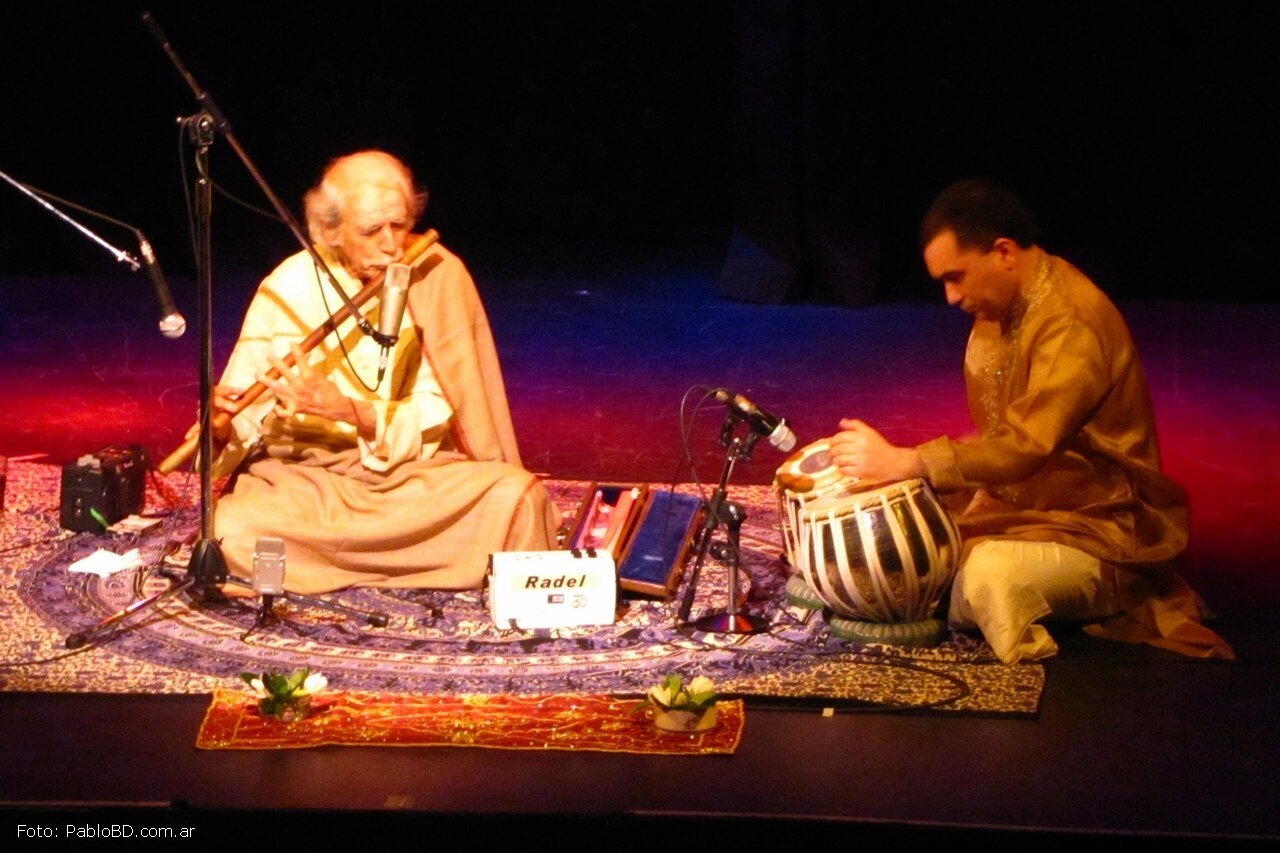
In Indian musical aesthetics, the choice between gamak and andolan reflects deeper philosophical principles. Gamak represents 'shakti' (power, energy, dynamism), while andolan represents 'shanti' (peace, tranquility, stillness). A raga's character is partly defined by which techniques dominate its presentation. Bhairavi, with its dramatic intensity, makes extensive use of gamak. Yaman, with its serene elegance, favors andolan. Master musicians understand this intuitively, knowing when to deploy which technique based on the emotional narrative they're constructing. The strategic use of these ornaments is what separates a technically competent musician from a great artist. Using gamak in a raga that calls for andolan destroys the raga's character. Conversely, a musician who never ventures into the assertiveness of gamak misses opportunities for powerful emotional expression. The greatest classical musicians demonstrate complete mastery of both techniques, deploying each with precision and sensitivity. Hariprasad Chaurasia's flute playing is famous for its perfect andolan at emotionally crucial moments. Bhimsen Joshi's vocal technique showcases both the power of gamak and the subtlety of andolan. These masters understood that true musical expression requires understanding not just the 'how' but the 'when' and 'why' of each technique.
वाद्य यंत्रों में निष्पादन की तुलना
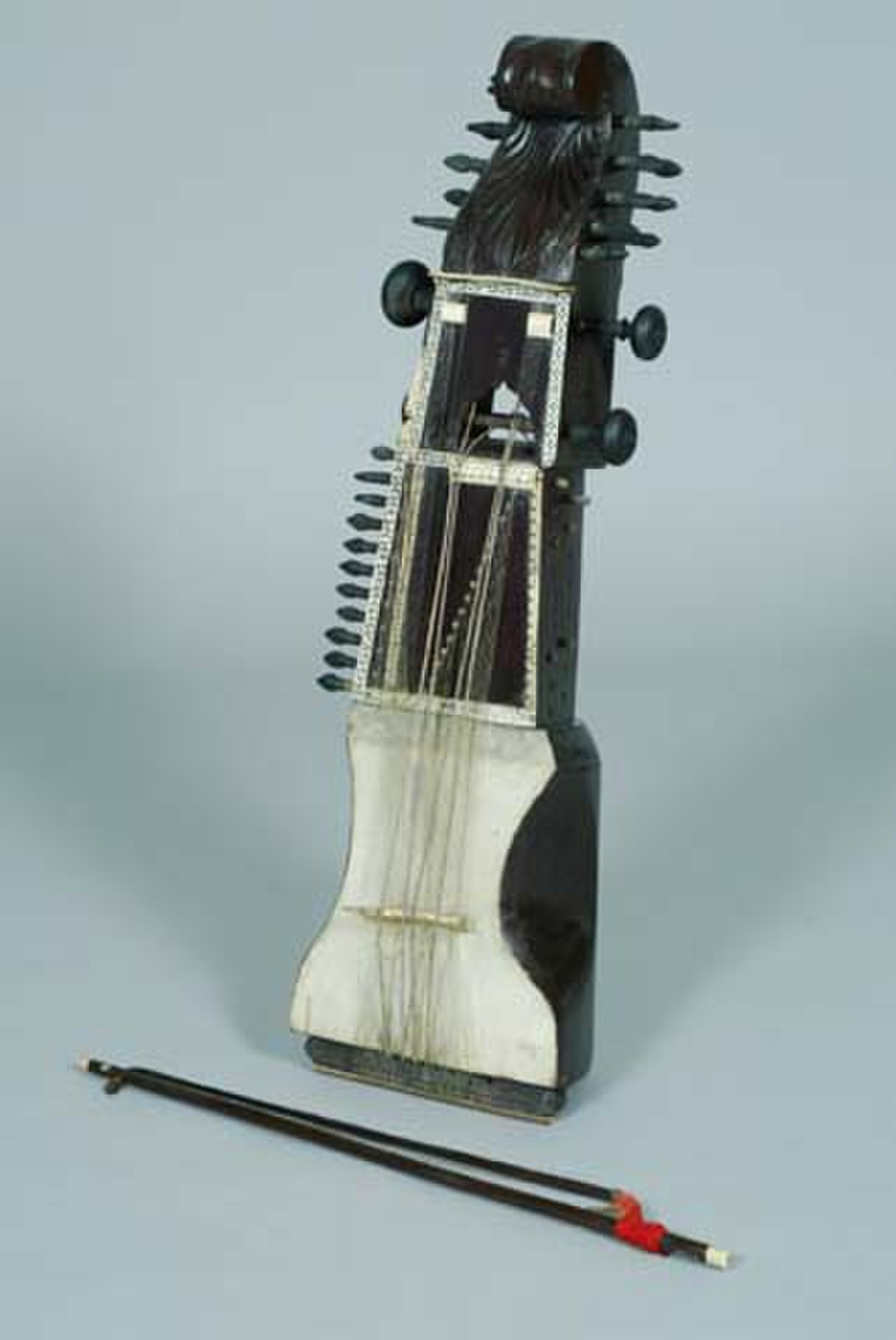
Comparing Execution Across Instrumentsगमक और आंदोलन का निष्पादन विभिन्न वाद्य यंत्रों में काफी भिन्न है, प्रत्येक वाद्य की अनन्य विशेषताओं को प्रतिबिंबित करता है। सारंगी या वायलिन जैसे धनुष-संचालित वाद्य यंत्रों पर, गमक तीव्र आगे-पीछे धनुष गतिविधियों के माध्यम से बनाया जाता है, जबकि आंदोलन धनुष दबाव में सूक्ष्म परिवर्तन के माध्यम से प्राप्त होता है। सितार और सारोद जैसे तोड़ने वाले वाद्य यंत्रों पर, गमक को फ्रेटबोर्ड पर तीव्र बग़ल की उँगली गतिविधियों की आवश्यकता है, जबकि आंदोलन लगभग अदृश्य उँगली कंपन का उपयोग करता है। बाँसुरी जैसे वायु वाद्य यंत्र तीव्र उँगली ट्रिल्स के साथ संयुक्त सूक्ष्म श्वास नियंत्रण के माध्यम से गमक बनाते हैं, जबकि आंदोलन बहुत हल्की श्वास में उत्पादित होता है। कंठ संगीत में, यांत्रिकता और भी अधिक सूक्ष्म है।
अंग्रेज़ी में पढ़ें · Read in English
The execution of gamak and andolan varies significantly across different instruments, reflecting each instrument's unique properties. On bowed instruments like the sarangi or violin, gamak is created through rapid back-and-forth bow movements, while andolan is achieved through subtle changes in bow pressure. On plucked instruments like sitar and sarod, gamak requires rapid side-to-side finger movements on the fingerboard, while andolan uses almost imperceptible finger vibration. Wind instruments like the bansuri create gamak through rapid finger trills combined with subtle breath control, while andolan is produced through very gentle breath fluctuation. In vocal music, the mechanics are even more nuanced. Gamak is a primarily a tongue and lip technique combined with a slight pitch variation, while andolan relies on sustaining a pure pitch with gentle vibrato. The tabla, while primarily a percussion instrument, can suggest both techniques through the quality of its strike and the resonance allowed to ring. Advanced musicians spend years mastering these variations, developing sensitivity to how each instrument's construction naturally supports or resists certain ornamental techniques. A sitarist's gamak will sound different from a sarangi player's gamak because of the instruments' tonal qualities, yet both aim to achieve the same essential musical effect: power, intensity, and dramatic effect.
गमक और आंदोलन के महारथ
Masters of Gamak and Andolanभारतीय शास्त्रीय संगीत का इतिहास गमक और आंदोलन के बीच संतुलन को सिद्ध करने वाले कई महारथियों के उदाहरण प्रदान करता है। उस्ताद अमीर खान, किंवदंती गायक, दोनों तकनीकों के अपने कल्पनाशील उपयोग के लिए प्रसिद्ध थे, प्रत्येक को शल्यचिकित्सा परिशुद्धता के साथ तैनात करते हुए। उनकी रिकॉर्डिंग दिखाती है कि कैसे एक एकल राग में गमक-संचालित मार्गों के तीव्र क्षणों हो सकते हैं जो तुरंत अंदोलन-आधारित ध्यान द्वारा अनुसरण किए जाते हैं। वाद्य संगीत में, रवि शंकर ने दोनों में महारत प्रदर्शित की, लेकिन वह विशेष रूप से भावनात्मक चरमोत्कर्ष के क्षणों में आंदोलन के लिए जाने जाते थे, एक एकल नोट को इस तरह गूँजने की अनुमति देते थे कि दर्शक आँसू में चले जाते थे।
अंग्रेज़ी में पढ़ें · Read in English
The history of Indian classical music offers numerous examples of masters who perfected the balance between gamak and andolan. Ustad Amir Khan, the legendary vocalist, was famous for his exquisite use of both techniques, deploying each with surgical precision. His recordings showcase how a single raag can contain moments of intense gamak-driven passages followed immediately by profound andolan-based meditation. In instrumental music, Ravi Shankar demonstrated mastery of both, but he was particularly known for andolan at emotionally climactic moments, allowing a single note to resonate with such subtlety that audiences were moved to tears. Vilayat Khan, the other sitar giant, favored gamak more heavily, using it to create drama and intensity in his raag presentations. Hariprasad Chaurasia, perhaps the greatest flute player of the modern era, is renowned for andolan passages that seem to transform the flute into a singing voice. Contemporary musicians like Bhimsen Joshi in vocal music and Anoushka Shankar in sitar both demonstrate that understanding these techniques is not about choosing one over the other, but about mastering both completely and using each at precisely the right moment for maximum artistic impact. Their recordings serve as textbooks for younger musicians learning to navigate these subtle distinctions.
इन तकनीकों को सीखना: एक शिक्षक का दृष्टिकोण
Learning These Techniques: A Teacher's Perspectiveशास्त्रीय संगीत शिक्षक आमतौर पर गमक और आंदोलन को एक छात्र के विकास के विभिन्न चरणों में पेश करते हैं। आंदोलन, अधिक सूक्ष्म होने के कारण और सावधान सुनने की आवश्यकता के कारण, अक्सर छात्र के प्रशिक्षण में बाद में पेश किया जाता है, एक बार जब वे पर्याप्त नियंत्रण और संवेदनशीलता विकसित कर लेते हैं। गमक, अपने अधिक स्पष्ट प्रभाव के साथ, प्रारंभ में पेश किया जा सकता है, हालाँकि इसमें महारत हासिल करने के लिए अभी भी वर्षों के अभ्यास की आवश्यकता है। एक विशिष्ट प्रगति पहली बार सैद्धांतिक रूप से अवधारणा को समझने में शामिल है—क्या प्रभाव बनाता है, इसका उपयोग कब किया जाता है, इससे क्यों मायने रखता है। फिर नकल आता है: छात्र महान मास्टरों की रिकॉर्ड की गई प्रस्तुतियों को सुनते हैं, गमक और आंदोलन के उदाहरणों की पहचान करते हैं और उन्हें दोहराने की कोशिश करते हैं।
अंग्रेज़ी में पढ़ें · Read in English
Classical music teachers typically introduce gamak and andolan at different stages of a student's development. Andolan, being more subtle and requiring careful listening, is often introduced later in the student's training, once they have developed sufficient control and sensitivity. Gamak, with its more obvious effect, might be introduced earlier, though mastering it still requires years of practice. A typical progression involves first understanding the concept theoretically—what creates the effect, when it's used, why it matters. Then comes imitation: students listen to recorded performances by great masters, identifying instances of gamak and andolan and trying to replicate them. The teacher provides feedback, correcting the student's execution, suggesting refinements. Eventually, as the student matures, they begin to develop a personal interpretation of these techniques, applying them according to their own aesthetic sense. A good teacher knows that these aren't just mechanical tricks but essential elements of raag expression. They encourage students to listen not just to the technique itself but to what emotion it conveys in context. The deepest learning often comes from performing with others—in ensemble settings with tabla accompaniment, a student learns to time gamak and andolan precisely, responding to the rhythmic and melodic developments happening in real time.
आधुनिक दृष्टिकोण: परंपरा को बनाए रखते हुए विकसित होना
The Modern Perspective: Preserving Tradition While Evolvingसमकालीन युग में, युवा संगीतकार गमक और आंदोलन जैसी परंपरागत तकनीकों के नए अनुप्रयोग खोज रहे हैं। कुछ प्रायोगिक संगीतकार शास्त्रीय को अन्य संगीत परंपराओं के साथ मिलाते हैं, गमक और आंदोलन को संलयन ध्वनियों बनाने के लिए अनुकूलित करते हैं जो शास्त्रीय सिद्धांतों के लिए सम्मान बनाए रखते हैं। फिर भी कठोरवादी तर्क देते हैं कि ये तकनीकें राग परंपराओं से इतनी निकटता से जुड़ी हुई हैं कि उन्हें संदर्भ से अलग करना उनकी शक्ति को कम करता है।
अंग्रेज़ी में पढ़ें · Read in English
In the contemporary era, younger musicians are exploring new applications of traditional techniques like gamak and andolan. Some experimental musicians blend classical with other musical traditions, adapting gamak and andolan to create fusion sounds that maintain respect for classical principles. Yet purists argue that these techniques are so intimately tied to raag traditions that divorcing them from context diminishes their power. Most serious contemporary musicians accept a middle ground: honoring the traditional applications of gamak and andolan while gradually expanding their application through new raag interpretations or through teaching these principles to new generations of learners. The advent of online learning platforms has made these techniques more accessible globally, with international students now studying Indian classical music and developing their own understanding of gamak and andolan. Documentary recordings and slow-motion video analysis allow modern students to study the mechanics of these techniques in unprecedented detail. However, experienced teachers emphasize that true mastery cannot come from video analysis alone—it requires direct mentorship, repeated listening to live performances, and years of patient practice. The core understanding remains: gamak and andolan are not ornamental niceties but fundamental expressions of Indian classical music's aesthetic principles, communicating the full spectrum of human emotion from power to peace.
परिचय
Identity- Epithet
- दो विरोधाभासी तकनीकें जो राग को जीवंत करती हैं · Two contrasting techniques that bring a raag to life
श्रवण-कक्ष · The Listening Room
इस कहानी के वीडियो
मीड़ खटका मुड़की गमक और आंदोलन
गमक क्या है
कहानी-नमूना
The Story Specimen| शीर्षक | गमक और आंदोलन: शक्ति और शांति का रहस्य · Gamak vs Andolan: Power and Peace |
|---|---|
| प्रकाशित | 31 March 2026 — admin |
और कहानियाँ
More Stories from the Atlas

साझा कीजिए · Share this Plate