कहानियाँ विंग · कहानी · इतिहास · 1904
मोम पर सूफी भक्ति — ज़ोहरा बाई का 'छाप तिलक' और अमीर ख़ुसरो की अमर वाणी
Sufi Devotion on Wax — Zohra Bai's 'Chhap Tilak' and Amir Khusro's Immortal Words
जब ज़ोहरा बाई अग्रेवाली ने दिसंबर 1904 में 300 वर्ष पुरानी रहस्यमय ख़याल रिकॉर्ड की, तो उन्होंने केवल एक राग नहीं, बल्कि उस आध्यात्मिक सेतु को संरक्षित किया जो अमीर ख़ुसरो ने हिंदू और मुस्लिम संगीत परंपराओं के बीच बनाया था
प्रकाशित31 March 2026 पाठ८ मिनट का पाठ
आमुख
शब्द जिन्होंने सब कुछ बदला
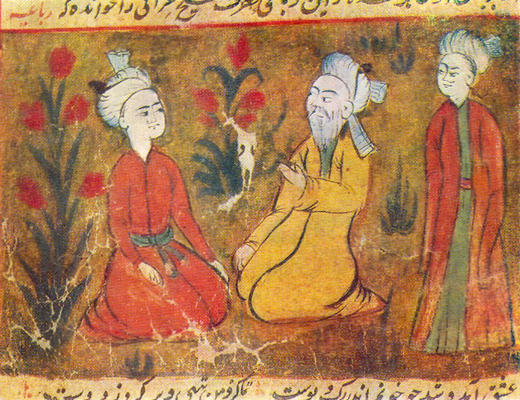
The Words That Changed Everything14वीं सदी में, कवि-संगीतकार अमीर ख़ुसरो दिल्ली के सुल्तान के दरबार में बैठे थे, उनका दिल दिव्य प्रेम से भरा था। उन्होंने फ़ारसी ग़ज़ल रूप को भारतीय रागों की सूक्ष्मटोनल संवेदनशीलता से विवाह किया। परिणाम अभूतपूर्व था: एक संगीत भाषा जो फ़ारसी बोलने वाली मुस्लिम अभिजात और भारतीय उपमहाद्वीप के हिंदू संगीतकारों दोनों से बात कर सकती थी। उनकी सबसे शक्तिशाली रचनाओं में से एक शब्द थे: 'छाप तिलक सब छीनी रे मोसे, नैना बतियाँ करि बतियाँ।' शाब्दिक रूप से, इसका अर्थ है 'आपने मेरे निशान और दावे चोरी कर लिए हैं, मेरे स्वामी, आपकी आँखों की दृष्टि के माध्यम से।' लेकिन एक गहरे स्तर पर, यह एक परमानंद प्रेम कविता है — एक आत्मा जो दिव्य को गा रही है, सांसारिक इच्छा और आध्यात्मिक लालसा के बीच सीमा को मिटा रही है। 300 वर्षों के लिए, ये शब्द तवायफ़ों, सूफ़ी गायकों, और शास्त्रीय संगीतकारों की ज़बान पर रहे। वे विवाह समारोहों में और रहस्यमय सभाओं में गाए गए। लेकिन वे केवल लाइव प्रदर्शन के क्षेत्र में मौजूद थे, गायकों की साँस पर तैरते हुए, समय द्वारा लाई गई भूलने के लिए असुरक्षित। जब ज़ोहरा बाई ने 1904 में उन्हें रिकॉर्ड किया, तो उन्हें नहीं पता था कि वह केवल एक गीत को अमर नहीं बना रहीं, बल्कि सदियों के बीच एक बातचीत को अमर बना रहीं।
अंग्रेज़ी में पढ़ें · Read in English
In the 14th century, the poet-musician Amir Khusro sat in the court of the Delhi Sultan, his heart filled with divine love. He took the Persian gazal form and married it to the microtonal sensibilities of Indian raags. The result was something unprecedented: a musical language that could speak to both the Persian-speaking Muslim nobility and the Hindu musicians of the Indian subcontinent. One of his most potent creations was the words: 'Chhap tilak sab chhini re mose, naina batiyan kari batiyan.' Literally, it means 'You have stolen my marks and claims, my lord, through the glances of your eyes.' But on a deeper level, it is an ecstatic love poem — a soul singing to the divine, erasing the boundary between earthly desire and spiritual yearning.
For 300 years, these words lived on the lips of courtesans, Sufi singers, and classical musicians. They were sung at weddings and at mystical gatherings. But they existed only in the realm of live performance, floating on the breath of singers, vulnerable to the forgetting that time brings. When Zohra Bai recorded them in 1904, she did not know she was immortalizing not just a song, but a conversation between centuries.
ज़ोहरा बाई — तवायफ़ जो शाश्वतता के लिए गाती थीं
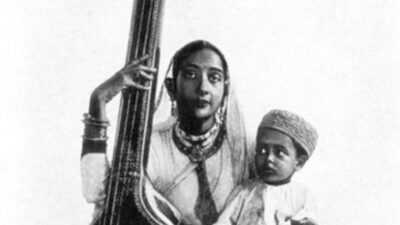
Zohra Bai — The Courtesan Who Sang for Eternityज़ोहरा बाई अग्रेवाली तवायफ़ों की परंपरा से आईं — तवायफ़ें जो पूर्व-आधुनिक काल में भारतीय शास्त्रीय संगीत के प्राथमिक संरक्षक थीं। तवायफ़ परंपरा, बाद के भारतीय समाज में इसकी विवादास्पद प्रतिष्ठा के बावजूद, 1904 में अभी भी परिष्कृत कलाकारों की एक वंशावली के रूप में समझी जाती थी जिन्हें बचपन से संगीत, नृत्य, और काव्य में प्रशिक्षित किया जाता था। ज़ोहरा बाई सबसे अच्छी में से एक थीं: उनकी आवाज़ में एक विशेष स्पष्टता और भावनात्मक गहराई थी जो सूफ़ी क़व्वाली और ख़यालों की उनकी प्रस्तुतियों को विशेष रूप से गतिशील बनाती थी। उनके काल की कई तवायफ़ों की तरह, ज़ोहरा बाई आध्यात्मिक अवस्थाओं को व्यक्त करने के लिए आवाज़ की शक्ति को समझती थीं। सूफ़ी क़व्वाली परंपरा ने हमेशा इसपर जोर दिया — दिव्य नामों और प्रेम काव्य की पुनरावृत्ति गायक और श्रोता दोनों में परमानंद अवस्था को प्रेरित करने के लिए थी। 'छाप तिलक' के प्रति ज़ोहरा बाई का दृष्टिकोण सजावटी या केवल मनोरंजक सुंदर नहीं था। यह भक्तिपूर्ण था। हर नोट जो वह गाती थीं वह अमीर ख़ुसरो के शब्दों के अर्थ के प्रति आत्मसमर्पण का एक कार्य था।
अंग्रेज़ी में पढ़ें · Read in English
Zohra Bai Agrewali came from a tradition of tawaifs — courtesans who were the primary guardians of Indian classical music in the pre-modern era. The tawaif tradition, despite its controversial reputation in later Indian society, was in 1904 still understood as a lineage of sophisticated artists who were trained from childhood in music, dance, and poetry. Zohra Bai was among the finest: her voice had a particular clarity and emotional depth that made her renditions of Sufi qawwalis and khayals especially moving.
Like many tawaifs of her era, Zohra Bai understood the power of the voice to convey spiritual states. The Sufi qawwali tradition had always emphasized this — the repetition of divine names and love poetry was meant to induce ecstatic states in both the singer and listener. Zohra Bai's approach to 'Chhap Tilak' was not decorative or merely entertainingly beautiful. It was devotional. Every note she sang was an act of surrender to the meaning of Amir Khusro's words.
दिसंबर सत्र और रहस्यमय अभिव्यक्ति
The December Session and Mystical Expressionजब ज़ोहरा बाई दिसंबर 1904 में ग्रामोफ़ोन कंपनी की रिकॉर्डिंग स्टूडियो में प्रवेश कीं, तो वह एक प्रदर्शनकारी के रूप में तैयार आईं जो दर्शकों को प्रभावित करने की कोशिश कर रहीं, बल्कि एक भक्ति गायक के रूप में आध्यात्मिक समर्पण का एक कार्य कर रहीं। मोम डिस्क रिकॉर्डिंग सत्र कठोर और तकनीकी था — उन मंद प्रकाश वाले कक्षों से एक दुनिया दूर जहाँ वह सामान्यतः संरक्षकों और रहस्यमय साधकों के लिए प्रदर्शन करती थीं। फिर भी वह उस अंतरंग भक्ति गुणवत्ता को रिकॉर्डिंग हॉर्न में लाईं। जो इंजीनियरों ने कैप्चर किया — और जो फिर मोम के खांचे में प्रेस किया गया — ज़ोहरा बाई की आवाज़ राग काफ़ी में थी, शब्द गा रहीं जो दिव्य को उनकी पहचान चोरी करने और उन्हें पूरी तरह से दावा करने के लिए कह रहीं। रिकॉर्डिंग लगभग 4 मिनट लंबी है, और उस संक्षिप्त अवधि में, वह ख़याल के वाक्यांशों के माध्यम से चलती हैं जो तीव्रता और भावनात्मक तापमान में बढ़ते हैं। नोट भाषण की प्राकृतिक लय के साथ उठते और गिरते हैं — बोल-बंद नामक एक तकनीक, जहाँ गीत मधुर आकार को निर्देशित करते हैं। उनका कंपन नियंत्रित लेकिन मौजूद है, नोटों में एक मानवीय काँपन जोड़ता है। आभूषण संयत है, अमीर ख़ुसरो के शब्दों को हमेशा श्रवण और केंद्रीय रखने की अनुमति देता है। ध्वनिक स्थितियाँ अपूर्ण थीं। उनकी आवाज़ कभी-कभी हॉर्न से थोड़ी दूरी पर होती है, और उनके रजिस्टर के निचले ऑक्टेव मोम पर व्यक्तिगत रूप से जो होते उससे कम स्पष्ट होते हैं। फिर भी ये तकनीकी सीमाएँ किसी तरह से रिकॉर्डिंग के ऐतिहासिक मार्मिकता को जोड़ती हैं। यह एक अच्छी तरह से मिलाया जाता है, बार-बार सुनने के लिए डिज़ाइन किए गए एक पॉलिश प्रदर्शन नहीं है। यह एक पल कैप्चर किया गया है — ज़ोहरा बाई रिकॉर्डिंग हॉर्न के अंधकार में अपनी सच्चाई गा रहीं, उम्मीद करती हैं कि उनकी आवाज़ उनके अपने जीवन से अधिक समय तक रहे।
अंग्रेज़ी में पढ़ें · Read in English
When Zohra Bai entered the Gramophone Company recording studio in December 1904, she came prepared not as a performer trying to impress an audience, but as a devotional singer performing an act of spiritual surrender. The wax disc recording session was stark and technical — a world away from the dimly lit chambers where she normally performed for patrons and mystical seekers. Yet she brought that intimate devotional quality into the recording horn.
What the engineers captured — and what was then pressed into wax grooves — was Zohra Bai's voice in the raag Kafi, singing words that asked the divine to steal her identity and claim her completely. The recording is approximately 4 minutes long, and in that brief span, she moves through phrases of the khayal that build in intensity and emotional temperature. The notes rise and fall with the natural cadence of speech — a technique called bol-bant, where the lyrics guide the melodic shape. Her vibrato is controlled but present, adding a human tremor to the notes. The ornamentation is restrained, allowing Amir Khusro's words to remain always audible and central.
The acoustic conditions were imperfect. Her voice is sometimes slightly distant from the horn, and the lower octaves of her register are less clear on the wax than they would be in person. Yet these technical limitations somehow add to the historical poignancy of the recording. It is not a pristine, polished performance designed for repeated listenings. It is a moment captured — Zohra Bai singing her truth into the darkness of the recording horn, hoping that her voice might outlast her own life.
दुनियाओं के बीच एक पुल
A Bridge Between Worldsज़ोहरा बाई की 1904 की 'छाप तिलक' की रिकॉर्डिंग को ऐतिहासिक रूप से गहरा बनाता है कि यह कई विरासतों के प्रतिच्छेदन पर मौजूद है। यह एक तवायफ़ द्वारा एक रिकॉर्डिंग है (एक आकृति जो जल्द ही आधुनिक भारतीय समाज द्वारा कलंकित और हाशिए पर डाली जाएगी), लेकिन यह एक परिष्कृत कलाकार की आवाज़ को संरक्षित करता है। यह एक सूफ़ी भक्ति गीत है, फिर भी यह शास्त्रीय ख़याल रूप का पालन करता है। यह एक मध्ययुगीन मुस्लिम कवि द्वारा लिखे गए शब्दों को हिंदू शास्त्रीय रागों की संगीत शब्दावली का उपयोग करके गाता है। यह एक ब्रिटिश रिकॉर्डिंग तकनीक के लिए प्रदर्शित किया जाता है, फिर भी यह भारतीय संगीत परंपरा के 300 वर्षों की आध्यात्मिक पीड़ा रखता है। बीसवीं सदी के अंत में, जब विद्वानों और संगीतकारों ने भारतीय संगीत के इतिहास की फिर से जांच करना शुरू किया, ज़ोहरा बाई की रिकॉर्डिंग महत्वपूर्ण सबूत बन गई कि तवायफ़ परंपरा केवल मनोरंजन नहीं थी बल्कि शास्त्रीय संगीत के संचरण और विकास के लिए केंद्रीय थी। ज़ोहरा बाई जैसी तवायफ़ों के बिना, 'छाप तिलक' जैसी ख़यालें — जो आज हर शास्त्रीय गायक की प्रदर्शनी का हिस्सा हैं — इतिहास में खो सकती हैं। उनकी मोम डिस्क रिकॉर्डिंग इस प्रकार एक आवाज़ और एक सांस्कृतिक निरंतरता दोनों का दस्तावेज़ है जो सभी सीमाओं को पार करता है: हिंदू और मुस्लिम, भक्ति और सौंदर्य, प्राचीन और आधुनिक।
अंग्रेज़ी में पढ़ें · Read in English
What makes Zohra Bai's 1904 recording of 'Chhap Tilak' historically profound is that it exists at the intersection of multiple legacies. It is a recording by a tawaif (a figure who would soon be stigmatized and marginalized by modern Indian society), but it preserves the voice of a sophisticated artist. It is a Sufi devotional song, yet it follows the classical khayal form. It sings words written by a medieval Muslim poet using the musical vocabulary of Hindu classical raags. It is performed for a British recording technology, yet it carries the spiritual weight of 300 years of Indian musical tradition.
In the late 20th century, when scholars and musicians began re-examining the history of Indian music, Zohra Bai's recordings became crucial evidence that the tawaif tradition was not mere entertainment but was central to the transmission and evolution of classical music. Without tawaifs like Zohra Bai, khayals like 'Chhap Tilak' — which are part of every classical vocalist's repertoire today — might have been lost to history. Her wax disc recording is thus a document of both a voice and a cultural continuity that transcends all boundaries: Hindu and Muslim, devotional and aesthetic, ancient and modern.

मोम की नाज़ुक अमरता
The Fragile Immortality of Waxमोम डिस्क हमेशा के लिए नहीं हैं। वे गर्मी, नमी, और समय के बीतने के लिए असुरक्षित हैं। ज़ोहरा बाई की 1904 की मूल रिकॉर्डिंग अंततः मोम पर क्षय हो गई होगी। लेकिन तब तक, तकनीक आगे बढ़ गई थी। इंजीनियरों ने 1920 और 1930 के दशक में मोम रिकॉर्डिंग को विद्युत रिकॉर्डिंग टेप में स्थानांतरित किया। बाद में, टेप को डिजिटल प्रारूप में परिवर्तित किया गया। आज, उनकी आवाज़ कंप्यूटर फ़ाइलों में जीवित है, तकनीकी परिवर्तनों की एक श्रृंखला के माध्यम से संरक्षित एक अजीब अमरता। जब आप आज ज़ोहरा बाई के 'छाप तिलक' को सुनते हैं, तो आप बिल्कुल नहीं सुन रहे हैं जैसे दिसंबर 1904 के सत्र में उनकी आवाज़ सुनी जाती थी, बल्कि एक गूंज जो एक सदी की तकनीकी मध्यस्थता से गुज़री है। मोम बाइट्स बन गया है। फिर भी कुछ आवश्यक जीवित रहता है — उनकी आवाज़ का विशेष टिम्बर, उनके वाक्यांशों के भावनात्मक समोच्च, भक्ति इरादा जो हर नोट को एनिमेट करता है। एक तरह से, यही सब संगीत इतिहास है: एक श्रृंखला गूंज, हर एक फीके पड़ता है लेकिन हर एक उस सत्य को आगे बढ़ाता है जो एक मानव व्यक्ति व्यक्त करना चाहता था।
अंग्रेज़ी में पढ़ें · Read in English
Wax discs are not forever. They are vulnerable to heat, humidity, and the passage of time. Zohra Bai's original 1904 recording on wax would eventually decay. But by then, technology had advanced. Engineers transferred the wax recording to electrical recording tape in the 1920s and 1930s. Later, tape was converted to digital format. Today, her voice survives in computer files, a strange immortality preserved through a chain of technological transformations.
When you listen to Zohra Bai's 'Chhap Tilak' today, you are hearing not exactly her voice as it sounded in that December 1904 session, but an echo that has passed through a century of technological mediation. The wax has become bytes. Yet something essential survives — the particular timbre of her voice, the emotional contours of her phrasing, the devotional intention that animates every note. In a way, this is what all music history is: a series of echoes, each fading but each carrying forward the essential truth of what a human being wanted to express.
परिचय
IdentityEpithet
जब ज़ोहरा बाई अग्रेवाली ने दिसंबर 1904 में 300 वर्ष पुरानी रहस्यमय ख़याल रिकॉर्ड की, तो उन्होंने केवल एक राग नहीं, बल्कि उस आध्यात्मिक सेतु को संरक्षित किया जो अमीर ख़ुसरो ने हिंदू और मुस्लिम संगीत परंपराओं के बीच बनाया था
When Zohra Bai Agrewali recorded a 300-year-old mystical khayal in December 1904, she preserved not just a melody but the spiritual bridge that Amir Khusro had built between Hindu and Muslim musical traditions
कहानी-नमूना
The Story Specimen| शीर्षक | मोम पर सूफी भक्ति — ज़ोहरा बाई का 'छाप तिलक' और अमीर ख़ुसरो की अमर वाणी · Sufi Devotion on Wax — Zohra Bai's 'Chhap Tilak' and Amir Khusro's Immortal Words |
|---|---|
| श्रेणी | इतिहास |
| प्रकार | विशेष लेख |
| पाठ-समय | ८ मिनट का पाठ |
| प्रकाशित | 31 March 2026 — admin |
| वर्ष | 1904 |
| टैग | sufi_music · zohra_bai · amir_khusro · qawwali · khayal · mysticism · 1904 · tawaif · devotional |
इस कहानी में
In This Story · The Cast & Its Platesकहानी में आए नामों के अटलस में अपने पन्ने हैं — यहीं से यात्रा जारी रखिए।
विधाएँ-सूत्र · Vidhas
और कहानियाँ
More Stories from the Atlas


साझा कीजिए · Share this Plate