शास्त्र विंग · विधा-पट्टिका · Vidha Plate
ख़्याल
Khayal · Khyāl
हिंदुस्तानी संगीत का सबसे प्रमुख और लोकप्रिय विधा, जिसमें राग के साथ गायक की कल्पना शक्ति और मुक्त अभिव्यक्ति का अद्भुत समन्वय होता है।
अन्य नामख़्याल गायकी · ख्याल · छोटा ख़्याल · बड़ा ख़्याल
एक पंक्तिख़्याल एक शास्त्रीय गायन विधा है जिसमें गायक राग के भीतर रहकर अपनी सृजनशीलता और तकनीकी कौशल को सुंदरतम तरीके से प्रदर्शित करता है।
परिचय
Overviewख़्याल हिंदुस्तानी शास्त्रीय संगीत का सबसे महत्वपूर्ण और सर्वव्यापी विधा है। यह शब्द 'कल्पना' या 'विचार' से आया है, जो इसकी मूल प्रकृति को दर्शाता है। ख़्याल में गायक एक निश्चित राग के अंतर्गत रहते हुए पूर्ण स्वतंत्रता के साथ अपनी कल्पनाशक्ति को प्रकट करता है। यह विधा पहले दिल्ली और जौनपुर के सुल्तानों के दरबारों में विकसित हुई थी, और बाद में इसने सारे उत्तर भारत में लोकप्रियता प्राप्त की। 18वीं सदी में सदारंग और अदारंग जैसे महान संगीतज्ञों ने इसे परिपूर्ण रूप दिया। ख़्याल की सबसे महत्वपूर्ण विशेषता यह है कि हर प्रदर्शन अलग होता है। गायक प्रत्येक बार एक ही बंदिश को भिन्न तरीके से प्रस्तुत कर सकता है। यह तत्काल रचना की कला है।
अंग्रेज़ी में पढ़ें · Read in English
Khayal is the most important and widespread form of Hindustani classical music. The word comes from 'imagination' or 'thought', reflecting its essential nature. Within a raag framework, the singer has complete freedom to express their creative imagination. This form developed in the courts of Delhi and Jaunpur sultans and later spread throughout North India. In the 18th century, great musicians like Sadarang and Adarang perfected it. Khayal's defining feature is that each performance is unique. The singer can present the same composition differently each time. It is an art of spontaneous creation.
काव्य-पंक्ति · The Verse
काव्य-पंक्ति
ख़्याल राग की नदी में हमें बहाता है, सुरों की लहरों में हमें तैराता है, कल्पना के आसमान में हमें उड़ाता है।
— समकालीन संगीत कविता Khayal carries us in the river of raag, makes us swim in waves of notes, takes us flying in the sky of imagination.
वर्गीकरण
Classificationश्रेणी
शास्त्रीय
अंग्रेज़ी में पढ़ें · Read in English
Classical
परंपरा
hindustani
उप-विधाएँ
संबंधित विधाएँ
संरचना
Structureअंग
राग का परिचय — बिना ताल के, गायक स्वरों को विस्तार से समझाता है। इसमें आरोह-अवरोह, मुख्य स्वर, विशेषताएँ सब कुछ दिखाया जाता है।
Introduction to the raag without rhythm. The singer elaborates on the notes, their ascent-descent, and characteristic features.
मुख्य रचना जिसमें एक गीत होता है। यह बड़े ख़्याल में धीमा और छोटे ख़्याल में तेज होता है। बंदिश के शब्द आमतौर पर प्रेम, भक्ति या राजकीय विषय से संबंधित होते हैं।
The main composition containing lyrics, slow in Bada Khayal and fast in Chota Khayal. Lyrics usually deal with love, devotion, or regal themes.
तेज़ गति से गए जाने वाले स्वरों की श्रृंखला। तान में गायक अपनी तकनीकी कुशलता को दिखाता है। तानें विभिन्न प्रकार की होती हैं — सीधी तान, लड़ी तान, कूट तान आदि।
A sequence of notes sung rapidly. The singer showcases technical virtuosity through various types of taans — straight taans, chain taans, etc.
छोटी और सुंदर सजावटी तकनीक जो स्वरों को इस तरह गाई जाती है कि वह जल्दी-जल्दी बंद हो जाते हैं। मुर्की में संक्षिप्ता और सुंदरता होती है।
A brief decorative technique using quick note patterns, adding grace and beauty to the performance.
राग के प्रमुख स्वरों को तरंग-सी गति से बार-बार दोहराया जाता है। इसमें एक लयबद्ध सौंदर्य होता है।
Repetition of the raag's characteristic notes in a wave-like pattern, creating rhythmic beauty.
सामान्य अवधि
बड़ा ख़्याल 20-45 मिनट और छोटा ख़्याल 10-20 मिनट तक का हो सकता है। पूरे ख़्याल के साथ दोनों मिलकर 45 मिनट से 2 घंटे तक का समय ले सकते हैं।
अंग्रेज़ी में पढ़ें · Read in English
Bada Khayal can last 20-45 minutes and Chota Khayal 10-20 minutes. Together they can take 45 minutes to 2 hours.
लय-पद्धति
ख़्याल विलंबित लय (विलंबित ख़्याल) से शुरू होता है और फिर क्रमश: तेज़ लय (द्रुत ख़्याल) में जाता है। यह गति परिवर्तन श्रोताओं को गहरा अनुभव कराता है।
अंग्रेज़ी में पढ़ें · Read in English
Khayal begins in slow tempo (Bada Khayal) and gradually moves to faster tempo (Chota Khayal), creating a dynamic progression.
विस्तार-क्षेत्र
ख़्याल में बहुत अधिक स्वतंत्रता है। गायक बंदिश को आधार मानकर अलाप, तान, मुर्की सब कुछ अपने तरीके से गा सकता है। हर दिन का प्रदर्शन अलग होता है।
Form
Khayal has a well-developed and sophisticated structure. It centers on a composition (bandish or chiz) which serves as the foundation for the singer's creative exploration. Khayal is usually performed in two parts — first Bada Khayal (slow tempo) and then Chota Khayal (fast tempo). Techniques like alap, taan, murki, and lahari are employed to showcase the raga's possibilities.
Form Hindi
ख़्याल की संरचना बहुत ही सुचिंतित और विकसित होती है। इसमें एक मूल रचना (बंदिश या छीज़) होती है जिस पर आधारित होकर गायक अपनी सृजनशीलता को प्रदर्शित करता है। ख़्याल आमतौर पर दो भागों में गाया जाता है — पहले बड़ा ख़्याल (विलंबित लय में) और फिर छोटा ख़्याल (द्रुत लय में)। इसमें अलाप, तान, मुर्की, और लहरी जैसी तकनीकें प्रयुक्त होती हैं।
संगीत-लक्षण
Music Characteristicsप्रमुख राग
प्रमुख ताल
रस
वाद्य यंत्र
गायन-शैली
ख़्याल की गायन शैली बहुत ही संवेदनशील और भावुक होती है। गायक मुख्य स्वरों (सा, प, म आदि) पर ध्यान केंद्रित करते हुए उन्हें विभिन्न तरीकों से प्रस्तुत करता है। ख़्याल में सूक्ष्मता, शुद्धता और सुंदरता का समन्वय होता है।
अंग्रेज़ी में पढ़ें · Read in English
The vocal style is highly sensitive and emotional. The singer focuses on key notes of the raag while presenting them in various ways. Subtlety, purity, and beauty are hallmarks of khayal performance.
गीत-भाषा
गीत-विषय
ख़्याल के गीतों में मुख्यत: प्रेम, विरह, भक्ति, श्रृंगार, राजकीय वर्णन और प्रकृति के विषय होते हैं। अधिकांश ख़्याल राधा-कृष्ण के प्रेम प्रसंग से संबंधित होते हैं।
अंग्रेज़ी में पढ़ें · Read in English
Themes include love, separation, devotion, and descriptions of royalty and nature. Many khayals relate to Krishna-Radha love stories.
प्रमुख अंग
प्रस्तुति-प्रसंग
Performance Contextप्रदर्शन-स्थान
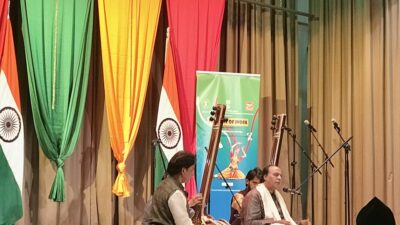
ख़्याल मुख्यत: समारोह, संगीत सभाओं, कॉन्सर्ट हॉलों और नृत्य आयोजनों में गाया जाता है। यह दरबार में तो गाया जाता ही था, लेकिन अब यह एक सार्वजनिक प्रदर्शन विधा है।
अंग्रेज़ी में पढ़ें · Read in English
Khayal is performed in concerts, musical gatherings, concert halls, and cultural events. Once performed in royal courts, it is now a public concert form.
श्रोता
शास्त्रीय संगीत के प्रशिक्षित श्रोता, संगीत प्रेमी, और सांस्कृतिक कार्यक्रमों में शामिल दर्शक।
अंग्रेज़ी में पढ़ें · Read in English
Trained listeners of classical music, music enthusiasts, and audiences at cultural events.
अवसर
हर मौसम और समय के लिए उपयुक्त। विशेषत: समारोह, पूजा-आरती, और सांस्कृतिक कार्यक्रमों में।
अंग्रेज़ी में पढ़ें · Read in English
Suitable for any season and time. Particularly at festivals, religious ceremonies, and cultural programs.
घराना
नृत्य-संबंध
उस्ताद
Mastersमहान कलाकार
समकालीन कलाकार
फ़िल्म-संगीत में
In Film Musicविवरण
बॉलीवुड ने ख़्याल को फ़िल्मों में अक्सर दिखाया है। कई प्रसिद्ध फ़िल्मों में ख़्याल-आधारित गीत हैं जो शास्त्रीय संगीत की सुंदरता को आधुनिक दर्शकों तक पहुँचाते हैं।
अंग्रेज़ी में पढ़ें · Read in English
Bollywood has often featured khayal in films. Many famous films contain khayal-inspired songs that bring classical music's beauty to modern audiences.
अनुकूलन
फ़िल्मों में ख़्याल को सरल और अधिक लोकप्रिय बनाया गया है। अलाप को छोटा किया गया है, लेकिन राग की मूल संरचना को बनाए रखा गया है। कई फ़िल्मी गीत ख़्याल के अंग का उपयोग करते हैं।
अंग्रेज़ी में पढ़ें · Read in English
Films have simplified khayal for broader appeal. Alap is shortened, but the raag's essential structure is maintained. Many film songs use elements of khayal.
प्रसिद्ध फ़िल्मी उदाहरण
परंपरा
Parampara Connectionसांस्कृतिक महत्व
Cultural Significanceख़्याल भारतीय संस्कृति का एक अविभाज्य अंग है। यह केवल संगीत नहीं है, बल्कि एक दार्शनिक दृष्टिकोण भी है जो मानव अभिव्यक्ति और आंतरिक शक्ति को महत्व देता है। ख़्याल सुनने से श्रोता को मानसिक शांति, भावनात्मक संतुष्टि और आध्यात्मिक उन्नति मिलती है। इसे सुनना एक ध्यान का अनुभव है।
अंग्रेज़ी में पढ़ें · Read in English
Khayal is an integral part of Indian culture. It is not merely music but also a philosophical approach that values human expression and inner power. Listening to khayal brings mental peace, emotional satisfaction, and spiritual elevation to the listener. It is a meditative experience.
सुनने का मार्गदर्शन
The Listening Guideख़्याल को सुनने के लिए धैर्य और गहरा ध्यान आवश्यक है। शुरुआत में अलाप को ध्यान से सुनें — यह राग की कहानी बताता है। फिर जब बंदिश (गीत) आए तो उसके शब्दों और राग के संयोजन को महसूस करें। तान जब आएँ तो गायक की तकनीकी कुशलता की प्रशंसा करें। हर क्षण का अपना महत्व है। धीरे-धीरे आप ख़्याल की गहराई को समझने लगेंगे।
अंग्रेज़ी में पढ़ें · Read in English
Listening to khayal requires patience and deep focus. First, listen carefully to the alap — it tells the raag's story. When the bandish (composition) comes, feel the combination of lyrics and raag. When taans arrive, appreciate the singer's technical skill. Each moment has its own significance. Gradually, you will understand khayal's depth.
श्रवण-कक्ष · The Listening Room
देखें-सुनें
ख़्याल की प्रस्तुति — राग जोगकौंस · ओमकार दादरकर · 4:35
भीमसेन जोशी की सुबह की ख़्याल प्रस्तुति · भीमसेन जोशी · 1:41:41
अन्य विवरण
More DetailsForm
Khayal has a well-developed and sophisticated structure. It centers on a composition (bandish or chiz) which serves as the foundation for the singer's creative exploration. Khayal is usually performed in two parts — first Bada Khayal (slow tempo) and then Chota Khayal (fast tempo). Techniques like alap, taan, murki, and lahari are employed to showcase the raga's possibilities.
और जानें
More to Know- अनुशंसित श्रवण · Recommended Listening
Recommended Listening
रोचक तथ्य
Margin Notesख़्याल शब्द फ़ारसी भाषा से आया है, जिसका अर्थ है 'कल्पना' या 'विचार'। यह नाम इसलिए दिया गया क्योंकि इसमें गायक को अपनी कल्पनाशक्ति को पूरी तरह से व्यक्त करने की स्वतंत्रता होती है। यह ध्रुपद से इसलिए अलग है क्योंकि ध्रुपद में गायक को बहुत कठोर संरचना का पालन करना पड़ता है, जबकि ख़्याल में यह स्वतंत्रता अधिक होती है।
The word 'Khayal' comes from Persian, meaning 'imagination' or 'thought'. It was named this because the singer has complete freedom to express their imagination. It differs from Dhrupad in that Dhrupad requires rigid adherence to structure, while Khayal allows more freedom.
एक ही ख़्याल को अलग-अलग गायक अलग-अलग तरीके से गाते हैं। प्रत्येक घराना अपनी विशेष शैली (अंग) विकसित करता है। ग्वालियर घराना स्पष्ट और सीधा अलाप देता है, जबकि आगरा घराना अधिक जटिल तान देता है। यह विविधता ख़्याल की सुंदरता है।
The same khayal is sung differently by different singers. Each gharana develops its own unique style. Gwalior is known for clear alap, while Agra is known for complex taans. This diversity is the beauty of khayal.
बड़ा ख़्याल और छोटा ख़्याल का अनुपात महत्वपूर्ण है। परंपरागत रूप से एक पूरे प्रदर्शन में पहले बड़ा ख़्याल (धीमा) गाया जाता है, फिर छोटा ख़्याल (तेज़) गाया जाता है। यह क्रम श्रोताओं को एक तरंग जैसा अनुभव कराता है।
The ratio of Bada and Chota Khayal is important. Traditionally, Bada Khayal (slow) is performed first, followed by Chota Khayal (fast). This sequence creates a wave-like experience for listeners.
ख़्याल में गायक का व्यक्तित्व बहुत महत्वपूर्ण है। विभिन्न गायकों के पास विभिन्न आवाज़ें, शैलियाँ और पद्धतियाँ होती हैं। कुछ गायक तान पर ज़्यादा ध्यान देते हैं, कुछ भाव पर। यह विविधता संगीत को समृद्ध करती है।
The singer's personality is very important in khayal. Different singers have different voices, styles, and approaches. Some focus more on taans, others on emotions. This diversity enriches music.
ख़्याल को सीखने में 10-15 साल का समय लग सकता है। यह एक गहन संगीत विधा है जिसमें कड़ी मेहनत, धैर्य और गुरु के प्रति समर्पण की आवश्यकता होती है। एक कुशल ख़्याल गायक को राग, ताल, शास्त्र, भाषा — सब कुछ की गहन समझ होनी चाहिए।
Learning khayal can take 10-15 years. It is a deep musical form requiring hard work, patience, and dedication to the guru. A skilled khayal singer must understand raag, taal, music theory, language — everything deeply.
क्या आप जानते हैं?
Did You Knowक्या आप जानते हैं कि ख़्याल का अलाप गणितीय नियमों पर आधारित होता है? राग के प्रत्येक स्वर का एक विशेष क्रम और महत्व है। गायक यह क्रम जानता है, लेकिन उसे अपने अलाप में एक नई प्रस्तुति देता है।
Did you know that the alap in khayal is based on mathematical principles? Each note of the raag has a specific sequence and importance. The singer knows this order but presents it in a new way.
भीमसेन जोशी अपने दिल से ख़्याल गाते थे, न कि अपनी तकनीक से। वे कहते थे कि ख़्याल सुनने वाले के दिल को छूना चाहिए, न कि केवल कान को। यह दर्शन आज भी ख़्याल गायकों को प्रेरित करता है।
Bhimsen Joshi sang khayal from his heart, not from technique. He said khayal should touch the listener's heart, not just the ears. This philosophy still inspires khayal singers.
ख़्याल में तुम्हारा प्रदर्शन सिर्फ़ एक गीत नहीं है, बल्कि आपकी आत्मा की अभिव्यक्ति है। इसलिए दो प्रदर्शन कभी एक जैसे नहीं हो सकते। हर दिन, हर पल, हर दर्शक के लिए नया होता है।
Your khayal performance is not just a song, but an expression of your soul. That's why no two performances can be identical. Each day, each moment, each audience brings something new.
सूक्तियाँ
Words of the Masters“संगीत, विशेष रूप से ख़्याल, मानव की आत्मा को उद्धार देता है।”
“Music, especially khayal, liberates the human soul.”
— — भीमसेन जोशी, प्रसिद्ध ख़्याल गायक
“ख़्याल में नियम हैं, लेकिन नियम तोड़ने की स्वतंत्रता भी है। यह नियम और स्वतंत्रता का संतुलन है।”
— — विद्वानों की परंपरागत कहावत“Khayal has rules, but also the freedom to break them. It is a balance between order and freedom.”
“ख़्याल को समझना अपने आप को समझना है।”
“Understanding khayal is understanding yourself.”
— — समकालीन संगीत सिद्धांतकार
अनुशंसित श्रवण
Recommended Listeningसवाल-जवाब
Questions & Answersख़्याल क्या है?
ख़्याल हिंदुस्तानी शास्त्रीय संगीत की सबसे महत्वपूर्ण गायन विधा है। इसमें गायक एक निश्चित राग के अंतर्गत रहते हुए अपनी कल्पनाशक्ति को पूर्ण रूप से व्यक्त कर सकता है। प्रत्येक ख़्याल प्रदर्शन अलग और अद्वितीय होता है।
ख़्याल का इतिहास क्या है?
ख़्याल का विकास 13वीं-18वीं सदी में हुआ। दिल्ली के सुल्तानों के दरबार में अमीर खुसरौ और बाद में सदारंग जैसे महान संगीतज्ञों ने इसे विकसित किया। यह ध्रुपद से अधिक स्वतंत्र और नई शैली है।
ख़्याल सुनने के लिए क्या आवश्यक है?
ख़्याल को सुनने के लिए धैर्य, ध्यान और राग की बुनियादी समझ आवश्यक है। शुरुआत में अलाप को ध्यान से सुनें, फिर बंदिश में आएं, और अंत में तान का आनंद लें। कुछ प्रदर्शन 1-2 घंटे तक चल सकते हैं।
इतिहास
The Historyउत्पत्ति — 13वीं-18वीं सदी Origin
ख़्याल का विकास दिल्ली सल्तनत के काल में हुआ। अमीर खुसरौ को इसके विकास में महत्वपूर्ण भूमिका मानी जाती है। 15वीं-16वीं सदी में जौनपुर के सुल्तानों के दरबार में ख़्याल को प्रोत्साहन मिला। 18वीं सदी तक ख़्याल को अपना पूर्ण आकार मिल गया। सदारंग और अदारंग जैसे महान संगीतज्ञों ने दिल्ली के दरबार में इसे परिपूर्ण किया।
अंग्रेज़ी में पढ़ें · Read in English
Khayal developed during the Delhi Sultanate period. Amir Khusrau is credited with an important role in its development. During 15th-16th centuries, it received patronage in Jaunpur courts. By the 18th century, khayal had reached its full form. Great musicians like Sadarang perfected it in Delhi courts.
विकास-यात्रा · Evolution
- मध्यकालीन भारत (13वीं-16वीं सदी) इस काल में अमीर खुसरौ और अन्य दरबारी संगीतज्ञों ने नई संगीत शैलियों का विकास किया। ख़्याल का बीज इसी समय बोया गया, लेकिन अभी इसका पूर्ण विकास नहीं हुआ था। इसे ध्रुपद का एक रूप माना जाता था।
- मुगल काल (18वीं सदी) मुहम्मद शाह के दरबार में सदारंग ने ख़्याल को अपना पूर्ण और स्वतंत्र रूप दिया। इसी काल में ख़्याल एक महत्वपूर्ण शास्त्रीय विधा के रूप में स्वीकृत हुआ। दिल्ली और जौनपुर के अलावा अब यह अन्य क्षेत्रों में भी फैलने लगा।
प्रमुख पड़ाव · Key Milestones
- 1200 अमीर खुसरौ के संगीत नवाचार
- 1730 सदारंग द्वारा ख़्याल का परिपूर्णता
- 1900 ख़्याल का आधुनिकीकरण और प्रसार
नमूना-पट्टी
The Specimen Table| नाम | ख़्याल · Khayal |
|---|---|
| अन्य नाम | ख़्याल गायकी · ख्याल · छोटा ख़्याल · बड़ा ख़्याल |
| श्रेणी | शास्त्रीय |
| परंपरा | hindustani |
| काल | 13वीं-18वीं सदी |
| प्रकार | विधाएँ · Vidhas |
जुड़े हुए पन्ने
Connected Plates · The Graph Made Visibleअटलस में कोई पन्ना अकेला नहीं — इस विधा से जुड़े गीत, कलाकार, शास्त्र और कहानियाँ, सब यहाँ से खुलते हैं।
जुड़े विधाएँ · Vidhas
जुड़े थाट · Thaats
जुड़े बंदिशें · Compositions
साझा कीजिए · Share this Plate