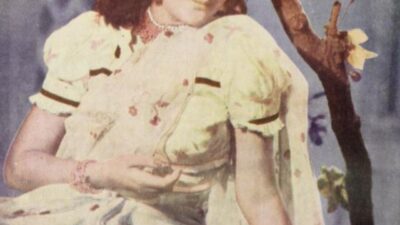
गीत विंग · गीत-पट्टिका · Song Plate
वो तो मेरे हुए मगर दुनिया मेरी हुई नहीं
Woh Toh Mere Huye Magar Duniya Meri Hui Nahin
'रामायणी' की गीत-सूची का सबसे मार्मिक शीर्षक: वो तो मेरे हुए, मगर दुनिया मेरी हुई नहीं।
भावमीठा-कड़वा · उदास
भाषाhindi
श्रेय
The Creditsसूत्र-वाक्य · The Hook
सूत्र-वाक्य
'रामायणी' की गीत-सूची का सबसे मार्मिक शीर्षक: वो तो मेरे हुए, मगर दुनिया मेरी हुई नहीं।
In EnglishThe most quietly devastating title in the Ramayani song list: he became mine, but the world never did.
पट्टिका-लेख
The Monographसंगीत The Music
'रामायणी' के लिए एस. एन. त्रिपाठी की रचना। रिकॉर्डिंग सुलभ नहीं और साज़-सज्जा का कोई समकालीन विवरण नहीं मिला, इसलिए इसकी धुन और वादन-चरित्र का वर्णन अनुमान के बजाय छोड़ दिया गया है।
अंग्रेज़ी में पढ़ें · Read in English
Composed by S. N. Tripathi for the Ramayani score. The recording is not accessible and no period description of the arrangement has been located, so its melodic and instrumental character is left undescribed rather than guessed at.
काव्य The Poetry
पूरा शीर्षक एक ही शब्द 'मगर' पर घूमता है, और पंक्ति का सारा अर्थ उसी मोड़ पर टिका है। पहला भाग प्रेमी की प्राप्ति स्वीकार करता है; दूसरा दुनिया की स्वीकृति छीन लेता है। यह हिंदी-उर्दू फ़िल्मी काव्य में सामाजिक रूप से बाधित प्रेम का शास्त्रीय ढाँचा है: निजी मिलन पूरा होता है और तत्काल अपर्याप्त सिद्ध हो जाता है, क्योंकि असली विरोधी 'ज़माना' है। बेकल की बनावट उर्दू ग़ज़ल के मुहावरे से सरल है, जो इसे सामाजिक नाटक के स्वर के अधिक निकट रखती है। केवल शीर्षक उद्धृत है; बोल रोके गए हैं।
अंग्रेज़ी में पढ़ें · Read in English
The title turns on a single adversative — magar, 'but' — and everything the line means sits in that hinge. The first half grants the lover's fulfilment; the second withdraws the world's consent. This is the classic architecture of the socially thwarted romance in Hindi-Urdu film verse: the private union is achieved and immediately shown to be insufficient, because zamana, the world, is the real antagonist. Bekal's construction is plainer than the Urdu ghazal idiom would be, which places it closer to the social-drama register. Only the title is quoted; the lyric is withheld.
कहानी The Story
'रामायणी' (1945) का निर्देशन सर्वोत्तम बादामी ने पूर्णिमा प्रोडक्शंस के लिए किया; संगीत एस. एन. त्रिपाठी का, बोल बेकल के, और गीत कोलंबिया रिकॉर्ड्स पर जारी हुए। मुख्य भूमिकाओं में पहाड़ी सान्याल, नरगिस, चंद्रमोहन और रोज़ मुस्लेह थे, तथा मोनी चटर्जी, कन्हैयालाल, प्रभा और अमीरबाई कर्नाटकी। 'एनसाइक्लोपीडिया ऑफ़ इंडियन सिनेमा' इस फ़िल्म को दर्ज करती है, और हेडी पॉवेल्स इसे विजय भट्ट की 'राम राज्य' (1943) के बाद बनी रामायण-आधारित फ़िल्मों में रखती हैं। किसी सुलभ स्रोत में कथानक सुरक्षित नहीं, इसलिए यह गीत किस दृश्य का है — यह अज्ञात है और यहाँ गढ़ा नहीं गया।
अंग्रेज़ी में पढ़ें · Read in English
Ramayani (1945) was directed by Sarvottam Badami for Purnima Productions, with S. N. Tripathi composing to Bekal's lyrics and the songs issued on Columbia Records. The cast was headed by Pahari Sanyal, Nargis, Chandra Mohan and Rose Musleah, with Moni Chatterjee, Kanhaiyalal, Prabha and Amirbai Karnataki. The Encyclopedia of Indian Cinema records the film, and Heidi Pauwels places it among the Ramayana adaptations that followed Vijay Bhatt's Ram Rajya (1943). No plot summary survives in any accessible source, so the scene this song belongs to is unknown and is not invented here.
विरासत The Legacy
यह शीर्षक इस अनसुलझे प्रश्न का सबसे ठोस आंतरिक प्रमाण है कि 'रामायणी' असल में किस तरह की फ़िल्म थी: यह सामाजिक मेलोड्रामा जैसा पढ़ा जाता है, भक्ति या पौराणिक लेखन जैसा नहीं — जो फ़िल्म के विकिपीडिया लेख की रामायण-रूपरेखा से मेल नहीं खाता और 1945 की फ़िल्मोग्राफ़ी के 'सामाजिक' वर्ग से सहज मेल खाता है।
अंग्रेज़ी में पढ़ें · Read in English
This title is one of the strongest pieces of internal evidence for the unresolved question of what kind of film Ramayani actually was: it reads as social melodrama, not as devotional or mythological writing, which sits awkwardly against the Ramayana framing given in the film's Wikipedia article and comfortably with the 'Social' genre tag in the 1945 filmography.
वर्गीकरण
ClassificationGenre
अन्य विवरण
More Details- https://en.wikipedia.org/wiki/Ramayani
- https://www.hindigeetmala.net/movie/ramayani.htm
- https://myswar.co/album/ramayani-1945
- https://en.wikipedia.org/wiki/List_of_Hindi_films_of_1945
- https://en.wikipedia.org/wiki/S._N._Tripathi
References
नमूना-पट्टी
The Specimen Table| शीर्षक | वो तो मेरे हुए मगर दुनिया मेरी हुई नहीं · Woh Toh Mere Huye Magar Duniya Meri Hui Nahin |
|---|---|
| फ़िल्म | रामायणी · 1945 |
| वर्ष · युग | 1945 |
| गीतकार | Bekal |
| संगीतकार | S. N. Tripathi |
| भाषा | hindi |
| भाव | मीठा-कड़वा · उदास |
| लोकप्रियता | Obscure |
| बोल-स्थिति | केवल झलक |
जुड़े हुए पन्ने
Connected Plates · The Graph Made Visibleअटलस में कोई पन्ना अकेला नहीं — इस गीत से जुड़े गीत, कलाकार, फ़िल्म, राग-ताल-विधा, सब यहाँ से खुलते हैं।
कलाकार · The Artists
फ़िल्म · The Film
साझा कीजिए · Share this Plate