गीत विंग · गीत-पट्टिका · Song Plate
ऊपर हो चाँद तारा नीचे जहान सारा
Upar Ho Chand Tara Neeche Jahan Sara
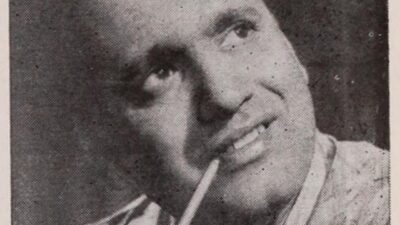
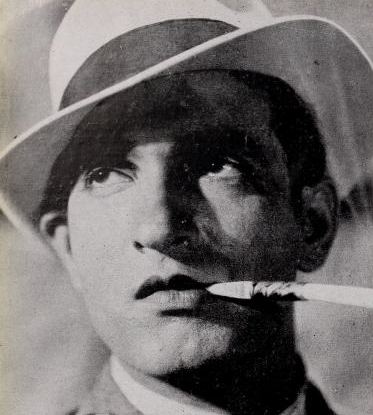
ऊपर चाँद-तारे, नीचे सारा जहान — प्रेम में पड़े दो स्कूल-शिक्षकों का रात्रि-युगल, सुरेंद्र और वनमाला पर फ़िल्माया गया, इससे पहले कि युद्ध उसे ले जाए।
भावआनंदित · शांत · रोमांटिक
भाषाhindi गतिमध्यम स्वरूपयुगल
श्रेय
The Creditsसूत्र-वाक्य · The Hook
सूत्र-वाक्य
ऊपर चाँद-तारे, नीचे सारा जहान — प्रेम में पड़े दो स्कूल-शिक्षकों का रात्रि-युगल, सुरेंद्र और वनमाला पर फ़िल्माया गया, इससे पहले कि युद्ध उसे ले जाए।
In EnglishThe moon and stars above, the whole world below — the night duet of two schoolteachers in love, picturised on Surendra and Vanmala before the war takes him away.
पट्टिका-लेख
The Monographपरिचय Overview
'ऊपर हो चाँद तारा नीचे जहान सारा' 'परिंदे' (1945) की रिकॉर्ड-सूची में तीसरा गीत है और फ़िल्म के दो सुरेंद्र-युगलों में से एक — साथ में वह स्त्री-पार्श्वस्वर, जिसे सूचियाँ 'श्रीमती घोष' के नाम से दर्ज करती हैं। यह फ़िल्म के पूर्वार्ध में सुरेंद्र और वनमाला पर फ़िल्माया गया है, नायक के भर्ती होने से पहले।
अंग्रेज़ी में पढ़ें · Read in English
'Upar Ho Chand Tara Neeche Jahan Sara' is the third song on the Parinde (1945) record listing and one of the film's two Surendra duets, sung with the female playback voice that the catalogues bill as Srimati Ghosh. It is picturised on Surendra and Vanmala as the couple in the film's first half, before the hero enlists.
संगीत The Music
यह गीत 1940 के दशक के मध्य का सीधा-सादा रूमानी युगल है: दो आवाज़ें बारी-बारी और फिर साथ, धुन संगत से कहीं आगे, और लय आरामदेह — तेज़ नहीं। सुरेंद्र पार्श्वगायन से पहले की पीढ़ी के अभिनेता-गायक थे — सुगम-शास्त्रीय तालीम वाली आवाज़, जो परदे पर उन्हीं की थी — और गोबिंद राम उसी सीमा और उसी ताक़त के लिए लिखते हैं, स्वर-पंक्ति को गाने योग्य और केंद्र में रखते हुए। संगीतकार पर लिखा गया लेखन उन्हें लाहौर में प्रशिक्षित, 1940 के दशक के पंजाब घराने के संगीतकार के रूप में देखता है, जिनका काम खुले तौर पर पंजाबी मुहावरे में नहीं, उस दौर की मुख्यधारा में बैठता था। संयोजन का ब्योरा कहीं दर्ज नहीं है और यहाँ गढ़ा नहीं गया है।
अंग्रेज़ी में पढ़ें · Read in English
The song is a straightforward romantic duet of the mid-1940s type: two voices trading and then joining, the melody carried well forward of the accompaniment, the tempo comfortable rather than fast. Surendra was an actor-singer of the pre-playback generation — a trained light-classical voice used on screen in his own person — and Gobind Ram writes for that limitation and that strength, keeping the line singable and central. Writing on the composer describes him as a Lahore-trained musician of the 1940s Punjab school whose work sat in the mainstream of the period rather than in an overtly Punjabi idiom. The particulars of the arrangement are not documented and are not invented here.
काव्य The Poetry
शीर्षक एक सरल ऊर्ध्व-ढाँचा खड़ा करता है — ऊपर चाँद और तारा, नीचे सारा जहान — और दोनों प्रेमियों को बीच में रख देता है। यह भारतीय प्रेम-काव्य की सबसे पुरानी चालों में से है और यहाँ इसका एक ख़ास काम है: आकाश वह साझी चीज़ है, दृश्य का वही हिस्सा जो तब भी रहेगा जब एक बर्मा सीमा पर होगा और दूसरी घर पर। जिस फ़िल्म का पूरा उत्तरार्ध बिछोह का है, उसमें ऐसा युगल जो प्रेमियों को उन दोनों से बड़ी कोई साझी ज़मीन सौंप देता है, महज़ दृश्य-सज्जा नहीं है। 'जहान' शब्द — दुनिया, और उर्दू-हिंदी प्रयोग में समूची सृष्टि — प्रेमियों के छोटे निजी क्षण को किसी बहुत बड़ी चीज़ के भीतर बिठा देता है, बिना गीत को यह कहे।
अंग्रेज़ी में पढ़ें · Read in English
The title sets up a simple vertical frame — moon and star above, the whole world below — and puts the two lovers in between. It is one of the oldest moves in Indian love lyric and it is doing specific work here: the sky is the shared thing, the one part of the scene that will still be there when one of them is at the Burma frontier and the other is at home. In a film whose whole second half is about separation, a duet that hands the couple a piece of common ground larger than either of them is not just scene-setting. The word jahan — world, and in Urdu-Hindi usage also the whole of creation — lets the couple's small private moment sit inside something very big without the lyric having to say so.
कहानी The Story
फ़िल्म में अशोक (सुरेंद्र) और श्यामा (वनमाला) एक ही स्कूल के शिक्षक हैं; कहानी उन्हें परिचय से सगाई तक पहुँचा देती है, और यह छलाँग बची हुई प्रति में समझाई नहीं जाती — यह युगल गीत उसी हिस्से का है। इसके बाद जो कुछ होता है वह इसे उलट देता है: अशोक भर्ती होता है, पायलट का प्रशिक्षण लेता है और बर्मा मोर्चे पर तैनात होता है; जापानी टुकड़ी द्वारा माता-पिता के मारे जाने के बाद वह नीला (सितारा देवी) को बचाता है; और नीला, उस डॉक्टर के साथ मिलकर जो ख़ुद श्यामा को चाहता है, श्यामा को यक़ीन दिला देती है कि अशोक किसी और से विवाह करने वाला है। इसलिए यह रात्रि-युगल फ़िल्म का सबसे निश्चिंत क्षण है — युद्ध और कालाबाज़ारी की हर उलझन से पहले रखा हुआ।
अंग्रेज़ी में पढ़ें · Read in English
In the film, Ashok (Surendra) and Shyama (Vanmala) are teachers at the same school; the story moves them from acquaintance to an understood engagement in a jump the surviving print does not explain, and this duet belongs to that stretch. Everything that follows undoes it: Ashok enlists, is trained as a pilot and posted to the Burma front; he rescues Neela (Sitara Devi) after a Japanese patrol kills her parents; and Neela, with the doctor who wants Shyama for himself, convinces Shyama that Ashok is about to marry someone else. The night duet is therefore the film's high-water mark of ease, placed before every complication that the war and the black market bring.
विरासत The Legacy
फ़िल्म चलन से बाहर है और उसका प्रिंट क्षतिग्रस्त, पर यह गीत इसलिए नज़र में बना रहा कि नवंबर 2017 में इसे 'अतुल्स सॉन्ग अ डे' पर लिया गया — 'परिंदे' के केवल चार गीत ही वहाँ पहुँचे हैं, यह उनमें से एक है। जिस संग्राहक-अभिलेख में फ़िल्म का ऑडियो है, वह इस शीर्षक को दो बार दर्ज करता है — तीसरे और आठवें-अ स्थान पर — जिससे लगता है कि रिकॉर्ड पर यह गीत दो हिस्सों या दो टेक में था। इसकी व्याख्या कहीं नहीं मिलती, और यह एल्बम के बारे में बची हुई छोटी अनसुलझी बातों में से एक है।
अंग्रेज़ी में पढ़ें · Read in English
The film is out of circulation and its print is damaged, but this song has stayed in view because it was covered on Atul's Song A Day in November 2017 — one of only four Parinde songs ever to appear there. The collectors' archive that holds the film's audio lists this title twice, at positions three and eight-a, suggesting the record carried the song in two parts or in two takes — a detail that has not been explained anywhere consulted, and one of the small unresolved facts about the album.
वर्गीकरण
Classification- Tempo
- Medium
Genre
अन्य विवरण
More Details- https://www.hindigeetmala.net/movie/parinde.htm
- https://myswar.co/album/parinde-1945
- https://atulsongaday.me/tag/parinde/
- https://hindi-movies-songs.com/joomla/index.php/hindi-films/posted-songs/281-1945-parinde
- https://en.wikipedia.org/wiki/List_of_Hindi_films_of_1945
- https://atulsongaday.me/2017/11/23/oopar-ho-chaand-taara-neeche-jahaan-saara/
- https://www.millenniumpost.in/sundaypost/beacon/a-musical-genius--pt-gobind-ram-389824
References
रोचक तथ्य
Margin Notesफ़िल्म के ऑडियो के संग्राहक-अभिलेख में यह शीर्षक दो बार दर्ज है — ट्रैक 3 और फिर ट्रैक 8अ — जिससे लगता है कि रिकॉर्ड पर यह दो हिस्सों या दो टेक में था। देखे गए किसी स्रोत में इसका कारण नहीं बताया गया।
अंग्रेज़ी में पढ़ें · Read in English
The collectors' archive of the film's audio lists this title twice — as track 3 and again as track 8a — which suggests the record carried it in two parts or two takes. No source consulted explains the duplication.
स्त्री-स्वर पर सूचियाँ आपस में असहमत हैं: हिंदीगीतमाला 'श्रीमती घोष' को श्रेय देती है, माईस्वार सीधे अभिनेत्री वनमाला को, और फ़िल्म देखने वाले सदानंद कामथ गायिका को पारुल घोष बताते हैं तथा यह आश्चर्य दर्ज करते हैं कि वनमाला — जो ख़ुद अच्छी गायिका थीं — ने पार्श्वगायन क्यों लिया।
अंग्रेज़ी में पढ़ें · Read in English
Catalogues disagree about the female voice: HindiGeetMala credits Srimati Ghosh, MySwar credits the actress Vanmala directly, and Sadanand Kamath, who watched the film, identifies the singer as Parul Ghosh and notes his surprise that Vanmala — herself a capable singer — took playback at all.
हिंदीगीतमाला शीर्षक का रोमन रूप 'Upar Se Chand Tara' लिखती है, पर उसी पृष्ठ का देवनागरी शीर्षक 'ऊपर हो चाँद तारा नीचे जहान सारा' है — यही रूप यहाँ और माईस्वार में लिया गया है।
अंग्रेज़ी में पढ़ें · Read in English
HindiGeetMala romanises the title as 'Upar Se Chand Tara', but the Devanagari heading on the same page reads 'ऊपर हो चाँद तारा नीचे जहान सारा', which is the form used here and by MySwar.
नमूना-पट्टी
The Specimen Table| शीर्षक | ऊपर हो चाँद तारा नीचे जहान सारा · Upar Ho Chand Tara Neeche Jahan Sara |
|---|---|
| फ़िल्म | परिंदे · 1945 |
| वर्ष · युग | 1945 |
| गायक | Surendra, Srimati Ghosh |
| गीतकार | Rammurti Chaturvedi |
| संगीतकार | पंडित गोबिंद राम |
| स्वरूप | युगल |
| गति | मध्यम |
| भाषा | hindi |
| भाव | आनंदित · शांत · रोमांटिक |
| लोकप्रियता | Known |
| बोल-स्थिति | केवल झलक |
जुड़े हुए पन्ने
Connected Plates · The Graph Made Visibleअटलस में कोई पन्ना अकेला नहीं — इस गीत से जुड़े गीत, कलाकार, फ़िल्म, राग-ताल-विधा, सब यहाँ से खुलते हैं।
मिलते-जुलते गीत · Related Songs
कलाकार · The Artists
फ़िल्म · The Film
साझा कीजिए · Share this Plate