गीत विंग · गीत-पट्टिका · Song Plate
गाए जा तू गीत सुहाने
Gaye Ja Tu Geet Suhane
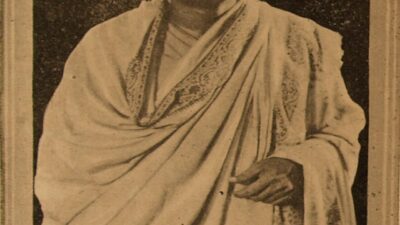
गाए जा — कौन किसी के मन की जाने — उन पंद्रह-सोलह हिंदी फ़िल्मी गीतों में से एक जो उत्पला सेन ने अपने पूरे कैरियर में रिकॉर्ड किए, और उनमें लगभग इकलौता जो पंकज मल्लिक के साथ नहीं बना।
भावमीठा-कड़वा · शांत · दार्शनिक
भाषाhindi गतिधीमी स्वरूपएकल महिला
श्रेय
The Creditsसूत्र-वाक्य · The Hook
सूत्र-वाक्य
गाए जा — कौन किसी के मन की जाने — उन पंद्रह-सोलह हिंदी फ़िल्मी गीतों में से एक जो उत्पला सेन ने अपने पूरे कैरियर में रिकॉर्ड किए, और उनमें लगभग इकलौता जो पंकज मल्लिक के साथ नहीं बना।
In EnglishSing on, whoever knows another's heart — one of only fifteen or sixteen Hindi film songs Utpala Sen recorded in her whole career, and almost the only one not made with Pankaj Mullick.
पट्टिका-लेख
The Monographपरिचय Overview
'वसीयतनामा' के लिए उत्पला सेन का एकल, जिसे हिंदीगीतमाला, माईस्वर और 'अतुल्स सॉन्ग अ डे' — तीनों बिना किसी मतभेद के उन्हीं के नाम देते हैं। 'अतुल्स सॉन्ग अ डे' पूरा मुखड़ा 'गाए जा तू गीत सुहाने, कौन किसी के मन की जाने' के रूप में देता है और बताता है कि उत्पला सेन ने हिंदी फ़िल्मों में बहुत कम गीत गाए — शायद पंद्रह या सोलह — और उनमें से अधिकांश पंकज मल्लिक के साथ, जिससे बोराल की यह रिकॉर्डिंग उनके छोटे-से काम में अपवाद बन जाती है।
अंग्रेज़ी में पढ़ें · Read in English
Utpala Sen's solo for Wasiyatnama, credited to her without dispute by hindigeetmala, MySwar and Atul's Song A Day. Atul's Song A Day gives the full opening as 'Gaaye jaa tu geet suhaane, kaun kisi ke mann ki jaane' and notes that Utpala Sen sang very few Hindi film songs — perhaps fifteen or sixteen — and sang most of them with Pankaj Mullick, which makes this Boral recording the outlier in a small body of work.
संगीत The Music
परदे की अभिनेत्री के लिए नहीं, बांग्ला सुगम-शास्त्रीय स्वर के लिए लिखा गया धीमा एकल — और यही इसे बाक़ी साउंडट्रैक से अलग करता है: छह में से तीन गीत गायक-अभिनेता उठाते हैं, और यह एक कास्ट के बाहर से बुलाई गई प्रशिक्षित गायिका को दिया गया है। 'सॉन्ग्स ऑफ़ योर' के 1945 सर्वेक्षण के एक पाठक ने इसे विशिष्ट बोराल-शैली कहकर अलग से गिनाया।
अंग्रेज़ी में पढ़ें · Read in English
A slow solo written for a Bengali light-classical voice rather than for a screen actress, which is what separates it from the rest of the soundtrack: three of the six songs are carried by actor-singers, and this one is given to a trained singer brought in from outside the cast. A reader of Songs of Yore's 1945 survey singled it out as typical Boral.
काव्य The Poetry
मुखड़े का दूसरा हिस्सा — कौन किसी के मन की जाने — ही असली धुरी है। यह प्रेमी की शिकायत नहीं, एक हारा हुआ, लगभग कहावत जैसा विचार है, और यह 'गाते रहो' के आदेश को उन लोगों के साथ जीने की सलाह में बदल देता है जिनकी नीयत तक आप कभी नहीं पहुँचेंगे। उस घर में जहाँ वसीयत बदली जा चुकी है और कोई कारण नहीं बता रहा, यह लगभग पूरी फ़िल्म का तर्क है।
अंग्रेज़ी में पढ़ें · Read in English
The second half of the opening line — who knows what is in anyone's heart — is the hinge. It is a resigned, almost proverbial thought rather than a lover's complaint, and it converts the instruction to keep singing into something closer to advice for living with people whose motives you will never get at. In a household where a will has been forged and nobody is saying why, it is close to the film's whole argument.
कहानी The Story
'वसीयतनामा' न्यू थिएटर्स, कलकत्ता में बनी, निर्देशन सौम्येन मुखर्जी का, और यह बंकिमचंद्र चट्टोपाध्याय के 1878 के बांग्ला उपन्यास 'कृष्णकांतेर उइल' का हिंदी रूपांतर है — एक बदली हुई वसीयत और एक विधवा के वर्जित लगाव से उजड़ता घर। छहों गीत आर.सी. बोराल ने रचे और सभी के बोल मुंशी ज़ाकिर हुसैन ने लिखे — वही जोड़ी जो उसी वर्ष न्यू थिएटर्स ने बिमल रॉय की 'हमराही' में लगाई थी। फ़िल्म का कोई प्रिंट प्रचलन में ज्ञात नहीं; गीत रिकॉर्ड पर बचे हैं।
अंग्रेज़ी में पढ़ें · Read in English
Wasiyatnama was made at New Theatres, Calcutta, directed by Soumyen Mukherjee, and is the studio's Hindi telling of Bankim Chandra Chattopadhyay's 1878 Bengali novel Krishnakanter Uil — a household destroyed by a tampered will and a widow's forbidden attachment. R.C. Boral composed the six songs and Munshi Zakir Hussain wrote all of them, the same lyricist-composer pairing New Theatres used that year on Bimal Roy's Hamrahi. No print of the film is known to be in circulation; the songs survive on record.
विरासत The Legacy
संग्राहकों के लिए यही इस एलबम की दुर्लभ वस्तु है, क्योंकि उत्पला सेन की हिंदी फ़िल्मी सूची इतनी छोटी है। यह 'अतुल्स सॉन्ग अ डे' पर सितंबर 2017 में डाला गया, और 'सॉन्ग्स ऑफ़ योर' के 1945 सर्वेक्षण के एक पाठक ने इसे 'वसीयतनामा' के उन गीतों में गिनाया जो सुनने लायक़ हैं और जिन्हें सर्वेक्षण ने छोड़ दिया था।
अंग्रेज़ी में पढ़ें · Read in English
For collectors this is the rarity of the album, because Utpala Sen's Hindi film discography is so small. It was posted on Atul's Song A Day in September 2017, and a reader of Songs of Yore's 1945 round-up listed it among the Wasiyatnama numbers worth hearing that the survey itself had passed over.
वर्गीकरण
Classification- Tempo
- Slow
Genre
अन्य विवरण
More Details- https://www.hindigeetmala.net/movie/wasiatnama.htm
- https://myswar.co/album/wasiyatnama-1945
- https://www.songsofyore.com/best-songs-of-1945-and-the-winners-are/
- https://atulsongaday.me/2017/09/12/gaaye-jaa-tu-geet-suhaane-kaun-kisi-ke-man-ki-jaane/
References
नमूना-पट्टी
The Specimen Table| शीर्षक | गाए जा तू गीत सुहाने · Gaye Ja Tu Geet Suhane |
|---|---|
| फ़िल्म | वसीयतनामा · 1945 |
| वर्ष · युग | 1945 |
| गायक | उत्पला सेन |
| गीतकार | मुंशी ज़ाकिर हुसैन |
| संगीतकार | Rai Chand Boral |
| स्वरूप | एकल महिला |
| गति | धीमी |
| भाषा | hindi |
| भाव | मीठा-कड़वा · शांत · दार्शनिक |
| लोकप्रियता | Obscure |
| बोल-स्थिति | केवल झलक |
जुड़े हुए पन्ने
Connected Plates · The Graph Made Visibleअटलस में कोई पन्ना अकेला नहीं — इस गीत से जुड़े गीत, कलाकार, फ़िल्म, राग-ताल-विधा, सब यहाँ से खुलते हैं।
मिलते-जुलते गीत · Related Songs
कलाकार · The Artists
फ़िल्म · The Film
साझा कीजिए · Share this Plate