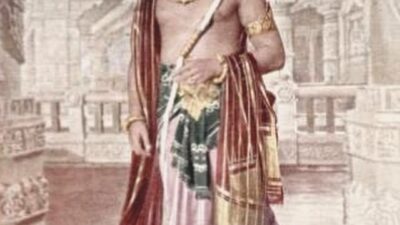
गीत विंग · गीत-पट्टिका · Song Plate
बीत गईं दुख की रातें
Beet Gayi Dukh Ki Raatein
दुख की रातें बीत गईं — उस संगीत में एकमात्र सीधा-सादा सांत्वना-शीर्षक, जो अन्यथा पूरा का पूरा दूरी पर बना है।
भावमीठा-कड़वा · प्रेरणादायक · शांत
भाषाhindi गतिमध्यम
श्रेय
The Creditsसूत्र-वाक्य · The Hook
सूत्र-वाक्य
दुख की रातें बीत गईं — उस संगीत में एकमात्र सीधा-सादा सांत्वना-शीर्षक, जो अन्यथा पूरा का पूरा दूरी पर बना है।
In EnglishThe nights of sorrow are over — the one straightforwardly consoling title in a score otherwise built on distance.
पट्टिका-लेख
The Monographपरिचय Overview
माईस्वर और हिंदीगीतमाला में 'बीत गई दुख की रातें' और सरेगामा के पुनःप्रकाशन में 'हाँ बीत गई दुख की रात' के नाम से दर्ज यह गीत इस साउंडट्रैक में दबाव के खुलने का क्षण है: यह घोषणा कि लंबी रातें आगे नहीं, पीछे रह गई हैं। इसका कोई गायन-श्रेय नहीं बचा, और फ़िल्म के गीतकार केवल फ़िल्म-स्तर पर तिकड़ी के रूप में दर्ज हैं, इसलिए यहाँ दोनों सूचियाँ खाली छोड़ी गई हैं।
अंग्रेज़ी में पढ़ें · Read in English
Catalogued as 'Beet Gayi Dukh Ki Raatein' by MySwar and HindiGeetMala and as 'Haan Beet Gai Dukh Ki Raat' on Saregama's reissue, this is the soundtrack's release of pressure: a declaration that the long nights are behind rather than ahead. No singer credit for it survives, and the film's lyricists are recorded only as a trio at film level, so both arrays are left empty here.
संगीत The Music
पुनःप्रकाशन में इसकी अवधि 3:13 है, जो इस एलबम के हिसाब से दो पूरे अंतरों की जगह वाले गीत का संकेत है। 'मेघदूत' में दासगुप्ता की लेखनी उसी सुगम-शास्त्रीय स्तर पर टिकी रहती है जिसे उन्होंने एचएमवी कलकत्ता में गढ़ा था — धुन आवाज़ उठाती है, संगत मामूली और स्थिर रहती है — और बचे हुए दस्तावेज़ों में ऐसा कुछ नहीं जो बताए कि यह गीत उससे अलग हटा हो।
अंग्रेज़ी में पढ़ें · Read in English
The reissue clocks it at 3:13, which on this album means a song with room for two full verses. Dasgupta's writing across Meghdoot stays in the light-classical register he had built at HMV Calcutta — melody carried by the voice, accompaniment kept modest and steady — and nothing in the surviving documentation suggests this number departed from it.
काव्य The Poetry
शीर्षक का अलंकारिक रूप — यह घोषणा कि पीड़ा समाप्त हो गई — वही रूप है जिसे हिंदी फ़िल्मी गीत मिलन या संकल्प के क्षणों में उठाता है, और यह 'मेघदूतम्' की मूल स्थिति का ठीक उलटा है, जहाँ विरह की रातें अभी गिनी जानी बाक़ी हैं। फ़िल्म ने इसे अंत के रूप में इस्तेमाल किया, एक पात्र द्वारा दूसरे को दी गई तसल्ली के रूप में, या बाद में वापस ली जाने वाली विडंबना के रूप में — यह तय नहीं किया जा सकता: 'मेघदूत' का कोई प्रिंट प्रचलन में नहीं है और दृश्य-स्तर का कोई दस्तावेज़ नहीं बचा।
अंग्रेज़ी में पढ़ें · Read in English
The rhetorical form of the title — an announcement that suffering has ended — is one that Hindi film songwriting reaches for at moments of reunion or resolve, and it is the exact inverse of the Meghadutam premise, where the nights of separation are still to be counted out. Whether the film used it as an ending, a reassurance offered by one character to another, or an irony to be withdrawn later, cannot be determined: no print of Meghdoot is known to circulate and no scene-level documentation survives.
कहानी The Story
'मेघदूत' कीर्ति पिक्चर्स के लिए देबकी बोस द्वारा किया गया कालिदास के 'मेघदूतम्' का रूपांतरण थी, जो अक्टूबर 1945 में शाहू मोडक और लीला देसाई के साथ प्रदर्शित हुई। कमल दासगुप्ता — वह संगीतकार जिन्होंने अपना लगभग पूरा करियर बंबई के बजाय एचएमवी के कलकत्ता स्टूडियो के भीतर बिताया — ने ग्यारह प्रलेखित गीत रचे, और फ़िल्म के तीन श्रेय-प्राप्त गीतकार — फ़ैयाज़ हाशमी, गौड़दास और पंडित नरोत्तम व्यास — सूचियों में गीत-दर-गीत नहीं बल्कि फ़िल्म-स्तर पर एक साथ दर्ज हैं।
अंग्रेज़ी में पढ़ें · Read in English
Meghdoot was Debaki Bose's adaptation of Kalidasa's Meghadutam for Kirti Pictures, released in October 1945 with Shahu Modak and Leela Desai in the leads. Kamal Dasgupta — a composer who spent almost his whole career inside HMV's Calcutta studio rather than in Bombay — wrote the eleven documented songs, and the film's three credited lyricists, Faiyyaz Hashmi, Gauddas and Pandit Narottam Vyas, are listed together at film level in the catalogues rather than song by song.
विरासत The Legacy
यह सरेगामा के डिजिटल पुनःप्रकाशन में उस शीर्षक से थोड़ा भिन्न नाम से बचा है जिसे हिंदी गीत-सूचियाँ इस्तेमाल करती हैं — 1945 के फ़िल्मी संगीत का दस्तावेज़ीकरण कितना अस्थिर है, इसका एक और छोटा उदाहरण। इसके अलावा इस गीत का कोई दर्ज उत्तरजीवन नहीं है।
अंग्रेज़ी में पढ़ें · Read in English
It survives on Saregama's digital reissue under a slightly different title from the one the Hindi song catalogues use — one more small illustration of how unstable the documentation of 1945 film music is. Beyond that the song has no recorded afterlife.
वर्गीकरण
Classification- Tempo
- Medium
Genre
अन्य विवरण
More Details- https://www.hindigeetmala.net/movie/meghdoot.htm
- https://myswar.co/album/meghdoot-1945
- https://en.wikipedia.org/wiki/List_of_Hindi_films_of_1945
- https://music.apple.com/us/album/meghdoot-original-motion-picture-soundtrack/1440302352
- https://www.hindigeetmala.net/song/beet_gayi_dukh_ki_rate.htm
References
रोचक तथ्य
Margin Notesसरेगामा का पुनःप्रकाशन इस गीत का श्रेय पार्श्वगायकों के नाम लेने के बजाय 'यक्ष और प्रिया' — यानी फ़िल्म के पात्रों — को देता है; यह आदत एलबम के कई गीतों में चलती है।
अंग्रेज़ी में पढ़ें · Read in English
Saregama's reissue credits this track to 'Yaksh & Priya' — the film's characters — instead of naming the playback singers, a habit that runs through several tracks on the album.
नमूना-पट्टी
The Specimen Table| शीर्षक | बीत गईं दुख की रातें · Beet Gayi Dukh Ki Raatein |
|---|---|
| फ़िल्म | मेघदूत · 1945 |
| वर्ष · युग | 1945 |
| संगीतकार | Kamal Dasgupta |
| गति | मध्यम |
| भाषा | hindi |
| भाव | मीठा-कड़वा · प्रेरणादायक · शांत |
| लोकप्रियता | Obscure |
| बोल-स्थिति | केवल झलक |
जुड़े हुए पन्ने
Connected Plates · The Graph Made Visibleअटलस में कोई पन्ना अकेला नहीं — इस गीत से जुड़े गीत, कलाकार, फ़िल्म, राग-ताल-विधा, सब यहाँ से खुलते हैं।
कलाकार · The Artists
फ़िल्म · The Film
साझा कीजिए · Share this Plate