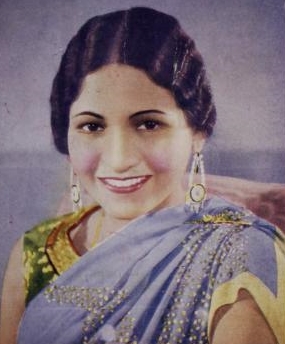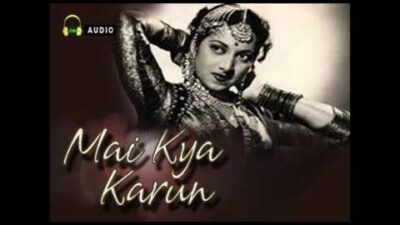
आज हँस हँस के दो दो बातें की हैं सनम ने हमारे
Aaj Hans Hans Ke Do Do Baatein Ki Hain Sanam Ne Hamare
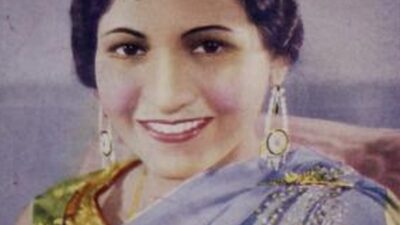
सिनेमा विंग · फ़िल्म-पट्टिका · Film Plate
Mai Kya Karun
शैलीSocial · Romance · Comedy · Musical
भाषाhindi प्रकारकथा-चित्र (फ़ीचर)
गीत8 — नीचे पूरी संगीत-सूची
दो ज़िद्दी पिता अपने नन्हे बेटे और बेटी का बचपन में ही ब्याह कर देते हैं, फिर आपस में ऐसा झगड़ते हैं कि रिश्ता ही तोड़ देते हैं; लड़की अपने पिता के घर लौटा दी जाती है और दोनों बच्चे अलग-अलग दुनियाओं में बड़े होते हुए एक-दूसरे की नज़रों से ओझल हो जाते हैं। वर्षों बाद वे अजनबियों की तरह मिलते हैं। नायक (आग़ा) नायिका (सुरैया) से प्रेम कर बैठता है, पर वह झिझकती है — क्योंकि उसे यही बताकर पाला गया है कि वह बालविधवा है। नायक बड़ी मुश्किल से उसे मना पाता है। तभी एक दूसरा सिरा पहले से उलझ जाता है: उसका मित्र उसकी बहन (हंसा वाडकर) से प्रेम करता है, और वही बहन नायिका की घनिष्ठ सहेली भी है। फ़िल्म का मध्य भाग इन्हीं चार पात्रों की आपसी ग़लतफ़हमियों और हास्यपूर्ण स्थितियों में बीतता है। अंत में गुत्थी सबकी संतुष्टि के साथ सुलझ जाती है, और फ़िल्म के शीर्षक का प्रश्न — 'मैं क्या करूँ?' — इस खुलासे से हल हो जाता है कि जिस विवाह को लेकर सब परेशान थे, वह तो बरसों पहले हो ही चुका था।
Two head-strong fathers marry their small son and daughter to each other in childhood, then fall out so completely that they sever the connection altogether; the girl is sent back to her father's house and the two children lose sight of one another as they grow up in separate worlds. Years later they meet as strangers. The young man (Agha) falls in love with the young woman (Suraiya), who holds back because she has been brought up to believe that she is a child widow — and it takes him the length of an act to talk her round. A second thread then tangles the first: his friend is in love with his sister (Hansa Wadkar), who is also the heroine's closest friend, and the four principals spend the middle of the picture at cross purposes in a run of comic misunderstandings. The knot is finally untied to everyone's satisfaction, and the film's title question — what am I to do? — is answered by the discovery that the marriage everybody has been agonising over was solemnised long ago.
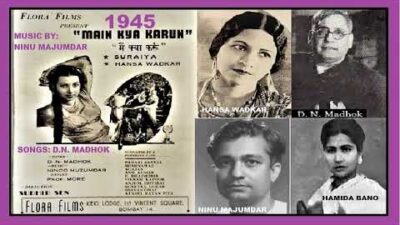
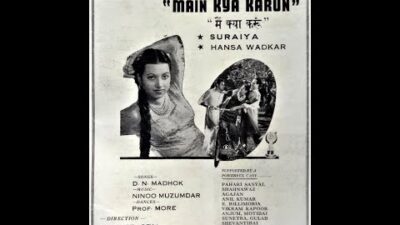
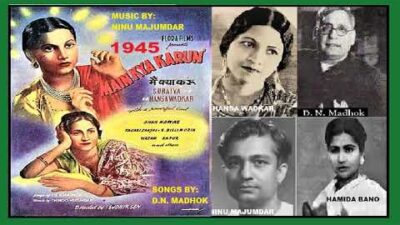
कुल आठ रिकॉर्डिंग, सभी नीनू मजूमदार की संगीत-रचना। इनमें सात के बोल डी. एन. माधोक ने लिखे; एक — 'ओ जनिया मानो हमारी' — रममूर्ति चतुर्वेदी ने। आवाज़ें हैं सुरैया की (पाँच रिकॉर्डिंग, जिनमें तीन एकल), हमीदा बानू की (पाँच), राजकुमारी की (एक निश्चित, और एक विवादित — नीचे देखें) और स्वयं संगीतकार की — मजूमदार ने हमीदा बानू के साथ युगल 'बामना की छोरी दिल ले गई हो' गाया, जो उनके अपने स्वर में रिकॉर्ड किए गए अट्ठाईस हिंदी फ़िल्मी गीतों में से एक है। एक गीत — 'आज हँस हँस के दो दो बातें की हैं सनम ने हमारे' — दो अलग-अलग रिकॉर्डिंग में मौजूद है: एक तेज़, प्रसन्न सुरैया–हमीदा बानू युगल और एक धीमा, उदास सुरैया एकल — 1940 के दशक की वह प्रचलित युक्ति जिसमें एक ही धुन को दो विपरीत भावों में चलाया जाता था। दो अन्य गीत — 'मय गुलगूँ है जवानी है' और 'ओ जनिया मानो हमारी' — नायक-नायिका के बजाय राजकुमारी और हमीदा बानू को मिले; इनमें से कोई गायिका कलाकार-सूची में नहीं है, इसलिए दोनों पार्श्व-स्वर में गाए गए। पहले को संग्राहक 'बार-डांस' गीत के रूप में दर्ज करते हैं; दूसरे के बारे में सूचीकर्ता ने केवल इतना कहा कि बोलों से लगता है दो स्त्रियाँ 'शायद' नाच रही हैं — यानी उसका चित्रांकन तय नहीं है। फ़िल्म में नृत्य-निर्देशक अवश्य था, जिसका नाम विज्ञापन में 'प्रो. मोरे' छपा। 'ओ जनिया मानो हमारी' का गायिका-श्रेय स्वयं विवादित है: हिंदीगीतमाला, मायस्वर और 2021 की एक संग्राहक-सूची अकेली हमीदा बानू को देती हैं, जबकि 2024 की वह संग्राहक-प्रविष्टि जो इसी रिकॉर्डिंग पर केंद्रित है, इसे राजकुमारी-हमीदा बानू का युगल बताती है। गीत-प्रविष्टि पर दोनों गायिकाएँ दर्ज हैं और वहाँ यह टकराव चिह्नित है।
Eight recordings, all composed by Ninu Majumdar. D. N. Madhok wrote seven of them; Rammurti Chaturvedi wrote one, 'O Janiya Mano Hamari'. The voices are Suraiya's (five recordings, three of them solos), Hamida Banu's (five), Rajkumari's (one certainly, and a second that is disputed — see below) and the composer's own — Majumdar sang the duet 'Bamna Ki Chhori Dil Le Gayi Ho' with Hamida Banu, one of the twenty-eight Hindi film songs he recorded in his own voice. One number, 'Aaj Hans Hans Ke Do Do Baatein Ki Hain Sanam Ne Hamare', exists in two distinct recordings — a brisk, cheerful Suraiya–Hamida Banu duet and a slower, sadder Suraiya solo — the standard mid-forties device of running one tune twice at opposite emotional temperatures. Two further numbers, 'Mai Gulgoon Hai Jawani Hai' and 'O Janiya Mano Hamari', went to Rajkumari and Hamida Banu rather than to the leads; neither singer is in the cast, so both were sung in playback. The first is indexed by collectors as a bar-dance number; for the second the cataloguer said only that the lyric suggests two women 'perhaps' dancing, so its staging is not established. The film did carry a dance director, billed in its advertisement as 'Prof. More'. The singer credit on 'O Janiya Mano Hamari' is itself disputed: HindiGeetMala, MySwar and a 2021 collector listing give Hamida Banu alone, while the 2024 collector post devoted to the recording gives it as a Rajkumari-Hamida Banu duet. Both singers are carried on the song entity with the conflict flagged there.

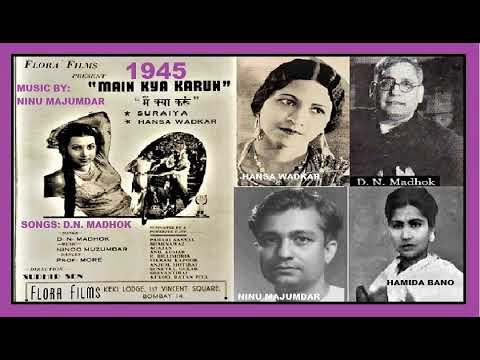
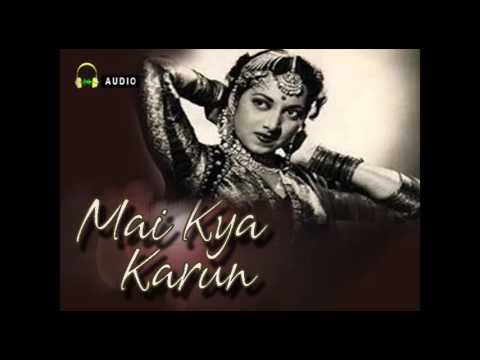
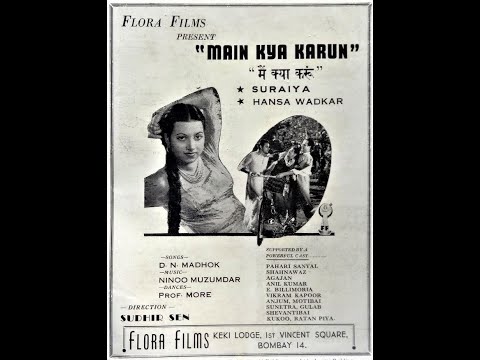

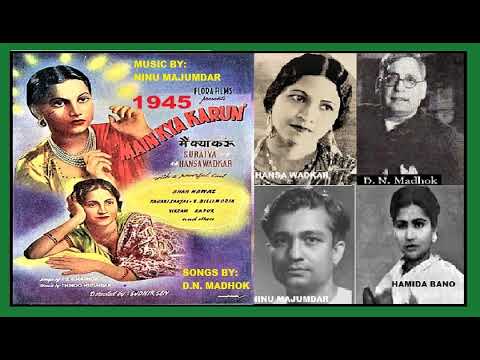
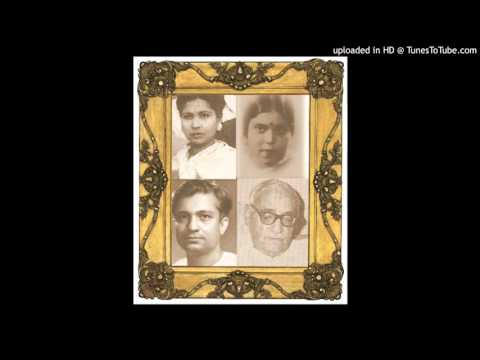
फ़्लोरा फ़िल्म्स बंबई का एक छोटा स्वतंत्र बैनर था; जिन स्रोतों को देखा गया उनमें इस बैनर की कोई दूसरी फ़िल्म नहीं मिली, और इसके निर्देशक सुधीर सेन का, सूचीपत्रों की प्रविष्टियों के अलावा, कोई दस्तावेज़ नहीं मिला। फ़िल्म के अख़बारी विज्ञापन में नृत्य-निर्देशक का नाम 'प्रो. मोरे' के रूप में, पहाड़ी सान्याल और शाह नवाज़ जैसे सहायक कलाकारों से भी मोटे अक्षरों में छपा था; जिस संग्राहक ने वह विज्ञापन पुनःप्रकाशित किया, उसने उन्हें के. एस. मोरे (मोराय/मोरे भी) बताया — वही नृत्य-निर्देशक जिनका विवाह कुक्कू से हुआ। कुक्कू स्वयं उसी विज्ञापन की कलाकार-सूची में 'कुकू' के नाम से दर्ज हैं। 'फ़िल्मइंडिया' ने अक्टूबर 1946 के अंक में, रिलीज़ के लगभग तीन महीने बाद, फ़िल्म की अनुकूल समीक्षा की और संवाद-लेखक की प्रशंसा की कि उसने एक साधारण विवाह-उलझन की कथा को तेज़-रफ़्तार वृत्तांत बना दिया। यद्यपि फ़िल्म 1945 की निर्मिति के रूप में दर्ज है और उसी वर्ष की मानक सूचियों में आती है, इसके लिए दर्ज रिलीज़ तिथि 12 जुलाई 1946 है — 1940 के दशक के मध्य में यह अंतर सामान्य था, जब सेंसर प्रमाणपत्र और वास्तविक प्रदर्शन में एक वर्ष तक का फ़ासला हो सकता था। संगीतकार नीनू मजूमदार नाटककार और मूक-फ़िल्म निर्माता नागेंद्र मजूमदार के पुत्र थे और उन्होंने उस्ताद फ़ैयाज़ ख़ाँ से प्रशिक्षण लिया था; उन्होंने फ़िल्म संगीत में अपना उद्देश्य यही बताया कि पुराने उस्तादों से लेकर उसमें शास्त्रीयता का स्पर्श लाया जाए।
Flora Films was a small independent Bombay banner; no other title by it was traced in the sources consulted, and no documentation of its director Sudhir Sen was found beyond catalogue listings. The film's newspaper advertisement billed a dance director, 'Prof. More', in type bolder than that used for supporting actors such as Pahari Sanyal and Shah Nawaz; the collector who reproduced that advertisement identifies him as K. S. More (also spelled Moray or Morey), the dance director who married Cuckoo. Cuckoo appears in the same advertisement's cast list, billed as 'Kukoo'. Filmindia reviewed the picture favourably in its October 1946 issue, some three months after release, commending the dialogue-writer for turning an ordinary marriage-tangle story into a fast-paced narrative. Although the film is catalogued as a 1945 production and appears in the standard lists for that year, the release date recorded for it is 12 July 1946 — a gap of the kind that was common in the mid-forties, when censor certification and actual release could fall a year apart. Ninu Majumdar, who scored it, was the son of the dramatist and silent-film producer Nagendra Mazumdar and had trained under Ustad Faiyaz Khan; he described his own ambition in film music as bringing a classical touch to it by borrowing from the old masters.
आज 'मैं क्या करूँ' का महत्व मुख्यतः दो कारणों से है — सुरैया और नीनू मजूमदार। फ़िल्म बनते समय सुरैया सोलह वर्ष की थीं, अपने करियर के आरंभिक वर्षों में, और उन फ़िल्मों से अभी एक-दो साल दूर — दर्द (1947), प्यार की जीत (1948), बड़ी बहन (1949) — जो उन्हें देश की सबसे अधिक पारिश्रमिक पाने वाली अभिनेत्री-गायिका बना देंगी। फ़्लोरा फ़िल्म्स की इस छोटी-सी सामाजिक फ़िल्म ने उन्हें नायिका की भूमिका दी और आठ में से पाँच रिकॉर्डिंग, जिनमें तीन एकल थे। यह नीनू मजूमदार के उन गिने-चुने पूर्ण संगीत-संकलनों में से भी एक है — शास्त्रीय प्रशिक्षण प्राप्त वह गुजराती संगीतकार जिन्होंने लगभग बीस हिंदी फ़िल्मों के लिए संगीत दिया और फिर सिनेमा छोड़कर आकाशवाणी चले गए, जहाँ दो दशकों से अधिक सुगम संगीत के निर्माता रहे और आज गुजराती सुगम संगीत के संस्थापकों में गिने जाते हैं। इस दृष्टि से यह एलबम एक ऐसे संगीतकार का दुर्लभ, आत्मनिर्भर नमूना है जिसकी ख्याति लगभग पूरी तरह सिनेमा के बाहर है। 'सॉन्ग्स ऑफ़ योर' के 1945 के पुनरावलोकन ने सुरैया के एकल 'आज हँस हँस के दो दो बातें' को उस वर्ष के दस श्रेष्ठ महिला एकल गीतों में रखा।
Mai Kya Karun matters today chiefly as a Suraiya record and as a Ninu Majumdar record. Suraiya was sixteen when it was made, a few years into her career and still a year or two short of the run of films — Dard (1947), Pyar Ki Jeet (1948), Badi Behen (1949) — that would make her the highest-paid actress-singer in the country; this modest Flora Films social gave her the female lead and five of the score's eight recordings, three of them solos. It is also one of the small handful of complete scores by Ninu Majumdar, the classically trained Gujarati composer who wrote for roughly twenty Hindi films and then left the industry for All India Radio, where he spent more than two decades producing light music and is now remembered above all as a founder of Gujarati sugam sangeet. The album is therefore a rare, self-contained sample of a musician whose reputation rests almost entirely outside cinema. Songs of Yore's retrospective survey of 1945 placed the Suraiya solo 'Aaj Hans Hans Ke Do Do Baatein' among the ten best female solos of that year.
फ़िल्म का कोई प्रिंट प्रचलन में होना ज्ञात नहीं है: जिन संग्राहकों ने इसके साउंडट्रैक पर काम किया, उनके पास हर गीत का केवल ऑडियो था और उन्होंने बार-बार लिखा कि किसी भी गीत का चित्रांकन वे तय नहीं कर सके। इसलिए यह आज अपनी आठ ग्रामोफ़ोन रिकॉर्डिंग के सहारे जीवित है। 1940 के दशक के फ़िल्मी संगीत के संग्राहकों के बीच इन गीतों की एक सीमित पर स्थायी उपस्थिति बनी रही। 'सॉन्ग्स ऑफ़ योर' के 1945 के वार्षिक पुनरावलोकन ने 'आज हँस हँस के दो दो बातें की हैं सनम ने हमारे' को उस वर्ष के स्मरणीय गीतों में गिना और सुरैया के एकल संस्करण को दस श्रेष्ठ महिला एकलों में रखा; संग्राहक-ब्लॉग 'अतुल्स सॉन्ग अ डे' ने 2013 से 2025 के बीच फ़िल्म के आठों गीतों पर लिखा, और अंतिम गीत रिकॉर्डिंग के अस्सी वर्ष बाद दर्ज किया। नीनू मजूमदार के लिए यह एलबम उस फ़िल्म-संगीतकार का सबसे पूर्ण बचा हुआ वक्तव्य है जिसने अंततः रेडियो चुना; और सुरैया के लिए यह उन आख़िरी फ़िल्मों में से एक है जो उनके सितारा बनने से पहले की हैं।
No print of the film is known to be in circulation: the collectors who worked through its soundtrack had only the audio of each side and said repeatedly that they could not establish how any of the songs was picturised. It therefore lives today through eight gramophone sides. Those have kept a modest afterlife among collectors of 1940s film music. Songs of Yore's year-end survey of 1945 listed 'Aaj Hans Hans Ke Do Do Baatein Ki Hain Sanam Ne Hamare' among the year's memorable songs and placed the Suraiya solo version among its ten best female solos; the collector blog Atul's Song A Day worked through all eight numbers between 2013 and 2025, finishing the last of them eighty years after the recording session. For Ninu Majumdar the album is the fullest surviving statement of a film composer who chose radio instead; for Suraiya it is one of the last titles from the years before she became a star.
| शीर्षक | मैं क्या करूँ · Mai Kya Karun |
|---|---|
| वर्ष · युग | 1945 — Pre Independence |
| निर्देशक | सुधीर सेन · Sudhir Sen |
| संगीत-निर्देशक | नीनू मजूमदार · Ninu Majumdar |
| गीतकार | डी. एन. माधोक · D. N. Madhok · रममूर्ति चतुर्वेदी · Rammurti Chaturvedi |
| कलाकार-मंडली | सुरैया · Suraiya · आग़ा · Agha · हंसा वाडकर · Hansa Wadkar · शाह नवाज़ · Shah Nawaz · बिक्रम कपूर · Bikram Kapoor · पहाड़ी सान्याल · Pahari Sanyal · एडी बिलिमोरिया · E. Billimoria · अनिल कुमार · Anil Kumar · सुनेत्रा · Sunetra · कुक्कू · Cuckoo |
| निर्माण-गृह | Flora Films, Bombay |
| शैली | Social · Romance · Comedy · Musical |
| भाषा | hindi |
| प्रकार | कथा-चित्र (फ़ीचर) |
| गीत | 8 गीत — ऊपर पूरी संगीत-सूची |
अटलस में कोई पन्ना अकेला नहीं — 'मैं क्या करूँ' से उसके गीत, कलाकार, राग और युग, सब जुड़े हैं।
साझा कीजिए · Share this Plate
Aaj Hans Hans Ke Do Do Baatein Ki Hain Sanam Ne Hamare
Aaj Hans Hans Ke Do Do Baatein (Solo Version)