सिनेमा विंग · फ़िल्म-पट्टिका · Film Plate
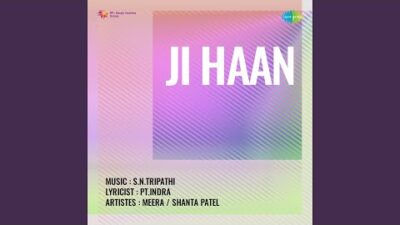
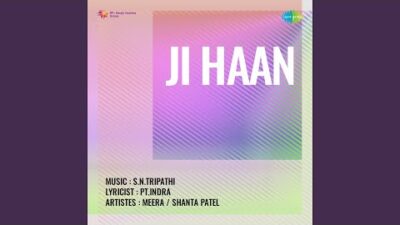
जी हाँ
Ji Haan
शैलीAction · Comedy · Stunt
भाषाhindi प्रकारकथा-चित्र (फ़ीचर)
गीत8 — नीचे पूरी संगीत-सूची
कथा-सार
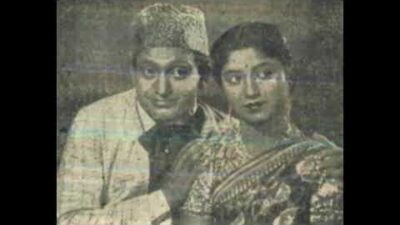
Synopsis'जी हाँ' 1945 की एक हिंदी स्टंट फ़िल्म है, जिसे बंबई की गौतम चित्र ने बनाया और जिसका निर्देशन एक जोड़ी ने किया — बाबूभाई मिस्त्री, और उनके साथ एक दूसरे निर्देशक, जिनका नाम indiancine.ma पर आर. वैद्य और एचएफ़जीके-आधारित ब्लॉग-अभिलेख में रमणिक भट्ट दर्ज है। मानक संदर्भ-साहित्य में इस फ़िल्म की कोई कथा-रूपरेखा नहीं बची, और न ही इसका कोई प्रिंट उपलब्ध होने की जानकारी है। जो दस्तावेज़ बचे हैं, वे मनोरंजन का ढाँचा ज़रूर बताते हैं। कलाकार-मंडली भगवान आबाजी पालव और हास्य-अभिनेता आग़ा के इर्द-गिर्द बनी थी — 1940 के दशक के बी-सर्किट के दो सबसे भरोसेमंद मज़दूर-वर्गीय हास्य-आकर्षण — जबकि गायन का भार शांता पटेल और मीरा पर था, और गुलाब, एस. नज़ीर, रज़िया, अज़ीमभाई तथा अनंत प्रभु सहायक भूमिकाओं में थे। फ़िल्म के आठ गीतों में से पाँच हास्य-गीत हैं — स्टंट फ़िल्म के मानकों से भी असामान्य रूप से बड़ा अनुपात — और उनके विषय एक ऐसी फ़िल्म का संकेत देते हैं जो रोमांच से कम नहीं, हँसी पर कहीं ज़्यादा टिकी थी: एक सट्टेबाज़ पति, एक ट्राम चलाने वाला प्रियतम, और एक साजन जो आगरा जाता है जबकि गाने वाली गुजरात।
अंग्रेज़ी में पढ़ें · Read in English
Ji Haan — 'Yes, sir' — is a 1945 Hindi stunt picture produced by Gautam Chitra of Bombay and directed by a pair, Babubhai Mistry working with a second director recorded as R. Vaidya by indiancine.ma and as Ramnik Bhatt in the HFGK-derived blog record. No plot summary of the film survives in the standard reference literature, and no print is known to be extant. What the surviving documentation does establish is the shape of the entertainment. The ensemble was built around Bhagwan Abhaji Palav and the comedian Agha, the two most dependable working-class comic draws of the 1940s B-circuit, with Shanta Patel and Meera carrying the singing and Gulab, S. Nazir, Raziya, Azeembhai and Anant Prabhu filling the supporting ranks. Of the film's eight songs, five are comic numbers — an unusually high proportion even for a stunt film — and their subjects, a husband who gambles, a lover who drives a Bombay tram, a beloved bound for Agra while the singer heads for Gujarat, describe a picture pitched at laughter at least as much as at thrills. Beyond that, the film is a title in a catalogue: an action-comedy of the low-budget circuit that the prestige studios did not compete in and the historians did not write down.
संगीत-सूची
The Soundtrackसभी आठ गीत पंडित इंद्र ने लिखे और एस. एन. त्रिपाठी ने स्वरबद्ध किए। आवाज़ों का बँटवारा इस श्रेणी की फ़िल्म के लिए असामान्य रूप से अच्छी तरह दर्ज है: शांता पटेल पाँच गाती हैं, मीरा दो, और आरंभिक गीत 'अपनी कहानी हाँ अपनी कहानी' एक कोरस रचना है जिसमें किसी व्यक्ति-विशेष का श्रेय नहीं। न शांता पटेल, न मीरा उस अर्थ में पार्श्वगायिका थीं जो अर्थ यह शब्द कुछ ही वर्षों बाद ग्रहण करने वाला था; दोनों स्टंट-सर्किट की अभिनेत्रियाँ थीं जो अपने ही गीत गाती थीं — यही कारण है कि ये गीत अलंकरण की ओर नहीं, बातचीत की सहजता की ओर झुके हुए हैं। आठ में से पाँच हास्य-गीत हैं। 'सजन जाये आगरा मैं जाऊँ गुजरात' पर चर्चा करते हुए Songs of Yore उस रिकॉर्डिंग में एक दूसरी, पुरुष आवाज़ सुनता है और बिना पुष्टि के सुझाता है कि वह स्वयं त्रिपाठी की हो सकती है, जो अपने ही संगीत में गाया करते थे। सारेगामा का कैटलॉग 31 दिसंबर 1945 की रिलीज़ के अंतर्गत सात शीर्षक देता है; 'मेरा पिया ट्राम चलावे' उस सूची में नहीं है पर एचएफ़जीके-आधारित गीत-सूचियों और Atul's Song A Day के अभिलेख में मौजूद है — आठ की गिनती वहीं से आती है।
अंग्रेज़ी में पढ़ें · Read in English
All eight songs were written by Pt. Indra and composed by S. N. Tripathi. The distribution of voices is unusually well documented for a film of this class: Shanta Patel sings five, Meera two, and the opening number 'Apni Kahani Haan Apni Kahani' is a chorus piece with no individual credit. Neither Shanta Patel nor Meera was a playback specialist in the sense the term acquired a few years later; both were actresses of the stunt circuit singing their own numbers, which is why the songs sit conversationally in the voice rather than reaching for ornament. Five of the eight are comic songs. Songs of Yore, discussing 'Sajan Jaye Agra Main Jaoon Gujarat', hears a second, male voice on that recording and suggests without confirming that it may be Tripathi himself, who did sing on his own scores. Saregama's catalogue lists seven titles under a 31 December 1945 release; 'Mera Piya Tram Chalave' is absent from that listing but appears in the HFGK-derived song lists and on the Atul's Song A Day archive, which is where the count of eight comes from.
- अपनी कहानी हाँ अपनी कहानी Apni Kahani Haan Apni Kahani
- हाय मेरा सैयाँ तो सट्टेबाज़ है Haye Mera Saiyan To Sattebaaz Hai स्वर: Meera
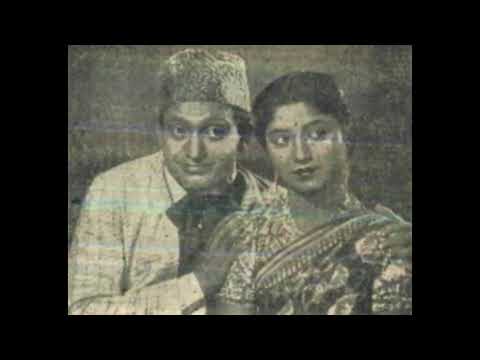
- इक पंछी प्यासा आया Ik Panchhi Pyasa Aaya स्वर: शांता पटेल
- कोई बोल रहा है क्या मन में Koi Bol Raha Hai Kya Man Mein स्वर: शांता पटेल
- मस्त जवानी आई Mast Jawani Aayi स्वर: शांता पटेल
- मेरा पिया ट्राम चलावे Mera Piya Tram Chalave स्वर: Meera
- मोरी अटरिया पे चमके बिजुरिया Mori Atariya Pe Chamke Bijuriya स्वर: शांता पटेल
- सजन जाये आगरा मैं जाऊँ गुजरात Sajan Jaye Agra Main Jaoon Gujarat स्वर: शांता पटेल
पट्टिका-लेख
The Monographपर्दे के पीछे Behind the Scenes
बाबूभाई मिस्त्री निर्देशन में कैमरा-विभाग से आए थे। वे बंबई के अग्रणी ट्रिक-फ़ोटोग्राफ़र थे, जिन्हें उन काले धागों के कारण 'काला धागा' कहा जाता था जिनसे वे चीज़ों को हवा में उड़ाते थे, और उन्होंने नानाभाई भट्ट के साथ फ़ियरलेस नाडिया की फ़िल्मों 'मुक़ाबला' (1942) और 'मौज' (1943) का सह-निर्देशन किया था — 'जी हाँ' में दिखने वाले आग़ा 'मुक़ाबला' में भी थे। मिस्त्री की अपनी प्रकाशित फ़िल्मोग्राफ़ी में 'जी हाँ' दर्ज ही नहीं है: यह श्रेय विकिपीडिया की 1945 की हिंदी फ़िल्मों की सूची, indiancine.ma और एचएफ़जीके-आधारित ब्लॉग-अभिलेख से आता है, जीवनी से नहीं; और सह-निर्देशक का नाम एक स्रोत में आर. वैद्य तथा दूसरे में रमणिक भट्ट है। भगवान उस समय 1938-49 के अपने स्वयं-निर्देशित स्टंट फ़िल्मों के दौर के बीच में थे और 'अलबेला' (1951) — वह फ़िल्म जिसने उन्हें राष्ट्रीय नाम बनाया — अभी छह साल दूर थी। Atul's Song A Day के योगदानकर्ता उस बजटीय तर्क की ओर ध्यान दिलाते हैं जिसने कास्टिंग तय की: उस दौर की एक स्टंट फ़िल्म लगभग एक लाख रुपये में पूरी की जा सकती थी, और उस हिसाब-किताब में उस युग की पेशेवर पार्श्व-आवाज़ें रखना शामिल नहीं था।
अंग्रेज़ी में पढ़ें · Read in English
Babubhai Mistry came to direction from the camera department. He was Bombay's leading trick photographer, nicknamed 'Kala Dhaga' for the black threads with which he made objects fly, and he had co-directed Muqabala (1942) and Mauj (1943) with Nanabhai Bhatt on the Fearless Nadia pictures — Agha, who appears in Ji Haan, had been in Muqabala too. Mistry's own published filmography does not list Ji Haan at all: the attribution comes from Wikipedia's index of 1945 Hindi films, from indiancine.ma and from the HFGK-derived blog record, not from the biography, and the co-director's name is given as R. Vaidya in one source and Ramnik Bhatt in another. Bhagwan, billed in the middle of his own 1938-49 run of self-directed stunt pictures for the working-class circuit, was still six years away from Albela (1951), the film that turned him into a national name. Contributors to the Atul's Song A Day archive note the budgetary logic that shaped the casting: a stunt film of this period could be brought in for something like a lakh of rupees, and hiring the era's professional playback voices was not part of that arithmetic.
महत्व Significance
'जी हाँ' का महत्व दो ऐसी बातों में है जिन्हें 1945 के मानक इतिहास छोड़ देते हैं। पहली है एस. एन. त्रिपाठी की शिक्षुता। त्रिपाठी (1913-1988) — वाराणसी में जन्मे, लखनऊ के पंडित वी. एन. भातखंडे के मॉरिस कॉलेज में प्रशिक्षित, और बंबई में पहली नौकरी बॉम्बे टॉकीज़ में सरस्वती देवी के सहायक वायलिन-वादक के रूप में — आज अपनी उन पौराणिक और वेशभूषा फ़िल्मों के लिए याद किए जाते हैं जो पंद्रह साल बाद आईं: संगीत सम्राट तानसेन, रानी रूपमती, लाल क़िला। लेकिन उन्होंने अपना हुनर ठीक इसी तरह की फ़िल्मों में सीखा, और 'जी हाँ' अकेले 1945 में दिए गए उनके चार संगीत-कार्यों में से एक है — 'आधार', 'बचपन' और 'रामायणी' के साथ। दूसरी बात है ख़ुद बी-सर्किट का अर्थशास्त्र: एक लाख रुपये के भीतर बनी फ़िल्म, प्रशिक्षित पार्श्वगायकों के बजाय अभिनेत्री-गायिकाओं से भरी, और उस दर्शक को बेची गई जिसकी परवाह प्रतिष्ठित बैनर नहीं करते थे। 1940 के दशक के बंबई सिनेमा की वह परत फ़िल्म के रूप में लगभग कहीं नहीं बची। जो बचा है वह ग्रामोफ़ोन का कैटलॉग है — और यहाँ आठ में से सात गीत रिकॉर्ड पर दबे और अस्सी साल बाद भी सारेगामा की सूची में दर्ज हैं।
अंग्रेज़ी में पढ़ें · Read in English
Ji Haan matters for two things that the standard histories of 1945 pass over. The first is S. N. Tripathi's apprenticeship. Tripathi (1913-1988) — born in Varanasi, trained at Pandit V. N. Bhatkhande's Marris College in Lucknow, and first employed in Bombay as a violinist assisting Saraswati Devi at Bombay Talkies — is remembered today for the mythologicals and costume films that came fifteen years later, Sangeet Samrat Tansen, Rani Roopmati, Lal Quila. But he learned his trade in exactly this kind of picture, and Ji Haan is one of four scores he delivered in 1945 alone, alongside Aadhar, Bachpan and Ramayani. The second is the economics of the B-circuit itself: a film financed inside a lakh of rupees, cast with actor-singers rather than trained playback voices, and sold on comedy and action to an audience the prestige banners did not court. Almost none of that stratum of 1940s Bombay cinema survives on film. What survives is the gramophone catalogue — and here seven of the eight songs were pressed and are still listed by Saregama eighty years on.
विरासत Legacy
'जी हाँ' फ़िल्म के रूप में नहीं बची और किसी प्रामाणिक सूची में शामिल नहीं है। इसका परवर्ती जीवन पूरी तरह गीत-सूची में है। इसके दो गीत पिछले दशक में अभिलेखीय ब्लॉग Atul's Song A Day ने खोजकर प्रकाशित किए — 'हाय मेरा सैयाँ तो सट्टेबाज़ है' अगस्त 2021 में और 'मेरा पिया ट्राम चलावे' जुलाई 2022 में — और तीसरे, 'सजन जाये आगरा मैं जाऊँ गुजरात', पर Songs of Yore ने एस. एन. त्रिपाठी के आरंभिक वर्षों के अपने सर्वेक्षण में चर्चा की है। इनमें व्यापक रुचि का सबसे मज़बूत दावा 'मेरा पिया ट्राम चलावे' का है। बंबई की ट्राम पर गीत दुर्लभ हैं, और जिस व्यवस्था की यह बात करता है वह 1870 के दशक से चली और 1964 में बंद कर दी गई; ट्राम चालक की स्त्री के दृष्टिकोण से गाया गया 1945 का एक हास्य-गीत शहर के परिवहन-इतिहास का वह टुकड़ा है जो संयोगवश एक स्टंट फ़िल्म के संगीत के भीतर सुरक्षित रह गया। 'जी हाँ' ने जो छोड़ा वह बस इतना है — और अपनी श्रेणी की फ़िल्म के लिए यह अधिकांश से अधिक ही है।
अंग्रेज़ी में पढ़ें · Read in English
Ji Haan has not survived as a film and belongs to no canon. Its afterlife is entirely in the song list. Two of its numbers have been recovered and published in the last decade by the archival blog Atul's Song A Day — 'Haye Mera Saiyan To Sattebaaz Hai' in August 2021 and 'Mera Piya Tram Chalave' in July 2022 — and a third, 'Sajan Jaye Agra Main Jaoon Gujarat', is discussed by Songs of Yore in its survey of S. N. Tripathi's vintage years. Of these, 'Mera Piya Tram Chalave' has the strongest claim on wider interest. Songs about the Bombay tram are rare, and the system it describes ran from the 1870s until the last trams were withdrawn in 1964; a 1945 comic number sung from the point of view of a tram driver's woman is a fragment of the city's transport history preserved by accident inside a stunt film's soundtrack. That is the whole of what Ji Haan left behind, and for a picture of its class it is more than most.
अन्य विवरण
More Details- https://www.hindigeetmala.net/movie/ji_haan.htm
- https://en.wikipedia.org/wiki/List_of_Hindi_films_of_1945
- https://www.saregama.com/album/ji-haan_119936
- https://myswar.co/album/ji-haan-1945
- https://atulsongaday.me/2021/08/12/haay-mora-sainyya-to-sattebaaz-hai/
- https://atulsongaday.me/2022/07/17/mera-piyaa-tram-chalaawe/
- https://www.songsofyore.com/sn-tripathi-part-1-the-vintage-years-a-multi-faceted-talent/
- https://indiancine.ma/EEK/info
- https://en.wikipedia.org/wiki/S._N._Tripathi
- https://en.wikipedia.org/wiki/Babubhai_Mistry
- https://en.wikipedia.org/wiki/Bhagwan_Dada
- https://en.wikipedia.org/wiki/Agha_(actor)
References
नमूना-पट्टी
The Specimen Table| शीर्षक | जी हाँ · Ji Haan |
|---|---|
| वर्ष · युग | 1945 — Pre Independence |
| निर्देशक | बाबूभाई मिस्त्री, आर. वैद्य · Babubhai Mistry, R. Vaidya |
| संगीत-निर्देशक | एस. एन. त्रिपाठी · S. N. Tripathi |
| गीतकार | पंडित इंद्र · Pandit Indra |
| कलाकार-मंडली | भगवान · Bhagwan · आग़ा · Agha · शांता पटेल · Shanta Patel · मीरा · Meera · गुलाब · Gulab · एस. नज़ीर · S. Nazir · रज़िया · Raziya · अज़ीमभाई · Azeembhai · अनंत प्रभु · Anant Prabhu |
| निर्माण-गृह | Gautam Chitra, Bombay |
| शैली | Action · Comedy · Stunt |
| भाषा | hindi |
| प्रकार | कथा-चित्र (फ़ीचर) |
| गीत | 8 गीत — ऊपर पूरी संगीत-सूची |
जुड़े हुए पन्ने
Connected Plates · The Graph Made Visibleअटलस में कोई पन्ना अकेला नहीं — 'जी हाँ' से उसके गीत, कलाकार, राग और युग, सब जुड़े हैं।
इस फ़िल्म के गीत · Songs of this Film
कलाकार · Cast & Crew
युग · The Era
साझा कीजिए · Share this Plate