गीत विंग · गीत-पट्टिका · Song Plate
ननदी हो ननदी कहाँ तोरे भैया
Nanadi Ho Nanadi Kaha Tore Bhaiya
एक ननद-भाभी की नोक-झोंक — 'ननदी, कहाँ तोरे भैया?' — परदेसी की घरेलू-संगीतमय सूची से।
भावचुलबुला
भाषाhindi गतिमध्यम स्वरूपयुगल
श्रेय
The Creditsसूत्र-वाक्य · The Hook
सूत्र-वाक्य
एक ननद-भाभी की नोक-झोंक — 'ननदी, कहाँ तोरे भैया?' — परदेसी की घरेलू-संगीतमय सूची से।
In EnglishA nanad-bhabhi banter song — 'sister-in-law, where is your brother?' — from Pardesi's domestic-musical roster.
पट्टिका-लेख
The Monographपरिचय Overview
परदेसी (1941) का एक गीत, संगीत खेमचंद प्रकाश का। इसका शीर्षक — दुल्हन अपनी ननद से पूछती है कि उसका भाई (दुल्हन का पति) कहाँ गया — इसे ननद-भाभी की घरेलू नोक-झोंक की परंपरा में दृढ़ता से रखता है, जो फ़िल्म के संगीत में बार-बार आती है। उपलब्ध स्रोतों में गायक और गीतकार के श्रेय दर्ज नहीं हैं।
अंग्रेज़ी में पढ़ें · Read in English
A song from Pardesi (1941), composed by Khemchand Prakash. Its title — the bride asking her sister-in-law where her brother (the bride's husband) has gone — places it firmly in the nanad-bhabhi domestic-banter tradition that recurs across the film's score. Singer and lyricist credits are not documented in the sources consulted.
काव्य The Poetry
ननद-भाभी के गीत की विधा चुटीली चुनौती और हँसोड़ उलाहने से चलती है: भाभी ननद से उसके भाई के ठिकाने का पता माँगती है। 'कहाँ तोरे भैया?' — तुम्हारा भाई कहाँ है? — में तत्काल एक ऐसी तीखास है जो अवधी-रंगी बोलचाल की हिंदी की है, न कि ग़ज़ल की साहित्यिक उर्दू की। 'तोरे' (तुम्हारे, अवधी/भोजपुरी अनुलेख) का प्रयोग इस गीत की लोक-शैली का संकेत देता है; बोली की अंतरंगता दो स्त्रियों के बीच की निकटता का इशारा है — हँसी-भरे उलाहने के भीतर भी। यह प्रश्न स्नेहपूर्ण खीझ का है: एक गंभीर आरोप नहीं बल्कि एक घरेलू छेड़खानी। खेमचंद प्रकाश इस तरह के बोल संगीतबद्ध करने में विशेष रूप से दक्ष थे — लोक-गीत रूपों की लयात्मक ऊर्जा और स्टूडियो-वाद्यवृंद को मिलाने की उनकी क्षमता ने ऐसे गीतों को एक साथ मिट्टी-से-जुड़ा और परिष्कृत बनाया। गीत का द्वंद्व-वर्गीकरण एक आह्वान-प्रतिसाद संरचना का सुझाव देता है, जिसमें दो महिला स्वर उलाहना और उसका जवाब बारी-बारी से देते हैं।
अंग्रेज़ी में पढ़ें · Read in English
The nanad-bhabhi lyric genre operates through playful challenge and mock complaint: the bhabhi (sister-in-law) interrogating the nanad (husband's sister) about her brother's whereabouts. 'Kaha tore bhaiya?' — where is your brother? — carries an immediate, banter-register sharpness, rendered in spoken Awadhi-flavoured Hindi rather than the literary Urdu of the ghazal tradition. The use of 'tore' (your, possessive, Awadhi/Bhojpuri inflection) rather than 'tumhare' signals the song's folk register; the intimacy of dialect signals closeness between the two women even within the comic complaint. The question itself is one of affectionate irritation: not a serious accusation but a domestic tease. Khemchand Prakash excelled at setting such lyrics — his ability to fuse the rhythmic energy of folk song forms with studio orchestration made songs like this feel simultaneously rooted and polished. The duet classification of this song suggests a call-and-response structure, the two women's voices trading the complaint and its deflection.
कहानी The Story
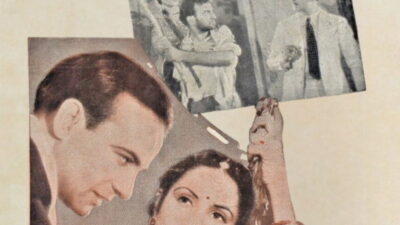
परदेसी (1941) खेमचंद प्रकाश के लिए एक महत्त्वपूर्ण फ़िल्म थी — एक बड़ी व्यावसायिक सफलता जिसने इस संगीतकार की प्रतिष्ठा और अभिनेत्री-गायिका खुर्शीद की लोकप्रियता दोनों को सुदृढ़ किया। फ़िल्म रणजीत मूवीटोन के दायरे में निर्मित थी — उस दौर के प्रमुख बंबई स्टूडियो में से एक — और इसमें मोतीलाल, खुर्शीद, स्नेहप्रभा प्रधान और ई. बिलीमोरिया थे। खेमचंद प्रकाश (12 दिसंबर 1907 – 10 अगस्त 1950) ने विविध गायकों का उपयोग किया: परदेसी के लिए दर्ज गायक-वृंद में खुर्शीद, स्नेहप्रभा प्रधान, कांतीलाल, ब्रिजमाला, केशरी, अनीस ख़ातून और बलवंत सिंह शामिल हैं — यह उस काल के उस चलन को दर्शाता है जिसमें अनेक पात्रों और मनोदशाओं के लिए अलग-अलग आवाज़ें नियुक्त की जाती थीं। 'ननदी हो ननदी कहाँ तोरे भैया' — ननद-भाभी की वह नोक-झोंक जो इस गीत का नाटकीय आधार है — उस लोक-झुकाव वाले ढंग में रचा गया होगा जिसे खेमचंद प्रकाश ने असाधारण सहजता से संभाला, ढोलक को मूल लयात्मक आधार के रूप में प्रयोग करते हुए।
अंग्रेज़ी में पढ़ें · Read in English
Pardesi (1941) was a landmark production for Khemchand Prakash, emerging as a major commercial hit and cementing both the composer's reputation and the actress-singer Khursheed's status as one of early Hindi cinema's most prominent female performers. The film was produced within the Ranjit Movietone orbit — one of the major Bombay studios of the period — and starred Motilal, Khursheed, Snehaprabha Pradhan and E. Billimoria. Khemchand Prakash (12 December 1907 – 10 August 1950) drew on a wide range of vocal talent: the documented singing roster for Pardesi includes Khursheed, Snehaprabha Pradhan, Kanti Lal, Brujmala, Keshri, Anees Khatoon and Balwant Singh, reflecting the period practice of distributing songs across many voices to serve varied characters and moods. 'Nanadi Ho Nanadi Kaha Tore Bhaiya' — the nanad-bhabhi exchange that forms this song's dramatic premise — would have been composed in the folk-inflected mode that Khemchand Prakash handled with particular facility, using the dholak as the foundational rhythmic support.
वर्गीकरण
Classification- Tempo
- Medium
Genre
अन्य विवरण
More Details- https://en.wikipedia.org/wiki/Khemchand_Prakash
- https://www.songsofyore.com/best-songs-of-khemchand-prakash/
- https://www.thequint.com/entertainment/the-forgotten-khemchand-prakash-who-gave-us-kishore-and-lata
- https://www.hindilyrics4u.com/movie/pardesi.htm
- https://myswar.co/album/pardesi-1941
References
रोचक तथ्य
Margin Notesपरदेसी (1941) एक बड़ी व्यावसायिक सफलता थी, जिसने ख़ुर्शीद को प्रारंभिक हिंदी सिनेमा की अग्रणी अभिनेत्री-गायिकाओं में से एक के रूप में स्थापित किया — इस फ़िल्म से उनका जुड़ाव उनके करियर का एक निर्णायक पड़ाव बना।
अंग्रेज़ी में पढ़ें · Read in English
Pardesi (1941) was a major commercial success that established Khursheed as one of the leading actress-singers of early Hindi cinema — her association with this film became a defining moment in her career.
खेमचंद प्रकाश (12 दिसंबर 1907 – 10 अगस्त 1950) का 42 वर्ष की आयु में यकृत सिरोसिस से निधन हो गया, जिससे उनका लगभग ग्यारह वर्षों का करियर समय से पहले समाप्त हो गया, जिसमें उन्होंने लगभग 45 फ़िल्मों के लिए संगीत रचा और लता मंगेशकर तथा किशोर कुमार दोनों को फ़िल्म उद्योग से परिचित कराया।
अंग्रेज़ी में पढ़ें · Read in English
Khemchand Prakash (12 December 1907 – 10 August 1950) died of liver cirrhosis aged 42, cutting short a career of approximately eleven years in which he composed for around 45 films and introduced both Lata Mangeshkar and Kishore Kumar to the film industry.
परदेसी की गायन-सूची में कम से कम सात अलग-अलग कलाकार शामिल थे — ख़ुर्शीद, स्नेहप्रभा प्रधान, कांति लाल, बृजमाला, केसरी, अनीस ख़ातून, बलवंत सिंह — जो 1940 के दशक की शुरुआत की उस परिपाटी को दर्शाता है, जिसमें कुछ चुनिंदा विशेषज्ञ पार्श्वगायकों पर निर्भर रहने के बजाय हर कथानक-स्थिति को अपनी अलग स्वर-पहचान दी जाती थी।
अंग्रेज़ी में पढ़ें · Read in English
Pardesi's singing roster of at least seven different performers — Khursheed, Snehaprabha Pradhan, Kanti Lal, Brujmala, Keshri, Anees Khatoon, Balwant Singh — reflects the early-1940s convention of assigning each narrative situation its own vocal identity rather than relying on a small group of specialist playback singers.
ननद-भाभी गीत परंपरा सीधे उत्तर प्रदेश और बिहार के सोहर तथा स्त्रियों के विवाह-गीत भंडार से ली गई है, जहां दुल्हन और उसकी ननद के बीच की छेड़छाड़ भरी बातचीत एक सामाजिक रूप से रचा-बसा और तुरंत पहचाना जाने वाला शैली-रूप है।
अंग्रेज़ी में पढ़ें · Read in English
The nanad-bhabhi lyric tradition draws directly from the Sohar and women's wedding-song repertoire of Uttar Pradesh and Bihar, where the teasing exchange between a bride and her sister-in-law is a socially embedded and instantly recognizable genre.
नमूना-पट्टी
The Specimen Table| शीर्षक | ननदी हो ननदी कहाँ तोरे भैया · Nanadi Ho Nanadi Kaha Tore Bhaiya |
|---|---|
| फ़िल्म | परदेसी · 1941 |
| वर्ष · युग | 1941 |
| संगीतकार | Khemchand Prakash |
| स्वरूप | युगल |
| गति | मध्यम |
| भाषा | hindi |
| भाव | चुलबुला |
| लोकप्रियता | Obscure |
| बोल-स्थिति | केवल झलक |
जुड़े हुए पन्ने
Connected Plates · The Graph Made Visibleअटलस में कोई पन्ना अकेला नहीं — इस गीत से जुड़े गीत, कलाकार, फ़िल्म, राग-ताल-विधा, सब यहाँ से खुलते हैं।
कलाकार · The Artists
फ़िल्म · The Film
साझा कीजिए · Share this Plate