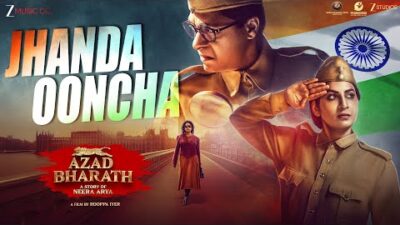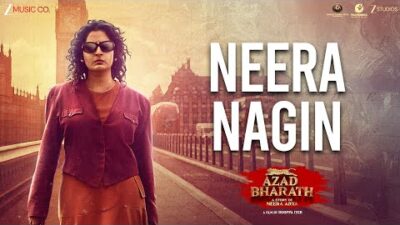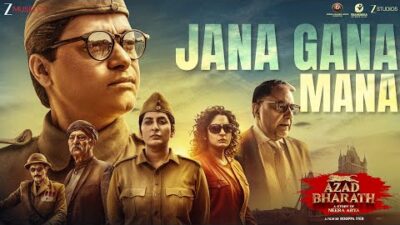
जन गण मन (आज़ाद भारत से)
Jana Gana Mana (from Azad Bharath)
अमृता फडणवीस, Gautham Srivatsa · Azad Bharath
गीत विंग · गीत-पट्टिका · Song Plate
Vande Mataram (from Azad Bharath)
स्वतंत्रता आंदोलन का रणघोष — रानी झाँसी रेजिमेंट की प्रार्थना बनकर।
भावभक्ति · प्रेरणादायक · Solemn
भाषाSanskrit / Bengali गतिStately स्वरूपयुगल
बोल · The Lyrics
कॉपीराइट के कारण केवल झलक — पूरे बोल आधिकारिक मंचों पर।
सूत्र-वाक्य · The Hook
स्वतंत्रता आंदोलन का रणघोष — रानी झाँसी रेजिमेंट की प्रार्थना बनकर।
In EnglishThe war cry of the independence movement, now a prayer for the Rani of Jhansi Regiment.
वन्दे मातरम् — मूलतः बंकिम चंद्र चट्टोपाध्याय द्वारा 1882 के उपन्यास 'आनंदमठ' में रचित — का यह 2025 संस्करण गौतम श्रीवत्स और स्वरूप खान ने 'आज़ाद भारत' (2026) के लिए रिकॉर्ड किया। वन्दे मातरम् भारत के स्वतंत्रता आंदोलन का नारा था, इसलिए INA पर बनी फ़िल्म में इसकी उपस्थिति ऐतिहासिक दृष्टि से अनिवार्य थी।
This 2025 arrangement of Vande Mataram — originally composed by Bankim Chandra Chatterjee and published in his 1882 novel Anandamath — was recorded by Gautham Srivatsa and Swaroop Khan for the patriotic film Azad Bharath (2026, Zee Studios). Vande Mataram served as the rallying cry of India's independence movement, making its inclusion in a film about the INA's Rani of Jhansi Regiment historically apt. Released December 2025 on Zee Music Company.
स्वरूप खान की लोक-मूल आवाज़ इस व्यवस्था में एक भूमि-जुड़ाव की ऊष्मा लाती है। गौतम श्रीवत्स ने सारंगी और तार-वाद्यों के साथ एक ऐसा संयोजन बनाया है जो 1940 के दशक की INA की पृष्ठभूमि के अनुरूप है।
Swaroop Khan's folk-rooted voice adds earthy warmth to what could otherwise be a formal choral arrangement. Gautham Srivatsa pairs him with his own voice to create a call-and-response texture, using sarangi and strings to give the arrangement an authentically period feel appropriate to the 1940s INA setting.
बंकिम चंद्र चट्टोपाध्याय का संस्कृत-बांग्ला पाठ भारत को एक माँ-देवी के रूप में संबोधित करता है — दस हथियारों वाली दुर्गा, वरदान देने वाली लक्ष्मी। INA द्वारा वन्दे मातरम् को युद्धघोष के रूप में अपनाने ने कविता की मातृ-छवि को एक सैन्य आयाम दिया।
Bankim Chandra Chatterjee's Sanskrit-Bengali text addresses India as a mother-goddess — Durga with her ten weapons, Lakshmi with her boons. The two preview lines describe the land's rivers (sujalam) and harvests (sufalam) — physical abundance as divine grace. The INA's use of Vande Mataram as their battle cry gave the poem's maternal imagery a military dimension: fighting for the Mother meant literal armed combat.
वन्दे मातरम् ने 1905 बंग-भंग आंदोलन के दौरान राजनीतिक महत्त्व पाया और भारत के स्वतंत्रता संग्राम का राष्ट्रगीत बना। द्वितीय विश्व युद्ध में दक्षिण-पूर्व एशिया में INA सैनिकों के रणघोष के रूप में इसका दस्तावेज़ी उपयोग इस फ़िल्म में इसकी उपस्थिति को ऐतिहासिक रूप से उचित ठहराता है।
Vande Mataram first gained political prominence during the 1905 Bengal Partition agitation and became the anthem of the Indian independence movement. Its use in Azad Bharath is anchored in its documented historical role as the INA soldiers' rallying cry in Southeast Asia during World War II.
वन्दे मातरम् भारत का राष्ट्रीय गीत है (राष्ट्रगान जन गण मन से अलग)। इसके फ़िल्मी संस्करणों में ए.आर. रहमान के प्रसिद्ध 2016 संस्करण से लेकर अनेक देशभक्ति रचनाएँ शामिल हैं।
Vande Mataram is India's national song (distinct from the national anthem Jana Gana Mana). Its film arrangements have ranged from A.R. Rahman's celebrated 2016 version to numerous patriotic productions. Each new arrangement adds to a rich palimpsest of recordings that trace the song's continuing cultural centrality.
'वंदे मातरम्' भारत का राष्ट्रगीत है; 'जन गण मन' राष्ट्रगान है — 'आज़ाद भारत' में दोनों शामिल हैं।
Vande Mataram is India's national song; Jana Gana Mana is the national anthem — Azad Bharath includes both
बंकिम चंद्र चटर्जी ने यह कविता अपने 1882 के उपन्यास 'आनंदमठ' में प्रकाशित की थी; उनका निधन 1894 में हुआ, जिससे यह रचना भारतीय कॉपीराइट क़ानून के तहत पूर्णतः सार्वजनिक डोमेन में आती है।
Bankim Chandra Chatterjee published the poem in his 1882 novel Anandamath; he died in 1894, making the text fully public domain under Indian copyright law
आज़ाद हिंद फ़ौज (आईएनए) ने 'वंदे मातरम्' को 'जय हिंद' के साथ अपने पूरक नारों के रूप में अपनाया — जो साथ मिलकर मातृभूमि के प्रति समर्पण और उसकी स्वतंत्रता के उत्सव को दर्शाते हैं।
The INA adopted Vande Mataram alongside Jai Hind as their complementary slogans — together representing devotion to the Motherland and celebration of her freedom
| शीर्षक | वन्दे मातरम् (आज़ाद भारत से) · Vande Mataram (from Azad Bharath) |
|---|---|
| फ़िल्म | आज़ाद भारत · 2026 |
| वर्ष · युग | 2026 — Modern (2010+) |
| गायक | Gautham Srivatsa, स्वरूप खान |
| गीतकार | बंकिम चंद्र चट्टोपाध्याय |
| संगीतकार | Gautham Srivatsa |
| स्वरूप | युगल |
| गति | Stately |
| भाषा | Sanskrit / Bengali |
| वाद्य | Strings · Choir · tabla · sarangi |
| भाव | भक्ति · प्रेरणादायक · Solemn |
| लोकप्रियता | Known |
| बोल-स्थिति | केवल झलक |
अटलस में कोई पन्ना अकेला नहीं — इस गीत से जुड़े गीत, कलाकार, फ़िल्म, राग-ताल-विधा, सब यहाँ से खुलते हैं।
साझा कीजिए · Share this Plate
वन्दे मातरम् — माँ, तुझे प्रणाम।
Vande Mataram — I bow to thee, Mother.
— Bankim Chandra Chatterjee, Anandamath (1882)
आज़ाद भारत (2026) के लिए वन्दे मातरम् गौतम श्रीवत्स और स्वरूप खान ने गाया है।
The Azad Bharath (2026) arrangement of Vande Mataram is sung by Gautham Srivatsa and Swaroop Khan, composed by Gautham Srivatsa.
जन गण मन भारत का राष्ट्रगान है (टैगोर, 1911)। वन्दे मातरम् भारत का राष्ट्रीय गीत है (बंकिम चंद्र, 1882)। दोनों 'आज़ाद भारत' (2026) के साउंडट्रैक में हैं।
Jana Gana Mana is India's national anthem (composed by Tagore, 1911). Vande Mataram is India's national song (composed by Bankim Chandra Chatterjee, 1882). Both appear in the Azad Bharath (2026) soundtrack.
Jana Gana Mana (from Azad Bharath)
अमृता फडणवीस, Gautham Srivatsa · Azad Bharath
 आज़ाद भारत2026
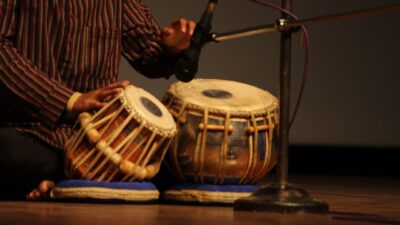 वाद्य · InstrumentsTabla
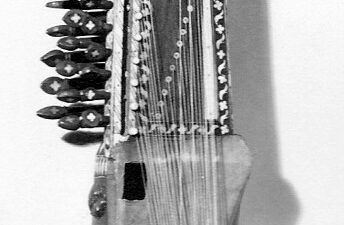 वाद्य · Instrumentssarangi
Jana Gana Mana (from Azad Bharath)
अमृता फडणवीस, Gautham Srivatsa · Azad Bharath