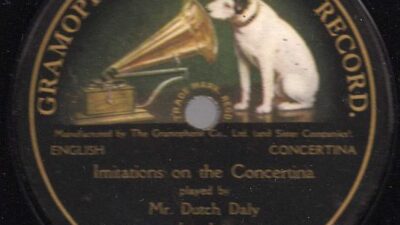
गीत विंग · गीत-पट्टिका · Song Plate
रघुपति राघव राजा राम (दांडी यात्रा)
Raghupati Raghav Raja Ram (Dandi March)
भारतीय आज़ादी का चलता हुआ गीत: समुद्र तक 241 मील, और क़दम मिलाती एक रामधुन।
भावभक्ति · प्रेरणादायक
भाषाhindi
श्रेय
The Creditsबोल · The Lyrics
पूरे बोल · Full Lyrics
पतित पावन सीताराम।
सीताराम सीताराम,
भज प्यारे तू सीताराम।
ईश्वर अल्लाह तेरो नाम,
सब को सन्मति दे भगवान।
Patit Pavan Sita Ram.
Sita Ram Sita Ram,
Bhaj pyare tu Sita Ram.
Ishwar Allah tero naam,
Sab ko sanmati de Bhagwan.
सूत्र-वाक्य · The Hook
सूत्र-वाक्य
भारतीय आज़ादी का चलता हुआ गीत: समुद्र तक 241 मील, और क़दम मिलाती एक रामधुन।
In EnglishThe walking song of Indian freedom: 241 miles to the sea, kept in step by a Ramdhun.
पट्टिका-लेख
The Monographपरिचय Overview
मार्च–अप्रैल 1930 में गांधी के यात्री साबरमती से दांडी तक यही रामधुन गाते चले — वह पारंपरिक भजन-धुन जिसे आश्रम ने ऐसा ढाला कि ईश्वर और अल्लाह एक ही पंक्ति में समा गए। राह में और हर पड़ाव की प्रार्थना-सभा में समवेत गाई गई यह धुन सत्याग्रह की ध्वनि बन गई — जिसे प्रेस ने, और बाद के बरसों में अनगिनत रिकॉर्डिंगों और फ़िल्मी रूपों ने, देश-देशांतर पहुँचाया।
अंग्रेज़ी में पढ़ें · Read in English
In March–April 1930, Gandhi's marchers walked from Sabarmati to Dandi singing this Ramdhun — a traditional bhajan-dhun recast at the ashram so that Ishwar and Allah share one line. Sung congregationally on the road and at every halt's prayer meeting, it became the satyagraha's sound, broadcast outward by press and, in the years after, by countless recordings and film renderings.
संगीत The Music
कहरवे की चाल पर चार वाक्यों की धुन — साँस और डग के नाप की; हज़ारों के गाने लायक़ सरल, मीलों चलने लायक़ मज़बूत।
अंग्रेज़ी में पढ़ें · Read in English
A keherwa-paced dhun of four phrases, built for breath and stride — melody simple enough for thousands, sturdy enough for miles.
काव्य The Poetry
आश्रम-पाठ की प्रतिभा एक पंक्ति में है: 'ईश्वर अल्लाह तेरो नाम' — छह शब्दों में पूरे आंदोलन का तर्क।
अंग्रेज़ी में पढ़ें · Read in English
The ashram text's genius is one line: 'Ishwar Allah tero naam' — the whole argument of the movement in six words.
कहानी The Story
दांडी नमक मार्च 12 मार्च 1930 को शुरू हुआ, जब गांधी साबरमती आश्रम से 78 अनुयायियों के साथ गुजरात के समुद्र-तट की ओर निकले — 241 मील की वह यात्रा जो 24 दिनों में पूरी हुई और 5 अप्रैल को दांडी पहुँची। मार्च के दौरान यह रामधुन सत्याग्रह की श्रव्य रीढ़ थी: हर रात्रि-विश्राम के भोर और संध्या की प्रार्थनाओं में गाई जाती, यह यात्रियों की चाल और चेतना की लय बनाती थी। गांधी का आग्रह था कि दिन की शुरुआत और समाप्ति सामूहिक भजन से हो, यह मानते हुए कि सामूहिक प्रार्थना मन को अहिंसक दृढ़ता के लिए तैयार करती है। भारतीय और अंतरराष्ट्रीय प्रेस जुलूस के साथ चला, और उनकी ख़बरों ने इस धुन को गाते हज़ारों की छवि विश्व भर के समाचार-पत्रों में पहुँचाई। 6 अप्रैल को नमक-क़ानून के सफल उल्लंघन के बाद, भजन का संगठित प्रतिरोध से रिश्ता स्थायी हो गया। उसी वर्ष के भीतर, ग्रामोफ़ोन रिकॉर्डिंगों और ऑल इंडिया रेडियो से यह यात्री-दल से कहीं आगे पहुँचा। पाठ की प्रतिभा — ईश्वर-अल्लाह की पंक्ति जो दोनों आस्थाओं को एक साँस में समेटे — ने इसे केवल स्वतंत्रता-गान नहीं, आंदोलन के समूचे सांप्रदायिक दर्शन का कथन बनाया।
अंग्रेज़ी में पढ़ें · Read in English
The Dandi Salt March began on March 12, 1930, when Gandhi led 78 followers out of Sabarmati Ashram toward the Gujarat coastline — a 241-mile journey that took 24 days and arrived at Dandi on April 5. Throughout the march, this Ramdhun was the audible spine of the satyagraha: sung at dawn and dusk prayers at every overnight halt, it set the marchers' pace and spirit. Gandhi insisted the day begin and end with communal bhajan, believing that collective prayer prepared the mind for nonviolent resolve. Indian and international press travelled with the procession, and their dispatches carried the image of thousands walking and singing this dhun into newspapers across the world. After the successful salt-law violation on April 6, the bhajan's association with organised resistance was fixed. Within the same year, phonograph recordings and All India Radio performances spread it far beyond the marching column. The text's genius — the Ishwar-Allah line accommodating both faiths in a single breath — made it not just a freedom song but a statement of the movement's entire communal philosophy.
विरासत The Legacy
यात्रा से यह प्रार्थना-सभाओं, पाठ्य-पुस्तकों और फ़िल्म-संगीत में उतरी; जिस शाम गांधी नहीं रहे, बिड़ला हाउस में यही गाई गई — और आज भी भारत की सबसे सर्वज्ञात धुन है।
अंग्रेज़ी में पढ़ें · Read in English
From the march it entered prayer meetings, schoolbooks and film scores; it was sung at Birla House on the evening Gandhi died, and remains India's most universally known dhun.
वर्गीकरण
ClassificationGenre
अन्य विवरण
More Details- Gandhi, M.K. — Satyagraha (collected writings on the 1930 march)
- Fischer, Louis — The Life of Mahatma Gandhi (1950)
- Rajadhyaksha, Ashish & Willemen, Paul — Encyclopaedia of Indian Cinema (1994/1999)
References
रोचक तथ्य
Margin Notesदांडी नमक यात्रा ने 24 दिनों में 241 मील (388 किमी) की दूरी तय की — 12 मार्च को साबरमती आश्रम से शुरू होकर 5 अप्रैल 1930 को दांडी पहुंचकर, और 6 अप्रैल को नमक क़ानून का उल्लंघन किया गया।
अंग्रेज़ी में पढ़ें · Read in English
The Dandi Salt March covered 241 miles (388 km) in 24 days, from Sabarmati Ashram on March 12 to Dandi on April 5, 1930, with the salt-law violation on April 6.
गांधी के आश्रम संस्करण की रामधुन — जिसमें 'ईश्वर अल्लाह तेरो नाम' पंक्ति शामिल है — एक जानबूझकर किया गया समन्वयवादी कार्य था, जिसमें ईश्वर के हिंदू और इस्लामी नामों को एक ही सांस में रखकर आंदोलन के सांप्रदायिक सद्भाव के आदर्श को साकार किया गया।
अंग्रेज़ी में पढ़ें · Read in English
Gandhi's ashram version of the Ramdhun — including the line 'Ishwar Allah tero naam' — was a deliberate syncretist act, placing the Hindu and Islamic names of God in a single breath to embody the movement's communal ideal.
यह भजन यात्रा की प्रार्थना सभाओं में हर सुबह-शाम गाया जाता था, जो सत्याग्रहियों के लिए भक्ति और अनुशासन दोनों का काम करता था।
अंग्रेज़ी में पढ़ें · Read in English
This bhajan was sung every morning and evening during the march's prayer meetings, functioning as both devotion and discipline for the satyagrahis.
30 जनवरी 1948 की शाम, बिरला हाउस की प्रार्थना सभा में जब रामधुन गाई जा रही थी, तभी गांधी की गोली मारकर हत्या कर दी गई — यह वह आख़िरी ध्वनि थी जिसकी ओर वे चलकर जा रहे थे।
अंग्रेज़ी में पढ़ें · Read in English
On the evening of January 30, 1948, the Ramdhun was being sung at the Birla House prayer meeting when Gandhi was shot — it was the last sound he walked toward.
रिचर्ड एटनबरो की 1982 की फ़िल्म 'गांधी' के दांडी यात्रा दृश्य में रामधुन को प्रमुखता से दिखाया गया है, जिसने इस भजन को एक नए अंतरराष्ट्रीय दर्शक वर्ग से परिचित कराया।
अंग्रेज़ी में पढ़ें · Read in English
Richard Attenborough's 1982 film Gandhi features the Ramdhun prominently in its Dandi March sequence, introducing the bhajan to a new international audience.
नमूना-पट्टी
The Specimen Table| शीर्षक | रघुपति राघव राजा राम (दांडी यात्रा) · Raghupati Raghav Raja Ram (Dandi March) |
|---|---|
| वर्ष · युग | 1930 |
| गायक | दांडी सत्याग्रह के यात्री (समवेत) |
| गीतकार | पारंपरिक रामधुन (गांधी-आश्रम पाठ) |
| भाषा | hindi |
| भाव | भक्ति · प्रेरणादायक |
| लोकप्रियता | Legendary |
| बोल-स्थिति | सार्वजनिक |
जुड़े हुए पन्ने
Connected Plates · The Graph Made Visibleअटलस में कोई पन्ना अकेला नहीं — इस गीत से जुड़े गीत, कलाकार, फ़िल्म, राग-ताल-विधा, सब यहाँ से खुलते हैं।
साझा कीजिए · Share this Plate