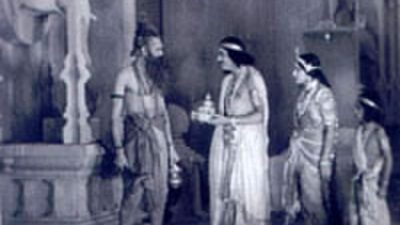
गीत विंग · गीत-पट्टिका · Song Plate
फूल गेंदा से हार
Phool Genda Se Haar
गेंदे के फूलों का हार — मेरी ख़्वाहिश (1941) का पुष्प-बिंब वाला प्रेम-गीत।
भावचुलबुला · रोमांटिक
भाषाhindi गतिमध्यम स्वरूपUnknown
श्रेय
The Creditsसूत्र-वाक्य · The Hook
सूत्र-वाक्य
गेंदे के फूलों का हार — मेरी ख़्वाहिश (1941) का पुष्प-बिंब वाला प्रेम-गीत।
In EnglishA garland of marigolds — flower-imagery romance from Meri Khwahish (1941).
पट्टिका-लेख
The Monographपरिचय Overview
मेरी ख़्वाहिश (1941) के आठ गीतों के संगीत से एक पुष्प-विषयक रोमांटिक गीत, वसंत और शांति कुमार द्वारा रचित, बोल बालम परदेसी और ए. के. सिंधु के। गेंदे के फूलों का हार उत्तर भारतीय गीत में उत्सव, प्रणय और अर्पण का बार-बार आने वाला प्रतीक है। फ़िल्म के गीतों के गायक श्रेय उपलब्ध संदर्भों में नहीं बचे हैं।
अंग्रेज़ी में पढ़ें · Read in English
A flower-themed romantic song from the eight-song score of Meri Khwahish (1941), composed by Vasant and Shanti Kumar with lyrics by Baalam Pardesi and A. K. Sindhu. The garland of marigolds (genda) is a recurring emblem of celebration, courtship and offering in North Indian song. Singer credits for the film's songs have not survived in available references.
काव्य The Poetry
गेंदा — हिंदी में गेंदे का फूल — उत्तर भारत के अनुष्ठानिक और उत्सव-जीवन में सबसे अधिक सांस्कृतिक भार रखने वाले फूलों में से एक है: विवाह में माला के रूप में पिरोया जाता है, मंदिरों में देवताओं पर चढ़ाया जाता है, दीवाली पर द्वार पर लटकाया जाता है, और पंजाब से बंगाल तक की भेंट-अर्पण में उपयोग होता है। हिंदी फ़िल्मी गीत में 'गेंदा-हार' इन सभी संदर्भों को जगाता है: उत्सव, अर्पण, प्रणय, प्रिय को बाँधने का भाव। 'फूल गेंदा से हार' — गेंदे के फूलों से बनी माला — एक घरेलूपन और सहजता लिए है जो उर्दू-रंगत कविता में मिलने वाले अधिक विदेशी या साहित्यिक पुष्प-बिंबों से उसे अलग करती है। बालम परदेसी और ए.के. सिंधु ने — जो इस और मेरी ख़्वाहिश के अन्य गीतों के संयुक्त गीतकार थे — फ़ारसी-रंगत के बजाय देशज हिंदी परंपरा में काम किया, जिससे फूल की रोज़मर्रा सर्वव्यापकता ही उसका प्रतीकात्मक भार बन जाती है। गेंदे की माला वह कहने का तरीक़ा है जिससे स्वागत, प्रेम, श्रद्धा व्यक्त की जाती है — विस्तृत रूपक के बिना, केवल माला बनाने और अर्पण करने की क्रिया के माध्यम से।
अंग्रेज़ी में पढ़ें · Read in English
The marigold — genda in Hindi — is among the most culturally saturated flowers in North Indian ritual and festive life: strung into garlands for weddings, draped on deities in temples, hung at doorways during Diwali, and used in offerings from Punjab to Bengal. In Hindi film song, the genda-haar (marigold garland) invokes this entire web of associations: celebration, offering, courtship, the tying of the beloved. 'Phool Genda Se Haar' — a garland made of marigold blossoms — carries a domesticity and directness that distinguish it from the more exotic or literary flower imagery found in Urdu-inflected verse. Baalam Pardesi and A.K. Sindhu, the joint lyricists of this and the other Meri Khwahish songs, worked within the vernacular Hindi tradition rather than the more Persianate register, allowing the flower's everyday ubiquity to stand as its own symbolic weight. A marigold garland is how one says welcome, love, reverence — without elaborate metaphor, simply through the act of making and offering the garland itself.
कहानी The Story
मेरी ख़्वाहिश (1941) के दो पुष्प-विषयक गीतों में से दूसरा, 'फूल गेंदा से हार,' 'फूलों में कोई फूले' के साथ अपनी फ़िल्म, संगीत निर्देशकों और गीतकारों को साझा करता है — वसंत और शांति कुमार द्वारा बालम परदेसी और ए.के. सिंधु के साथ इस आठ-गीत संगीत-पट्टी में लाई गई सुसंगत विषयगत संवेदनशीलता का प्रमाण। यह तथ्य कि दोनों पुष्प-गीत हिंदीगीतमाला सूचकांक में बचे हैं, सुझाव देता है कि वे रिकॉर्ड और प्रकाशित हुए थे — जो उस दौर के छोटे-स्टूडियो उत्पादनों में हर गीत के लिए स्वाभाविक नहीं था, जहाँ कुछ गीत रचे तो जाते थे लेकिन रिकॉर्ड नहीं होते। एक रोमांटिक-चुलबुले स्वर के गीत के रूप में 'फूल गेंदा से हार' संभवतः मेरी ख़्वाहिश के संगीत-पट्टी में अधिक दार्शनिक गीतों के लिए हल्के प्रतिभार का काम करता था — रंग, प्रणय और उत्सव-भरी देशज कविता का एक पल जो फ़िल्म के भावनात्मक संसार को रोज़मर्रा में जड़ित करता था।
अंग्रेज़ी में पढ़ें · Read in English
The second of two flower-themed songs in Meri Khwahish (1941), 'Phool Genda Se Haar' shares its film, music directors, and lyricists with 'Phulo Me Koi Phoole' — evidence of the coherent thematic sensibility that Vasant and Shanti Kumar, with Baalam Pardesi and A.K. Sindhu, brought to this eight-song score. The fact that both flower songs survived in the HindiGeetMala catalogue suggests they were recorded and released, which was not guaranteed for every song in small-studio productions of the period, where some songs were composed but never pressed to disc. As a romantic song in the playful register, 'Phool Genda Se Haar' would likely have been deployed as a lighter counterweight to the more philosophical numbers in the Meri Khwahish soundtrack — a moment of colour, courtship, and celebratory vernacular poetry that grounded the film's emotional world in the everyday.
वर्गीकरण
Classification- Tempo
- Medium
Genre
अन्य विवरण
More Details- hindigeetmala.net/movie/meri_khwahish.htm
- muvyz.com/moviepage/lh601117/songs/
References
रोचक तथ्य
Margin Notesगेंदा उत्तर भारतीय अनुष्ठानों में हर स्तर पर बुना हुआ है — दूल्हों को पहनाई जाने वाली मालाओं से लेकर जुलूसों के फूलों से बिछे रास्तों तक — जिससे 'फूल गेंदा से हार' एक ऐसा गीत बन जाता है जिसके बिंब 1941 के दर्शकों के लिए तत्काल संवेदी गूंज रखते होंगे।
अंग्रेज़ी में पढ़ें · Read in English
The genda (marigold) is woven into North Indian ritual at every level — from the garlands draped on wedding bridegrooms to the flower-strewn paths of processions — making 'Phool Genda Se Haar' a song whose imagery would have carried immediate sensory resonance for a 1941 audience.
मेरी ख़्वाहिश (1941) में फूलों की कल्पना पर आधारित दो गीत हैं — 'फूलों में कोई फूले' और 'फूल गेंदा से हार' — दोनों का श्रेय एक ही दो गीतकारों (बालम परदेसी और ए.के. सिंधु) को दिया गया है, जो साउंडट्रैक में एक जानबूझकर बनाई गई विषयगत निरंतरता की ओर इशारा करता है।
अंग्रेज़ी में पढ़ें · Read in English
Meri Khwahish (1941) features two songs built on flower imagery — 'Phulo Me Koi Phoole' and 'Phool Genda Se Haar' — both credited to the same two lyricists (Baalam Pardesi and A.K. Sindhu), suggesting a deliberate thematic through-line in the soundtrack.
संपूर्ण मेरी ख़्वाहिश साउंडट्रैक के लिए वसंत और शांति कुमार को दिया गया संयुक्त संगीत श्रेय 1940 के दशक की शुरुआत के हिंदी सिनेमा में ऐसे दुर्लभ दोहरे-संगीतकार श्रेयों में से एक है, जब बड़े स्टूडियो की प्रस्तुतियों में एकल-संगीतकार कर्तृत्व मानक बनता जा रहा था।
अंग्रेज़ी में पढ़ें · Read in English
The joint music credit to Vasant and Shanti Kumar for the entire Meri Khwahish score is one of a small number of such dual-composer credits in Hindi film of the early 1940s, when single-composer authorship was becoming the norm in larger studio productions.
नमूना-पट्टी
The Specimen Table| शीर्षक | फूल गेंदा से हार · Phool Genda Se Haar |
|---|---|
| फ़िल्म | मेरी ख़्वाहिश · 1941 |
| वर्ष · युग | 1941 |
| गीतकार | बालम परदेसी, A. K. Sindhu |
| संगीतकार | Vasant, Shanti Kumar |
| स्वरूप | Unknown |
| गति | मध्यम |
| भाषा | hindi |
| भाव | चुलबुला · रोमांटिक |
| बोल-स्थिति | केवल झलक |
जुड़े हुए पन्ने
Connected Plates · The Graph Made Visibleअटलस में कोई पन्ना अकेला नहीं — इस गीत से जुड़े गीत, कलाकार, फ़िल्म, राग-ताल-विधा, सब यहाँ से खुलते हैं।
कलाकार · The Artists
फ़िल्म · The Film
साझा कीजिए · Share this Plate