गीत विंग · गीत-पट्टिका · Song Plate
मौली मौली
Mauli Mauli
रवि त्रिपाठी की आवाज़ चार शताब्दियों की वारकरी भक्ति का भार वहन करती है — 'मौली मौली', संत का अपना ईश्वर के लिए शब्द, समय के पार।
भावभक्ति · शांत · दार्शनिक · आध्यात्मिक
भाषाMarathi/Hindi गतिSlow-Medium स्वरूपएकल पुरुष
श्रेय
The Creditsशब्दकोश
Word Meaningsसूत्र-वाक्य · The Hook
सूत्र-वाक्य
रवि त्रिपाठी की आवाज़ चार शताब्दियों की वारकरी भक्ति का भार वहन करती है — 'मौली मौली', संत का अपना ईश्वर के लिए शब्द, समय के पार।
In EnglishRavi Tripathi's voice carrying four centuries of Varkari devotion — 'Mauli Mauli', the saint's own word for the divine, reaching across time.
पट्टिका-लेख
The Monographपरिचय Overview
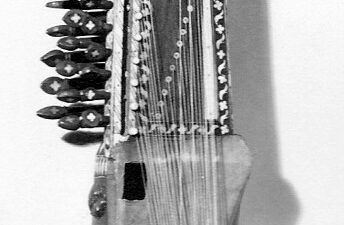
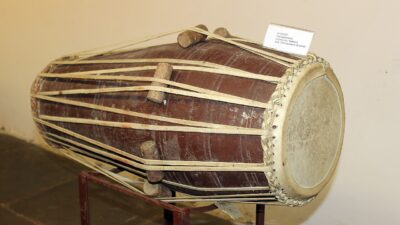
मौली मौली संत तुकाराम (2025, Zee Music Company) का परिभाषित सिंगल है — अदित्य ओम द्वारा निर्देशित, सुबोध भावे अभिनीत। संगीतकार रवि त्रिपाठी ने इसे स्वयं गाया है, बोल शिव सागर सिंह के हैं। पारंपरिक वाद्ययंत्र (सारंगी — सबीर सुल्तान खान, पखावज — माधव पवार) को राहुल देव नाथ की इलेक्ट्रॉनिक व्यवस्था के साथ जोड़ा गया है।
अंग्रेज़ी में पढ़ें · Read in English
Mauli Mauli is the defining single from Sant Tukaram (2025, Zee Music Company) — a biographical film about the 17th-century Marathi saint-poet directed by Aditya Om and starring Subodh Bhave. Composer Ravi Tripathi doubles as the singer of this Abhanga-rooted devotional piece, with Shiv Sagar Singh providing the lyric. Traditional instruments (Sarangi by Sabir Sultan Khan, Pakhawaj by Madhav Pawar) are complemented by Rahul Dev Nath's electronic arrangement — making the classical devotional Abhanga form accessible to contemporary audiences. 'Mauli' is the term Tukaram himself used for Lord Vitthal.
संगीत The Music
रवि त्रिपाठी की रचना अभंग लयबद्ध परंपरा में है — पखावज मूलभूत ताल देता है, सारंगी मधुर प्रति-धागा बुनती है। राहुल देव नाथ की इलेक्ट्रॉनिक व्यवस्था हार्मोनिक आधार को बनाए रखती है।
अंग्रेज़ी में पढ़ें · Read in English
Ravi Tripathi's composition grounds itself in Abhanga rhythmic tradition — the Pakhawaj provides the foundational beat, Sabir Sultan Khan's Sarangi weaves the melodic counter-thread. Rahul Dev Nath's electronic elements are introduced carefully — synthesiser pads sustain the harmonic base without displacing the acoustic soul. Ravi Tripathi's voice is clear and unornamented in opening phrases, gathering resonance as the invocation deepens.
काव्य The Poetry
शिव सागर सिंह के बोल अभंग परंपरा में काम करते हुए दर्शकों के लिए सुलभ हैं। दोहरा संबोधन — मौली मौली — भक्त की आग्रह और ईश्वर के नाम की पर्याप्तता का अभंग सम्मेलन है।
अंग्रेज़ी में पढ़ें · Read in English
Shiv Sagar Singh's lyric works within the Abhanga tradition while making it accessible to audiences unfamiliar with classical Marathi devotional poetry. The doubled address — Mauli Mauli — is an Abhanga convention signalling the devotee's insistence and the sufficiency of the divine name alone.
कहानी The Story
मौली मौली Zee Music Company द्वारा 18 जुलाई 2025 की Curzon Films विश्वव्यापी रिलीज़ से पहले पहले प्रचार सिंगल के रूप में जारी। प्रामाणिक भक्ति संगीत के प्रति फ़िल्म की प्रतिबद्धता का संकेत।
अंग्रेज़ी में पढ़ें · Read in English
Mauli Mauli was released by Zee Music Company as the first promotional single from Sant Tukaram ahead of its 18 July 2025 worldwide theatrical release through Curzon Films. Its choice as lead single signals the film's commitment to authentic bhakti musical language.
विरासत The Legacy
मौली मौली सिनेमाई अभंगों की प्रतिष्ठित परंपरा में प्रवेश करती है — वी. शांताराम की 1936 संत तुकाराम (वेनिस सर्वश्रेष्ठ फ़िल्म) के नक्शेकदम पर।
अंग्रेज़ी में पढ़ें · Read in English
Mauli Mauli enters a distinguished tradition of cinematic Abhangas — following V. Shantaram's 1936 Sant Tukaram (Venice Film Festival Best Film). The 2025 soundtrack represents a sincere attempt to preserve this classical Marathi devotional form for contemporary cinema across languages.
वर्गीकरण
Classification- Tempo
- Slow-Medium
Genre
अन्य विवरण
More Details- https://www.bollywoodhungama.com/videos/movie-songs/mauli-mauli-sant-tukaram-subodh-bhave-ravi-tripathi-shiv-sagar-singh/
References
रोचक तथ्य
Margin Notesवी. शांताराम की 1936 की मूल मराठी फ़िल्म 'संत तुकाराम' ने वेनिस फ़िल्म फ़ेस्टिवल का सर्वश्रेष्ठ फ़िल्म पुरस्कार जीता था — यह अंतरराष्ट्रीय पहचान पाने वाली शुरुआती भारतीय फ़िल्मों में से एक थी।
अंग्रेज़ी में पढ़ें · Read in English
The original 1936 Marathi film Sant Tukaram by V. Shantaram won the Venice Film Festival's Best Film award — one of the first Indian films to receive international recognition.
संत तुकाराम के 17वीं सदी के अभंग आज भी महाराष्ट्र भर में वारकरी परंपरा में प्रतिदिन गाए जाते हैं — जिससे वे उन गिने-चुने कवियों में से एक बन जाते हैं जिनकी रचनाएँ 400 साल बाद भी निरंतर धार्मिक उपयोग में हैं।
अंग्रेज़ी में पढ़ें · Read in English
Sant Tukaram's 17th-century Abhangas are still sung daily in Varkari tradition across Maharashtra — making him one of very few poets whose compositions remain in continuous liturgical use after 400 years.
नमूना-पट्टी
The Specimen Table| शीर्षक | मौली मौली · Mauli Mauli |
|---|---|
| फ़िल्म | संत तुकाराम · 2025 |
| वर्ष · युग | 2025 — Modern (2010+) |
| गायक | Ravi Tripathi |
| गीतकार | Shiv Sagar Singh |
| संगीतकार | Ravi Tripathi |
| स्वरूप | एकल पुरुष |
| गति | Slow-Medium |
| भाषा | Marathi/Hindi |
| वाद्य | sarangi · pakhawaj · Rhythm percussion · Electronic arrangement |
| भाव | भक्ति · शांत · दार्शनिक · आध्यात्मिक |
| लोकप्रियता | Known |
| बोल-स्थिति | केवल झलक |
जुड़े हुए पन्ने
Connected Plates · The Graph Made Visibleअटलस में कोई पन्ना अकेला नहीं — इस गीत से जुड़े गीत, कलाकार, फ़िल्म, राग-ताल-विधा, सब यहाँ से खुलते हैं।
फ़िल्म · The Film
साझा कीजिए · Share this Plate
यह पन्ना आगे बढ़ाइए
सवाल-जवाब
Questions & Answersसंत तुकाराम 2025 का मौली मौली किसने गाया? · Who sings Mauli Mauli from Sant Tukaram 2025?
रवि त्रिपाठी; संगीतकार भी वही। बोल शिव सागर सिंह के। Zee Music Company।
Ravi Tripathi; also the music composer. Lyrics by Shiv Sagar Singh. Label: Zee Music Company.
अभंग परंपरा क्या है? · What is the Abhanga tradition?
अभंग मराठी वारकरी परंपरा का भक्ति-छंद रूप है, जिसे संत तुकाराम ने 17वीं सदी में भगवान विट्ठल को सीधे संबोधन के लिए उपयोग किया।
Abhanga is the devotional verse form of the Marathi Varkari tradition, used by Sant Tukaram in the 17th century to address Lord Vitthal directly in simple, egalitarian language.