गीत विंग · गीत-पट्टिका · Song Plate
कासुंबी नो रंग
Kasumbi No Rang
मेघाणी का सौराष्ट्र-गान — बलिदान में रँगा, वीरों द्वारा धारण किया।
भावप्रेरणादायक · पुरानी यादें · देशभक्ति
भाषाGujarati गतिमध्यम स्वरूपएकल पुरुष
श्रेय
The Creditsसूत्र-वाक्य · The Hook
सूत्र-वाक्य
मेघाणी का सौराष्ट्र-गान — बलिदान में रँगा, वीरों द्वारा धारण किया।
In EnglishMeghani's saffron hymn of Saurashtra — dyed in sacrifice, worn by the brave.
पट्टिका-लेख
The Monographपरिचय Overview
केसरी वीर (2025) के साउंडट्रैक में सांस्कृतिक दृष्टि से सबसे समृद्ध गीत है 'कासुंबी नो रंग' — गुजरात के राष्ट्रकवि झवेरचंद मेघाणी (1896–1947) की अमर कविता का चलचित्र-रूपांतरण। कीर्तिदान गढ़वी — जिनकी आवाज़ सौराष्ट्र की लोक परंपरा का पर्याय है — ने इसे गाया है। 'कासुंबी' (कुसुम का रंग) गुजराती बलिदान और अस्मिता का प्रतीक है।
अंग्रेज़ी में पढ़ें · Read in English
Among the most culturally layered tracks on the Kesari Veer (2025) soundtrack, 'Kasumbi No Rang' adapts the legendary Gujarati poem by Jhaverchand Meghani (1896–1947) — widely considered the national poet of Gujarat — for the film's historical milieu. Performed by Kirtidan Gadhvi, whose voice is synonymous with Saurashtra's folk heritage, the song uses the kasumbi (safflower) dye as a symbol of Gujarati sacrifice and identity. Composed by Monty Sharma with fidelity to the original's folk cadences, it stands as the album's deepest cultural statement.
संगीत The Music
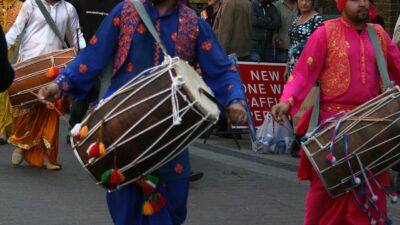
मोंटी शर्मा ने मेघाणी की सरल लोक-धुन का सम्मान करते हुए तारवाद्य और ढोल की परतें जोड़ी हैं। गढ़वी की काठियावाड़ी गायकी — स्वाभाविक नासिका स्वर और अधूरे वाक्याँश — इस सामग्री के लिए सर्वथा उपयुक्त है।
अंग्रेज़ी में पढ़ें · Read in English
Monty Sharma honours Meghani's simple yet profound folk melodic line, adding contemporary orchestral support (strings, dhol) that amplifies without distorting. Kirtidan Gadhvi's singing style — the natural nasal timbre, the unhurried phrase endings characteristic of Kathiawadi folk — is ideally suited to this material. The result is a cinematic arrangement that feels simultaneously ancient and present.
काव्य The Poetry
झवेरचंद मेघाणी ने 'कासुंबी नो रंग' 1928 में गुजरात के स्वतंत्रता सेनानियों के लिए लिखा था। कासुंबी (कुसुम) का गहरा लाल-नारंगी रंग बलिदान में रँगे साहस का प्रतीक बना। महात्मा गाँधी ने कहा था कि मेघाणी को यह रचना सुनकर उन्होंने 'राष्ट्रीय शायर' की उपाधि दी।
अंग्रेज़ी में पढ़ें · Read in English
Jhaverchand Meghani composed 'Kasumbi No Rang' in 1928 as a rallying song for Gujarat's freedom fighters. The kasumbi (safflower) colour — a deep reddish-orange — became his central symbol for the courage that dyes life in sacrifice. Mahatma Gandhi reportedly called Meghani the 'Rastriya Shayar' (national poet) of Gujarat after hearing this work.
कहानी The Story
14वीं सदी के योद्धा की कहानी में मेघाणी की 1928 की कविता का प्रयोग गुजराती सांस्कृतिक प्रतिरोध की सात शताब्दियों को एक सूत्र में पिरोता है।
अंग्रेज़ी में पढ़ें · Read in English
Using Meghani's 1928 poem in a 2025 historical film about a 14th-century warrior creates a rich temporal layering — Gujarat's freedom-struggle poetry dignifying a medieval hero. The song bridges nearly seven centuries of Gujarati cultural resistance.
विरासत The Legacy
1928 से अब तक 'कासुंबी नो रंग' के अनगिनत रूपांतरण हुए हैं। 2025 का यह चलचित्र-संस्करण युवा पीढ़ी को बॉलीवुड के माध्यम से मेघाणी की विरासत से जोड़ता है।
अंग्रेज़ी में पढ़ें · Read in English
'Kasumbi No Rang' has been adapted countless times since 1928 — school choruses, folk renditions, protest songs. This 2025 cinematic version adds another layer to the poem's long afterlife, bringing it to a younger generation via Bollywood.
वर्गीकरण
Classification- Tempo
- Medium
Genre
अन्य विवरण
More Details- Kesari Veer – Wikipedia
- Kesari Veer Soundtrack Rating – Urv Rates 10
References
रोचक तथ्य
Margin Notesझावरचंद मेघाणी (1896-1947) को आधिकारिक रूप से गुजरात के 'राष्ट्रीय शायर' (राष्ट्रीय कवि) की उपाधि प्राप्त है।
अंग्रेज़ी में पढ़ें · Read in English
Jhaverchand Meghani (1896–1947) is officially recognized as Gujarat's Rashtriya Shayar (National Poet).
गांधी जी ने दांडी मार्च के दौर में मेघाणी का पाठ सुनने के बाद उन्हें यह उपाधि दी थी।
अंग्रेज़ी में पढ़ें · Read in English
Gandhi called Meghani this title after hearing his recitation during the Dandi March era.
कीर्तिदान गढ़वी को इंडियाज़ गॉट टैलेंट (2009) में अपनी काठियावाड़ी लोकगायकी से राष्ट्रीय पहचान मिली।
अंग्रेज़ी में पढ़ें · Read in English
Kirtidan Gadhvi rose to national fame on India's Got Talent (2009) with his Kathiawadi folk singing.
'कसुंबी' गुजराती कारीगरों द्वारा इस्तेमाल किए जाने वाले कुसुम-रंग (सैफ़्लावर डाई) की ओर इशारा करता है — यह मिट्टी, श्रम और साहस का रंग है।
अंग्रेज़ी में पढ़ें · Read in English
'Kasumbi' refers to the safflower dye used by Gujarati artisans — a colour of earth, labour, and courage.
नमूना-पट्टी
The Specimen Table| शीर्षक | कासुंबी नो रंग · Kasumbi No Rang |
|---|---|
| फ़िल्म | केसरी वीर · 2025 |
| वर्ष · युग | 2025 — Modern (2010+) |
| गायक | कीर्तिदान गढ़वी |
| गीतकार | झवेरचंद मेघाणी |
| संगीतकार | Monty Sharma |
| स्वरूप | एकल पुरुष |
| गति | मध्यम |
| भाषा | Gujarati |
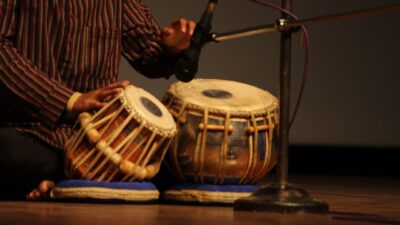
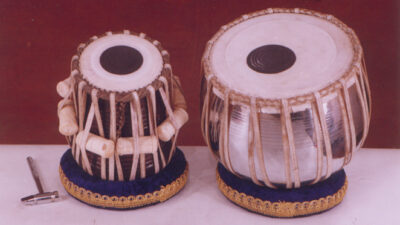
| वाद्य | harmonium · tabla · Strings · dhol |
| भाव | प्रेरणादायक · पुरानी यादें · देशभक्ति |
| लोकप्रियता | Known |
| बोल-स्थिति | केवल झलक |
जुड़े हुए पन्ने
Connected Plates · The Graph Made Visibleअटलस में कोई पन्ना अकेला नहीं — इस गीत से जुड़े गीत, कलाकार, फ़िल्म, राग-ताल-विधा, सब यहाँ से खुलते हैं।
मिलते-जुलते गीत · Related Songs
कलाकार · The Artists
फ़िल्म · The Film
साझा कीजिए · Share this Plate
यह पन्ना आगे बढ़ाइए
सवाल-जवाब
Questions & Answersकासुंबी नो रंग कौन गाते हैं? · Who sings Kasumbi No Rang?
कासुंबी नो रंग केसरी वीर (2025) का गीत है, संगीत मोंटी शर्मा का है।
Kasumbi No Rang is from Kesari Veer (2025), composed by Monty Sharma.