गीत विंग · गीत-पट्टिका · Song Plate
काहे नहीं आए
Kaahe Nahin Aaye
'काहे नहीं आए' — फ़िल्म का सबसे सादा प्रश्न, और वही एक गीत जिसे सरेगामा के पुनःप्रकाशन ने छोड़ दिया।
भावमीठा-कड़वा · अविस्मरणीय · उदास
भाषाhindi गतिधीमी
श्रेय
The Creditsसूत्र-वाक्य · The Hook
सूत्र-वाक्य
'काहे नहीं आए' — फ़िल्म का सबसे सादा प्रश्न, और वही एक गीत जिसे सरेगामा के पुनःप्रकाशन ने छोड़ दिया।
In English'Why did you not come' — the film's plainest question, and the one song Saregama's reissue left behind.
पट्टिका-लेख
The Monographपरिचय Overview
हिंदीगीतमाला और माईस्वर दोनों इसे 'मेघदूत' के गीतों में गिनते हैं, किंतु सरेगामा ने डिजिटल रूप में जो दस गीत जारी किए उनमें यह नहीं है — जिससे यह फ़िल्म का वही एक गीत बन जाता है जिसकी कोई सहज-सुलभ रिकॉर्डिंग ही नहीं है। शीर्षक प्रतीक्षा का नंगा उलाहना है: वह प्रश्न जो उससे पूछा जाता है जिसकी राह देखी गई और जो आया नहीं। इसका न कोई गायन-श्रेय बचा है, न व्यक्तिगत गीतकार-श्रेय।
अंग्रेज़ी में पढ़ें · Read in English
Both HindiGeetMala and MySwar list this among Meghdoot's songs, but it is missing from the ten tracks Saregama put out digitally — which makes it the one number of the film with no easily reachable recording at all. The title is the bare reproach of waiting: the question asked of someone who was expected and did not arrive. No singer or individual lyricist credit survives for it.
संगीत The Music
इस रिकॉर्डिंग की संगत-रचना के बारे में विश्वास के साथ कुछ नहीं कहा जा सकता — यह पुनःप्रकाशन में अनुपस्थित है और इसकी न अवधि प्रकाशित है, न श्रेय। जो कहा जा सकता है वह संदर्भगत है: कमल दासगुप्ता के 'मेघदूत' के हर प्रलेखित गीत उसी सुगम-शास्त्रीय ढंग में बैठते हैं — छोटी, अनहड़बड़ी संगत के ऊपर आगे रखी हुई आवाज़ — और इस मुहावरे में प्रतीक्षा का गीत लगभग निश्चित रूप से धीमी लय में बाँधा गया होगा।
अंग्रेज़ी में पढ़ें · Read in English
Nothing about the recording's arrangement can be described with confidence — it is absent from the reissue and no duration or credit for it is published. What can be said is contextual: every documented song in Kamal Dasgupta's Meghdoot score sits in the same light-classical manner, voice forward over a small, unhurried accompaniment, and a waiting-song in that idiom would almost certainly have been set slow.
काव्य The Poetry
'काहे नहीं आए' वह वाक्य है जिसमें विरह-काव्य की पूरी परंपरा चार शब्दों में सिमट आती है। यह आरोप से अधिक एक स्वीकारोक्ति है — वक्ता गिनती करता रहा है, और अब वह गिनती दिख गई है। जिस फ़िल्म का आधार ही यह है कि प्रिय आ नहीं सकता और उसके बदले बादल भेजना पड़ता है, उसमें यह प्रश्न कथा के केंद्र के बहुत पास है: अलका में बैठी यक्ष की पत्नी ठीक वही व्यक्ति है जिसके लिए पूरा वर्ष इसी पंक्ति का अनुत्तरित रूप रहा है।
अंग्रेज़ी में पढ़ें · Read in English
'Kaahe nahin aaye' is the sentence a whole tradition of viraha poetry compresses into four words. It is not an accusation so much as an admission — the speaker has been counting, and the counting is now visible. In a film whose premise is that the beloved cannot come, and that a cloud must be sent instead, the question is close to the centre of the story: the yaksha's wife in Alaka is precisely the person for whom the year has been an unanswered version of this line.
कहानी The Story
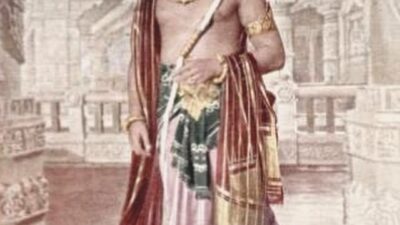
'मेघदूत' कीर्ति पिक्चर्स के लिए देबकी बोस द्वारा किया गया कालिदास के 'मेघदूतम्' का रूपांतरण थी, जो अक्टूबर 1945 में शाहू मोडक और लीला देसाई के साथ प्रदर्शित हुई। कमल दासगुप्ता — वह संगीतकार जिन्होंने अपना लगभग पूरा करियर बंबई के बजाय एचएमवी के कलकत्ता स्टूडियो के भीतर बिताया — ने ग्यारह प्रलेखित गीत रचे, और फ़िल्म के तीन श्रेय-प्राप्त गीतकार — फ़ैयाज़ हाशमी, गौड़दास और पंडित नरोत्तम व्यास — सूचियों में गीत-दर-गीत नहीं बल्कि फ़िल्म-स्तर पर एक साथ दर्ज हैं।
अंग्रेज़ी में पढ़ें · Read in English
Meghdoot was Debaki Bose's adaptation of Kalidasa's Meghadutam for Kirti Pictures, released in October 1945 with Shahu Modak and Leela Desai in the leads. Kamal Dasgupta — a composer who spent almost his whole career inside HMV's Calcutta studio rather than in Bombay — wrote the eleven documented songs, and the film's three credited lyricists, Faiyyaz Hashmi, Gauddas and Pandit Narottam Vyas, are listed together at film level in the catalogues rather than song by song.
विरासत The Legacy
सरेगामा के पुनःप्रकाशन से इसका छूट जाना ही इसके बारे में दर्ज करने योग्य तथ्य है। 'मेघदूत' के लिए ग्यारह गीत प्रलेखित हैं; दस पुनःप्रकाशित हुए; यही वह एक है जो बाहर रह गया, और जब तक कोई शेलाक प्रति सामने नहीं आती, यह व्यावहारिक रूप से बिना रिकॉर्डिंग का शीर्षक भर है — स्वतंत्रता-पूर्व हिंदी फ़िल्मी संगीत की सामान्य नियति, और यही कारण है कि 'हिंदी फ़िल्म गीत कोश' जैसी सूचियाँ महत्वपूर्ण हैं।
अंग्रेज़ी में पढ़ें · Read in English
Its omission from Saregama's reissue is the fact worth recording about it. Eleven songs are documented for Meghdoot; ten were reissued; this is the one that fell out, and unless a shellac copy surfaces it is effectively a title without a recording — a normal fate for pre-Independence Hindi film music, and the reason catalogues like HFGK matter.
वर्गीकरण
Classification- Tempo
- Slow
Genre
अन्य विवरण
More Details- https://www.hindigeetmala.net/movie/meghdoot.htm
- https://myswar.co/album/meghdoot-1945
- https://en.wikipedia.org/wiki/List_of_Hindi_films_of_1945
- https://music.apple.com/us/album/meghdoot-original-motion-picture-soundtrack/1440302352
- https://www.hindigeetmala.net/song/kahe_nahi_aaye.htm
References
रोचक तथ्य
Margin Notes'मेघदूत' के लिए प्रलेखित ग्यारह गीतों में से यह अकेला गीत है जो सरेगामा के दस-गीतों वाले डिजिटल पुनःप्रकाशन में नहीं है।
अंग्रेज़ी में पढ़ें · Read in English
Of the eleven songs documented for Meghdoot, this is the only one absent from Saregama's ten-track digital reissue of the soundtrack.
नमूना-पट्टी
The Specimen Table| शीर्षक | काहे नहीं आए · Kaahe Nahin Aaye |
|---|---|
| फ़िल्म | मेघदूत · 1945 |
| वर्ष · युग | 1945 |
| संगीतकार | Kamal Dasgupta |
| गति | धीमी |
| भाषा | hindi |
| भाव | मीठा-कड़वा · अविस्मरणीय · उदास |
| लोकप्रियता | Obscure |
| बोल-स्थिति | केवल झलक |
जुड़े हुए पन्ने
Connected Plates · The Graph Made Visibleअटलस में कोई पन्ना अकेला नहीं — इस गीत से जुड़े गीत, कलाकार, फ़िल्म, राग-ताल-विधा, सब यहाँ से खुलते हैं।
कलाकार · The Artists
फ़िल्म · The Film
साझा कीजिए · Share this Plate