गीत विंग · गीत-पट्टिका · Song Plate
बधैया ए जी बधैया
Badhaiya Ae Ji Badhaiya
1941 की भक्ति-फ़िल्म तुलसी का एक बधाई और हर्ष का गीत।
भावउत्सव · Festive
भाषाhindi स्वरूपUnknown
श्रेय
The Creditsसूत्र-वाक्य · The Hook
सूत्र-वाक्य
1941 की भक्ति-फ़िल्म तुलसी का एक बधाई और हर्ष का गीत।
In EnglishA song of congratulation and rejoicing from the 1941 devotional film Tulsi.
पट्टिका-लेख
The Monographपरिचय Overview
'बधैया ए जी बधैया' तुलसी (1941) का एक उत्सव-गीत है, जिसे हरिश्चंद्र बाली ने पंडित फणि के बोलों पर रचा। इसका शीर्षक — 'बधैया', अर्थात् बधाई या शुभ समाचार का आशीर्वाद — इसे 1940 के दशक के आरंभिक भक्ति-सिनेमा के विशिष्ट उत्सव-स्वर में रखता है। इस फ़िल्म के उपलब्ध स्रोतों में अलग-अलग गायकों के नाम दर्ज नहीं हैं।
अंग्रेज़ी में पढ़ें · Read in English
'Badhaiya Ae Ji Badhaiya' is a celebratory number from Tulsi (1941), composed by Harishchandra Bali to lyrics by Pandit Phani. Its title — 'badhaiya', meaning congratulations or blessings of good tidings — places it in the festive register typical of the devotional cinema of the early 1940s. Individual singer credits are not documented in the surviving sources for this film.
काव्य The Poetry
शीर्षक 'बधैया ए जी बधैया' उत्तर भारतीय लोकगीत की 'बधावा' विधा में है: वह गीत जो जन्म, विवाह, यज्ञोपवीत और त्योहारों पर शुभ-समाचार के साथ गाए जाते हैं। 'बधैया' ('बधाई' का ही रूप) एक साथ विधा-नाम और एक कार्मिक क्रिया है — इसे गाना ही शुभ-समाचार की घोषणा और प्रदान करना है। 'ए जी' का संबोधन अवधी और पूर्वी हिंदी की वह ऊष्म, आदरसहित पुकार है जो आँगन पार करके परिजनों को बुलाती है। पंडित फणि ने इसी फ़िल्म में 'मन के मन से तार मिला' (दार्शनिक) और यह बधावा-गीत (उत्सव) दोनों लिखे — 1941 के एक कार्यकारी गीतकार से जो विविधता अपेक्षित थी, उसका यह सटीक उदाहरण है। 'बधैया' की आवृत्ति लोक-प्रदर्शन के उस सामाजिक-सामूहिक अभ्यास को दर्शाती है जिसमें पद को बार-बार दोहराकर समूह का आनंद बढ़ाया जाता है। हरिश्चंद्र बाली का संगीत इस उल्लास के साथ बधाई-रचना की चढ़ती-तेज़ होती ताल-संरचना में ढला होगा।
अंग्रेज़ी में पढ़ें · Read in English
The title 'Badhaiya Ae Ji Badhaiya' — 'O, blessings! Blessings have come!' — is in the 'badhaava' genre of North Indian folk song: songs of congratulation and auspicious announcement sung at births, marriages, sacred thread ceremonies, and festivals. The word 'badhaiya' (a variant of 'badhaava', from 'badhai', congratulations / good news / blessing) is itself a song-genre name and a performative act — to sing it is simultaneously to announce and to bestow the good tidings. The addressing particle 'ae ji' (a warm, deferential 'O' used in Awadhi and eastern Hindi) gives the title a domestically intimate tone, as if the singer is calling across a courtyard to gathered family. Pandit Phani, who also wrote 'Mann Ke Mann Se Taar Mila' for the same film, here moves from the philosophical register to the celebratory, demonstrating the range of function demanded of a working lyricist in 1941. The repetition of 'badhaiya' mirrors the folk-performance practice of the 'samajik' or communal song, in which words are repeated and amplified by the chorus to build collective joy. Harishchandra Bali's melody would have matched this jubilant declaration with the ascending, accelerating rhythmic structures typical of badhai composition.
कहानी The Story
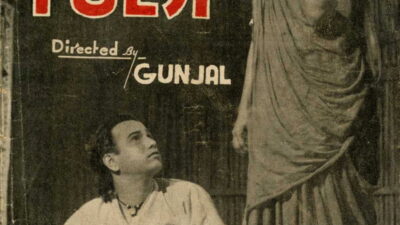
बधैया ए जी बधैया तुलसी (1941) का हिस्सा है — दादा गुंजल निर्देशित, हरिश्चंद्र बाली-संगीत और पंडित फणि के गीत। कलाकारों में त्रिलोक कपूर, शालिनी, श्रीनिवास, नीला, बद्री प्रसाद, जमशेद और अनंत मराठे थे। तुलसी नामक फ़िल्म — पवित्र तुलसी पौधे और हिंदू गृह-भक्ति की याद दिलाती — में एक बधावा-गीत कथा में जन्म, विवाह या शुभ-आगमन के दृश्य के साथ रखा गया होगा। फ़िल्म के दर्ज गीतों में 'बधैया ए जी बधैया' 'मन के मन से तार मिला' के दार्शनिक स्वर के विपरीत सामूहिक उल्लास का प्रतिनिधित्व करता है — एक संपूर्ण भावनात्मक स्पेक्ट्रम दर्शाता है। बधाई-गीत परंपरा की जड़ें लोक-गायन (सूपड़े की ओट में जच्चा-घर और विवाह-द्वार पर महिलाओं का गायन) और शास्त्रीय भक्ति दोनों में हैं, जिसमें तुलसीदास की राम-जन्म बधाई सबसे प्रसिद्ध उदाहरण है।
अंग्रेज़ी में पढ़ें · Read in English
Badhaiya Ae Ji Badhaiya is part of Tulsi (1941), directed by Dada Gunjal with music by Harishchandra Bali and lyrics by Pandit Phani. The film's cast included Trilok Kapoor, Shalini, Srinivas, Neela, Badri Prasad, Jamshed, and Anant Marathe. In a film titled Tulsi — evoking the sacred basil plant and the domestic piety of the Hindu household — a badhai song would have been placed at a scene of birth, marriage, or auspicious arrival in the narrative. Within Tulsi's documented song list, 'Badhaiya Ae Ji Badhaiya' provides the celebratory counterpoint to the more philosophically inclined 'Mann Ke Mann Se Taar Mila', indicating that the film's score covered a range from introspective devotion to communal joy. Pandit Badri Prasad, who appears in the cast of Tulsi, was documented as a singer in the film's productions, though song-specific attribution for this number is not preserved. The badhai song genre had strong roots in both folk performance (sang by women in the delivery room and at wedding gates) and the classical-devotional tradition, where Tulsidas's badhai to the birth of Rama was the most cited exemplar.
वर्गीकरण
ClassificationGenre
अन्य विवरण
More Details- https://en.wikipedia.org/wiki/Tulsi_(film)
- https://www.hindilyrics4u.com/movie/tulsi_1941.htm
- https://bombaymann2.blogspot.com/2020/05/film-tulsi1941.html
References
रोचक तथ्य
Margin Notesतुलसी (1941) में एक दार्शनिक धुन (“मन के मन से तार मिला”) और एक उल्लासपूर्ण बधाई-गीत (“बधैया ऐ जी बधैया”), दोनों ही मौजूद थे, और दोनों के रचयिता गीतकार पंडित फणी थे; यह 1941 में एक कार्यरत फ़िल्मी गीतकार से अपेक्षित शैलीगत विविधता को दर्शाता है।
अंग्रेज़ी में पढ़ें · Read in English
Tulsi (1941) contained both a philosophical dhun ('Mann Ke Mann Se Taar Mila') and a celebratory badhai song ('Badhaiya Ae Ji Badhaiya'), both by lyricist Pandit Phani — demonstrating the stylistic range required of a working film lyricist in 1941.
बधाई-गीत विधा की जड़ें उत्तर भारतीय लोक-परंपरा में प्राचीन हैं: महिलाएँ जन्म, विवाह और यज्ञोपवीत जैसे संस्कारों पर बधाई गीत गाती थीं, और इस परंपरा को हिन्दी सिनेमा ने पारिवारिक उल्लास के अवसर के पारंपरिक संकेत के रूप में अपनाया।
अंग्रेज़ी में पढ़ें · Read in English
The badhai song genre has ancient roots in North Indian folk practice: women sang badhai songs at births, weddings, and sacred-thread ceremonies, and the tradition was adapted into Hindi cinema as a conventional signal of joyous domestic occasion.
तुलसीदास की बधाई रचना “राम के आए हैं”, जो श्रीराम के जन्म का उत्सव मनाती है, इस विधा का सर्वाधिक प्रसिद्ध शास्त्रीय उदाहरण है, और इसने तुलसी जैसी धार्मिक विषयों वाली फ़िल्मों में बधाई-गीतों की भक्तिपूर्ण प्रस्तुति को प्रभावित किया।
अंग्रेज़ी में पढ़ें · Read in English
Tulsidas's 'Ram Ke Aaye Hain' badhai, celebrating the birth of Ram, is the most celebrated classical exemplar of the genre and influenced the devotional framing of badhai songs in films with religious themes such as Tulsi.
तुलसी में गायन करने वाले पंडित बद्री प्रसाद एक अभिनेता (उसी वर्ष मधुसूदन फ़िल्म में काशीनाथ की भूमिका में) और संगीतकार—दोनों थे, जो आरंभिक हिन्दी सिनेमा का साउंडट्रैक गढ़ने वाली उस बहुमुखी कलाकार पीढ़ी के प्रतिनिधि थे।
अंग्रेज़ी में पढ़ें · Read in English
Pandit Badri Prasad, who sang in Tulsi, was both an actor (playing Kashinath in the film Madhusudhan the same year) and a musician — representative of the generation of all-round practitioners who built early Hindi cinema's soundtrack.
नमूना-पट्टी
The Specimen Table| शीर्षक | बधैया ए जी बधैया · Badhaiya Ae Ji Badhaiya |
|---|---|
| फ़िल्म | तुलसी · 1941 |
| वर्ष · युग | 1941 |
| गीतकार | Pandit Phani |
| संगीतकार | Harishchandra Bali |
| स्वरूप | Unknown |
| भाषा | hindi |
| भाव | उत्सव · Festive |
| बोल-स्थिति | केवल झलक |
जुड़े हुए पन्ने
Connected Plates · The Graph Made Visibleअटलस में कोई पन्ना अकेला नहीं — इस गीत से जुड़े गीत, कलाकार, फ़िल्म, राग-ताल-विधा, सब यहाँ से खुलते हैं।
कलाकार · The Artists
फ़िल्म · The Film
साझा कीजिए · Share this Plate