गीत विंग · गीत-पट्टिका · Song Plate
अज्ज आँखाँ वारिस शाह नूँ
Ajj Aankhan Waris Shah Nuu
अमृता प्रीतम की बहुत पहले मर चुके एक कवि को पुकार — 'कब्र से बोलो और देखो पंजाब का क्या हुआ' — 2026 में उतनी ही कच्ची है जितनी 1947 में थी, क्योंकि कोई भी समय विभाजन का उचित शोक नहीं मना सकता।
भावअविस्मरणीय · उदास · आध्यात्मिक
भाषाPunjabi गतिधीमी स्वरूपयुगल
श्रेय
The Creditsबोल · The Lyrics
बोल — झलक · Lyrics Preview
कॉपीराइट के कारण केवल झलक — पूरे बोल आधिकारिक मंचों पर।
शब्दकोश
Word Meaningsसूत्र-वाक्य · The Hook
सूत्र-वाक्य
अमृता प्रीतम की बहुत पहले मर चुके एक कवि को पुकार — 'कब्र से बोलो और देखो पंजाब का क्या हुआ' — 2026 में उतनी ही कच्ची है जितनी 1947 में थी, क्योंकि कोई भी समय विभाजन का उचित शोक नहीं मना सकता।
In EnglishAmrita Pritam's cry to a long-dead poet — 'speak from your grave and see what has become of Punjab' — is as raw in 2026 as it was in 1947, because no amount of time adequately grieves a Partition.
पट्टिका-लेख
The Monographपरिचय Overview
अज्ज आँखाँ वारिस शाह नूँ फ्रीडम एट मिडनाइट सीज़न 2 (2026, सोनी म्यूज़िक) के मूल सीरीज़ साउंडट्रैक का स्वर केंद्र है। सोनम कलरा और अल्तमश फ़रीदी ने गाया, अशुतोष फाटक ने संगीत दिया। अमृता प्रीतम की अमर 1947 की पंजाबी कविता — विभाजन के तुरंत बाद लिखी — को इस सोनीलिव ऐतिहासिक ड्रामा के दूसरे सीज़न के लिए संगीत में पिरोया गया है। प्रीतम की कविता 18वीं सदी के सूफ़ी कवि वारिस शाह को संबोधित है, उनसे गुज़ारिश करते हुए कि वे देखें पंजाब में विभाजन ने खून की कौन सी नदियाँ बहाई हैं।
अंग्रेज़ी में पढ़ें · Read in English
Ajj Aankhan Waris Shah Nuu is the vocal centrepiece of the Freedom at Midnight Season 2 original series soundtrack (2026, Sony Music Entertainment India), sung by Sonam Kalra and Altamash Faridi with music adaptation by Ashutosh Phatak. It sets Amrita Pritam's immortal 1947 Punjabi poem — written in the immediate aftermath of Partition — to music for the SonyLIV historical drama's second season, which depicts the Partition horrors of 1947 and Gandhi's assassination attempt. Pritam's poem, addressed to the 18th-century Sufi poet Waris Shah, asks him to witness the rivers of blood that Partition created across Punjab.
संगीत The Music
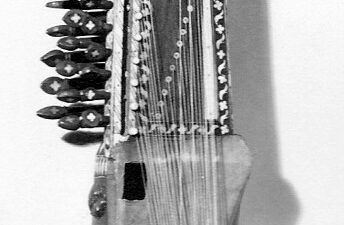
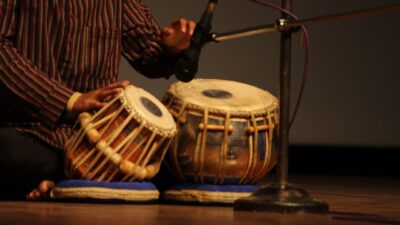
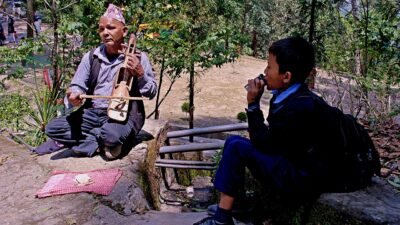
अशुतोष फाटक का संगीत रूपांतरण मूल कविता की लोक-सूफ़ी सौंदर्यशास्त्र का सम्मान करता है। सारंगी, हारमोनियम और तबला — अविभाजित पंजाब की ध्वनि वहन करने वाले वाद्ययंत्र। सोनम कलरा, अपनी सूफ़ी और भक्ति संगीत पृष्ठभूमि के लिए जानी जाती हैं, इस विलाप में ध्यानमग्न अधिकार लाती हैं। अल्तमश फ़रीदी भावनात्मक तात्कालिकता जोड़ते हैं।
अंग्रेज़ी में पढ़ें · Read in English
Ashutosh Phatak's musical adaptation respects the folk-Sufi aesthetic of the original poem, using sarangi, harmonium, and tabla as the tonal base — instruments that carry the sound of undivided Punjab. Sonam Kalra, known for her Sufi and devotional music background, brings meditative authority to the elegy, while Altamash Faridi (celebrated for romantic qawwali-adjacent compositions in Hindi film music) adds emotional urgency. The arrangement avoids contemporary orchestration in favour of an austere, almost ritual quality befitting the solemnity of the text.
काव्य The Poetry
अमृता प्रीतम की 'अज्ज आँखाँ वारिस शाह नूँ' (1947) को पंजाबी साहित्य की महानतम कविताओं में से एक माना जाता है। वारिस शाह — हीर-रांझा के कवि जिन्होंने स्वयं जाति और भाग्य से विभाजित पंजाब के बारे में लिखा — को संबोधित करते हुए, यह विभाजन की निजी त्रासदी को ब्रह्मांडीय विलाप में बदल देती है। चिनाब नदी खून में बहती, खेत लाशों से सफेद, पूरे पंजाब में दुःख की बुनाई। वारिस शाह को विशेष रूप से आह्वान करके, प्रीतम विभाजन को पंजाब के दुःख की लंबी विरासत में रखती हैं।
अंग्रेज़ी में पढ़ें · Read in English
Amrita Pritam's 'Aaj Akhan Waris Shah Nu' (1947) is considered one of the greatest poems in Punjabi literature. Written in the form of an appeal to Waris Shah — the poet of Heer-Ranjha who himself wrote of a Punjab divided by caste and fate — it transforms the private tragedy of Partition into cosmic lament. The poem's key images: the Chenab river running with blood, the fields white with corpses, the looms of grief woven across Punjab. By invoking Waris Shah specifically, Pritam places Partition within the long lineage of Punjab's suffering rather than treating it as a singular modern event.
कहानी The Story
फ्रीडम एट मिडनाइट का सीज़न 2 विभाजन के नरसंहार और गांधी पर हत्या के प्रयास (मदनलाल पाहवा द्वारा) को बेबाक तरीके से दर्शाता है। निर्माताओं ने अमृता प्रीतम की 1947 की कविता को सीज़न की भावनात्मक आत्मा के रूप में चुना। सोनम कलरा, जिन्होंने अपना करियर भारतीय शास्त्रीय और सूफ़ी कविता को आधुनिक संदर्भों में प्रस्तुत करने को समर्पित किया है, इस रूपांतरण के लिए स्वाभाविक पसंद थीं।
अंग्रेज़ी में पढ़ें · Read in English
Season 2 of Freedom at Midnight depicts the Partition massacres and Gandhi's assassination attempt (by Madanlal Pahwa) with unflinching directness. The producers chose Amrita Pritam's 1947 poem as the emotional soul of the season — a period work that brings the authentic voice of the Partition generation into a 21st-century streaming drama. Sonam Kalra, who has devoted her career to presenting Indian classical and Sufi poetry in modern contexts, was the natural choice for this adaptation.
विरासत The Legacy
अमृता प्रीतम की कविता 1947 के बाद से कई बार पाठ और संगीत में प्रस्तुत की गई है — सबसे उल्लेखनीय रूप से गुलज़ार के रूपांतरणों में और विभिन्न विभाजन वर्षगांठ स्मारकों में। हर नया रूपांतरण कविता को नई पीढ़ी के लिए पुनर्सक्रिय करता है। फ्रीडम एट मिडनाइट सीज़न 2 संस्करण अब तक के सबसे बड़े भारतीय स्ट्रीमिंग दर्शकों तक पहुँचता है।
अंग्रेज़ी में पढ़ें · Read in English
Amrita Pritam's poem has been recited and set to music many times since 1947 — most notably in Gulzar's adaptations and various Partition anniversary commemorations. Each new adaptation reactivates the poem for a new generation. The Freedom at Midnight Season 2 version reaches the largest Indian streaming audience yet, potentially introducing Pritam's elegy to millions who have never encountered it. Sonam Kalra's interpretation adds to a distinguished lineage of renditions.
वर्गीकरण
Classification- Tempo
- Slow
Genre
अन्य विवरण
More Details- JioSaavn album — https://api.jiosaavn.com/album/freedom-at-midnight-season-2-original-series-soundtrack/rZa3ctrJXnc_
- Spotify track — https://open.spotify.com/track/0anDYqbvptLokD7JCktkY9
- Cine-Tales review — https://www.cine-tales.com/freedom-at-midnight-season-2-review-sonyliv/
- Tribune India review — https://www.tribuneindia.com/news/movie-review/freedom-at-midnight-ii-charting-free-indias-tryst-with-destiny/
References
रोचक तथ्य
Margin Notesअमृता प्रीतम ने 'अज्ज आखाँ वारिस शाह नूं' 1947 में लिखी थी, जो ट्रेन से यात्रा के दौरान बंटवारे की हिंसा देखने की तत्काल प्रतिक्रिया थी। कहा जाता है कि उन्होंने इसे उसी ट्रेन में लिखा था।
अंग्रेज़ी में पढ़ें · Read in English
Amrita Pritam wrote 'Aaj Akhan Waris Shah Nu' in 1947 as an immediate response to witnessing the violence of Partition while travelling by train. She reportedly wrote it on the train itself.
वारिस शाह (1722-1798) ने पंजाबी की महाकाव्यात्मक प्रेम-कविता हीर-रांझा लिखी थी — प्रीतम उन्हें इसलिए याद करती हैं क्योंकि उन्होंने भी एक ऐसे पंजाब के बारे में लिखा था जहां प्रेम को सामाजिक और राजनीतिक ताक़तें नष्ट कर देती हैं।
अंग्रेज़ी में पढ़ें · Read in English
Waris Shah (1722-1798) wrote Heer-Ranjha, the epic Punjabi love poem — Pritam invokes him because he too wrote of a Punjab where love is destroyed by social and political forces.
अमृता प्रीतम (1919-2005) साहित्य अकादमी पुरस्कार (1956) पाने वाली पहली महिला थीं और बाद में उन्हें पद्म विभूषण (2004) से भी सम्मानित किया गया। उनकी कविताएं भारत में 2065 तक कॉपीराइट के अंतर्गत रहेंगी।
अंग्रेज़ी में पढ़ें · Read in English
Amrita Pritam (1919-2005) was the first woman to win the Sahitya Akademi Award (1956) and later the Padma Vibhushan (2004). Her poetry remains under Indian copyright until 2065.
फ़्रीडम एट मिडनाइट सीज़न 2 जनवरी 1948 में मदनलाल पाहवा द्वारा गांधी की हत्या के प्रयास पर आधारित है — यह बंटवारे के बाद हफ्तों तक चले उस दुःस्वप्न का दौर था जब सांप्रदायिक हिंसा अपने चरम पर थी।
अंग्रेज़ी में पढ़ें · Read in English
Freedom at Midnight Season 2 deals with the assassination attempt on Gandhi by Madanlal Pahwa in January 1948 — the weeks-long nightmare after Partition when communal violence was at its peak.
सोनम कालरा पहले भी सूफ़ी भक्ति संगीत और पंजाबी लोक रूपांतरणों का एक एल्बम जारी कर चुकी हैं, जिससे वे इस अमृता प्रीतम रचना के लिए एक स्वाभाविक चुनाव बनती हैं।
अंग्रेज़ी में पढ़ें · Read in English
Sonam Kalra has previously released an album of Sufi devotional music and Punjabi folk adaptations, making her a natural choice for this Amrita Pritam composition.
नमूना-पट्टी
The Specimen Table| शीर्षक | अज्ज आँखाँ वारिस शाह नूँ · Ajj Aankhan Waris Shah Nuu |
|---|---|
| फ़िल्म | फ्रीडम एट मिडनाइट सीज़न 2 · 2026 |
| वर्ष · युग | 2026 — Modern (2010+) |
| गायक | सोनम कलरा, अल्तमश फ़रीदी |
| गीतकार | अमृता प्रीतम |
| संगीतकार | अशुतोष फाटक |
| स्वरूप | युगल |
| गति | धीमी |
| भाषा | Punjabi |
| वाद्य | Strings · sarangi · tabla · harmonium |
| भाव | अविस्मरणीय · उदास · आध्यात्मिक |
| बोल-स्थिति | केवल झलक |
जुड़े हुए पन्ने
Connected Plates · The Graph Made Visibleअटलस में कोई पन्ना अकेला नहीं — इस गीत से जुड़े गीत, कलाकार, फ़िल्म, राग-ताल-विधा, सब यहाँ से खुलते हैं।
फ़िल्म · The Film
साझा कीजिए · Share this Plate