गीत विंग · गीत-पट्टिका · Song Plate
आई सुहानी ऋतु आई
Aayi Suhani Ritu Aayi
पपीहा बोलता है, पुरवाई डोलती है, और दो सखियाँ बग़ीचे में झूला झूलने चल पड़ती हैं — भूली हुई 'अमीरी' का वह पहला गीत जो आधुनिक श्रोताओं तक पहुँचा।
भावउत्सव · आनंदित · चुलबुला
भाषाhindi गतिमध्यम स्वरूपएकल महिला
श्रेय
The Creditsसूत्र-वाक्य · The Hook
सूत्र-वाक्य
पपीहा बोलता है, पुरवाई डोलती है, और दो सखियाँ बग़ीचे में झूला झूलने चल पड़ती हैं — भूली हुई 'अमीरी' का वह पहला गीत जो आधुनिक श्रोताओं तक पहुँचा।
In EnglishThe papeeha calls, the east wind stirs, and two friends set off for the garden to swing — the first song of the forgotten Amiree to reach a modern audience.
पट्टिका-लेख
The Monographपरिचय Overview
'अमीरी' (1945) का ऋतु-गीत और फ़िल्म का वह पहला गीत जो दिसंबर 2016 में ऑनलाइन प्रकाशित हुआ। यह आती हुई ऋतु का सीधा स्वागत है, जो उत्तर भारतीय वर्षा-गीत के दो सबसे पुराने संकेतों से बँधा है — पपीहे की पुकार और पुरवाई की गति — और वहीं समाप्त होता है जहाँ ऐसे गीत प्रायः समाप्त होते हैं, झूले वाले बग़ीचे में। 'हिंदी फ़िल्म गीत कोश' में न गायक का नाम है न गीतकार का; यहाँ प्रयुक्त गायक-श्रेय सारेगामा/एचएमवी सूची से है और विवादित बना हुआ है।
अंग्रेज़ी में पढ़ें · Read in English
The seasonal song of Amiree (1945) and the first from the film to be published online, in December 2016. It is a straightforward welcome to the arriving season, framed by the two oldest signals of the north Indian monsoon lyric — the call of the papeeha and the movement of the easterly purvaai — and it ends where such songs almost always end, in a garden with a swing. Neither singer nor lyricist is named in the Hindi Film Geet Kosh; the singer attribution used here comes from the Saregama/HMV catalogue and remains contested.
संगीत The Music
धुन शीर्षक-पंक्ति की पुनरावृत्ति से खुलती है और लय बैठने से पहले मुक्त आलाप में फैल जाती है — एक ऐसी युक्ति जो गायिका को गीत के ठीक से शुरू होने से पहले ऋतु का भाव स्थापित करने देती है। आगे जो आता है वह हल्का और उछाल भरा है, ऊँचे स्वर में, और टेक इतनी बार लौटती है कि वह लगभग समवेत-स्वर का काम करती है — यानी लोक-झूला गीत का आकार, स्टूडियो की वाद्य-सज्जा में अनूदित। दक्षिणा मोहन टैगोर संगत को पतला रखते हैं और भार आवाज़ पर छोड़ देते हैं, जो इस संगीत के दोनों बचे हुए गीतों का लक्षण है।
अंग्रेज़ी में पढ़ें · Read in English
The melody opens with the title phrase repeated and stretched into free vocalise before the rhythm settles, a device that lets the singer establish the season's mood before the song proper begins. What follows is light and buoyant, pitched high, with the refrain returning often enough to work as a chorus — the shape of a folk swing-song translated into studio arrangement. Dakshina Mohan Tagore keeps the accompaniment thin and lets the voice carry the piece, which is characteristic of the two surviving numbers from this score.
काव्य The Poetry
पद पूरी तरह विरासत में मिले वर्षा-चिह्नों से चलता है। पपीहे की पुकार, डोलती पुरवाई, सखी को बग़ीचे में झूला झूलने का न्योता: इनमें से हर एक उत्तर भारतीय ऋतु-भंडार का जमा-जमाया प्रतीक है, और यह गीत उन्हें बिना व्यंग्य या विस्तार के बरतता है। भीतर की ओर मुड़ने वाली एक ही पंक्ति है — यह स्वीकार कि मन में एक हलचल समा गई है — जो बरसात-गीत का मानक भावनात्मक भार है, जहाँ ऋतु का आना कभी केवल मौसम नहीं होता, बल्कि लालसा की वापसी होता है। चूँकि रचयिता अज्ञात है, इस पद का केवल वर्णन किया जा सकता है, श्रेय नहीं दिया जा सकता।
अंग्रेज़ी में पढ़ें · Read in English
The verse works entirely through inherited monsoon signs. The papeeha's cry, the swaying purvaai, the invitation to a sakhi to come to the garden and swing: each of these is a fixed counter in the north Indian seasonal repertoire, and the lyric uses them without irony or elaboration. The one line that turns inward is the admission that a restlessness has taken hold of the heart — the standard emotional payload of the barsaat song, where the season's arrival is never merely weather but the return of longing. Because the words are undocumented as to authorship, the verse can only be described, not credited.
कहानी The Story
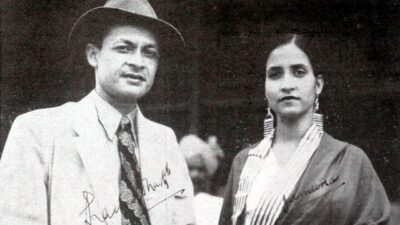
यही वह गीत था जिसके साथ 'अमीरी' (1945) और उसके संगीतकार, दोनों ने हिंदी फ़िल्म संगीत के आधुनिक ऑनलाइन अभिलेख में पहली बार प्रवेश किया — जब केवल इसका ऑडियो प्रस्तुत किया जा सका, न फ़िल्मांकन, न फ़िल्म की कोई प्रति। फ़िल्म का निर्देशन पी. सी. बरुआ ने एक कलकत्ता कंपनी के लिए किया था, मुख्य भूमिकाओं में बरुआ और जमुना थे, और सहायक कलाकारों की लंबी सूची में रमोला, अहीन्द्र चौधरी, मोलिना, माया बनर्जी और रणजीत रॉय शामिल थे। उस समय पाठकों से आवाज़ पहचानने या यह बताने का आग्रह किया गया था कि गीत परदे पर कैसे रचा गया; दो साल बाद पहला उत्तर आया, और उसने प्रश्न सुलझाया नहीं।
अंग्रेज़ी में पढ़ें · Read in English
This was the song with which Amiree (1945) and its composer both made their first appearance in the modern online record of Hindi film music, when only its audio — no picturisation, no film print — could be produced. The film was directed by P. C. Barua for a Calcutta company, with Barua and Jamuna in the lead and a large supporting cast that included Ramola, Ahindra Choudhury, Molina, Maya Banerjee and Ranjit Roy. Readers were invited at the time to identify the voice or explain how the song was staged; two years later a first answer arrived, and it did not settle the question.
विरासत The Legacy
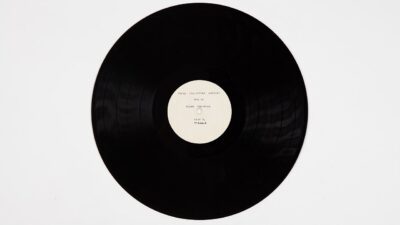
इस रिकॉर्डिंग को लेकर पहचान का विवाद स्वयं इस बात का छोटा-सा उदाहरण है कि विभाजन-पूर्व फ़िल्म संगीत का पुनर्निर्माण कैसे होता है। सारेगामा/एचएमवी की सूची नीलिमा बनर्जी को श्रेय देती है। बाद में स्वर-पहचान के एक विशेषज्ञ ने इसके बदले सुप्रभा सरकार का नाम प्रस्तावित किया, और शोधकर्ता सदानंद कामथ — जिन्होंने पहले सारेगामा वाला श्रेय आगे बढ़ाया था — ने कहा कि वे इस संशोधन से सहमत हैं। दोनों श्रेय यहाँ दर्ज हैं, सूची वाला नाम श्रेय-खंड में रखा गया है और विवाद टिप्पणी में, क्योंकि किसी भी पक्ष में मूल रिकॉर्ड-लेबल का प्रमाण सामने नहीं आया है।
अंग्रेज़ी में पढ़ें · Read in English
The identification dispute around this recording is itself a small case study in how pre-Partition film music is reconstructed. The Saregama/HMV listing credits Neelima Banerjee. Later, a specialist in voice identification proposed Suprabha Sarkar instead, and the researcher Sadanand Kamath — who had earlier passed on the Saregama credit — said he agreed with the revision. Both attributions are recorded here, with the catalogue name retained in the credits and the dispute noted, because no primary disc label evidence has been produced either way.
वर्गीकरण
Classification- Tempo
- Medium
Genre
अन्य विवरण
More Details- https://myswar.co/album/ameeri-1945
- https://en.wikipedia.org/wiki/List_of_Hindi_films_of_1945
- https://bombaymann2.blogspot.com/2020/08/film-amiree1945.html
- https://atulsongaday.me/list-of-songs-moviewise/
- https://atulsongaday.me/2016/12/21/aayi-aayi-suhaani-ritu-aayi/
- https://www.hindigeetmala.net/movie/ameeri_1945.htm
References
रोचक तथ्य
Margin Notesदिसंबर 2016 में अभिलेखीय ब्लॉग 'अतुल्स सॉन्ग अ डे' पर 'अमीरी' (1945) और उसके संगीत निर्देशक — दोनों की यह पहली उपस्थिति थी; केवल ऑडियो बचा है, और ब्लॉग के पाठकों से पूछा गया कि गीत परदे पर कैसे रचा गया था, पर उत्तर नहीं मिला।
अंग्रेज़ी में पढ़ें · Read in English
This was the debut appearance of both the film Amiree (1945) and its music director on the archival blog Atul's Song A Day, in December 2016 — only audio survives, and the blog's readers were asked, without success, to describe how the song had been picturised.
सारेगामा/एचएमवी की सूची में यह गीत नीलिमा बनर्जी के नाम है, लेकिन बाद में स्वर-पहचान के एक विशेषज्ञ ने सुप्रभा सरकार का नाम प्रस्तावित किया, और यह विवाद रिकॉर्ड-लेबल के प्रमाण से कभी सुलझा नहीं।
अंग्रेज़ी में पढ़ें · Read in English
The song is credited to Neelima Banerjee in the Saregama/HMV listing, but a voice-identification specialist later proposed Suprabha Sarkar, and the dispute has never been resolved from disc-label evidence.
नमूना-पट्टी
The Specimen Table| शीर्षक | आई सुहानी ऋतु आई · Aayi Suhani Ritu Aayi |
|---|---|
| फ़िल्म | अमीरी · 1945 |
| वर्ष · युग | 1945 |
| गायक | नीलिमा बनर्जी |
| संगीतकार | दक्षिणा मोहन टैगोर |
| स्वरूप | एकल महिला |
| गति | मध्यम |
| भाषा | hindi |
| भाव | उत्सव · आनंदित · चुलबुला |
| लोकप्रियता | Obscure |
| बोल-स्थिति | केवल झलक |
जुड़े हुए पन्ने
Connected Plates · The Graph Made Visibleअटलस में कोई पन्ना अकेला नहीं — इस गीत से जुड़े गीत, कलाकार, फ़िल्म, राग-ताल-विधा, सब यहाँ से खुलते हैं।
मिलते-जुलते गीत · Related Songs
फ़िल्म · The Film
साझा कीजिए · Share this Plate