शास्त्र विंग · वाद्य-पट्टिका · Instrument Plate
कुष़िताळम्
Kuzhitalam
अन्य नामकुळित्ताळम् · कुझित्ताळम् · കുഴിത്താളം (Malayalam) · Kuzhithalam
परिचय
Overviewकुष़िताळम् केरल के मंदिर-रंगमंच का कांसे से ढला हुआ छोटा किन्तु गहरा ताल-युग्म है — 'कुऴि' अर्थात् गहराई ही इसकी घंटी-सी लंबी टनकार का स्रोत है। कूडियाट्टम्, नंगियार कूत्तु और चाक्यार कूत्तु में यह मिऴावु और इटक्का के साथ समय थामता है; नंगियार कूत्तु में तो स्त्री-कलाकार स्वयं इसे बजाते हुए संस्कृत श्लोक-पाठ और मुद्रा-अभिनय करती है। यह बाज़ार या फ़िल्म का वाद्य नहीं, अनुष्ठान और अनुशासन का वाद्य है।
अंग्रेज़ी में पढ़ें · Read in English
The kuzhitalam is a small but deep pair of cast-bronze rhythm cymbals from Kerala's temple theatre — the 'kuzhi', or hollow, is the very source of its long, bell-like ring. In Koodiyattam, Nangiar Koothu and Chakyar Koothu it keeps time alongside the mizhavu and edakka; in Nangiar Koothu the woman performer plays it herself while reciting Sanskrit verse and acting through hand-gestures. It is not an instrument of the marketplace or the cinema, but of ritual and discipline.
वर्गीकरण
ClassificationNatya Shastra Category
घन (Ghana - idiophones / solid struck instruments)
नाट्यशास्त्र की चतुर्विध वाद्य-प्रणाली में कुष़िताळम् 'घन वाद्य' वर्ग में आता है — वे वाद्य जो अपने ठोस पदार्थ (कांसे) के परस्पर आघात से ही ध्वनि उत्पन्न करते हैं, बिना किसी तार, झिल्ली या फूँक के। दो प्यालेनुमा कांसे की चकतियाँ आपस में टकराकर ताल की गूँज पैदा करती हैं।
In the Natya Shastra's fourfold instrument system, the kuzhitalam belongs to the 'Ghana Vadya' (idiophone) class — instruments that produce sound purely from the vibration of their own solid material (bronze), without any string, membrane or breath. Two deep bronze cup-cymbals strike each other to produce a resonant rhythmic chime.
Western Category
Idiophone — concussion cymbals (struck pair)
Western Family
Cymbal family — small deep-cupped hand cymbals (comparable to crotales / finger cymbals but temple-tuned and thicker)
Sub Classification
बनावट
PhysicalDescription Hindi
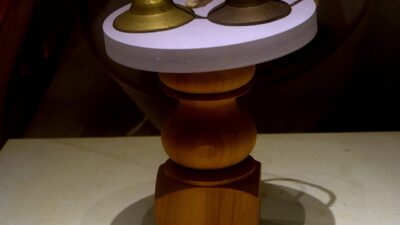
कुष़िताळम् कांसे (घंटा-धातु) से ढला हुआ छोटा किन्तु मोटा, गहरे प्याले के आकार का ताल-युग्म है। इसके नाम में ही इसका रहस्य है — मलयालम में 'कुऴि' का अर्थ है गड्ढा या गहराई, और 'ताळम्' का अर्थ ताल या झांझ। सपाट इलत्ताळम् (Elathalam) से अलग, कुष़िताळम् की प्रत्येक चकती के बीच एक गहरा कटोरानुमा उभार होता है, जो इसे लंबी, घंटी-सी टनकार देता है। दोनों चकतियाँ एक डोरी से जुड़ी होती हैं और हर हाथ में एक पकड़कर आपस में टकराई जाती हैं।
Description English
The kuzhitalam is a small but thick pair of bronze (bell-metal) cup-cymbals cast in a deep bowl shape. Its very name reveals its form — in Malayalam 'kuzhi' means a hollow or pit, and 'talam' means cymbal or rhythm. Unlike the flat elathalam, each disc of the kuzhitalam has a deep central cup, which gives it a long, bell-like ring. The two discs are joined by a cord and one is held in each hand to be struck against each other.
Body
Two matched circular discs, each with a deep central cup (bowl) and a narrow flat rim
दो समान गोल चकतियाँ, प्रत्येक के बीच गहरा कटोरा और किनारे पर पतली सपाट धार
Bronze / bell-metal (an alloy of copper and tin), traditionally cast by hereditary metal-smiths
कांसा / घंटा-धातु (तांबा और टिन की मिश्रधातु), परंपरागत रूप से वंशानुगत धातु-कारीगरों द्वारा ढाली गई
6-10 (small — deliberately compact for hand play)
The deep cup is the defining feature — deeper than the elathalam or the North-Indian manjira — and lengthens the sustain into a temple-bell shimmer
The cupped hollow of each disc acts as its own miniature resonator, sustaining the tone after the strike
Pair And Cord
2 (a matched, tuned pair)
दोनों चकतियाँ बीच में छेद करके एक सूती या चमड़े की डोरी से बाँधी जाती हैं; यही डोरी वादक की पकड़ का आधार है।
Both discs are pierced at the centre of the cup and tied with a cotton or leather cord; this cord is the player's grip.
युग्म की दोनों चकतियाँ लगभग समान स्वर पर मिलाई जाती हैं ताकि आघात से एकल, स्पष्ट टनकार निकले, न कि दो अलग स्वर।
The two discs of the pair are matched to nearly the same pitch so the strike yields a single clear chime rather than two competing tones.
Striking
आघात-शैली
Strike technique
कोई अलग वादन-छड़ नहीं होती — दोनों चकतियाँ ही एक-दूसरे को प्रहार करती हैं। ऊर्ध्वाधर (ऊपर-नीचे) आघात लंबी गूँज देता है, जबकि किनारों का तिरछा स्पर्श छोटी, दबी हुई 'चुप' ध्वनि देता है।
There is no separate beater — the two discs strike each other. A vertical (up-down) strike gives a long ring, while an oblique edge-touch gives a short, damped 'chick' sound.
गूँज को रोकने के लिए वादक चकती को छाती या हथेली से दबा देता है — यही तालबद्ध विराम (मुक्त और बंद बोल) की कुंजी है।
To stop the ring the player presses a disc against the chest or palm — this is the key to the rhythmic contrast between open (ringing) and closed (damped) strokes.
Dimensions Note
कुष़िताळम् जानबूझकर छोटा रखा जाता है ताकि एक हाथ से लंबे समय तक ताल दिया जा सके; यही कारण है कि नंगियार कूत्तु में स्त्री-कलाकार स्वयं इसे बजाते हुए घंटों श्लोक-पाठ कर सकती है।
The kuzhitalam is deliberately kept small so that a single hand can keep time for long stretches; this is why, in Nangiar Koothu, the woman performer can herself play it while reciting verses for hours.
Frets
यह एक ताल-वाद्य (घन वाद्य) है, अतः इसमें तार, फ्रेट या स्वर-मंडल नहीं होते; इसका कार्य लय-निर्धारण है, राग-वादन नहीं।
This is a rhythm (idiophone) instrument, so it has no strings, frets or melodic scale; its function is timekeeping, not melody.
ध्वनि-चरित्र
SoundTonal Character Hindi
कुष़िताळम् की ध्वनि तीखी किन्तु गोल है — इसका गहरा कटोरा आघात के बाद एक लंबी, घंटी-सी टनकार छोड़ता है जो मंदिर की देहरी पर देर तक गूँजती रहती है। सपाट झांझ के 'खट' के मुकाबले यह 'टन्न...' जैसी लटकती हुई अनुगूँज देता है।
Tonal Character English
The kuzhitalam's tone is sharp yet rounded — its deep cup leaves a long, bell-like ring after the strike that lingers on the temple threshold. Against the flat cymbal's abrupt 'clack', it gives a hanging 'taan...' resonance.
Timbre
Bright, metallic, with a sustained bell-like overtone from the cupped resonance
Range
Fixed-pitch percussion — a single tuned chime with rich upper partials (no melodic range)
Dynamic Range
From a barely-audible edge-tap keeping subtle time, to a full ringing strike that cuts across the mizhavu drum and conch
Techniques
सुनने का मार्गदर्शन
The Listening Guideकुष़िताळम् को पकड़ना हो तो किसी नंगियार कूत्तु या कूडियाट्टम् का वीडियो लगाइए और मिऴावु की गहरी थाप के ऊपर तैरती कांसे की उस बारीक, अटूट टनकार पर कान टिकाइए। खुली गूँज बनाम दबी हुई चोट का भेद सुनिए — यही ताल के भारी और हलके बोल अलग करता है। यह वाद्य चमक-दमक का नहीं, अनुशासन और निरंतरता का है।
अंग्रेज़ी में पढ़ें · Read in English
To listen for the kuzhitalam, choose a Koodiyattam or Nangiar Koothu recording and, amid the thunder of the drum, catch that fine, chiming pulse of bronze that never stops. Notice the difference between the open ring (on the sam) and the damped 'chick' — that contrast separates the principal and secondary beats of the cycle. Slowly you will realise that this tiny chime is the spine of the entire performance.
श्रवण-कक्ष · The Listening Room
देखें-सुनें
Nangiarkoothu by Guru Kalamandalam Girija Devi (Clip 3)
Nangiarkoothu / Nangyar Koothu by Guru Kalamandalam Girija Devi (Clip 1)
Sikhinisalabham — Koodiyattam performed by Kalamandalam Sangeet Chakyar
परिचय
Identity- Year Of Origin
- 900
अन्य विवरण
More DetailsTimbre
Bright, metallic, with a sustained bell-like overtone from the cupped resonance
रोचक तथ्य
Margin Notesगहराई का वाद्य — कुष़िताळम् और इलत्ताळम् दोनों केरल के कांसे के ताल-वाद्य हैं, किन्तु इनमें मूल भेद आकार का है: इलत्ताळम् सपाट थाली-सा है और 'खट' ध्वनि देता है, जबकि कुष़िताळम् गहरे कटोरे-सा है और लंबी, टनकती अनुगूँज देता है। नाम का 'कुऴि' (गड्ढा) यही गहराई दर्शाता है।
The kuzhitalam and the elathalam are both Kerala bronze rhythm instruments, but the essential difference is shape: the elathalam is flat and plate-like with an abrupt 'clack', while the kuzhitalam is deep and bowl-like with a long, chiming resonance. The 'kuzhi' (pit) in its name points to exactly this depth.
स्त्रियों का वाद्य — कूडियाट्टम् की अधिकांश वाद्य-भूमिकाएँ (जैसे मिऴावु) परंपरागत रूप से पुरुषों की रहीं, किन्तु नंगियार कूत्तु में कुष़िताळम् स्त्री-कलाकार (नंगियार) का अपना वाद्य है — वह इसे बजाते हुए ही अपना समूचा एकल-अभिनय प्रस्तुत करती है।
Most of Koodiyattam's instrumental roles (such as the mizhavu) were traditionally men's, but in Nangiar Koothu the kuzhitalam is the woman performer's (Nangiar's) own instrument — she presents her entire solo performance while playing it.
मंदिर की सीमा में जन्मा — कुष़िताळम् जिस कूडियाट्टम् का अंग है, वह सदियों तक केवल मंदिर के विशेष नाट्यगृहों 'कूत्तम्बलम्' में ही प्रस्तुत किया जाता था। 20वीं सदी के मध्य में गुरु मणि माधव चाक्यार जैसे कलाकारों ने इसे सार्वजनिक मंच पर लाकर बचाया।
The Koodiyattam of which the kuzhitalam is a part was, for centuries, performed only in the special temple theatres called 'koothambalams'. In the mid-20th century, artists such as Guru Mani Madhava Chakyar saved it by bringing it onto the public stage.
सवाल-जवाब
Questions & Answersकुष़िताळम् क्या है?
कुष़िताळम् केरल का कांसे से ढला हुआ छोटा, गहरे कटोरे वाला ताल-वाद्य (झांझ) है। यह घन वाद्य वर्ग का है और मुख्यतः कूडियाट्टम्, नंगियार कूत्तु तथा मंदिर-अनुष्ठानों में समय थामने के लिए बजाया जाता है।
कुष़िताळम् और इलत्ताळम् में क्या अंतर है?
दोनों केरल की कांसे की झांझ हैं, किन्तु इलत्ताळम् सपाट थाली-सा है और तीखी 'खट' ध्वनि देता है, जबकि कुष़िताळम् में गहरा कटोरा ('कुऴि') होता है जिससे लंबी, घंटी-सी टनकार निकलती है।
कुष़िताळम् कौन बजाता है?
मंदिर-रंगमंच परंपरा में इसे परंपरागत रूप से नंबियार समुदाय के कलाकार बजाते हैं। विशेष रूप से नंगियार कूत्तु में स्त्री-कलाकार (नंगियार) स्वयं कुष़िताळम् बजाते हुए संस्कृत श्लोक-पाठ और अभिनय करती है।
कुष़िताळम् किस श्रेणी का वाद्य है?
यह 'घन वाद्य' (idiophone) है — वह वर्ग जिसमें वाद्य अपने ठोस पदार्थ के आघात से ही ध्वनि उत्पन्न करता है, बिना तार, झिल्ली या फूँक के। नाट्यशास्त्र की चतुर्विध वाद्य-प्रणाली में यह घन वर्ग में आता है।
कुष़िताळम् किस परंपरा से जुड़ा है?
यह मुख्यतः कूडियाट्टम् — विश्व के प्राचीनतम जीवित संस्कृत रंगमंच रूपों में से एक — और उसकी शाखा नंगियार कूत्तु से जुड़ा है। कूडियाट्टम् को 2001 में यूनेस्को ने अमूर्त सांस्कृतिक धरोहर की उत्कृष्ट कृति घोषित किया।
नमूना-पट्टी
The Specimen Table| नाम | कुष़िताळम् · Kuzhitalam |
|---|---|
| अन्य नाम | कुळित्ताळम् · कुझित्ताळम् · കുഴിത്താളം (Malayalam) · Kuzhithalam · Kulittalam · Kuzhi Thalam |
| उद्गम | 900 |
| प्रकार | वाद्य · Instruments |
साझा कीजिए · Share this Plate