शास्त्र विंग · वाद्य-पट्टिका · Instrument Plate
गुइरो
Güiro (Reco-reco)
अन्य नामगुइरो · रेको-रेको (reco-reco / ब्राज़ीली रूप) · güiro (Spanish) · reco-reco (Portuguese/Brazilian)
परिचय
Overviewगुइरो एक खोखली लौकी पर खाँचे उकेरकर बनाया गया घिसाव-वाद्य है, जिसे छड़ (पुआ) से रगड़कर 'ज़िप' जैसी लयबद्ध खरखराहट निकाली जाती है। कैरेबियन ताइनो विरासत से जन्मा यह वाद्य साल्सा, सोन, कुम्बिया और — ब्राज़ीली 'रेको-रेको' रूप में — सांबा का ताल-स्तंभ है। हिंदी फ़िल्म-संगीत में यह आर.डी. बर्मन-युग की प्रयोगधर्मी, चंचल लयों में एक विदेशी 'रंग' के रूप में सुनाई देता है।
अंग्रेज़ी में पढ़ें · Read in English
The güiro is a scraped idiophone made by carving notches into a hollow gourd and rubbing them with a stick (púa) for a zipper-like rhythmic rasp. Born of Caribbean Taíno heritage, it is a rhythmic pillar of salsa, son and cumbia and — in its Brazilian 'reco-reco' form — of samba. In Hindi film music it is heard as a foreign 'colour' in the experimental, playful rhythms of the R.D. Burman era.
वर्गीकरण
ClassificationNatya Shastra Category
घन (Ghana - solid / idiophone instruments)
नाट्यशास्त्र की चतुर्विध वाद्य-प्रणाली में गुइरो 'घन' वर्ग में आता है — अर्थात् वे ठोस वाद्य जो स्वयं कंपित होकर ध्वनि उत्पन्न करते हैं, न कि तार या झिल्ली से। गुइरो को खरोंच कर (घिसाव-आधारित इडियोफ़ोन) बजाया जाता है, जैसे भारतीय खड़ताल या करताल घन-वर्ग में आते हैं। यह भारतीय मूल का वाद्य नहीं है, अतः यह वर्गीकरण केवल तुलनात्मक/संदर्भ हेतु है।
In the four-fold Natya Shastra instrument system, the güiro falls under 'Ghana' (solid/idiophone) — instruments that vibrate in themselves rather than through a string or membrane. The güiro is a scraped idiophone, comparable in classification to Indian khartal or manjira. It is not an instrument of Indian origin, so this categorisation is offered for comparative/reference purposes only.
Western Category
Scraped percussion idiophone
Western Family
Scraper / rasp family (Hornbostel-Sachs 112.23 — scraped idiophones), alongside the Latin American guacharaca and güira and the orchestral washboard
Sub Classification
बनावट
PhysicalDescription Hindi
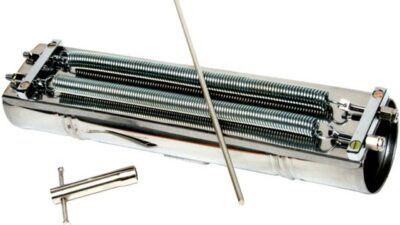
गुइरो एक खोखला, एक सिरे से खुला वाद्य है जिसकी एक सतह पर समानांतर खाँचे (नालियाँ/रिज़) उकेरे जाते हैं। पारंपरिक रूप से यह लौकी (कैलाबाश) से बनता है; आधुनिक रूप लकड़ी, फ़ाइबरग्लास, प्लास्टिक या धातु के होते हैं। बजाने के लिए एक पतली छड़ (स्पेनिश में 'púa' या 'pua', अथवा धातु काँटा) को खाँचों पर ऊपर-नीचे रगड़ा जाता है, जिससे 'ज़िप' जैसी खरखराती-लयबद्ध ध्वनि निकलती है। ब्राज़ीली 'रेको-रेको' रूप में बाँस, नारियल-लौकी, या स्प्रिंग लगे धातु-सिलेंडर पर छड़ फिराई जाती है।
Description English
The güiro is a hollow, open-ended instrument with parallel notches (ridges/grooves) carved along one surface. Traditionally made from a dried calabash gourd; modern versions are wood, fibreglass, plastic, or metal. It is played by scraping a thin stick (the 'púa/pua' in Spanish, or a metal-tined comb) up and down across the notches, producing a zipper-like, ratchet rhythm. In the Brazilian 'reco-reco' form the stick is drawn across bamboo, a coconut-gourd body, or a spring-fitted metal cylinder.
Body
Elongated hollow tube or bottle-gourd shape, open at one end
लंबा खोखला बेलन या लौकी-आकार, एक सिरे से खुला
Traditionally dried calabash gourd; modern: wood, fibreglass, plastic, or metal (reco-reco often bamboo or sprung steel)
परंपरागत रूप से सूखी लौकी (कैलाबाश); आधुनिक: लकड़ी, फ़ाइबरग्लास, प्लास्टिक या धातु (रेको-रेको प्रायः बाँस या स्प्रिंगयुक्त इस्पात)
25-45
The hollow gourd/tube body itself acts as the resonating chamber that amplifies the scraped ridges; the open end projects the sound
Notches
खाँचे / नालियाँ
Notches / ridges
Typically 12-30 parallel grooves
एक सतह पर उकेरे गए समानांतर उभार-खाँचे। छड़ जब इन पर फिराई जाती है तो प्रत्येक खाँचा एक क्लिक देता है और तेज़ घिसाव पर ये मिलकर एकसार खरखराहट बन जाते हैं। खाँचों का घनत्व ध्वनि की खुरदरापन तय करता है।
Parallel raised ridges carved along one face. As the stick crosses them, each ridge gives a click; at speed they blur into an even rasp. Ridge density determines the coarseness of the tone.
Scraper
छड़ / पुआ (púa)
Scraper stick (púa)
Thin hardwood dowel, bamboo sliver, or a metal multi-tined comb/fork
पतली कठोर-लकड़ी की छड़, बाँस की तीली, या धातु का बहु-दंती काँटा/कंघी
Held in the dominant hand and drawn across the ridges; a metal-tined scraper yields a brighter, denser rasp than a single wooden stick
Reco Reco Variants
रेको-रेको तीन प्रमुख रूपों में मिलता है: (1) बाँस का रेको-रेको — बाँस पर काटी नालियाँ; (2) लौकी/कद्दू रेको-रेको — गुइरो जैसा ही; (3) स्प्रिंग रेको-रेको — धातु सिलेंडर पर दो-चार तनी हुई स्प्रिंगों पर छड़ फिराई जाती है, जिससे सांबा में तीखी, धात्विक खरखराहट मिलती है।
The reco-reco appears in three main forms: (1) bamboo reco-reco — notches cut into bamboo; (2) gourd/calabash reco-reco — essentially a güiro; (3) spring reco-reco — a metal cylinder with two to four tensioned springs scraped by the stick, giving samba its bright, metallic rasp.
Held
पकड़
Grip
गैर-प्रमुख हाथ में वाद्य को पकड़ा जाता है — प्रायः अँगूठा एक छिद्र में और अन्य उँगलियाँ दूसरे छिद्र में डालकर, ताकि हथेली अनुनाद-कक्ष को खुला रखे — और प्रमुख हाथ से छड़ चलाई जाती है।
Held in the non-dominant hand — often with the thumb in one sound-hole and fingers in the other so the palm leaves the resonating chamber open — while the dominant hand works the scraper.
Frets
गुइरो अस्वरित (unpitched) ताल-वाद्य है — इसमें फ्रेट या स्वर-निर्धारण नहीं होता; यह निश्चित पिच नहीं बल्कि लय और timbre देता है।
The güiro is an unpitched rhythm instrument — it has no frets or fixed pitch; it contributes rhythm and timbre rather than a definite note.
ध्वनि-चरित्र
SoundTonal Character Hindi
गुइरो की ध्वनि सूखी, खुरदरी और लयबद्ध होती है — एक 'ज़िप' या घड़घड़ाहट जैसी। लंबे घिसाव में यह फैली हुई खरखराहट देती है और छोटे झटकों में तीखे, विरामयुक्त क्लिक। यह गीत को नमी और 'ग्रूव' देती है, विशेषकर लैटिन और सांबा लय में।
Tonal Character English
The güiro's tone is dry, grainy, and rhythmic — a zipper-like rasp. Long scrapes give a spread-out rustle; short flicks give sharp, punctuated clicks. It lends 'groove' and forward motion to a song, especially in Latin and samba rhythms.
Timbre
Dry, rasping, wooden-to-metallic depending on body material; no sustained pitch
Range
Unpitched / indefinite pitch (a noise-band percussion colour, not a melodic range)
Dynamic Range
Moderate — from a soft brushed rustle to a cutting, accented rasp; naturally acoustic and rarely amplified
Techniques
सुनने का मार्गदर्शन
The Listening Guideगुइरो को पहचानना हो तो किसी साल्सा या चा-चा-चा गीत की ताल-परतें अलग-अलग सुनिए — कोंगा-बोंगो के बीच वह 'ज़िप-ज़िप' खरखराहट ही गुइरो है। फिर सांबा-बटेरिया में सतत धात्विक तरंग खोजिए — वह रेको-रेको है।
अंग्रेज़ी में पढ़ें · Read in English
To spot the güiro, peel apart the rhythm layers of a salsa or cha-cha-chá — between the conga and bongo, that 'zip-zip' rasp is the güiro. Then hear a samba bateria and find the continuous, fast metallic ripple — that is the reco-reco. Finally, try to catch that scraped colour in a playful R.D. Burman number.
श्रवण-कक्ष · The Listening Room
देखें-सुनें
How to Play the Guiro · 5:46
An Introduction To Reco Reco · 12:11
Güiro ou reco-reco de cabaça Ylu Brazil (demonstrativo) · 0:34
परिचय
Identity- Year Of Origin
- Pre-Columbian (Taíno origins, before 1492 CE)
अन्य विवरण
More DetailsTimbre
Dry, rasping, wooden-to-metallic depending on body material; no sustained pitch
रोचक तथ्य
Margin Notesएक वाद्य, कई नाम — यही घिसाव-सिद्धांत लैटिन अमेरिका में कई नामों से मिलता है: क्यूबा में 'guayo', डोमिनिकन गणराज्य में 'güira', कोलंबिया में 'guacharaca' (ये प्रायः धातु के) और ब्राज़ील में 'reco-reco'। सबकी आत्मा एक है — खाँचों पर छड़ की खरखराहट।
The same scraping principle appears under many names across Latin America: 'guayo' in Cuba, 'güira' in the Dominican Republic, 'guacharaca' in Colombia (often metal), and 'reco-reco' in Brazil. All share one soul — a stick rasping over notches.
गायक का दूसरा हाथ — क्यूबाई सोन और साल्सा में अक्सर गुइरो को स्वयं गायक बजाता है — एक हाथ में माइक और दूसरे में गुइरो — क्योंकि इसका लंबा-छोटा पैटर्न गीत की लय को बिना ध्यान भटकाए संभाले रखता है।
In Cuban son and salsa the güiro is often played by the singer — mic in one hand, güiro in the other — because its long-short pattern keeps the groove without demanding full attention.
भारतीय सजातीय: खड़ताल — वर्गीकरण की दृष्टि से गुइरो 'घन' (इडियोफ़ोन) वाद्य है, जैसे राजस्थानी खड़ताल या मंजीरा। अंतर यह कि खड़ताल टकराव से और गुइरो घिसाव से बजता है — पर दोनों ही अस्वरित लय-रंग देते हैं।
By classification the güiro is a 'Ghana' (idiophone), like the Rajasthani khartal or manjira. The difference: khartal is struck and the güiro is scraped — but both give an unpitched rhythmic colour.
सवाल-जवाब
Questions & Answersगुइरो क्या है?
गुइरो एक खोखली लौकी (या लकड़ी/धातु) पर उकेरे गए समानांतर खाँचों वाला घिसाव-आधारित ताल-वाद्य है। एक छड़ (पुआ) को खाँचों पर रगड़ने से 'ज़िप' जैसी लयबद्ध खरखराहट निकलती है। यह लैटिन अमेरिकी संगीत का प्रमुख ताल-वाद्य है।
गुइरो और रेको-रेको में क्या अंतर है?
रेको-रेको गुइरो का ब्राज़ीली रूप है। सिद्धांत वही है — खाँचों पर छड़ का घिसाव — पर रेको-रेको प्रायः बाँस या स्प्रिंगयुक्त धातु का होता है और सांबा-बटेरिया में प्रयुक्त होता है, जबकि गुइरो प्रायः लौकी का होता है और साल्सा/सोन में।
क्या गुइरो भारतीय शास्त्रीय संगीत का वाद्य है?
नहीं। गुइरो लैटिन अमेरिकी (कैरेबियन ताइनो) मूल का वाद्य है, हिंदुस्तानी शास्त्रीय संगीत का नहीं। वर्गीकरण की दृष्टि से यह 'घन' (इडियोफ़ोन) वाद्य है, जैसे भारतीय खड़ताल। हिंदी फ़िल्म-संगीत में यह विदेशी लय-रंग के रूप में यदा-कदा प्रयुक्त हुआ है।
गुइरो को कैसे बजाया जाता है?
गैर-प्रमुख हाथ में गुइरो पकड़कर, प्रमुख हाथ से एक छड़ को खाँचों पर ऊपर-नीचे रगड़ा जाता है। लंबे घिसाव (largo) और छोटे झटके (corto) मिलकर वह विशिष्ट पैटर्न बनाते हैं जो साल्सा या चा-चा-चा की लय को थामे रखता है।
नमूना-पट्टी
The Specimen Table| नाम | गुइरो · Güiro (Reco-reco) |
|---|---|
| अन्य नाम | गुइरो · रेको-रेको (reco-reco / ब्राज़ीली रूप) · güiro (Spanish) · reco-reco (Portuguese/Brazilian) · guayo / güira / guacharaca (धातु सजातीय) |
| प्रकार | वाद्य · Instruments |
साझा कीजिए · Share this Plate