कलाकार विंग · कलाकार-पट्टिका · Artist Plate
अनुपम घटक
Anupam Ghatak
जन्म1911 — Pathrail, Mymensingh, Bengal Presidency, British India (present-day Bangladesh)
निधन1956
जीवन-पट्टी
The Life Specimen| नाम | अनुपम घटक · Anupam Ghatak |
|---|---|
| जन्म | 1911 — Pathrail, Mymensingh, Bengal Presidency, British India (present-day Bangladesh) |
| निधन | 1956 |
| भूमिकाएँ | संगीतकार |
पट्टिका-लेख
The Monographजीवनी Biography
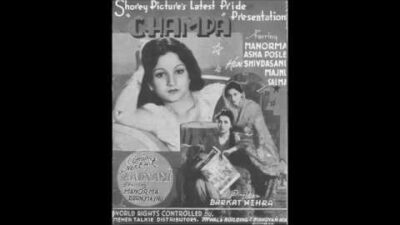
अनुपम घटक (11 अप्रैल 1911 – 12 दिसंबर 1956) एक बांग्ला-हिंदी फ़िल्म संगीत निर्देशक थे, जिनका जन्म बंगाल प्रेसीडेंसी (वर्तमान बांग्लादेश) के मयमनसिंह क्षेत्र के पथराइल गाँव में हुआ था। उन्होंने अपने पिता अतुल घटक और बाद में केशब गणेश ढेकान से बांसुरी वादन की शिक्षा ली, और लगभग 1930 में रेडियो पर गायन से अपने सार्वजनिक संगीत करियर की शुरुआत की। उन्होंने संगीतकार आर.सी. (बिशन चंद) बोराल के सहायक के रूप में फ़िल्म उद्योग में प्रवेश किया, "महुआ" (1934) और क्लासिक "विद्यापति" (1937) पर काम किया, इसके बाद बांग्ला फ़िल्म "पायेर धूलो" (1935) से स्वतंत्र संगीत निर्देशक के रूप में पदार्पण किया। घटक ने 1930 के दशक के अंत में हिंदी सिनेमा में कदम रखा, "टार्ज़न की बेटी" (1938) में संगीत दिया, और सागर मूवीटोन के लिए 1939 की कई फ़िल्मों — "सर्विस लिमिटेड", "लेडीज़ ओनली" और "साधना" — में संगीत रचा। उन्होंने 1940 और 1950 के दशक में भी हिंदी फ़िल्मों में संगीत देना जारी रखा, जिनमें "चंपा" (1945), "शालीमार" (1946, पंडित अमरनाथ और लछिराम तमर के साथ), "आई बहार" (1946), "फ़ैसला" और "ऐसा क्यों" (1947, कमल दासगुप्ता के साथ), "बंजारे" (1948), और "शमशीर" (1953, अरुण कुमार मुखर्जी के साथ) शामिल हैं। हिंदी फ़िल्मों में इस काम के साथ-साथ, घटक ने अपनी बड़ी प्रतिष्ठा बांग्ला सिनेमा में बनाई, जहाँ उन्हें आर.सी. बोराल और पंकज मलिक के बाद सबसे महत्वपूर्ण शुरुआती संगीतकारों में गिना जाता है। उनकी सबसे यादगार रचना बांग्ला फ़िल्म "अग्निपरीक्षा" (1954) के लिए है, जो गीतकार गौरीप्रसन्न मजूमदार और गायिका संध्या मुखोपाध्याय के साथ बनी। 12 दिसंबर 1956 को कलकत्ता में 45 वर्ष की आयु में उनका निधन हो गया।
अंग्रेज़ी में पढ़ें · Read in English
Anupam Ghatak (11 April 1911 - 12 December 1956) was a Bengali-Hindi film music director, born in Pathrail in the Mymensingh region of Bengal Presidency (present-day Bangladesh). He trained as a flautist under his father, Atul Ghatak, and later under Keshab Ganesh Dhekan, and began his public musical career singing on the radio around 1930. He entered the film industry as an assistant to composer R. C. (Bishen Chand) Boral, working on Mahua (1934) and the classic Vidyapati (1937), before making his independent debut as music director with the Bengali film Payer Dhulo (1935).
Ghatak crossed into Hindi cinema in the late 1930s, composing for Tarzan Ki Beti (1938) and, for Sagar Movietone, a string of 1939 releases including Service Limited, Ladies Only, and Sadhana. He continued to score Hindi films through the 1940s and into the 1950s, among them Champa (1945), Shalimar (1946, with Pandit Amarnath and Lachhiram Tamar), Aai Bahar (1946), Faisla and Aisa Kyun (1947, with Kamal Dasgupta), Banjaare (1948), and Shamsheer (1953, with Arun Kumar Mukherjee).
Alongside this Hindi-film output, Ghatak built his larger reputation in Bengali cinema, where he is regarded as one of the most important early composers after R. C. Boral and Pankaj Mullick. His best-remembered score is for the Bengali film Agni Pariksha (1954), created with lyricist Gauriprasanna Majumdar and singer Sandhya Mukhopadhyay. He died in Calcutta on 12 December 1956, at the age of 45.
अन्य विवरण
More Details- Birth Year
- 1911
- Death Year
- 1956
अभिलेख-सार
Discography Summary| संग्रह में गीत | 24 — नीचे जुड़े हुए पन्नों में सूचीबद्ध |
|---|
अभिलेख व संदर्भ
Archives & References| विकिपीडिया | Wikipedia |
|---|
जुड़े हुए पन्ने
Connected Plates · The Graph Made Visibleअटलस में कोई पन्ना अकेला नहीं — अनुपम घटक से उनके गीत, फ़िल्में, घराना, समकालीन और युग, सब यहाँ से खुलते हैं।
हस्ताक्षर-गीत · Signature Songs
फ़िल्में · The Films
साझा कीजिए · Share this Plate
यह पन्ना आगे बढ़ाइए
जुड़ी हुई दुनिया
Explore ConnectionsSongs Composed · संगीतबद्ध गीत (9)
 चम्पा1945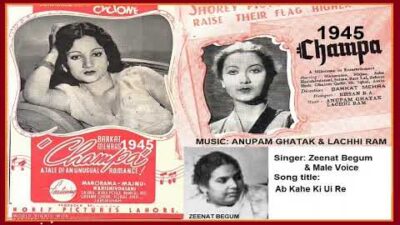
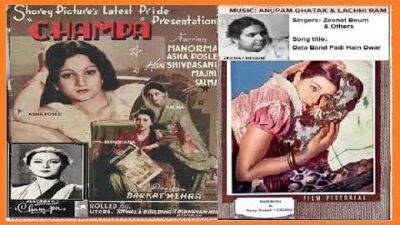
डोरिये की ओढ़नी में मलमल धोऊँ री
Doriye Ki Odhni Mein Mal Mal Dhoun Ri
Zeenat Begum, मुनव्वर सुल्ताना · Champa