गीत विंग · गीत-पट्टिका · Song Plate
दे दे ख़ुदा के नाम पे
De De Khuda Ke Naam Pe
14 मार्च 1931 को मैजेस्टिक सिनेमा के परदे पर एक फ़क़ीर ने हाथ फैलाया — और हिंदी सिनेमा तब से आज तक गा रहा है।
भावभक्ति · दार्शनिक
भाषाHindi · Urdu
श्रेय
The Creditsबोल · The Lyrics
पूरे बोल · Full Lyrics
कुछ चाहे अगर तो माँग ले मुझसे, हिम्मत है गर लेने की
Kuchh chaahe agar to maang le mujhse, himmat hai gar lene ki
शब्दकोश
Word Meaningsसूत्र-वाक्य · The Hook
सूत्र-वाक्य
14 मार्च 1931 को मैजेस्टिक सिनेमा के परदे पर एक फ़क़ीर ने हाथ फैलाया — और हिंदी सिनेमा तब से आज तक गा रहा है।
In EnglishA fakir held out his hand on the screen of the Majestic Cinema on 14 March 1931 — and Hindi cinema has been singing ever since.
पट्टिका-लेख
The Monographपरिचय Overview
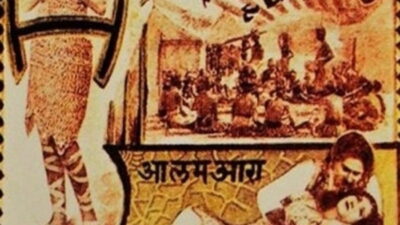
'दे दे ख़ुदा के नाम पे' भारतीय सवाक् सिनेमा का पहला गीत है — अर्देशिर ईरानी की आलम आरा (प्रीमियर 14 मार्च 1931, मैजेस्टिक सिनेमा, बम्बई) में फ़क़ीर बने डब्ल्यू.एम. ख़ान ने इसे हारमोनियम-तबले के साथ सजीव गाया; बोल जोसेफ़ डेविड के नाम दर्ज हैं। न कभी तवे पर उतरा, न फ़िल्म का कोई प्रिंट बचा — आज यह दो प्रसिद्ध पंक्तियों और हिंदी फ़िल्म-संगीत की आदि-किंवदंती के रूप में जीवित है।
अंग्रेज़ी में पढ़ें · Read in English
'De De Khuda Ke Naam Pe' is the first song of Indian sound cinema — sung live by W.M. Khan as a fakir in Ardeshir Irani's Alam Ara (premiered 14 March 1931, Majestic Cinema, Bombay), to harmonium and tabla, with lyrics credited to Joseph David. Never issued on disc, and lost with the film's last print, it survives as two famous lines and the founding legend of Hindi film music.
संगीत The Music
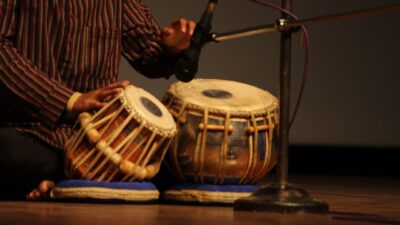
न कोई वाद्यवृंद, न संयोजक, न मिक्सिंग की मेज़ — बस फ़्रेम से ज़रा बाहर रखा एक हारमोनियम, एक तबला, और छिपे माइक्रोफ़ोनों में उतरती डब्ल्यू.एम. ख़ान की बिना यंत्र-सहारे की आवाज़, जिसे टैनार सिंगल-सिस्टम कैमरा सीधे फ़िल्म की पट्टी पर अंकित करता जाता था। एक टेक यानी एक सम्पूर्ण प्रस्तुति; गीत न काटा जा सकता था, न सँवारा, न बदला। दर्शकों ने वही सुना जो बम्बई की एक रात स्टूडियो के फ़र्श पर सचमुच घटा था — फ़िल्म-संगीत अपने सबसे कच्चे, सबसे ईमानदार रूप में।
अंग्रेज़ी में पढ़ें · Read in English
There was no orchestra, no arranger, no mixing console — only a harmonium and a tabla placed just out of frame, and W.M. Khan's unamplified voice caught by hidden microphones on the Tanar single-system camera, which burned sound directly onto the film strip. One take was one performance; the song could not be edited, sweetened or replaced. What the audience heard was exactly what happened on the studio floor one night in Bombay — film music in its rawest, most honest form.
काव्य The Poetry
ये बोल एक भिखारी की पुकार हैं, जिनके भीतर सूफ़ियों जैसा विरोधाभास धड़कता है: ख़ुदा के नाम पर मुझे दे, गर देने की ताक़त है — पर माँग मुझसे, गर लेने की हिम्मत है। जिस फ़क़ीर के पास कुछ नहीं, वह सब कुछ देने खड़ा है; देने वाला और माँगने वाला दो पंक्तियों में जगह बदल लेते हैं। पारसी रंगमंच के नाटककार जोसेफ़ डेविड ने — जिनकी क़लम से आलम आरा की कथा निकली — भारतीय बोलते सिनेमा का द्वार इश्क़ या तमाशे से नहीं, हिंदुस्तानी गली की सबसे पुरानी आवाज़ — फ़क़ीर की सदा — से खोला।
अंग्रेज़ी में पढ़ें · Read in English
The words are a beggar's call built on a paradox worthy of the Sufis: give to me in God's name if you have the strength to give — but ask of me, if you have the courage to receive. The fakir who owns nothing offers everything; the giver and the beggar trade places within two lines. Joseph David, the Parsi-stage playwright who wrote Alam Ara's scenario, opened Indian talking cinema not with romance or spectacle but with the oldest voice of the Indian street — the mendicant's sadaa.
कहानी The Story
फ़िल्म में डब्ल्यू.एम. ख़ान उस फ़क़ीर की भूमिका में थे जिसकी भविष्यवाणी आलम आरा के महल-कथानक को गति देती है; भिक्षा का यह गीत कथा में गुँथा हुआ था — वेशभूषा में, स्टूडियो के फ़र्श पर, सीधे कैमरे के सामने गाया गया। इम्पीरियल का जुगाड़ू साउंड-स्टेज रेल की पटरियों के पास था, इसलिए यह दृश्य — पूरी फ़िल्म की तरह — गहरी रात में फ़िल्माया गया, जब रेलें चुप हो जाती थीं। किसी ग्रामोफ़ोन कंपनी ने यह गीत रिकॉर्ड नहीं किया; फ़िल्मी गीत अभी बाज़ार की वस्तु बने ही नहीं थे। यह केवल फ़िल्म की रीलों में जीता रहा — और जब आख़िरी प्रिंट खो गया, तो हिंदी का पहला फ़िल्मी गीत छपे हुए शब्दों, यादों और बाद की पुनर्रचनाओं में सुरक्षित एक स्मृति बन गया।
अंग्रेज़ी में पढ़ें · Read in English
In the film, W.M. Khan appeared as a fakir whose prophecy sets the palace plot of Alam Ara in motion; his song of alms was woven into the story, sung in costume on the studio floor. Because Imperial's makeshift sound stage sat near railway tracks, the scene — like most of the film — was shot deep in the night, when the trains fell silent. No gramophone company recorded the song; film songs were not yet a commodity. It lived only inside the film's reels, and when the last print vanished, the first Hindi film song became a memory preserved in print, recollection and later re-creations.
विरासत The Legacy
हर हिंदी फ़िल्मी गीत — सहगल से स्ट्रीमिंग युग तक बहती सुरों की पूरी नदी — इसी एक फ़क़ीर की सदा से निकली है। इसका खो जाना भारतीय सिनेमा की सबसे मार्मिक रिक्तता है: दुनिया की सबसे बड़ी गीत-फ़िल्म संस्कृति का आदि-पाठ दो उद्धृत पंक्तियों और एक किंवदंती के रूप में बचा है। 'वह भिखारी का गीत जिससे सब शुरू हुआ' भारतीय सिनेमा के हर इतिहास में दर्ज है, और डब्ल्यू.एम. ख़ान — एक साधारण चरित्र-अभिनेता — के नाम वह 'पहला' है जो उनसे कोई नहीं छीन सकता।
अंग्रेज़ी में पढ़ें · Read in English
Every Hindi film song — the entire river of melody from Saigal to the streaming era — flows from this one fakir's call. Its loss is Indian cinema's most poignant absence: the founding text of the world's largest song-film culture survives as two quoted lines and a legend. The 'beggar's song that started it all' is cited in every history of Indian cinema, and W.M. Khan, an otherwise minor character actor, holds a first that can never be taken from him.
वर्गीकरण
ClassificationGenre
अन्य विवरण
More Details- Alam Ara — Wikipedia
- Encyclopaedia of Indian Cinema (Rajadhyaksha & Willemen) — Alam Ara entry
References
रोचक तथ्य
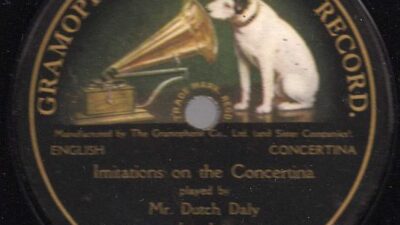
Margin Notesगीत कभी ग्रामोफ़ोन रिकॉर्ड पर जारी नहीं हुआ — 1931 में फ़िल्मी-गीत के तवों का बाज़ार ही नहीं था — इसलिए मूल ऑडियो कहीं नहीं बचा।
अंग्रेज़ी में पढ़ें · Read in English
The song was never released on gramophone record — in 1931 the film-song disc market did not yet exist — so no original audio survives anywhere.
यह कैमरे के पास छिपे हारमोनियम-तबले के साथ सजीव गाया गया; पार्श्वगायन के आने में अभी चार बरस बाक़ी थे।
अंग्रेज़ी में पढ़ें · Read in English
It was sung live to a harmonium and tabla hidden beside the camera; playback singing was still four years away.
आलम आरा के संगीत का श्रेय फ़ीरोज़शाह एम. मिस्त्री और बी. ईरानी के बीच आज तक विवादित है — आरंभिक टॉकीज़ के टाइटलों में 'संगीत निर्देशक' प्रायः लिखा ही नहीं जाता था।
अंग्रेज़ी में पढ़ें · Read in English
Alam Ara's music credits remain disputed between Ferozshah M. Mistri and B. Irani — early talkie titles rarely listed a 'music director' at all.
नमूना-पट्टी
The Specimen Table| शीर्षक | दे दे ख़ुदा के नाम पे · De De Khuda Ke Naam Pe |
|---|---|
| फ़िल्म | आलम आरा · 1931 |
| वर्ष · युग | 1931 — Early Talkie Era |
| गायक | W.M. Khan |
| गीतकार | Joseph David |
| संगीतकार | अप्रलेखित |
| भाषा | Hindi · Urdu |
| वाद्य | harmonium · tabla |
| भाव | भक्ति · दार्शनिक |
| बोल-स्थिति | सार्वजनिक |
जुड़े हुए पन्ने
Connected Plates · The Graph Made Visibleअटलस में कोई पन्ना अकेला नहीं — इस गीत से जुड़े गीत, कलाकार, फ़िल्म, राग-ताल-विधा, सब यहाँ से खुलते हैं।
कलाकार · The Artists
फ़िल्म · The Film
साझा कीजिए · Share this Plate