गीत विंग · गीत-पट्टिका · Song Plate
अपने मौला की जोगन बनूँगी
Apne Maula Ki Jogan Banoongi
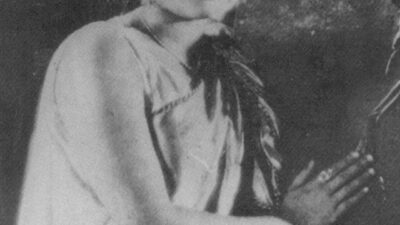
“अपने मौला की जोगन बनूँगी” — 1933 की फ़िल्म यहूदी की लड़की का एक गीत। संगीत: पंकज मलिक। बोल: आग़ा हश्र कश्मीरी / मिर्ज़ा ग़ालिब। गायन: रत्तन बाई।
भावरोमांटिक · Tragic
भाषाurdu
श्रेय
The Creditsसूत्र-वाक्य · The Hook
सूत्र-वाक्य
“अपने मौला की जोगन बनूँगी” — 1933 की फ़िल्म यहूदी की लड़की का एक गीत। संगीत: पंकज मलिक। बोल: आग़ा हश्र कश्मीरी / मिर्ज़ा ग़ालिब। गायन: रत्तन बाई।
In English“Apne Maula Ki Jogan Banoongi” — a song from the 1933 film Yahudi Ki Ladki. Music: Pankaj Mullick. Lyrics: Agha Hashar Kashmiri / Mirza Ghalib. Sung by Rattan Bai.
पट्टिका-लेख
The Monographपरिचय Overview
“अपने मौला की जोगन बनूँगी” 1933 की फ़िल्म यहूदी की लड़की के गीतों में से एक है। इसका संगीत पंकज मलिक ने दिया। बोल आग़ा हश्र कश्मीरी / मिर्ज़ा ग़ालिब के हैं। इसे रत्तन बाई ने गाया।
अंग्रेज़ी में पढ़ें · Read in English
“Apne Maula Ki Jogan Banoongi” is one of the songs from Yahudi Ki Ladki (1933). The music is by Pankaj Mullick. The lyrics are by Agha Hashar Kashmiri / Mirza Ghalib. It was performed by Rattan Bai.
संगीत The Music
“अपने मौला की जोगन बनूँगी” का संगीत यहूदी की लड़की (1933) के लिए पंकज मलिक ने रचा। स्वर: रत्तन बाई।
अंग्रेज़ी में पढ़ें · Read in English
“Apne Maula Ki Jogan Banoongi” was set to music by Pankaj Mullick for the 1933 film Yahudi Ki Ladki. It is rendered by Rattan Bai.
काव्य The Poetry
“अपने मौला की जोगन बनूँगी” के बोल आग़ा हश्र कश्मीरी / मिर्ज़ा ग़ालिब ने लिखे।
अंग्रेज़ी में पढ़ें · Read in English
The words of “Apne Maula Ki Jogan Banoongi” were written by Agha Hashar Kashmiri / Mirza Ghalib.
कहानी The Story
यहूदी की लड़की (1933), प्रेमांकुर आतर्थी निर्देशित, न्यू थिएटर्स — में रत्तन बाई ने केंद्रीय स्त्री-पात्र राहेल, यहूदी व्यापारी की बेटी, की भूमिका निभाई। रत्तन बाई एक प्रशिक्षित गायिका-अभिनेत्री थीं और प्रारंभिक ध्वनि-काल में न्यू थिएटर्स की कुछ प्रमुख महिला प्लेबैक आवाज़ों में से एक। 'अपने मौला की जोगन बनूँगी' — 'मैं अपने प्रभु की विरहिणी साधिका बनूँगी' — एक सूफ़ी-रंग का समर्पण-संकल्प है। 'जोगन' (वह स्त्री जिसने संसार त्यागकर अपने इष्ट-देव के लिए संन्यास लिया) उस भक्ति-सूफ़ी सातत्य का शब्द है जहाँ मानवीय विरह और दिव्य प्रेम एक ही आंदोलन हैं। फ़िल्म के संदर्भ में यह गीत राहेल का चरित्र-वक्तव्य है: वह अपना सर्वस्व अपने प्रेम पर न्योछावर करती है — और त्रासदी के नाटकीय तर्क में यही उसे सब-कुछ छीन लेता है। पंकज मलिक की रचनाओं में इस फ़िल्म में न्यूनतम संगत थी; अधिकांश गीत केवल तबले और हारमोनियम के साथ थे — एक साथ आर्थिक और सौंदर्यशास्त्रीय निर्णय। रत्तन बाई की आवाज़ में एक स्थिर, स्पष्ट प्रतिबद्धता थी — जो कह रहे हैं वह सच में मान रहे हैं — जो इस तरह के संकल्प-गीत के लिए किसी अलंकृत शैली से अधिक उपयुक्त थी।
अंग्रेज़ी में पढ़ें · Read in English
Yahudi Ki Ladki (1933), directed by Premankur Atorthy for New Theatres, featured Rattan Bai as the central female character — Rachel, the Jewish merchant's daughter. Rattan Bai was a trained singer-actress and one of the few female playback voices at New Theatres in the early sound period. 'Apne Maula Ki Jogan Banoongi' — 'I shall become a wandering devotee of my lord' — is a Sufi-inflected vow of surrender. The word 'jogan' (female wandering ascetic, a woman who has renounced the world for her deity-beloved) belongs to the bhakti-Sufi continuum where human longing and divine love are the same movement. In the context of the film, this song functions as a character statement by Rachel: she commits herself entirely to her love, which — in the dramatic logic of the tragedy — costs her everything. Pankaj Mullick's composition in this film used minimal instrumentation: most songs were accompanied only by tabla and harmonium, which was both an economic and an aesthetic decision. Rattan Bai's voice had a quality of steady, clear-throated commitment — the sound of someone who means what they're singing — that suited this kind of declaration-song better than any ornamental style would have.
विरासत The Legacy
यहूदी की लड़की की रत्तन बाई की रिकॉर्डिंग 78 rpm शेलैक पर बची हैं और प्रारंभिक भारतीय फ़िल्म संगीत के इतिहासों में 1940 के दशक से पहले न्यू थिएटर्स में उपलब्ध महिला-स्वर की विविधता के प्रमाण के रूप में उद्धृत की गई हैं। उनके द्वारा व्यक्त सूफ़ी-रंग की जोगन-छवि — वह स्त्री जो प्रेम में सब कुछ अर्पण करती है, रहस्यवादी त्याग की भाषा में — दशकों तक हिंदी फ़िल्म-गीतों में एक आवर्ती भाव-भूमि बनी रही।
अंग्रेज़ी में पढ़ें · Read in English
Rattan Bai's recordings from Yahudi Ki Ladki survive on 78 rpm shellac and have been cited in early Indian film music histories as documenting the range of female vocal styles available at New Theatres before the 1940s standardisation of playback. The Sufi-inflected jogan theme she voices here continued as a recurring motif in Hindi film songs for decades — the woman who surrenders all to love, expressed through the vocabulary of mystical renunciation.
वर्गीकरण
ClassificationGenre
अन्य विवरण
More Details- https://en.wikipedia.org/wiki/Yahudi_Ki_Ladki_(1933_film)
- https://apnaarchive.wordpress.com/2013/10/19/inhe-na-bhulana-pankaj-mullick/
References
रोचक तथ्य
Margin Notesरतन बाई, जिन्होंने 'यहूदी की लड़की' (1933) में गायन और अभिनय दोनों किया, न्यू थिएटर्स युग की उन गिनी-चुनी महिला गायिका-अभिनेत्रियों में से एक थीं जिन्होंने स्वयं अपना पार्श्वगायन किया।
अंग्रेज़ी में पढ़ें · Read in English
Rattan Bai, who sang and acted in Yahudi Ki Ladki (1933), was one of the few female singer-actresses of the New Theatres era who performed her own playback.
गीत के शीर्षक में 'जोगन' शब्द उस सूफ़ी-भक्ति परंपरा से लिया गया है जिसमें एक स्त्री दिव्य प्रेम की खातिर भटकती तपस्विनी बन जाती है — यह चरित्र पंजाबी और राजस्थानी लोक परंपराओं में आम है।
अंग्रेज़ी में पढ़ें · Read in English
The word 'jogan' in the song's title draws from the Sufi-bhakti tradition where a woman becomes a wandering ascetic for the sake of divine love — a figure common in Punjabi and Rajasthani folk traditions.
संगीत रचने वाले पंकज मलिक स्वयं गायक और संगीतकार दोनों थे; 'यहूदी की लड़की' ने हिंदी संगीत निर्देशक के रूप में उनकी शुरुआत को चिह्नित किया।
अंग्रेज़ी में पढ़ें · Read in English
Pankaj Mullick, who composed the music, was both a singer and a composer; Yahudi Ki Ladki marked his debut as a Hindi music director.
इस दौर में वाद्य संगत को न्यूनतम रखने की न्यू थिएटर्स की नीति का अर्थ था कि अधिकांश गीत केवल हारमोनियम और तबले पर आधारित होते थे — यह एक ऐसी नीति थी जो गायक की अभिव्यक्ति क्षमता पर पूर्ण निर्भरता रखती थी।
अंग्रेज़ी में पढ़ें · Read in English
New Theatres' approach of minimising instrumental accompaniment in this period meant most songs were harmonium-and-tabla only — a policy that placed total reliance on the singer's expressive capacity.
इस फ़िल्म में गीत लेखन का श्रेय संयुक्त रूप से आग़ा हश्र कश्मीरी और मिर्ज़ा ग़ालिब को दिया जाता है — पहले को मूल नाट्य छंदों के लिए, और दूसरे को संगीत में शामिल ग़ज़ल पाठों के लिए।
अंग्रेज़ी में पढ़ें · Read in English
The lyric credits in this film are attributed jointly to Agha Hashar Kashmiri and Mirza Ghalib — the former for original dramatic verses, the latter for ghazal texts incorporated into the score.
नमूना-पट्टी
The Specimen Table| शीर्षक | अपने मौला की जोगन बनूँगी · Apne Maula Ki Jogan Banoongi |
|---|---|
| फ़िल्म | यहूदी की लड़की · 1933 |
| वर्ष · युग | 1933 |
| गायक | Rattan Bai |
| गीतकार | आग़ा हश्र कश्मीरी / मिर्ज़ा ग़ालिब |
| संगीतकार | Pankaj Mullick |
| भाषा | urdu |
| भाव | रोमांटिक · Tragic |
| लोकप्रियता | Very_popular |
| बोल-स्थिति | सार्वजनिक |
जुड़े हुए पन्ने
Connected Plates · The Graph Made Visibleअटलस में कोई पन्ना अकेला नहीं — इस गीत से जुड़े गीत, कलाकार, फ़िल्म, राग-ताल-विधा, सब यहाँ से खुलते हैं।
मिलते-जुलते गीत · Related Songs
कलाकार · The Artists
फ़िल्म · The Film
साझा कीजिए · Share this Plate