मुख्यालय
बर्लिन, जर्मनी · Berlin, Germany
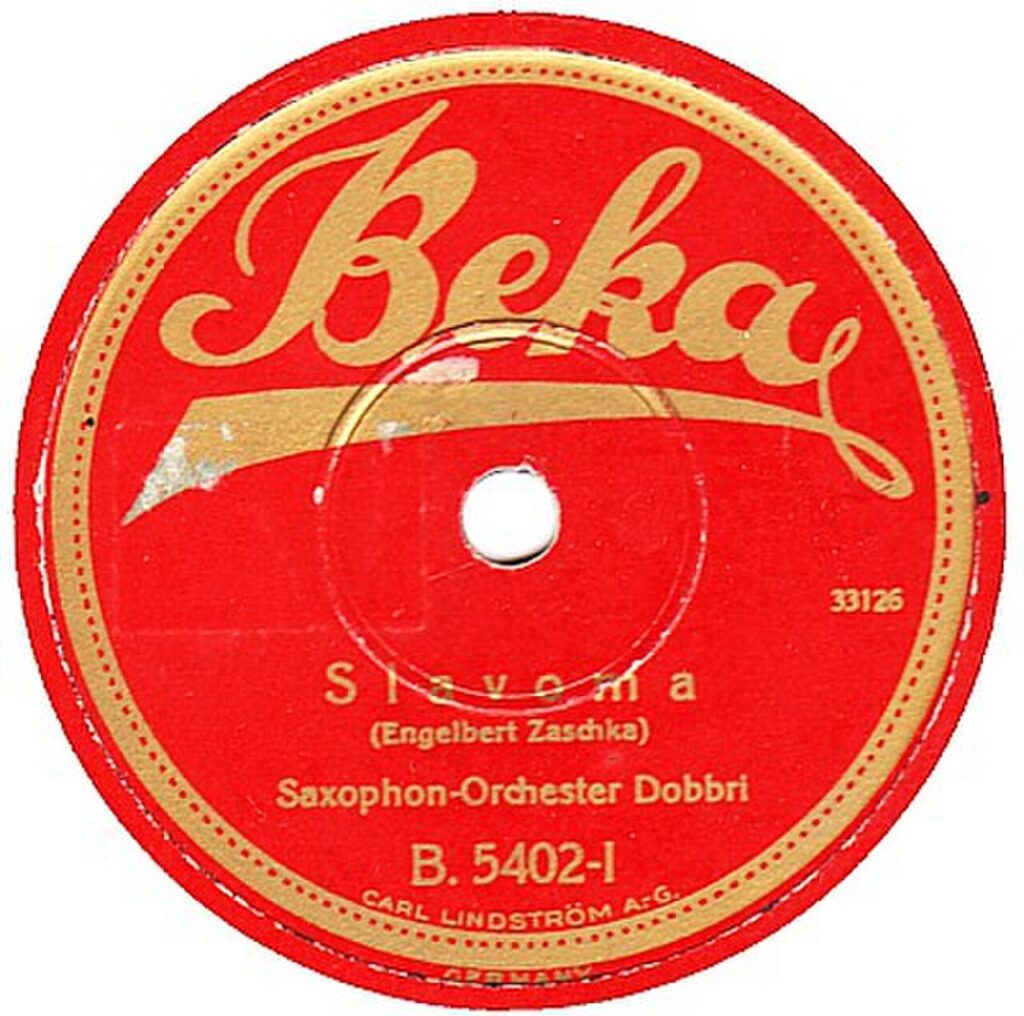
Beka Records
बेका रिकॉर्ड्स बर्लिन की कंपनी थी — हाइनरिश बुम्ब और मैक्स कोएनिश की फ़र्म 'बुम्ब उंड कोएनिश' से निकली, जिसके आद्याक्षरों (Be-Ka) से लेबल का नाम बना। 1903 में स्थापित यह कंपनी यूरोप में सस्ते, अच्छे रिकॉर्डों के दम पर तेज़ी से उभरी और फिर उसने वह किया जो उस दौर में किसी जर्मन लेबल ने नहीं किया था — 1905 के अंत में हाइनरिश बुम्ब ख़ुद रिकॉर्डिंग मशीनें लेकर एशिया के दौरे पर निकल पड़े। क़ाहिरा और इस्तांबुल होते हुए उनकी टोली भारत पहुँची — बम्बई और फिर कलकत्ता — जहाँ 1905-06 के उस दौरे में लगभग 300 भारतीय रिकॉर्डिंग्स की गईं: हिंदुस्तानी, उर्दू, मराठी, गुजराती और तमिल समेत कई भाषाओं में। नाटक मंडलियों के गायक, तवायफ़ें और साज़िंदे — बेका ने वह भी दर्ज किया जिस पर ग्रामोफ़ोन कंपनी की नज़र नहीं पड़ी थी, और सस्ती क़ीमतों से उसके एकछत्र राज को पहली गंभीर चुनौती दी। मास्टर बर्लिन में प्रेस होकर भारत लौटते थे। 1910 में बेका को कार्ल लिंडस्ट्रॉम एजी (ओडियन और पार्लोफ़ोन का समूह) ने ख़रीद लिया; पहले विश्व युद्ध ने जर्मन लेबलों का भारतीय कारोबार तोड़ दिया, पर बेका की वे शुरुआती तश्तरियाँ आज ध्वनि-इतिहास का क़ीमती दस्तावेज़ हैं।
Beka Records was a Berlin company — born of the firm of Heinrich Bumb and Max König, 'Bumb & König', whose initials (Be-Ka) gave the label its name. Founded in 1903, it rose quickly in Europe on inexpensive, well-made discs, and then did what no German label of the day had done: at the end of 1905 Heinrich Bumb himself set out for Asia with recording machines. Via Cairo and Constantinople his party reached India — Bombay and then Calcutta — where the 1905–06 tour cut around 300 Indian recordings in Hindustani, Urdu, Marathi, Gujarati, Tamil and other languages. Theatre singers, tawaifs and instrumentalists — Beka also documented performers the Gramophone Company had overlooked, and its cheaper prices mounted the first serious challenge to that company's near-monopoly. Masters were pressed in Berlin and shipped back to India. In 1910 Beka was acquired by Carl Lindström AG (the group behind Odeon and Parlophon); the First World War broke the Indian trade of the German labels, but those early Beka discs remain precious documents of recorded-sound history.
1905 से 1910 के बीच बेका भारतीय रिकॉर्ड बाज़ार की 'दूसरी लहर' का सबसे दमदार नाम था — उस प्रतिस्पर्धा का चेहरा जिसने क़ीमतें गिराईं, कलाकारों की फ़ीस बढ़ाई और ग्रामोफ़ोन कंपनी को अपनी पकड़ मज़बूत करने पर मजबूर किया।
Between 1905 and 1910 Beka was the strongest name of the 'second wave' in the Indian record market — the face of a competition that cut prices, raised artist fees and forced the Gramophone Company to tighten its grip.
बेका के भारतीय कैटलॉग के दस्तावेज़ बिखरे हुए हैं; जो नाम मिलते हैं उनमें बम्बई-कलकत्ता की नाटक मंडलियों के गायक, सलॉन की गायिकाएँ और पियारा साहेब जैसे वे बहु-लेबल कलाकार शामिल हैं जो उस दौर की लगभग हर कंपनी के लिए गाते थे।
Documentation of Beka's Indian catalogue is scattered; the names that survive include theatre singers of Bombay and Calcutta, salon vocalists, and multi-label artists like Peara Saheb who recorded for nearly every company of the era.