कहानियाँ विंग · कहानी
झाला: जब सितार आग पकड़ लेती है
Jhala: When the Sitar Catches Fire
राग का चरमोत्कर्ष जहाँ सितार बिजली की गति से नाचती है
प्रकाशित31 March 2026
आमुख
झाला सितार संगीत का सबसे रोमांचक अंग है, जहाँ संगीतकार अपनी वाद्य क्षमता की चरम सीमा तक पहुँचता है। यह केवल तकनीकी प्रदर्शनी नहीं है, बल्कि एक कलात्मक विस्फोट है जहाँ राग की आत्मा सर्वोच्च रूप में प्रकट होती है। झाला में सितार की चिकारी तारों का संगीत श्रोताओं के दिलों में बिजली दौड़ा देता है।
अंग्रेज़ी में पढ़ें · Read in English
Jhala is the most exciting component of sitar music, where the musician reaches the ultimate heights of instrumental capability. It is not merely a technical display, but an artistic explosion where the soul of the raag manifests in its supreme form. The music of the sitar's chikari strings in jhala sends electricity through the hearts of listeners.
झाला को समझना: एक राग का चरमोत्कर्ष
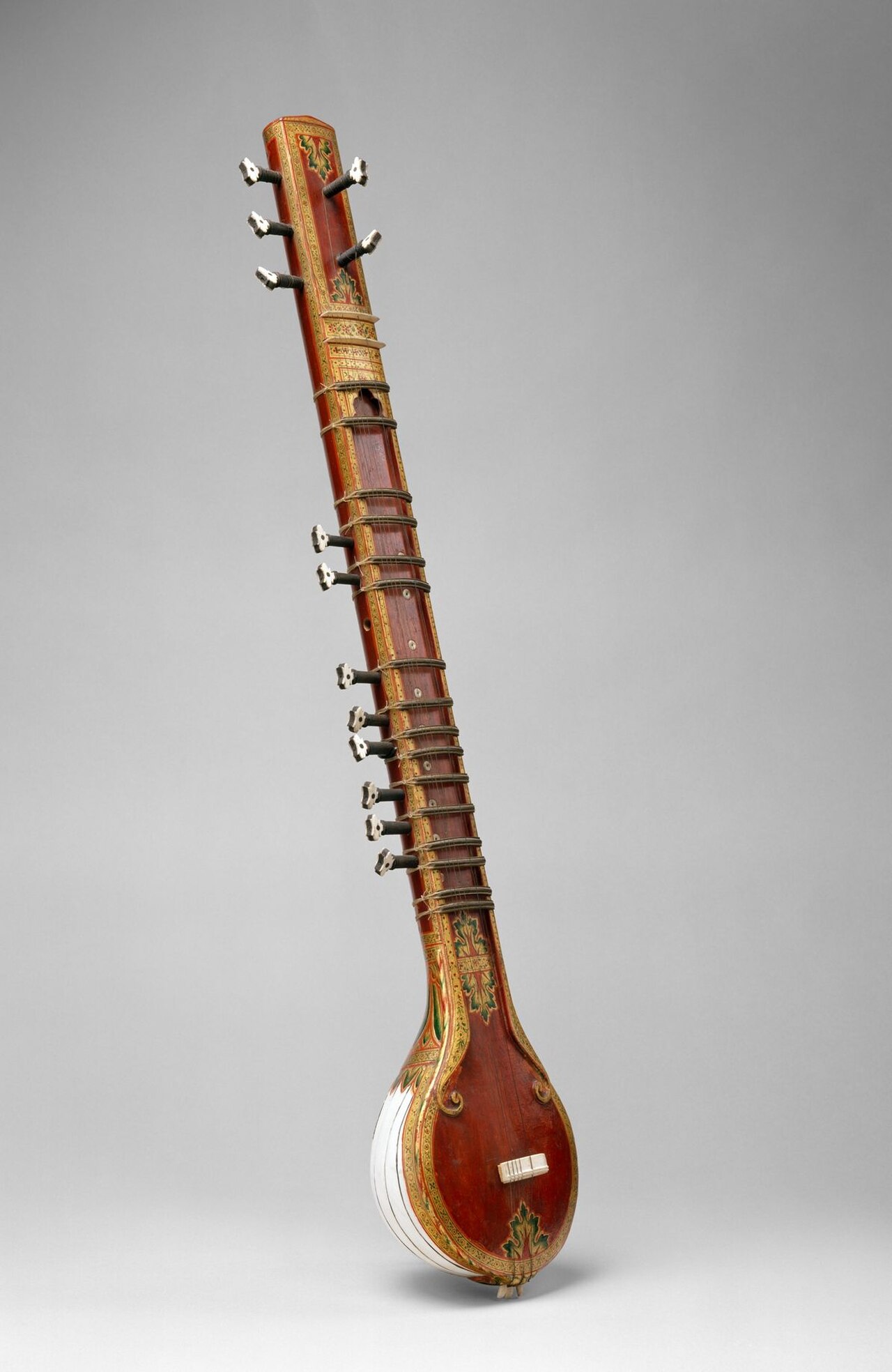
Understanding Jhala: The Climax of a Raagझाला का शाब्दिक अर्थ है 'तेज़' या 'दौड़ना', और यह एक राग की प्रस्तुति का चरमोत्कर्ष प्रतिनिधित्व करता है। अगर अलाप ध्यानपूर्ण खोज है और जोड़ लयात्मक विकास है, तो झाला विस्फोटक समापन है। झाला आमतौर पर लयात्मक संगति (ताल) के बिना किया जाता है, हालाँकि कुछ समकालीन कलाकार इसे तबला समर्थन के साथ खोजते हैं। झाला खंड तेज़ पैमानों, जटिल पैटर्न, और एक तात्कालिकता की भावना प्रदर्शित करता है जो भावनात्मक चरमोत्कर्ष तक बनता है। झाला को विशिष्ट बनाने वाली बात चिकारी तारों का गहन उपयोग है—सितार पर सहानुभूतिपूर्ण धातु तार जो मुख्य गीत तारों के साथ गूँजते हैं। जैसा कि संगीतकार तेज़, जटिल मार्ग निष्पादित करता है, ये चिकारी तारें सहानुभूतिपूर्ण रूप से कँपकँपाती हैं, एक चमकती, विद्युत् गुणवत्ता बनाती हैं जो झाला को अन्य प्रदर्शन खंडों से अलग करती है।
अंग्रेज़ी में पढ़ें · Read in English
Jhala literally means 'fast' or 'to rush,' and it represents the culmination of a raga's presentation. If alaap is the meditative exploration and jod is the rhythmic development, then jhala is the explosive finale. Jhala is typically performed without rhythmic accompaniment (tala), though some contemporary performers explore it with tabla support. The jhala section showcases rapid scales, intricate patterns, and a sense of urgency that builds to an emotional crescendo. What makes jhala distinctive is the intensive use of the chikari strings—the sympathetic metal strings on the sitar that resonate with the main melody strings. As the musician executes fast, complex passages, these chikari strings vibrate sympathetically, creating a shimmering, electric quality that distinguishes jhala from other performance sections. The technique requires not just finger dexterity but also a deep understanding of the raag's structure, knowing which melodic patterns will work best at high speed. A great jhala performance can leave the audience breathless, creating an almost hypnotic effect through sheer technical brilliance and artistic control.
झाला का जादू बनाने में चिकारी तारों की भूमिका
The Role of Chikari Strings in Creating Jhala's Magicचिकारी तारें (आमतौर पर चार से छः धातु तार) झाला की अनन्य ध्वनिक विशेषता के लिए मौलिक हैं। सितार की मुख्य बजने वाली तारों के विपरीत, जो फ्रेटबोर्ड के खिलाफ दबाई जाती हैं, चिकारी तारें मुख्य तारों के समानांतर चलती हैं और स्वतंत्र रूप से कँपकँपाती हैं। जब एक संगीतकार मुख्य तारों पर एक मार्ग निष्पादित करता है, तो चिकारी तारें सहानुभूतिपूर्ण रूप से गूँजती हैं, लगभग चमकती पृष्ठभूमि बनाती हैं। झाला में, संगीतकार लयात्मक रूप से चिकारी तारों को मारता है जबकि एक साथ मुख्य तारों पर मेलोडिक मार्ग बजाता है। यह एक आकर्षक बहु-लयात्मक बनावट बनाता है—एक हाथ तेज़ मेलोडिक आकृतियाँ बना रहा है जबकि दूसरा हाथ (या उँगली) चिकारी पर एक स्थिर, चलनेवाली नाड़ी मार रहा है। चिकारी की उच्च-पिच, धातु गुणवत्ता मिश्रण के माध्यम से काटती है, झाला को इसकी विशेषता चमक और ऊर्जा देती है।
अंग्रेज़ी में पढ़ें · Read in English
The chikari strings (typically four to six metal strings) are fundamental to jhala's unique sonic character. Unlike the main playing strings of the sitar, which are pressed against the fingerboard, the chikari strings run parallel to the main strings and vibrate freely. When a musician executes a passage on the main strings, the chikari strings resonate sympathetically, creating an almost shimmering backdrop. In jhala, the musician rhythmically strikes the chikari strings while simultaneously playing melodic passages on the main strings. This creates a fascinating polyrhythmic texture—one hand is creating rapid melodic figures while another hand (or finger) is striking a steady, driving pulse on the chikari. The chikari's high-pitched, metallic quality cuts through the mix, giving jhala its characteristic sparkle and energy. Different musicians approach the chikari differently: some keep it simple and steady, while master musicians like Ravi Shankar experimented with intricate patterns on the chikari itself, creating a secondary melody that complements the primary line. The interplay between the main melody and chikari accompaniment in jhala is one of sitar playing's most sophisticated techniques.
विभिन्न वाद्य यंत्रों पर झाला
Jhala on Different Instrumentsजबकि झाला सबसे प्रसिद्ध रूप से सितार से जुड़ा है, यह तकनीक विभिन्न भारतीय शास्त्रीय वाद्य यंत्रों में मौजूद है, प्रत्येक वाद्य की अनन्य विशेषताओं के लिए अनुकूलित है। सारोद पर, झाला अलग तरीके से किया जाता है क्योंकि सारोद में सहानुभूतिपूर्ण तार नहीं होते। इसके बजाय, सारोद वादक तेज़ मेलोडिक मार्गों के माध्यम से एक समान तेज़, ऊर्जावान निष्कर्ष बनाते हैं जो तीव्र हमले और शानदार उँगलियों के साथ बजाए जाते हैं। ध्वनि सितार की चमकती गुणवत्ता की तुलना में अधिक नुकीली और ताल-संबंधी है। रुद्र वीणा पर, एक प्राचीन तारदार वाद्य, झाला अधिक गौरवपूर्ण, राजसी चरित्र लेता है, अतिरिक्त बेस तार तेज़ मार्गों में गहराई जोड़ते हैं। बाँसुरी (बाँसुरी) जैसे वायु वाद्य यंत्र तेज़ उँगली-काम और श्वास नियंत्रण के माध्यम से झाला जैसे खंड निष्पादित कर सकते हैं, साँस की कमी की एक भावना बनाते हैं।
अंग्रेज़ी में पढ़ें · Read in English
While jhala is most famously associated with the sitar, the technique exists across various Indian classical instruments, each adapted to the instrument's unique characteristics. On the sarod, jhala is performed differently due to the sarod's absence of sympathetic strings. Instead, sarod players create a similar fast, energetic conclusion through rapid melodic passages played with intense attack and brilliant fingering. The sound is more pointed and percussive compared to sitar's shimmering quality. On the rudra veena, an ancient stringed instrument, jhala takes on a more solemn, majestic character, with the additional bass strings adding depth to the rapid passages. Wind instruments like the bansuri (flute) can execute jhala-like sections through rapid finger-work and breath control, creating a sense of breathless speed. Khayal singers in vocal music perform similar fast, climactic sections called 'taan' which serve a similar function to jhala in instrumental music, building to an emotional and technical apex. Each instrument's jhala reflects its tonal qualities and playing technique, yet all share the fundamental purpose of creating a climactic, high-energy conclusion to the raga's presentation.
तकनीक: गति, सटीकता, और कलात्मक नियंत्रण
The Technique: Speed, Precision, and Artistic Controlप्रामाणिक झाला का प्रदर्शन केवल गति से कहीं अधिक चाहता है; यह तकनीकी कौशल और कलात्मक इरादे के बीच सावधानीपूर्वक संतुलन की माँग करता है। एक संगीतकार को सबसे पहले राग के संरचनात्मक पैटर्न को समझना चाहिए—कौन से नोट संयोजन काम करते हैं, कौन से तनाव बनाते हैं, कौन से समाधान प्रदान करते हैं। फिर इन पैटर्न का क्रमबद्ध रूप से तेज़ गति में निष्पादन आता है, मध्यम रूप से तेज़ मार्गों से शुरू करके श्वास को काटने वाली गति तक बनाते हुए। उँगलियों को वर्षों के रियाज़ (अभ्यास) के माध्यम से असाधारण कौशल विकसित करना चाहिए, माँसपेशियों की स्मृति बनाते हुए जो उच्च गति पर जटिल मार्गों के लिए सचेत विचार के बिना अनुमति देती है। फिर भी एक साथ, संगीतकार को वाक्यांश, गतिशीलता, और भावनात्मक चाप की जागरूकता बनाए रखनी चाहिए। एक बड़ा झाला खंड तीव्रता में बनता है, तनाव और रिहाई बनाने के लिए गति को बदलता है, कभी-कभी जोर के लिए धीमा करने से पहले एक अंतिम चरमोत्कर्ष तक बनाते हुए।
अंग्रेज़ी में पढ़ें · Read in English
Performing authentic jhala requires far more than mere speed; it demands a careful balance between technical virtuosity and artistic intent. A musician must first understand the structural patterns of the raag—which note combinations work, which create tension, which provide resolution. Then comes the execution of these patterns at increasingly rapid speeds, starting from moderately fast passages and building to breathtaking velocities. The fingers must have developed extraordinary dexterity through years of riyaz (practice), creating muscle memory that allows for complex passages at high speed without conscious thought. Yet simultaneously, the musician must maintain awareness of phrasing, dynamics, and emotional arc. A great jhala section builds in intensity, varying speeds to create tension and release, occasionally slowing for emphasis before building to a final crescendo. The accompaniment—usually a tablaist keeping tala (rhythmic cycle)—is crucial. A responsive tabla player can energize a jhala performance, while an inflexible one can drain its vitality. The best jhala performances achieve what musicians call 'raag-bhav'—the complete manifestation of the raga's mood and character at its highest intensity. This requires not just technical skill but deep musicality and years of artistic maturation.
संगीत इतिहास में किंवदंती झाला प्रदर्शन
Legendary Jhala Performances in Concert Historyभारतीय शास्त्रीय संगीत का इतिहास झाला प्रदर्शनों से प्रकाशमान है जो किंवदंती बन गए हैं। रवि शंकर की झाला प्रस्तुतियाँ उनकी कलात्मकता की एक हस्ताक्षर बन गईं, इतनी विशिष्ट कि दर्शक चिकारी तारों की आवाज़ सुनते ही उनकी बजाई हुई चीज़ को पहचान सकते थे। 'राग बिहाग' और 'राग मधुवंती' में उनकी झाला को रूप में मास्टरक्लास माना जाता है। विलायत खान, किंवदंती सितार महारथ, झाला के साथ थोड़े अलग सौंदर्यशास्त्र के साथ संपर्क करते हैं, उच्च गति पर भी गीतात्मक गुणवत्ता पर जोर देते हैं। उनके छात्र इमरात खान ने इस परंपरा को आगे बढ़ाया, और समकालीन युग में, सितार वादक जैसे अनुष्का शंकर ने प्रदर्शित किया है कि कैसे झाला विकसित हो सकता है जबकि इसकी आवश्यक विशेषता को बनाए रखता है।
अंग्रेज़ी में पढ़ें · Read in English
The history of Indian classical music is illuminated by jhala performances that have become the stuff of legend. Ravi Shankar's jhala renditions became a signature of his artistry, so distinctive that audiences could recognize his playing within seconds of hearing the chikari strings. His jhala in 'Raga Bihag' and 'Raga Madhuvanti' are considered masterclasses in the form. Vilayat Khan, the legendary sitar maestro, approached jhala with a slightly different aesthetic, emphasizing lyrical quality even at high speeds. His student Imrat Khan carried this tradition forward, and in the contemporary era, sitar players like Anoushka Shankar have demonstrated how jhala can evolve while maintaining its essential character. The 2010 performance of 'Raga Bihag' by a renowned sitarist (592K YouTube views) showcases how traditional jhala continues to captivate modern audiences. In sarod, Amjad Ali Khan's jhala sections are famous for their percussive brilliance and structural clarity. These performances serve as both artistic inspiration and pedagogical examples for younger musicians learning the form. When a jhala performance works—when the musician achieves perfect balance between speed, precision, and emotional expression—it creates a transcendent moment that audiences never forget.
झाला बनाम जोड़: प्रगति को समझना
Jhala vs Jod: Understanding the Progressionझाला की पूरी तरह से सराहना करने के लिए, इसका जोड़ के साथ संबंध समझना आवश्यक है, वह खंड जो इससे पहले आता है। जोड़ और झाला दोनों राग को तेज़ गति पर खोजते हैं, लेकिन विशिष्ट विशेषताओं के साथ। जोड़ (शाब्दिक रूप से 'जुड़ना') नोट्स को एक लयात्मक, स्पंदनशील तरीके से जोड़ने की अवधारणा का परिचय देता है। तबला या अन्य लयात्मक संगति अक्सर जोड़ खंड के दौरान प्रवेश करते हैं, एक लयात्मक ढाँचा स्थापित करते हैं। जोड़ में अलाप की तुलना में तेज़ मार्ग होते हैं लेकिन एक निश्चित मेलोडिक स्पष्टता बनाए रखते हैं और कभी-कभी धीमे, अधिक गीतात्मक सामग्री में लौटते हैं। झाला, इसके विपरीत, विशुद्ध रूप से गति, ऊर्जा, और वाद्य की आभिजात क्षमता के बारे में है।
अंग्रेज़ी में पढ़ें · Read in English
To fully appreciate jhala, it's essential to understand its relationship with jod, the section that precedes it. Both jod and jhala explore the raag at rapid speeds, but with distinct characteristics. Jod (literally 'joining') introduces the concept of connecting notes in a rhythmic, pulsating manner. The tabla or another rhythmic accompaniment often enters during the jod section, establishing a rhythmic framework. Jod features faster passages than the initial alaap but maintains a certain melodic clarity and occasionally returns to slower, more lyrical material. Jhala, by contrast, is purely about speed, energy, and the instrument's virtuosic capabilities. There is typically no fixed rhythm (tala) in jhala; instead, the musician creates a sense of forward momentum through sheer rhythmic intensity and speed variation. The transition from jod to jhala marks a crucial moment in a raag's presentation—it signals the approach of climax. A skilled performer will time this transition perfectly, building anticipation through the jod and then unleashing the energy of jhala when the moment feels right. Some raag traditions blur these boundaries, and contemporary performers occasionally reorder or reimagine these sections, but the fundamental progression from introspection (alaap) to rhythmic engagement (jod) to climactic energy (jhala) remains central to how raags are structured.
झाला सीखना: व्यवस्थित अभ्यास के माध्यम से गति बनाना
Learning Jhala: Building Speed Through Systematic Practiceसितार छात्रों के लिए, झाला आमतौर पर अलाप और जोड़ में वर्षों के आधारभूत अध्ययन के बाद पेश किया जाता है। शिक्षक सरल, धीमी झाला मार्गों से शुरू करते हैं उँगलियों की ताकत और सटीकता विकसित करने के लिए। जैसे-जैसे छात्र प्रगति करता है, गति धीरे-धीरे बढ़ाई जाती है, पैटर्न अधिक जटिल होते हैं, और छात्र तेज़ गति पर भी स्पष्टता बनाए रखना सीखता है। झाला का अभ्यास पैटर्न ('बोल' या लयात्मक अक्षर कहा जाता है) की व्यवस्थित ड्रिलिंग पर बहुत अधिक निर्भर करता है। एक शिक्षक किसी छात्र को समान चार-नोट या पाँच-नोट पैटर्न को सैकड़ों बार अभ्यास करने के लिए कह सकता है, प्रारंभ में धीमी गति पर, धीरे-धीरे गति बढ़ाते हुए। यह उच्च गति पर जटिल सामग्री को निष्पादित करने के लिए आवश्यक न्यूरोलॉजिकल पाथवे बनाता है।
अंग्रेज़ी में पढ़ें · Read in English
For sitar students, jhala is typically introduced after years of foundational study in alaap and jod. Teachers begin with simple, slow jhala passages to develop finger strength and accuracy. As the student progresses, the speed is gradually increased, patterns become more complex, and the student learns to maintain clarity even at rapid tempos. The practice of jhala relies heavily on systematic drilling of patterns (called 'bols' or rhythmic syllables). A teacher might have a student practice the same four-note or five-note pattern hundreds of times, initially at slow speeds, gradually increasing tempo. This builds the neurological pathways necessary for executing complex material at high speeds. Most importantly, the student learns to understand the raag's structure intimately, knowing instinctively which patterns will work well in jhala. Advanced students study recordings of great sitarists, analyzing how different musicians construct their jhala sections, what patterns they use, and how they build climax. Eventually, as the student becomes advanced, they develop their own jhala vocabulary, creating original patterns that reflect their personal artistic vision while remaining true to the raag's essential character. This combination of disciplined technical practice and artistic freedom is what distinguishes great jhala performers from merely technically accomplished ones.
परिचय
IdentityEpithet
राग का चरमोत्कर्ष जहाँ सितार बिजली की गति से नाचती है
The climax of a raag where the sitar dances at lightning speed
श्रवण-कक्ष · The Listening Room
इस कहानी के वीडियो
राग बिहाग: अलाप जोड़ और झाला
राग मधुवंती में झाला
कहानी-नमूना
The Story Specimen| शीर्षक | झाला: जब सितार आग पकड़ लेती है · Jhala: When the Sitar Catches Fire |
|---|---|
| प्रकाशित | 31 March 2026 — admin |
और कहानियाँ
More Stories from the Atlas
साझा कीजिए · Share this Plate