कहानियाँ विंग · कहानी · Music Theory · 1908
संरक्षित तप्पा: ग्रामोफोन रिकॉर्डिंग ने एक मरती हुई शैली को कैसे पुनर्जीवित किया
The Tappa Preserved: How Gramophone Recordings Revived a Dying Form
कैसे ग्रामोफोन एक संग्रहीय उपकरण बन गया जिसने एक शास्त्रीय शैली को विलुप्त होने से बचाया
प्रकाशित31 March 2026
आमुख
बीसवीं सदी की शुरुआत तक तप्पा विलुप्ति के कगार पर था। परमेश्वरी बाई और ज़ोहरा बाई की ग्रामोफोन रिकॉर्डिंग ने अनजाने में इस लयबद्ध रूप से जटिल अर्ध-शास्त्रीय शैली को संरक्षित किया — और जब बाद की सदी में पुनरुज्जीवन की कोशिश हुई, तो इन्हीं रिकॉर्डिंग ने संगीतकारों को रास्ता दिखाया।
अंग्रेज़ी में पढ़ें · Read in English
By the early twentieth century, tappa was on the verge of extinction. The gramophone recordings of Parmeshwari Bai and Zohra Bai inadvertently preserved this rhythmically complex semi-classical form — and when revival efforts came later in the century, these recordings showed musicians the way.
विलुप्त होने के कगार पर तप्पा
Tappa at the Edge of Extinctionबीसवीं सदी की शुरुआत तक, तप्पा — एक छोटा, लयबद्ध रूप से जटिल अर्ध-शास्त्रीय गायन रूप — गिरावट में था। यह रूप अठारहवीं और उन्नीसवीं सदियों में पनपा, विशेष रूप से उत्तर भारतीय संगीतकारों और वेश्याओं के बीच। तप्पा अपनी तकनीकी चुनौती, बुद्धিमत्ता, कामुक स्पष्टता और परिष्कृत काव्य ग्रंथों के लिए अनुकूल थे।
अंग्रेज़ी में पढ़ें · Read in English
By the early twentieth century, tappa — the short, rhythmically complex semi-classical vocal form — was in decline. The form had flourished in the eighteenth and nineteenth centuries, particularly among North Indian musicans and courtesans. Tappas were favored for their technical challenge, their wit, their erotic playfulness, and their sophisticated poetic texts. A great tappa performer could demonstrate extraordinary technical virtuosity in a brief, concentrated performance.
Yet by 1900, tappa was losing ground. Khayal, the longer classical form, was gaining dominance. The Swadeshi movement's emphasis on preserving "authentic" Indian traditions often marginalized forms like tappa that had heterodox origins or unclear textual provenance. Educational institutions like Gandharva Mahavidyalaya, focused on rationalizing and standardizing classical training, sometimes overlooked tappa in favor of more established forms. The number of active tappa performers was declining. Master musicians who specialized in tappa were aging, and fewer young singers were learning the form.
संग्रह के रूप में ग्रामोफोन
The Gramophone as Archiveग्रामोफोन तप्पा के लिए एक महत्वपूर्ण क्षण पर आया। तप्पा प्रदर्शन को रिकॉर्ड करके, ग्रामोफोन अनजाने में एक संग्रहीय माध्यम बन गया जो गिरावट की अवधि के दौरान रूप को संरक्षित कर सकता था।
अंग्रेज़ी में पढ़ें · Read in English
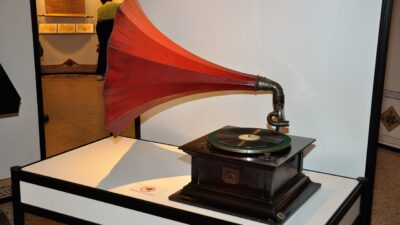
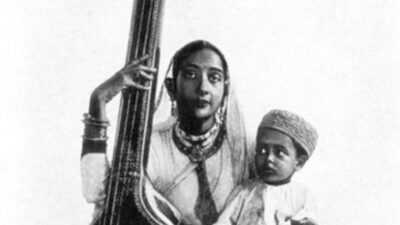
The gramophone arrived at a critical moment for tappa. By recording tappa performances, the gramophone inadvertently became an archival medium that could preserve the form through its period of decline. When Parmeshwari Bai recorded her tappa for Odeon Records in 1906, and when Zohra Bai recorded her tappa in 1908, they were creating reference documents of the form that could survive even if the living tradition weakened.
This archival function was not consciously intended. Gramophone companies were not thinking of themselves as preserving endangered art forms. They were simply recording music that had commercial value. Yet the effect was profound. These tappa recordings ensured that the form could not disappear entirely. Even if live tappa performance declined to near-extinction, the recordings would preserve the form — its melodic contours, its rhythmic sophistication, its tonal qualities, its expressive possibilities.
The gramophone thus served a function that had previously been filled by oral tradition and the guru-shishya relationship. The teacher preserved the form by training students. The gramophone record created a different kind of preservation: a fixed reference that could educate musicians even without the presence of a living master.
तकनीकी कौशल को कैद और संरक्षित किया गया
Technical Mastery Captured and Preservedतप्पा तकनीकी रूप से असाधारण रूप से मांग है। रूप को सटीक इंटोनेशन, जटिल लयबद्ध हेरफेर, तेजी से आवाज़, और संक्षिप्त समय सीमा के भीतर अभिव्यक्ति नियंत्रण की आवश्यकता है।
अंग्रेज़ी में पढ़ें · Read in English
Tappa is extraordinarily demanding technically. The form requires precise intonation, complex rhythmic manipulation, rapid articulation, and expressive control within a brief time frame. A tappa performance of two to three minutes can showcase more technical refinement than a lengthy khayal performance. The challenge in preserving tappa through oral tradition alone is that it requires both a master performer and a student with the dedication to master such technical complexity.
The gramophone recordings of tappa performances from 1906-1908 captured this technical mastery in preserved form. Zohra Bai's 1908 tappa demonstrates the precise intonation, the rhythmic accuracy, the sophisticated manipulation of scale and ornamentation that characterize the form at its best. A musician could now study this recording, understanding through repeated listening how the form worked, how to approach its technical demands.
The preservation of tappa through gramophone recordings proved crucial to the form's long-term survival. When tappa reached its nadir in the mid-twentieth century, with very few active performers, musicians interested in reviving the form could turn to the gramophone recordings made in the early 1900s. These recordings served as historical documentation, as teaching aids, and as artistic inspirations for the tappa revival that occurred later in the century.
संग्रह की अपरिहार्यता
The Irreplaceability of the Archiveतप्पा की कहानी ग्रामोफोन की भारतीय संगीत परंपराओं को संरक्षित करने में भूमिका के बारे में कुछ मौलिक प्रकट करती है। कोई भी लिखित विवरण या सैद्धांतिक समझ ग्रामोफोन रिकॉर्डिंग के रूप में प्रभावी रूप से तप्पा को संरक्षित नहीं कर सकता था।
अंग्रेज़ी में पढ़ें · Read in English
The tappa story reveals something fundamental about the gramophone's role in preserving Indian music traditions. No amount of written description or theoretical understanding could have preserved tappa as effectively as the gramophone recordings. You cannot write down in musical notation the subtle rhythmic variations, the specific tonal qualities, the expressive nuances that make a tappa performance great. You can only learn these through listening, through imitation, through repeated exposure to a master performance.
The gramophone made possible exactly this kind of preservation. It fixed not merely the structure of the form but the living, breathing realization of that structure by a master performer. A musician learning from a 1908 Zohra Bai recording is not learning from a description of how tappa should be sung — they are learning directly from one of the greatest tappa performers of the era.
By 1908, it was becoming clear that the gramophone's most important historical function might not be entertainment, but archive. The recordings made in these early years of the gramophone era captured forms, techniques, and performances that might otherwise be lost. Tappa — nearly extinct by mid-century but revived through the preservation of early twentieth-century recordings — is perhaps the most dramatic example of how the gramophone inadvertently became custodian of Indian musical traditions.
परिचय
IdentityEpithet
कैसे ग्रामोफोन एक संग्रहीय उपकरण बन गया जिसने एक शास्त्रीय शैली को विलुप्त होने से बचाया
How the gramophone became the archival tool that saved a classical form from extinction
अन्य विवरण
More Details- परमेश्वरी बाई · Parmeshwari Bai
- ज़ोहरा बाई अग्रेवाली · Zohra Bai Agrewali
Key Figures
कहानी-नमूना
The Story Specimen| शीर्षक | संरक्षित तप्पा: ग्रामोफोन रिकॉर्डिंग ने एक मरती हुई शैली को कैसे पुनर्जीवित किया · The Tappa Preserved: How Gramophone Recordings Revived a Dying Form |
|---|---|
| श्रेणी | Music Theory |
| प्रकार | Historical |
| प्रकाशित | 31 March 2026 — admin |
| वर्ष | 1908 |
और कहानियाँ
More Stories from the Atlas
साझा कीजिए · Share this Plate
यह पन्ना आगे बढ़ाइए
सवाल-जवाब
Questions & Answersतप्पा 20वीं सदी की शुरुआत में क्यों विलुप्त हो रहा था? · Why was tappa disappearing in the early twentieth century?
खयाल की बढ़ती प्रभुता, स्वदेशी आंदोलन की 'शुद्ध' शास्त्रीय परंपराओं पर जोर, और गंधर्व महाविद्यालय जैसे संस्थानों में तप्पा की उपेक्षा ने इस शैली को हाशिये पर धकेल दिया था।
The growing dominance of khayal, the Swadeshi movement's emphasis on 'pure' classical traditions, and the neglect of tappa in institutions like Gandharva Mahavidyalaya had pushed this form to the margins.
ग्रामोफोन ने तप्पा को किस प्रकार संरक्षित किया जो लिखित संकेतन नहीं कर सकता था? · How did the gramophone preserve tappa in a way written notation could not?
तप्पा की सूक्ष्म लयबद्ध विविधताएँ, विशिष्ट तानात्मक गुण, और अभिव्यक्ति की बारीकियाँ लिखित नोटेशन में पकड़ी नहीं जा सकतीं। ग्रामोफोन ने एक जीवित उस्ताद के प्रदर्शन को सीधे संरक्षित किया।
The subtle rhythmic variations, specific tonal qualities, and expressive nuances of tappa cannot be captured in written notation. The gramophone preserved a living master's performance directly — something notation cannot replicate.